Bitcoin hashprice, the daily income a miner earns from each unit of computing power, fell to a record low of $26.16 on Saturday 21 November, and early on Monday bitcoin sold for about $25,100 less than the $86,000 JPMorgan estimates it costs to mine one. Shares in listed bitcoin miners lost as much as 47% last week, and mempool.space estimates mining will get about 8.5% harder by Friday.
The bitcoin mining squeeze in numbers
- $26.16 Daily hashprice per petahash on Saturday 21 November, a record low on Luxor's Hashrate Index
- $86,000 JPMorgan's estimate of the average cost of mining one bitcoin, against a price near $60,900 at 04:11 CET on Monday
- 8.5% Estimated rise in mining difficulty around Friday 27 November, according to mempool.space
How low bitcoin hashprice fell, and why it is a record
Hashprice is the miner's pay packet: the dollars earned each day by one petahash per second of computing power, about what a single top-of-the-range machine produces. On Saturday 21 November it dropped to $26.16, according to Hashrate Index data cited by Bitcoin.com News. That undercut the $27.74 of 6 June, which BlockchainReporter, citing the same index, described a week ago as the record daily low.
The price did the damage. Bitcoin sank to $55,081 on the Bitstamp exchange on Saturday, Bitcoin.com News reported, in a slide that wiped out $2.67bn of leveraged bets. At 04:11 CET on Monday 23 November, 10.11pm on Sunday in New York, it traded at about $60,900, exchange data showed. At that price and today's difficulty, BMK News arithmetic puts hashprice near $28.50.
It buys very little. Bitmain's Antminer S23 Hydro 3U, a 1.16-petahash machine, cleared an estimated $6.29 a day on Saturday after power at $0.10 per kilowatt-hour and before other running costs, according to Bitcoin.com News.
Why one bitcoin costs more to mine than it sells for
JPMorgan put the average cost of producing one bitcoin at $86,000 in a note published on Wednesday 18 November by analysts led by Nikolaos Panigirtzoglou, Crypto Briefing reported. At Monday's early price the shortfall is about $25,100 a coin, or 29%.
"Think of a gold mine where every ounce sells for less than it cost to dig," the crypto entrepreneur Kyle Chassé wrote on X, in a post quoted by Bitcoin.com News. He ended: "So who blinks first, the miners or the price?"
JPMorgan blamed the falling price on money leaving crypto exchange-traded funds, weaker technology shares and shifting expectations of Federal Reserve rate cuts. Last week BlackRock's bitcoin fund lost a record $541m in a single day.
Why bitcoin mining difficulty is set to rise around 27 November
Bitcoin resets its mining difficulty every 2,016 blocks, roughly two weeks, to keep blocks arriving about every ten minutes. On 14 November difficulty fell 9.13%, the steepest cut since June. Luxor, the company behind Hashrate Index, traced most of that to West Texas, where power prices averaged between $64 and $122 per megawatt-hour from 7 to 11 November and miners switched off, Crypto Briefing reported. Texas hosts roughly 17% of the world's bitcoin computing power.
Then power got cheaper and the machines came back. Network hashrate, the total computing power, sank to about 912 exahashes per second on 14 November, Bitcoin.com News reported; mempool.space put it near 1,026 early on Monday. Blocks now arrive every 9 minutes 13 seconds on average, so the next reset points up: by 8.5%, around Friday 27 November, on mempool.space's estimate at 04:11 CET on Monday. The estimate shifts with every block and can be wrong: Bitcoin.com News saw 8.99% on Saturday.
A rise of that size would trim the income from each petahash by about 8% if bitcoin's price stood still. That alone would put hashprice back at roughly $26, level with Saturday's record.
How far bitcoin mining stocks fell last week
All seven US-listed miners below fell in the week to Friday 20 November, exchange data shows, and six lost more than a fifth of their value.
| Company | Close, Friday 20 November | Change on the week |
|---|---|---|
| Bitdeer Technologies | $2.96 | -47.2% |
| IREN | $11.82 | -34.9% |
| MARA Holdings | $5.09 | -27.2% |
| CleanSpark | $4.89 | -26.5% |
| HIVE Digital Technologies | $1.16 | -26.1% |
| Cipher Digital | $5.44 | -20.8% |
| Riot Platforms | $16.23 | -7.4% |
Bitdeer fared worst and now trades 86% below its 52-week high of $20.72. It mined 3,855 bitcoin in the third quarter, its results on 10 November showed, yet held only 47 at the end of September.
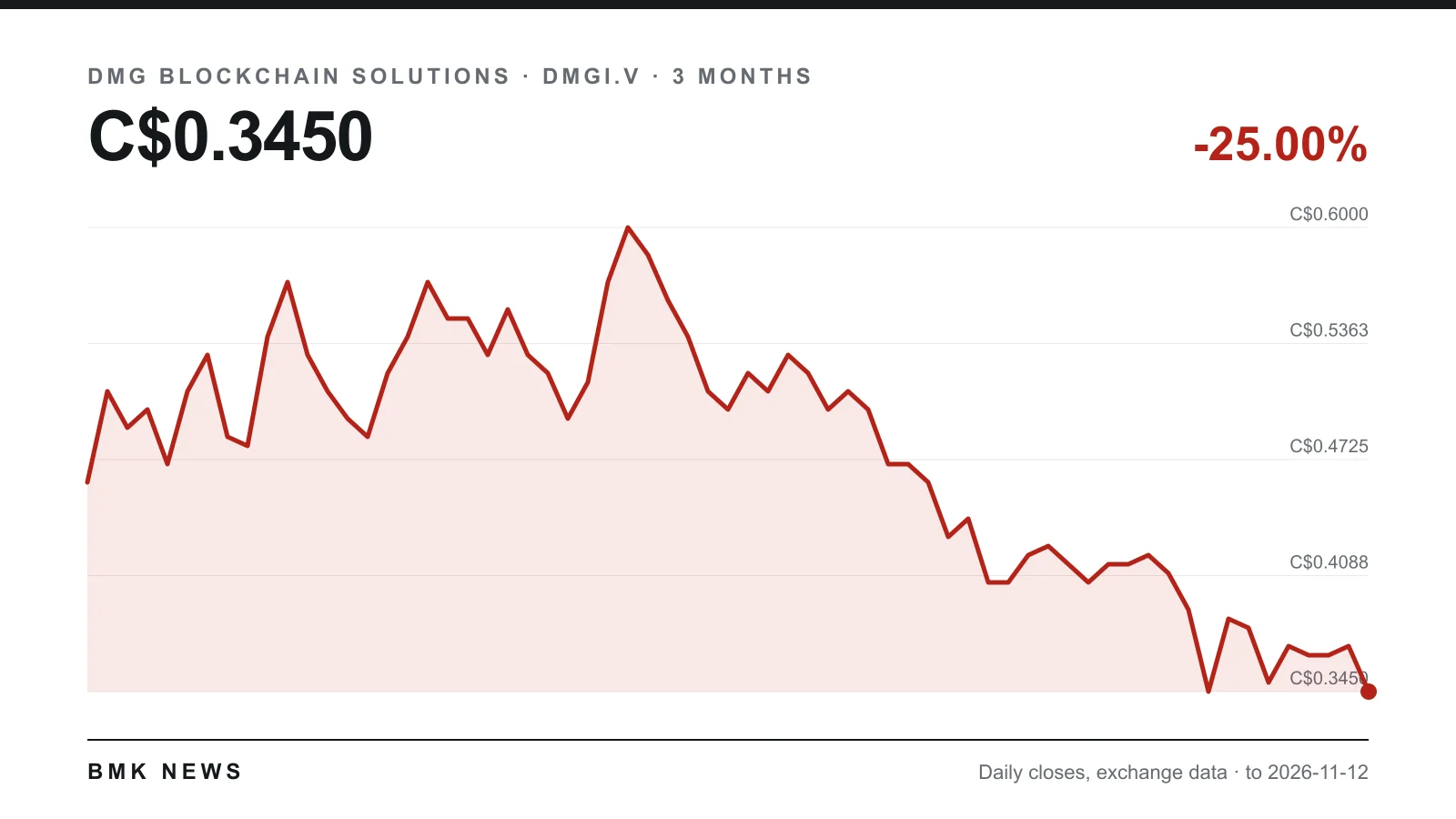
The move into artificial intelligence has not shielded the sector. IREN, which held no bitcoin at the end of September on BlockchainReporter's tally, closed at $11.82, against a 52-week high of $70.71, days after Leopold Aschenbrenner's AI fund was shown to have cut its IREN stake by 94%. In Canada, DMG Blockchain Solutions fell 25% over the week to C$0.27 on the TSX Venture Exchange.
What bitcoin miners can do now, and what JPMorgan expects
A miner losing money can switch machines off or sell coins. JPMorgan's analysts said many unprofitable miners may be forced to sell their bitcoin reserves, to cover running costs or to fund a move into AI, according to Crypto Briefing.
The selling has begun. Fourteen listed companies, 11 of them miners, sold 108,247 bitcoin in 2026 up to 10 November, by Lookonchain's count, BlockchainReporter reported. MARA led with 40,581 coins, ahead of Riot with 20,264 and Bitdeer with 10,553.
The other way out is slower. If high-cost miners quit, hashrate and difficulty fall and so does the average cost of a coin, which is how the bank's analysts said the gap could close. Production cost has tended to act as a soft floor for bitcoin's price, Crypto Briefing noted, but the price can stay below it for long stretches. JPMorgan's estimate has itself moved between $77,000 and $86,000 this year, and such estimates can be wrong.
What is bitcoin hashprice?
Hashprice is the revenue a bitcoin miner earns each day from one petahash per second of computing power. It fell to a record low of $26.16 on Saturday 21 November 2026.
How much does it cost to mine one bitcoin?
JPMorgan estimated the average cost of mining one bitcoin at $86,000 in a note published on 18 November 2026. Bitcoin traded near $60,900 at 04:11 CET on Monday 23 November.
When is the next bitcoin difficulty adjustment?
The next bitcoin difficulty adjustment is due around Friday 27 November 2026. Early on Monday 23 November, mempool.space estimated a rise of about 8.5%.
Sources
- Bitcoin.com News: Bitcoin Mining Profits Turn Ugly Despite Hashrate's Return Above 1 ZH/s
- Crypto Briefing (republished on cryptonews.net): JPMorgan says Bitcoin price drop widens gap to $86,000 production cost
- Crypto Briefing (republished on cryptonews.net): Luxor ties 9.13% Bitcoin difficulty drop to West Texas power prices
- BlockchainReporter (republished on MyToken): Crypto Mining Companies in 2026: The Biggest Bitcoin Miners and How They Make Money
- mempool.space: Bitcoin mining dashboard, difficulty adjustment and hashrate