Ambarella (NASDAQ: AMBA) expects sales to fall by up to 39% this quarter, to $70m to $75m, because its customers cannot get enough memory. The camera AI chip maker blamed soaring memory prices, a side effect of the AI server boom, on Tuesday 24 November, and by late Wednesday morning in New York its shares were worth about a third less than at Monday's close.
Ambarella's warning in numbers
- $70m-$75m Revenue forecast for the quarter to 31 January 2027, down 35% to 39%
- $115.2m Third-quarter revenue, up 6.2% on a year earlier
- -35.2% Share fall from Monday's $55.56 close to $35.98 at 10:55 New York time on Wednesday
What you need to know
- Ambarella expects sales of $70m to $75m this quarter, down from $115m in the last one.
- Memory prices have soared, so gadget makers that buy its chips are delaying or cancelling orders.
- Its boss expects a weak start to 2027, then growth in the year to January 2028.
Why Ambarella shares lost a third of their value in two days
Ambarella shares fell about 35% between Monday's close and late Wednesday morning.
The slide started before the news. The stock lost about 20% in regular trading on Tuesday, closing at $44.47, according to StockAnalysis data.
Nasdaq then halted trading at 4:01pm New York time, just ahead of the results, The Motley Fool reported. In after-hours trading, the shares sank about 38%, to around $27.
They bounced on Wednesday. The stock opened at $33.66, dipped to $30.50 and stood near $36 at 10:55 in New York. That was still about 19% below Tuesday's close.
How the AI boom made memory too expensive for camera makers
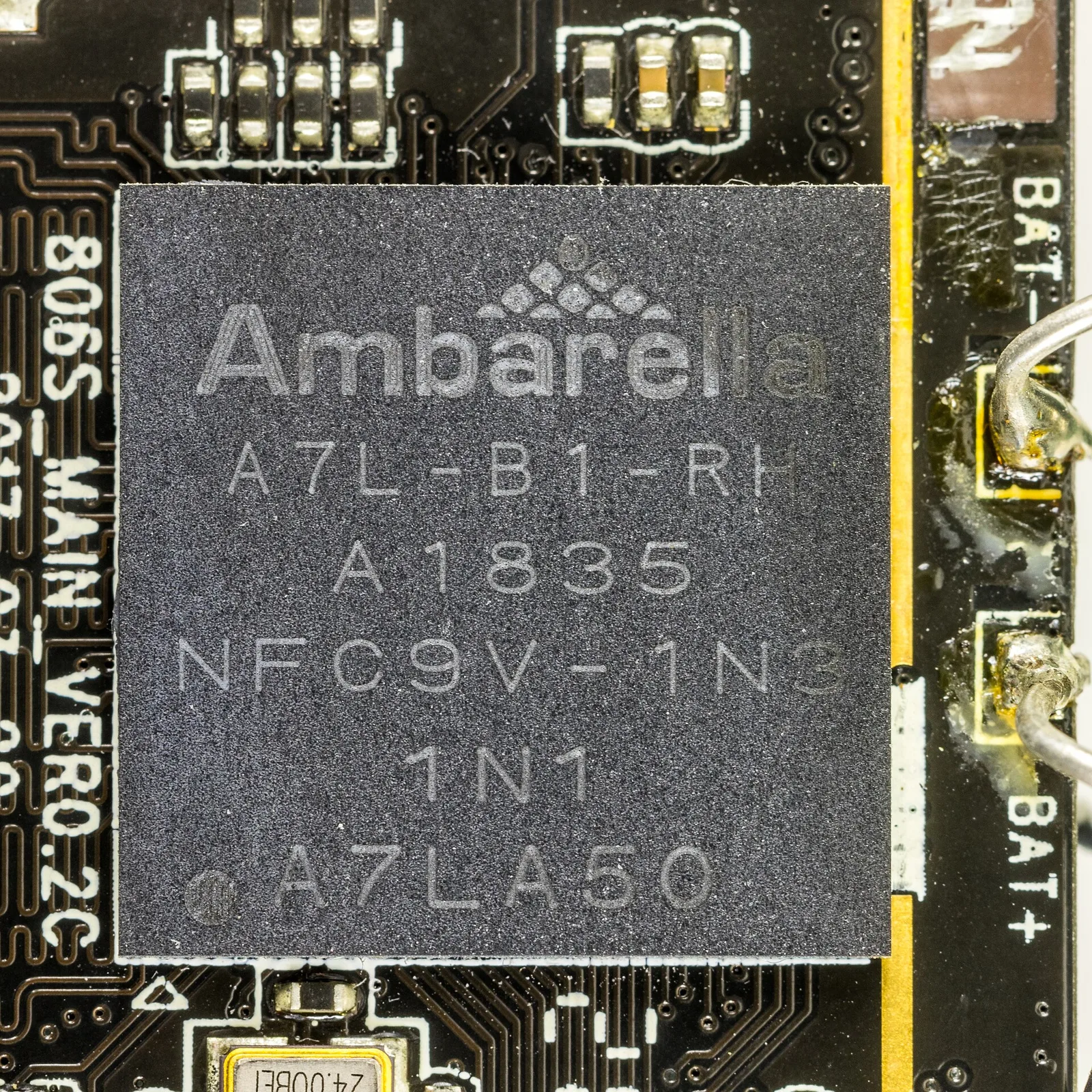
Memory has become so scarce and costly that firms building Ambarella-powered gadgets are making fewer of them.
Ambarella designs low-power chips that run AI on the device itself, in security cameras, car safety systems, drones and dashcams. Almost every one of those devices also needs memory.
"The unprecedented rise in memory prices and the scarcity of memory supply we previously highlighted has intensified and is causing many customers to reduce their outlooks," said Fermi Wang, the chief executive, in the results release.
The demand comes from AI. Memory makers sell vast amounts to AI data centres, and Micron recently posted a record $54bn quarter on AI demand. Smaller device makers get what is left, at a higher price.
On the earnings call, Wang said "the total memory is a huge part of the BOM". BOM, the bill of materials, is the full parts list of a product.
Gadget makers cannot raise prices much, he said, so they either sell at almost no profit or sell less.
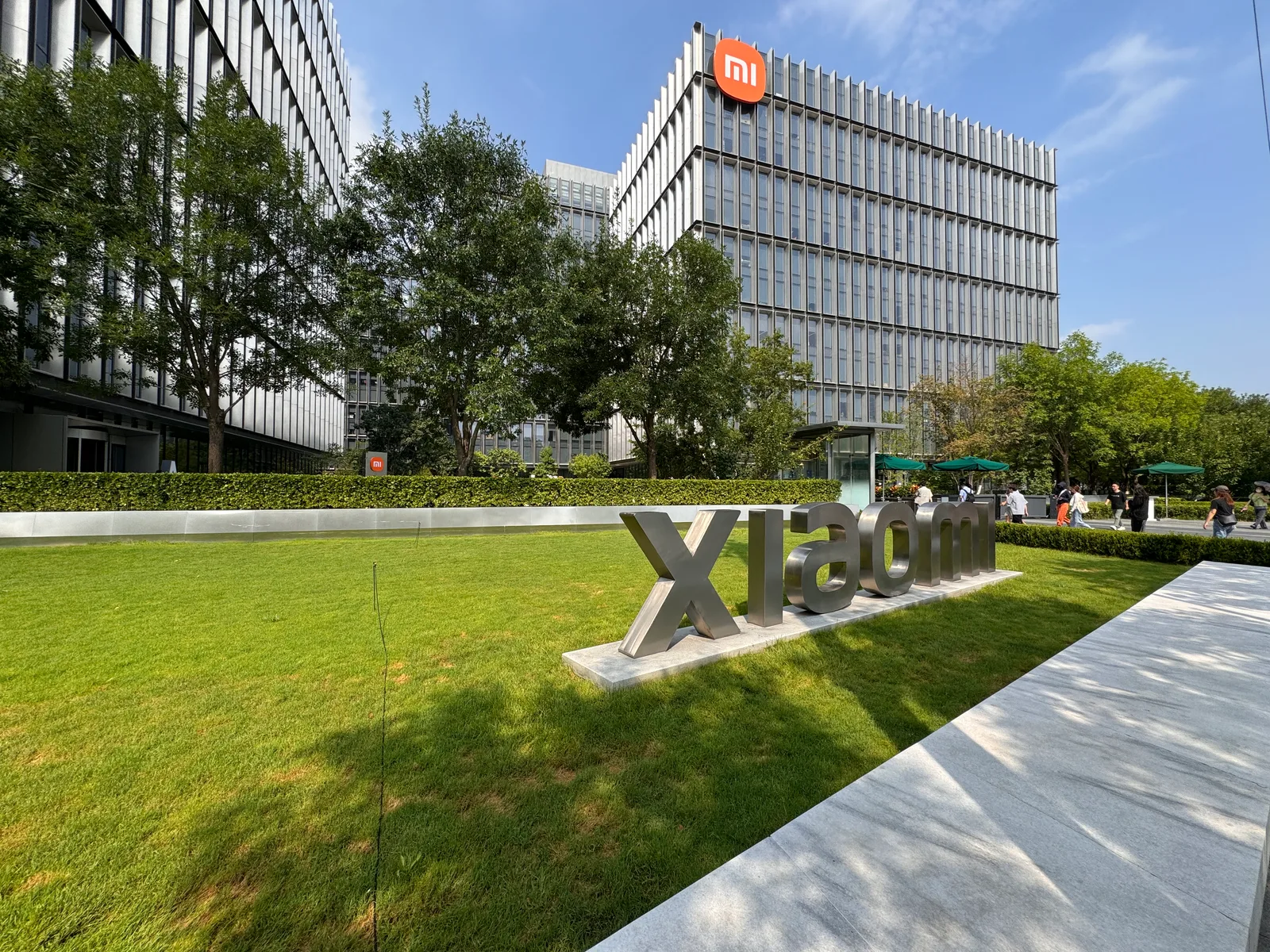
Ambarella is not alone. This week Xiaomi said rising memory costs helped cut its quarterly profit by more than half.
Most of the lost sales are delayed orders, not cancelled ones
Ambarella says most of the missing revenue is orders pushed back, not orders lost for good. "The majority of the revenue reduction is pushed out, and there are some cancellations too," Wang told analysts.
"The memory impact to us mainly is on the consumer IoT business," he said. IoT, the internet of things, means everyday devices that connect to the internet.
Consumer products are roughly half of Ambarella's revenue, Wang said. Even carmakers feel it: one car customer's supplier "cannot identify enough memory for them", he added.
The last quarter already showed the strain. Revenue landed at $115.2m, the very bottom of the company's own range of $115m to $124m, because consumer sales fell short.
| Measure | Q3 to 31 Oct 2026 | Q3 a year earlier |
|---|---|---|
| Revenue | $115.2m | $108.5m |
| Adjusted earnings per share | $0.28 | $0.27 |
| Net loss | $12.7m | $15.1m |
| Cash and investments | $282.8m | $295.3m |
The forecast also points to a loss. The Motley Fool calculates an adjusted operating loss of about $15m this quarter at the middle of the guidance. Last quarter brought a profit of about $11m.
Ambarella's boss still expects growth by late 2027
Wang insists the long-term story is intact. Memory problems "do not have an impact on our very positive secular growth outlook for edge AI," he said. Edge AI means AI that runs on a device, not in a distant data centre.
Its edge AI sales hit a record last quarter, he said. It is the same market that smaller edge AI chip designers are chasing.
He expects the financial year starting in February 2027 "to be a growth year". But he is not counting on relief. "We are assuming that DRAM situation is going to stay the same as Q4," he said. DRAM is the main type of memory chip in these devices.
So the first half will be weak, Wang warned. Growth should come in the second half, as pricier new chips such as its first 2-nanometre design start to ship.
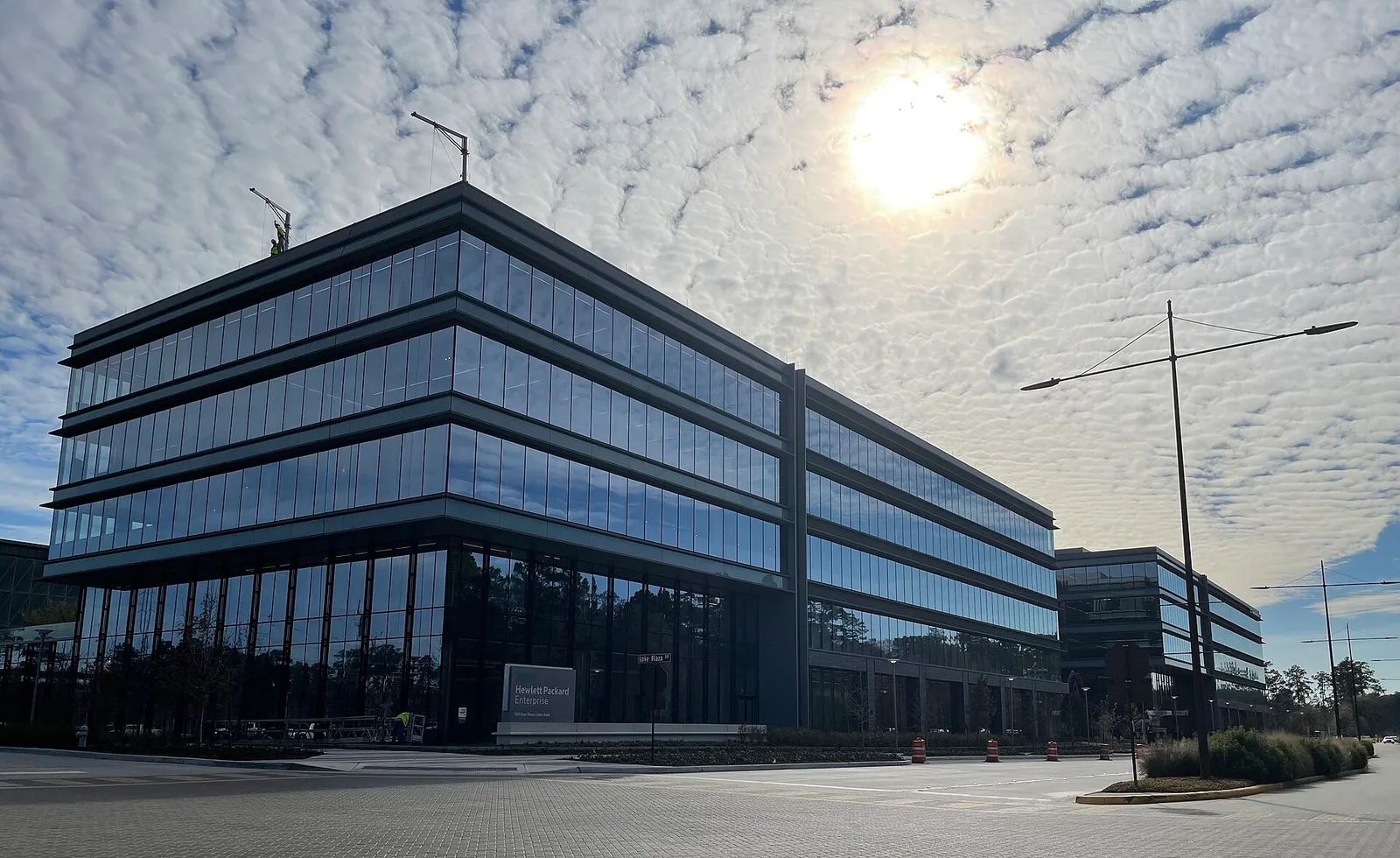
Others see a long squeeze. After HPE's results this week, its chief executive, Antonio Neri, said memory would stay tight until at least late 2028, The Motley Fool reported.
What this means for you
The AI boom has losers as well as winners. Companies that sell memory are cashing in, while companies that need memory to build things are being squeezed.
For shoppers, that squeeze reaches cameras, dashcams and cars. Makers either swallow the cost or build fewer products, and Ambarella's forecast shows many are building fewer.
The next test comes on Sunday 31 January 2027, when Ambarella's fourth quarter ends and the $70m to $75m forecast meets reality.
Why did Ambarella stock fall?
Ambarella shares fell after it forecast fourth-quarter sales of $70m to $75m on Tuesday 24 November 2026, down as much as 39%. It blamed soaring memory prices that are making customers delay or cancel orders.
How are memory prices hurting Ambarella?
Memory chips go into the same gadgets as Ambarella's chips, and they have become scarce and expensive. So customers build fewer products and buy fewer Ambarella chips.
What does Ambarella make?
Ambarella designs low-power chips that run AI on devices such as security cameras, car safety systems, drones and dashcams. Internet-connected devices made up a little more than 70% of its revenue last quarter and cars close to 30%, the company said.