Xiaomi's adjusted net profit fell 56.8% to 4.88bn yuan, about $730m, in the third quarter, the Chinese smartphone and electric car maker reported on Tuesday 24 November. It shipped 12.6 million fewer phones than a year earlier, yet the bill for making them still rose as memory chips grew dearer. William Lu, Xiaomi's president, told analysts that a key memory chip is likely to cost more again in 2027, and that Xiaomi's average phone price will rise.
Xiaomi's third quarter in three numbers
- 4.88bn yuan adjusted net profit, down 56.8% from 11.31bn yuan a year earlier
- 30.7 million smartphones shipped, down 29.1% from 43.3 million
- 1,486 yuan average selling price per phone, a record and up 39.8%
Xiaomi's profit fell 57% on sales that slipped only 5%
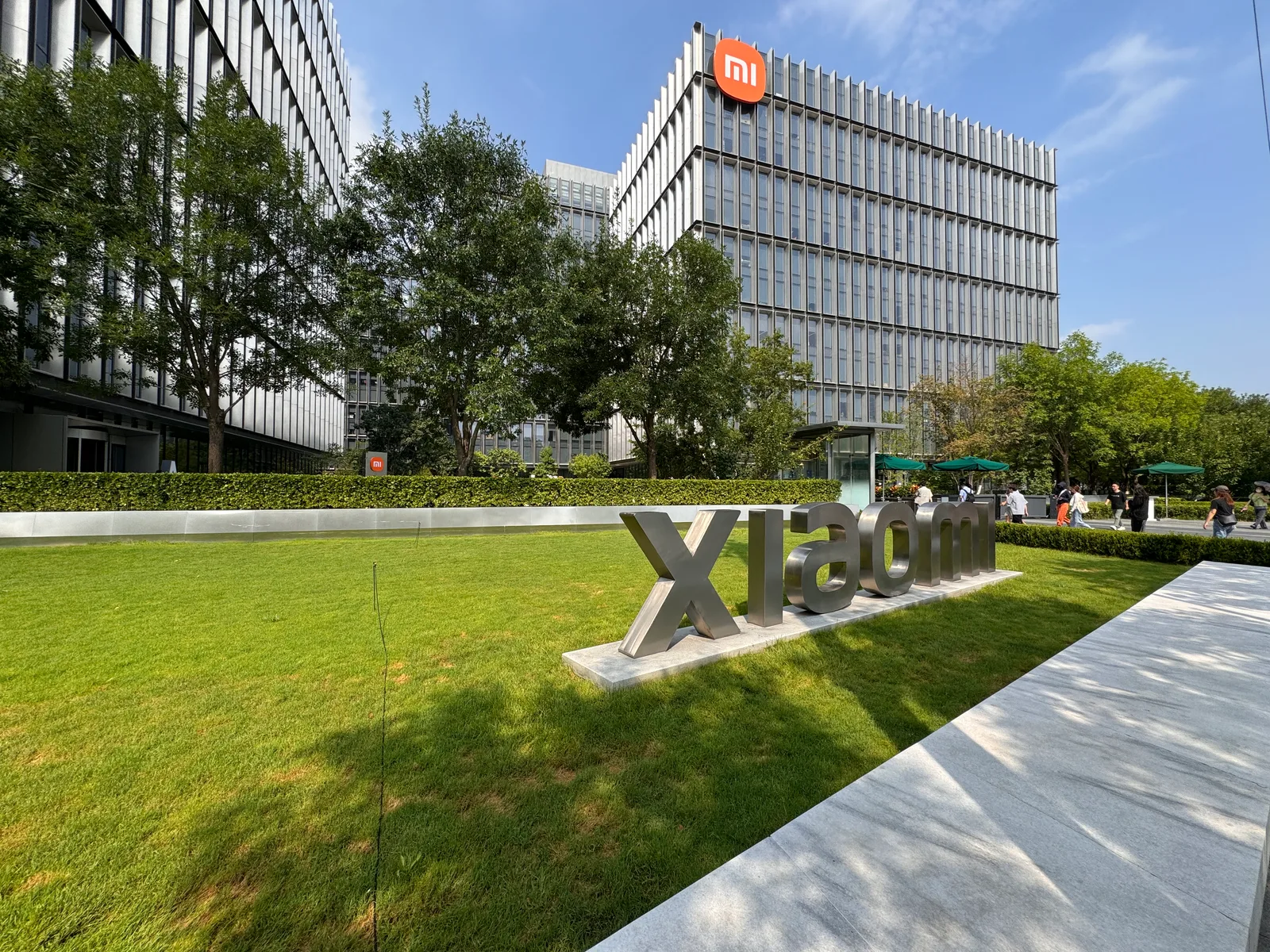
Xiaomi Corporation (HKEX: 1810) earned an adjusted net profit of 4.88bn yuan in the three months to 30 September, down from 11.31bn yuan a year earlier. Revenue fell far less, by 5.2% to 107.2bn yuan, or about $16.1bn at Tuesday's European Central Bank reference rates.
Adjusted profit leaves out items such as share-based pay and changes in the value of Xiaomi's investments. Reported profit for the period dropped further, by 68.4% to 3.88bn yuan.
The results came out at 5.25pm in Hong Kong, after trading had ended. Xiaomi shares had already closed 3.7% lower at HK$26.50, StockAnalysis data show, while the Hang Seng index lost 0.7%, RTHK reported. That fall came a day after Tencent hit a 31-month low in the same market.
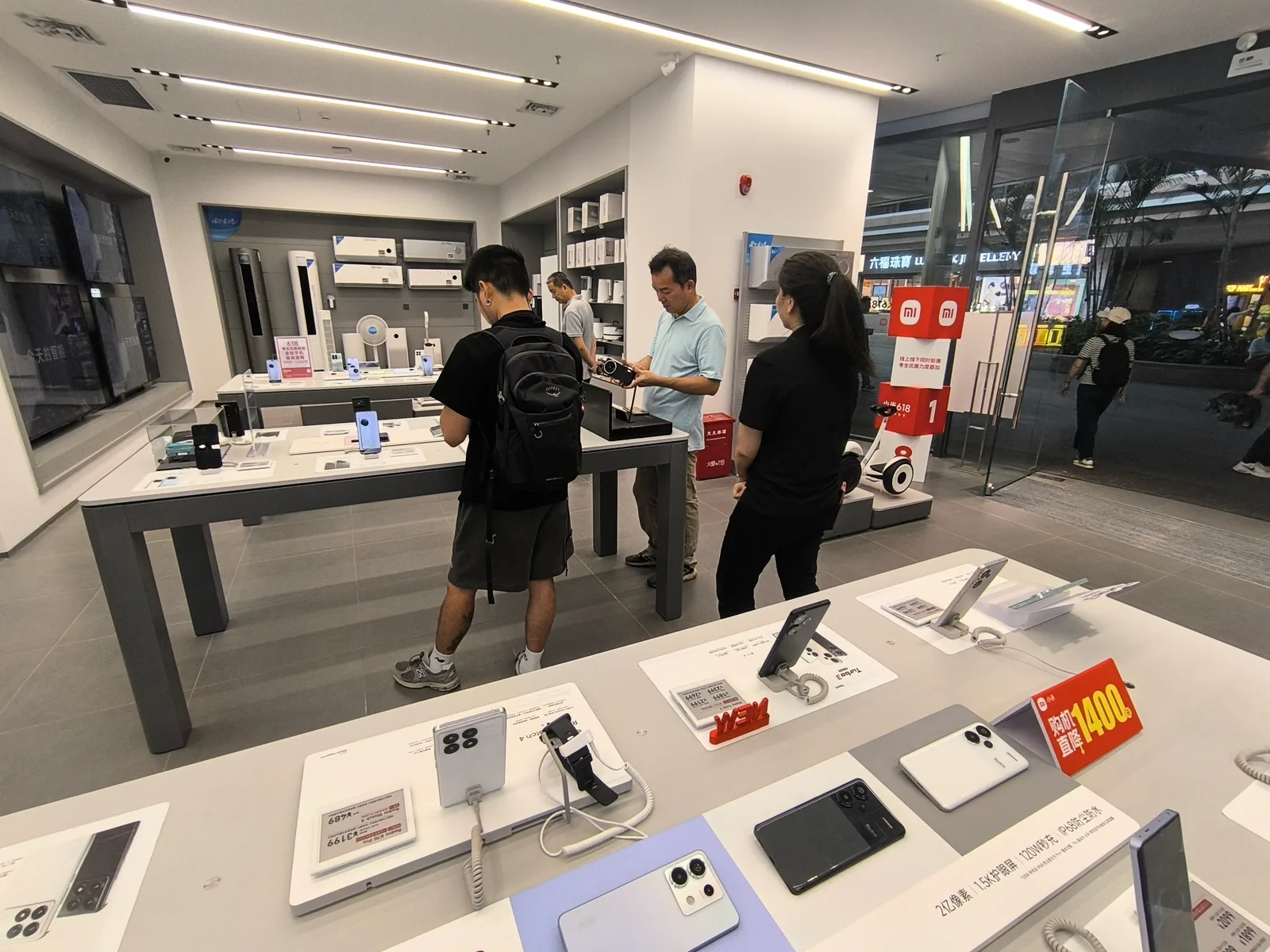
Xiaomi shipped 12.6 million fewer phones at a record average price
Xiaomi shipped 30.7 million smartphones in the quarter, down 29.1% from 43.3 million a year earlier, while its average selling price rose 39.8% to a record 1,486 yuan. That is about $223 a phone, up from roughly $160 a year ago.
The company said it had cut shipments of low-end phones and sold a bigger share of its handsets in mainland China. The figure is an average across all models, not one phone's price tag.
Xiaomi's cost of sales for phones rose 1.3% to 41.4bn yuan, even though it shipped 12.6 million fewer of them. The company blamed "the increased price of key components".
The dearer mix kept phone revenue almost flat, down 0.8% at 45.6bn yuan. Profit suffered anyway. Gross margin on phones, the share of sales left after the direct cost of the goods, fell to 9.2% from 11.1%.
Rivals are hurting too. Global smartphone shipments fell 20% from a year earlier, according to Omdia figures cited by Xiaomi.
| Xiaomi, July to September (company figures) | 2026 | 2025 | Change |
|---|---|---|---|
| Revenue | 107.24bn yuan | 113.12bn yuan | -5.2% |
| Adjusted net profit | 4.88bn yuan | 11.31bn yuan | -56.8% |
| Smartphone shipments | 30.7 million | 43.3 million | -29.1% |
| Average phone selling price | 1,486.1 yuan | 1,062.8 yuan | +39.8% |
| Smartphone gross margin | 9.2% | 11.1% | -1.9 points |
Why the AI memory chip boom is squeezing phone makers
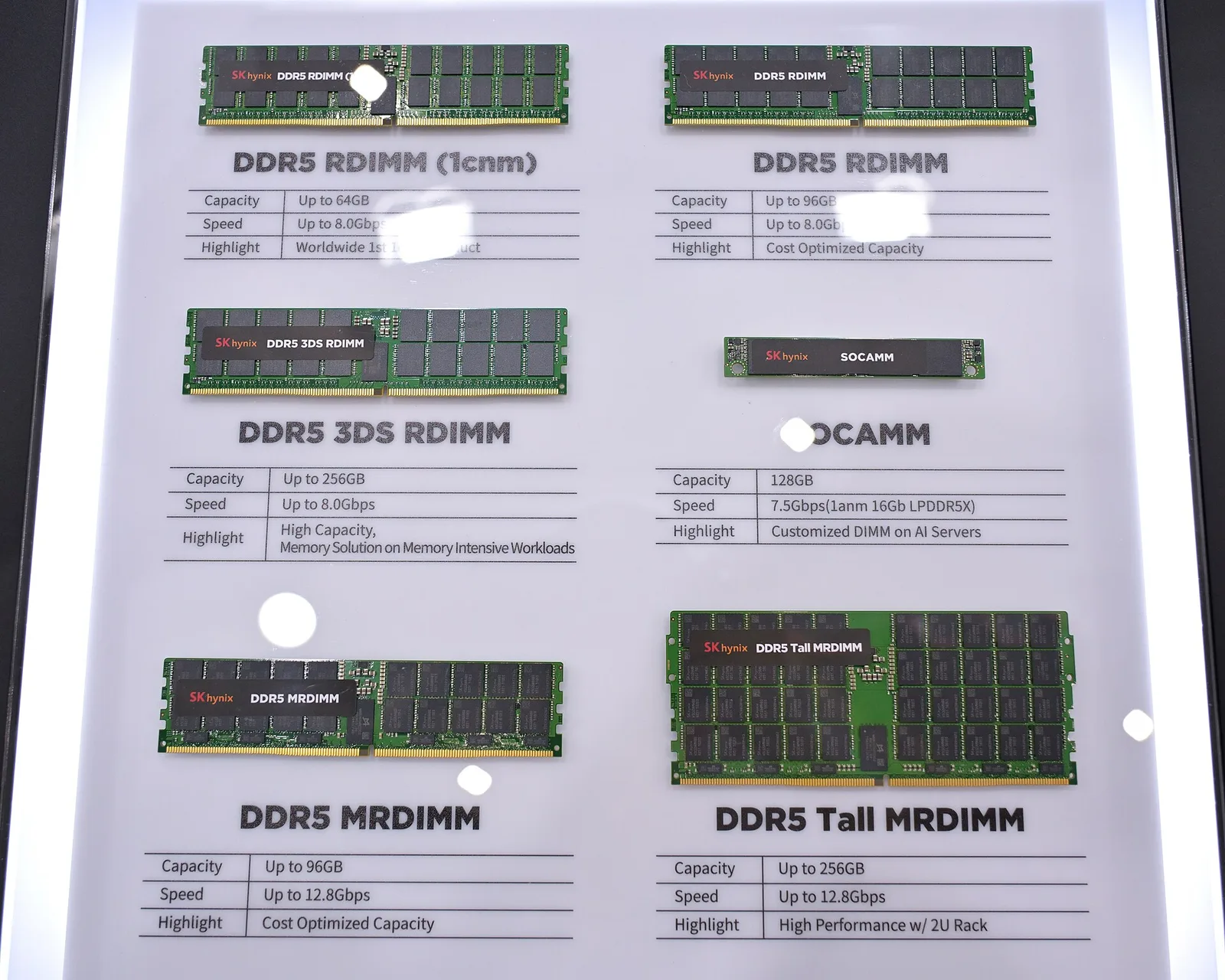
Memory chips are the cost that Xiaomi blames most, and the same chips are in heavy demand for AI data centres. Mr Lu told analysts that fast-rising memory costs have been "the biggest factor" for the phone business since the second half of last year. His remarks are from a call transcript published by StockAnalysis.
He described a "winter in the smartphone industry", brought on by soaring memory costs, that "may still last for a period".
The chipmakers are living in a different season. In October, Samsung's quarterly profit topped 100 trillion won for the first time, on demand for AI memory.
SK hynix went further. After a record quarter with an operating margin of 80%, it set out about 100 trillion won of dividends and share buybacks.
The memory maker kept 80 won of operating profit from every 100 won of sales. Xiaomi's phones left about 9 yuan of gross profit from every 100 yuan, before any research or marketing costs.
Phone makers are not alone. AI server makers have asked customers for up to 45% more on signed deals, BMK News reported this week, citing the Financial Times.
Xiaomi expects memory costs and phone prices to rise again in 2027
Xiaomi's president told analysts that a further rise in the cost of DRAM in 2027 is "still a very likely event". DRAM is the working memory a phone uses to run its apps.
Shop prices follow with a delay, he added, because makers and retailers still hold stock bought at older prices.
Asked about 2027 by Citi analyst Kyna Wong, he said the high-cost memory environment might continue and "the mobile ASP will increase", meaning the average selling price. Earlier in the call he had promised restraint: "we can't just raise prices blindly".
For anyone shopping for a Xiaomi phone, the direction is plain: fewer cheap handsets shipped and a higher average price. Mr Lu said buyers who once replaced a phone every three years may now wait four or five.
Xiaomi's car and AI unit lost 3.4bn yuan
Xiaomi's car, AI and new initiatives segment made an operating loss of 3.4bn yuan, about $510m, on revenue that fell 17.7% to 23.9bn yuan. It delivered 100,975 vehicles in a Chinese passenger car market that shrank 24%, on industry data Xiaomi cited.
Spending rose as sales fell. The unit's operating expenses climbed 18.6% to 8.0bn yuan. More than 30% of Xiaomi's research budget now goes to AI, chief financial officer Alain Lam said on the call.
There was good news too. Xiaomi's new SkyNomad SUVs drew more than 10,000 locked-in orders in their first four minutes on sale in September, and more than 70,000 in the first month.
One figure may soften the blow: the phone gross margin of 9.2% was up from 8.5% in the second quarter, helped by new premium models.
The first verdict comes on Wednesday 25 November, when Xiaomi shares trade in Hong Kong for the first time since the results.
Why did Xiaomi's profit fall in the third quarter of 2026?
Xiaomi's adjusted net profit fell 56.8% to 4.88bn yuan in the three months to 30 September 2026 as memory chips cost more and it shipped 29.1% fewer phones. Its car and AI unit also made an operating loss of 3.4bn yuan.
Will smartphone prices go up in 2027?
Xiaomi expects its average phone price to rise again in 2027. President William Lu told analysts on Tuesday 24 November 2026 that a further rise in DRAM memory costs next year is "still a very likely event".
Sources
- Xiaomi Corporation (HKEXnews): Results Announcement for the Three and Nine Months Ended September 30, 2026
- StockAnalysis: Xiaomi (HKG:1810) Q3 2026 Earnings Call Transcript
- RTHK: HK, mainland slip amid cheer at Huang shot in the arm
- gogi.in: Xiaomi Q3 2026: Phone Shipments Fall 29.1%, Average Selling Price Rises 39.8%
- European Central Bank: Euro foreign exchange reference rates, 24 November 2026