BrainChip Holdings designs AI processors modelled loosely on how the brain handles signals, aimed at small, battery-powered devices rather than data centres. After years of slow sales it is shipping its own chips and boards in volume for the first time, but revenue is still small and its cash covers about a year of spending.
What BrainChip does
BrainChip is registered in Australia, with its office in Sydney, and issues its product news from Laguna Hills in California. Its shares trade on the ASX as BRN, over the counter in the US as BRCHF and as BCHPY American depositary receipts. It reports in US dollars and publishes quarterly cash-flow reports. Sean Hehir is chief executive.
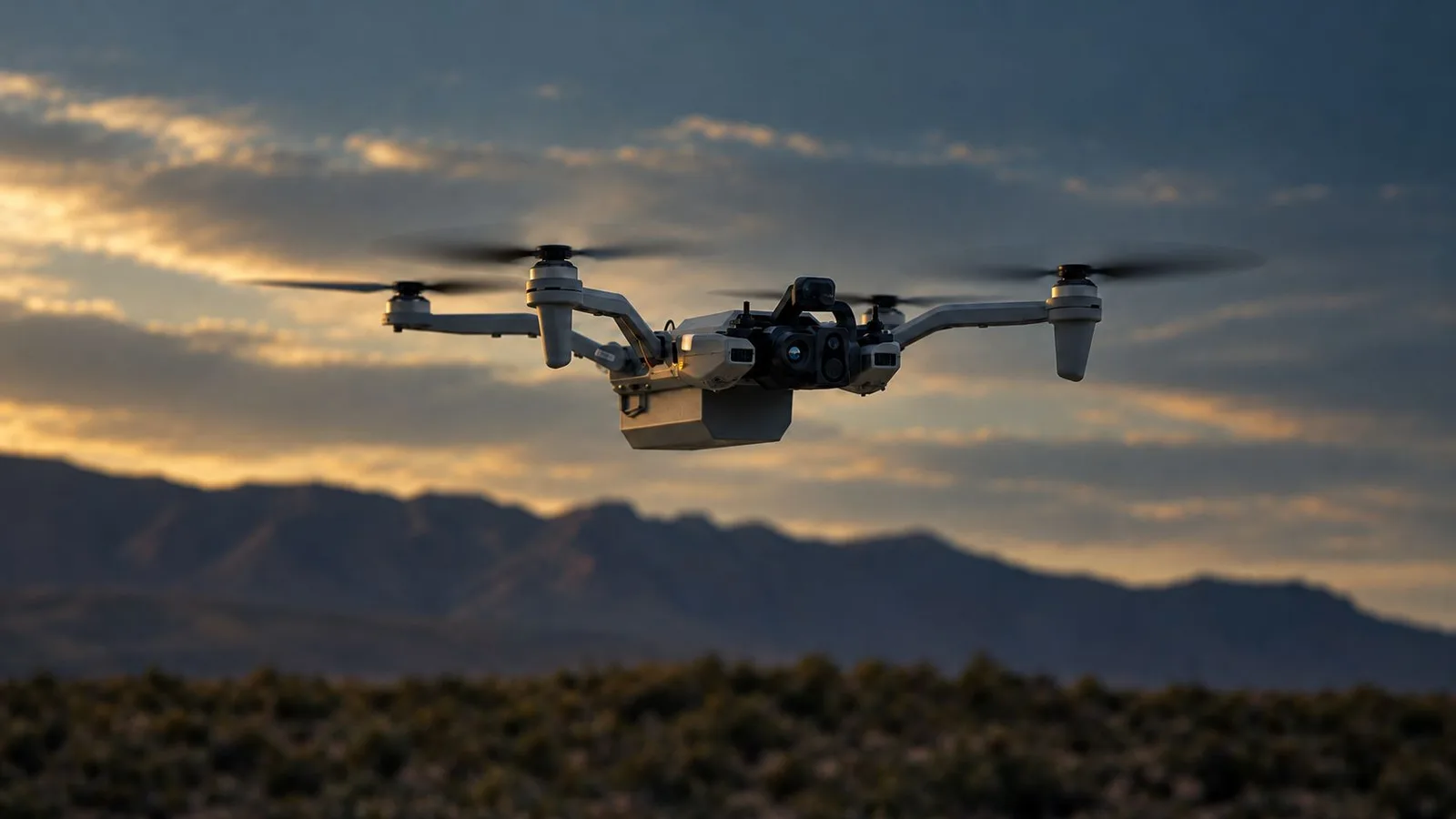
Its core technology is Akida, a fully digital, event-based processor. Rather than crunching all incoming sensor data, it analyses only the essential inputs, which BrainChip says cuts power use. It targets devices that must run AI locally, such as wearables, industrial sensors, drones, radar and space systems. Its own neural network models, called TENNs, build on state-space models designed for streaming data.
BrainChip makes money in three ways:
- IP licences and royalties: chipmakers license Akida or the new Sequora design and build it into their own chips. Sequora, released for licensing in October 2026, adds generative AI and on-device language models, with compute that BrainChip puts at up to 3 billion parameters and beyond.
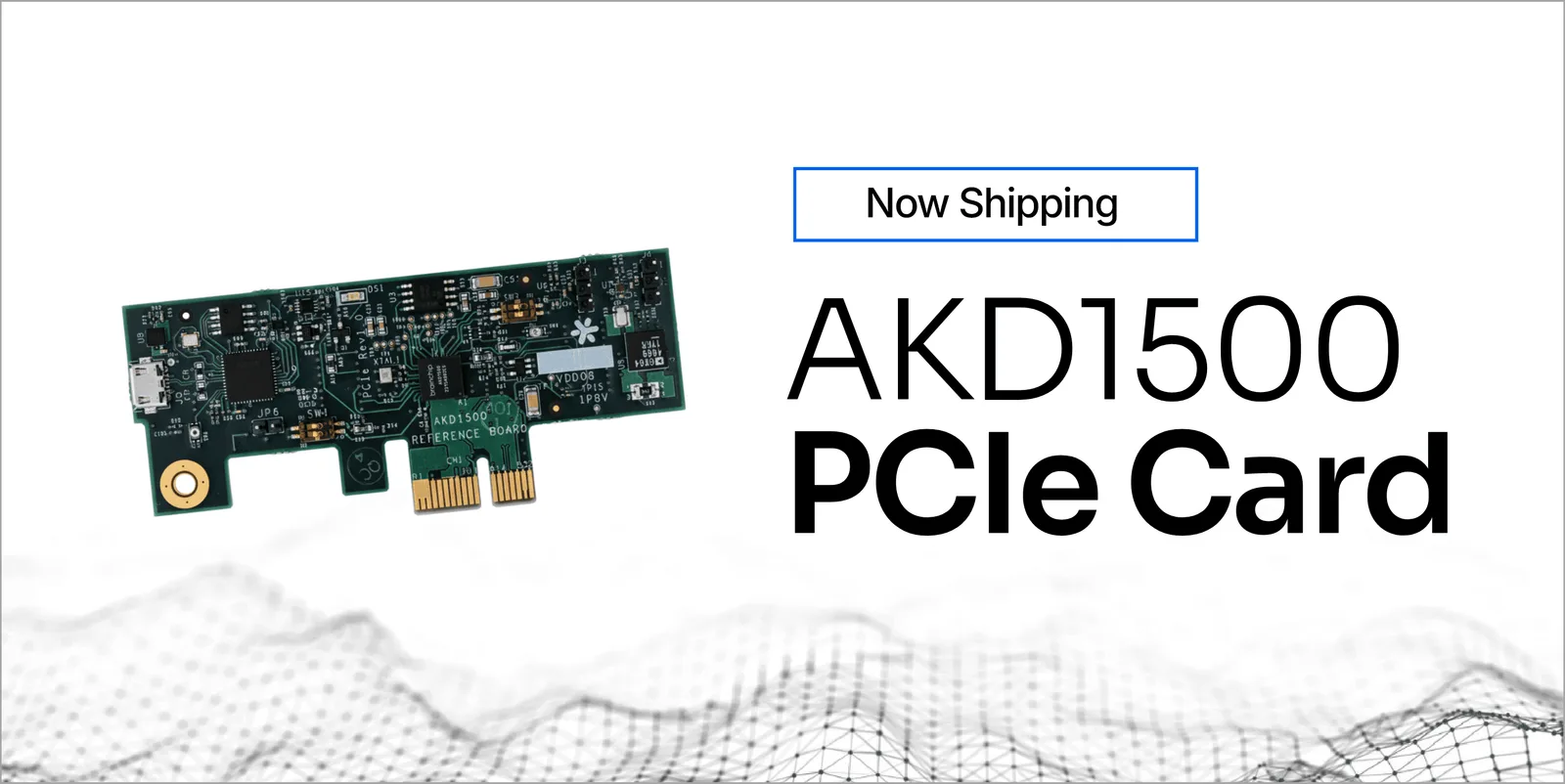
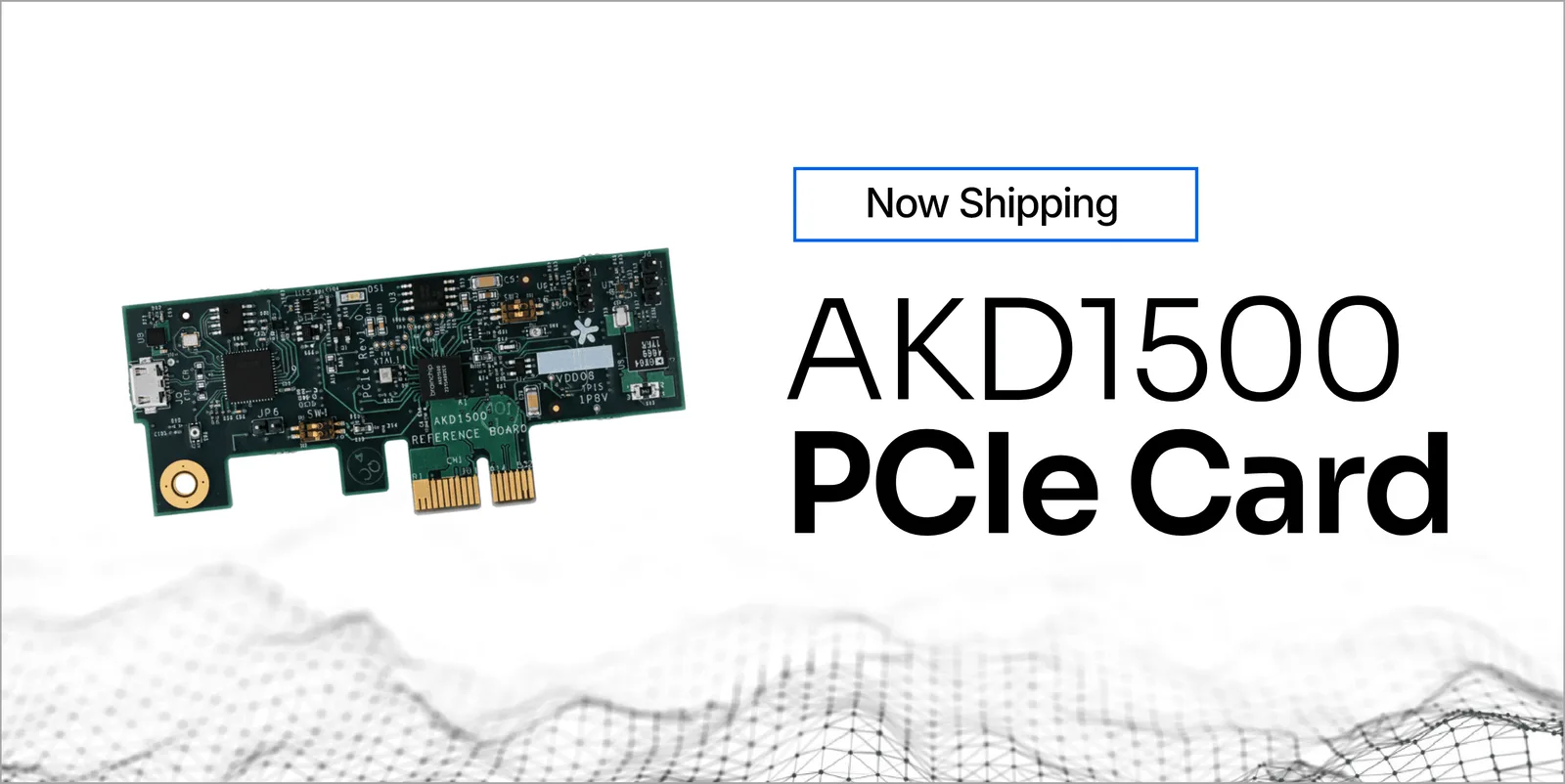
- Chips: the AKD1500 co-processor, now offered in a PCIe version and, since October, an SPI version that connects to the microcontrollers already inside many devices.
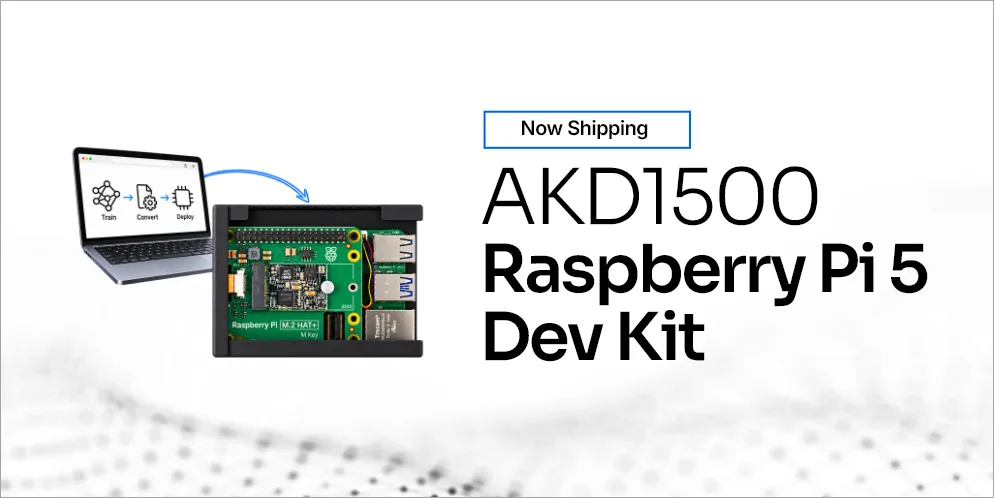
- Boards and kits: M.2 and PCIe cards, a Raspberry Pi 5 kit and the AkidaTag reference platform. The AKD1500 SPI chip is sold through BrainChip's online shop and the distributor DigiKey.
BrainChip Holdings: share price, chart and news
Key numbers
| Measure | Latest figure |
|---|---|
| Cash, 30 Sept 2026 | US$16.4m |
| Cash, 30 June 2026 | US$20.3m |
| Net operating cash outflow, Sept quarter | US$4.3m |
| Customer receipts, Sept quarter | US$0.27m |
| Customer receipts, nine months | US$1.09m |
| Net operating cash outflow, nine months | US$15.6m |
| Funding available | About 3.95 quarters, per the company |
| Shares on issue | About 2.28bn, per ASX data |
ASX data this week showed the shares trading at about A$0.10 to A$0.11, at the bottom of a 52-week range of A$0.10 to A$0.205. At A$0.105 that gives a market value of about A$240m.
Customers and licensees
Who is using BrainChip's technology
- Parsons: the US defence contractor has received its full initial order of 10,000 AKD1500 chips and is building M.2 boards with four, eight or twelve chips
- Onsor Technologies: a 2,000-chip order for Nexa EEG glasses that detect epileptic seizures, awaiting approval from Oman's Ministry of Health
- Neuromorphyx: 1,200 chips for its BrainBoard1500, plus chips to build boards that BrainChip sells
- EdgeAI (Korea): licensed Akida 2 in March 2026, plans a December tape-out and samples in early 2027 for smart meters
- Frontgrade Gaisler: licensed Akida in December 2024 for a space chip, the GR801, with production expected in 2027
BrainChip also lists partnerships with automated optical inspection company Orama.AOI and an Akida bundle for IBM's Spectrum Symphony workload software. Most of these are evaluations or small orders rather than large recurring contracts.
The shift to selling its own silicon has happened quickly. BrainChip received its first 2,000 AKD1500 chips in June 2026, began filling orders in July, released its M.2 board the same month and took delivery of about 20,000 more chips in September. It added two sales executives during the quarter. Because plug-in boards let engineers test Akida in standard computers, the company sees easier evaluation as one of the main levers for turning interest into orders.
The main risks
Funding and dilution. BrainChip has spent much more than it has received for years. With about US$16.4m and quarterly operating outflows of more than US$4m, the company's own estimate is just under four quarters of funding, so new money is likely to be needed unless receipts grow. The company says it reviews funding options regularly. Its previous funding agreement with LDA Capital has ended, after LDA sold its last collateral shares in August.
Slow adoption. In a September letter to shareholders, the board acknowledged that the edge AI market had taken longer to mature than first expected. Royalties only start when licensees reach production, which the company says could potentially begin in late 2027.
Execution and supply. Its AKD2500 chip and two licensee chips are due to tape out around December. First AKD2500 samples are expected early in the third quarter of 2027, subject to foundry capacity, which the company says has been tight throughout 2026.
Governance. Two former directors are leading an activist campaign seeking a shareholder meeting and changes to the board, which the board has rejected in open letters. The ASX also found that BrainChip should have released its September letter to the market at the time; the company says it has updated its procedures.
Competition. BrainChip competes with far larger chip companies for a place in device makers' designs. It cites a Spherical Insight ranking that puts it third in neuromorphic AI behind Intel and IBM, which it says have no production-grade neuromorphic chips.
What to watch next
| Timing | Event |
|---|---|
| End of November 2026 | Remaining AKD1500 chips from the production run |
| December 2026 | AKD2500 tape-out and EdgeAI wafer tape-out |
| Coming months | Frontgrade Gaisler GR801 tape-out; Parsons board availability |
| Late January 2027 | December quarter Appendix 4C, with cash and receipts |
| Q1 2027 | EdgeAI engineering samples |
| Early Q3 2027 | First AKD2500 engineering samples |
| Late 2027 | Possible start of royalty revenue |
Investors will also watch whether the activist group gathers enough support to force a shareholder meeting, and whether Sequora wins its first licence.
Sources
- ASX: BrainChip Holdings (BRN) announcements, including the Appendix 4C and Quarterly Activities Report (30 October 2026), the Sequora availability notice (14 October 2026) and two notices under Listing Rule 3.17.1 (16 October 2026)
- ASX: BrainChip Holdings key statistics
- BrainChip: BrainChip Unveils AKD1500 SPI Chip, Bringing Neuromorphic AI to Everyday Edge Devices (22 October 2026)
- BrainChip: news and press releases