D-Wave Quantum sells access to quantum computers, mostly of the annealing kind, and is spending heavily to add gate-model machines. Its third-quarter report shows a company with more than $500m of cash and investments and a much larger order book than a year ago, but also with operating losses that keep growing.
What D-Wave does
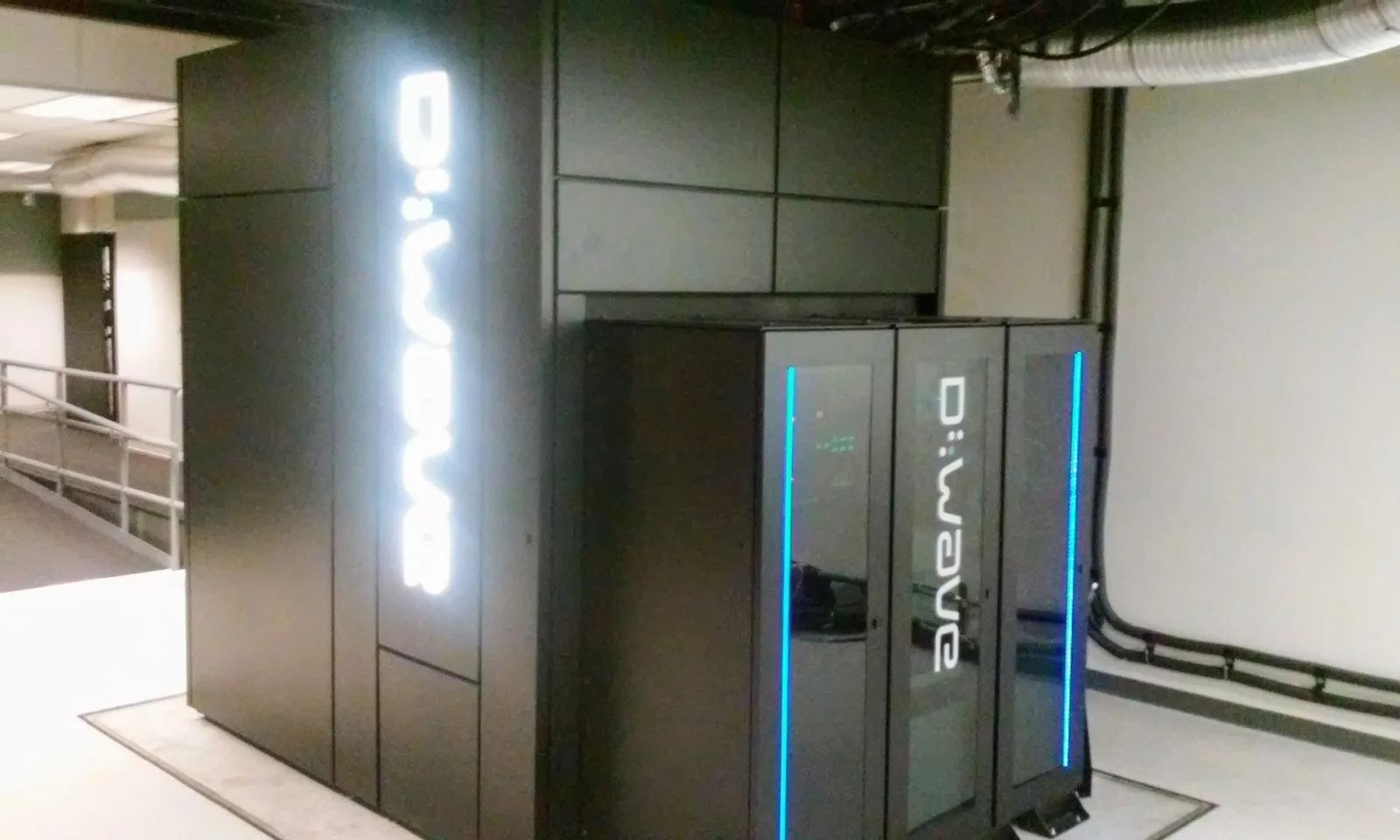
D-Wave builds superconducting quantum computers and earns money from them in three ways: through its Leap cloud service, by installing systems at customer sites, and through professional services that help companies turn business problems into working applications. It is based in Palo Alto, California, and its shares trade on Nasdaq under the ticker QBTS.
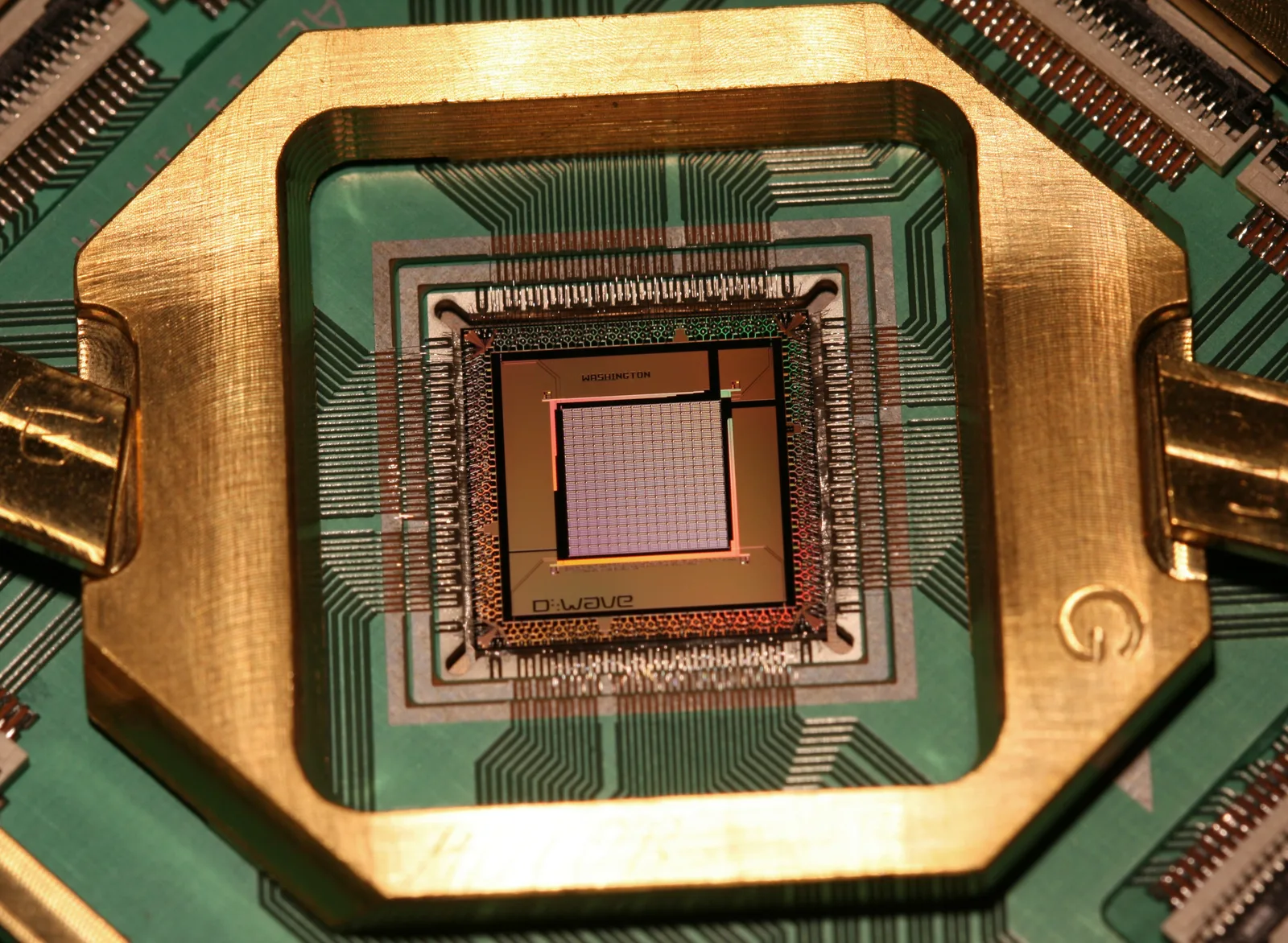
Its main product line is quantum annealing, a design suited to optimisation problems such as scheduling, routing and network planning. The current Advantage2 system has more than 4,400 qubits. In the third quarter D-Wave delivered Italy's first annealing quantum computer, an Advantage2 at Villa Saporiti in Como, funded by Swiss Quantum Technology SA.
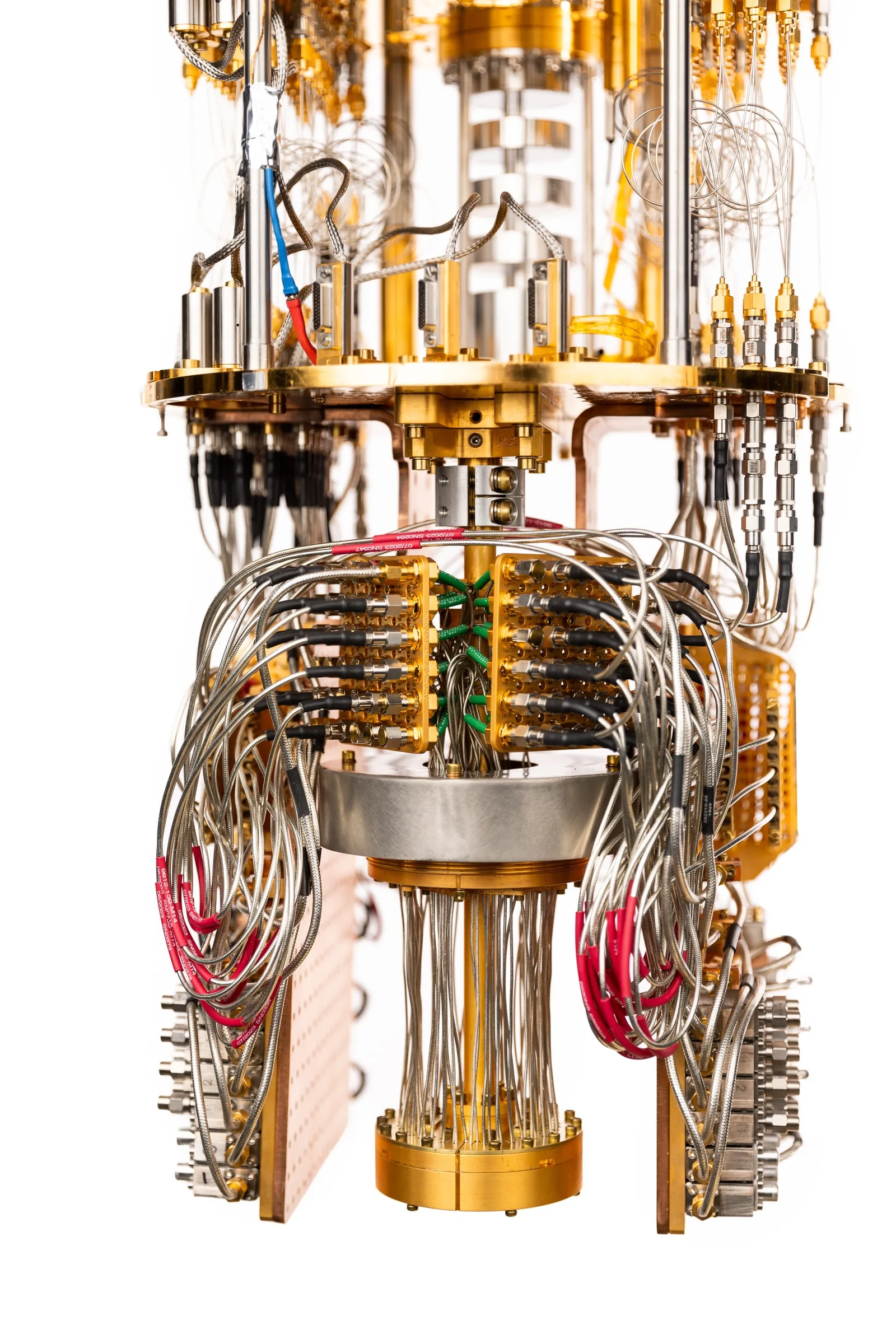
The second line is gate-model computing, the approach most of the industry follows. D-Wave completed its purchase of Quantum Circuits in January 2026 and has started a beta programme for a dual-rail superconducting gate-model simulator. Participants include the Spanish bank BBVA, Florida Atlantic University and Germany's Jülich Supercomputing Centre.
D-Wave Quantum: share price, chart and news
Customers, deals and government money
D-Wave said third-quarter revenue came from more than 100 customers, 48% of them commercial companies. Examples in its report include Japan's NTT DOCOMO, which has put a second application on D-Wave's hybrid technology into production, and chipmaker SkyWater, which extended its partnership through a multi-year agreement. IT services group CGI plans to add D-Wave platforms to its services.
The company gives figures for some of these projects. It says the DOCOMO application cut peak daily location registration signals in its mobile network by 65.3% and solved a planning problem covering 333 base stations in about five minutes. At SkyWater, a proof-of-technology project reduced delays to batches of wafers moving through the fab by up to 30%. These are D-Wave's own figures and have not been independently verified.
More announcements followed after the quarter. On 28 October D-Wave and LG CNS announced a strategic relationship in South Korea, and the company said customer Shionogi had won first place in a NEDO quantum computing challenge in Japan. On 4 November it released performance improvements to its Stride hybrid solver, and on 12 November it said Gartner had named it a Market Shaper in its emerging market quadrant for quantum computing.
The biggest development of the year was government funding. On 4 September D-Wave signed an agreement with the US Department of Commerce for up to $100m under the CHIPS and Science Act, paid in tranches against technical milestones. In return it issued the department 7,095,721 shares at $14.093 each on 8 September, and on 10 September it filed a prospectus supplement covering their resale. The money is earmarked for a 100,000-qubit annealing system and a 10,000-qubit gate-model system.
The latest numbers
D-Wave reported its third-quarter results on 10 November. Revenue rose 21% to $4.5m, but quarterly bookings fell about 19% to $1.9m. Over nine months, bookings reached $37.4m, up 611%. Remaining performance obligations, the contracted revenue still to be recognised, stood at $38.3m against $2.9m a year earlier.
Margins fell because more revenue came from lower-margin services. On D-Wave's adjusted basis the gross margin was 63.6%, against 52.9% under GAAP. Operating expenses rose 84% as the company spent more on product development and sales, and the operating loss reached $53.5m, roughly twelve times revenue.
| Q3 2026 | Figure | Change on a year |
|---|---|---|
| Revenue | $4.5m | +21% |
| Bookings | $1.9m | about -19% |
| GAAP gross margin | 52.9% | from 71.4% |
| Operating expenses | $55.9m | +84% |
| Net loss | $48.2m ($0.13 a share) | from $140.0m |
| Adjusted EBITDA loss | $37.7m | +83% |
The net loss looks smaller than a year ago only because last year's figure included large non-cash charges for revaluing warrants. Over nine months the net loss was $114.6m and the adjusted EBITDA loss was $107.5m.
Balance sheet at 30 September
- $503.4m cash plus marketable securities
- $38.3m contracted revenue still to be recognised
- 374.1m weighted average shares in the third quarter
Of the $503.4m, $279.4m was cash and cash equivalents. Total liabilities were $86.0m. Goodwill of $342.6m and intangible assets of $208.4m, much of it from acquisitions such as Quantum Circuits, made up about half of the $1.12bn of total assets. D-Wave gives no formal financial guidance.
Alan Baratz is president and chief executive. The company's third-quarter report also noted that Bernard Gavgani and Kevan Krysler have joined the board of directors.
The main risks
Losses. The adjusted EBITDA loss of $37.7m a quarter is well covered by current cash, but spending is rising fast and the company has not set a date for breaking even.
Lumpy revenue. System sales swing results from quarter to quarter. Third-quarter system revenue fell by $1.5m, and quarterly bookings were small next to the nine-month total.
Dilution. The CHIPS deal added about 7.1 million shares at a discount to the market price, and any further fundraising would add more.
Conditions on the award. The government can end the agreement on 60 days' notice, and payments depend on congressional appropriations and on reaching technical milestones.
Technology and competition. Gate-model computing is crowded with large, well-funded rivals, and D-Wave's own gate-model work is still at the simulator and development stage.
Goodwill. Acquired goodwill could be written down if the businesses behind it do not perform.
What to watch next
Milestones and dates
- Progress on the CHIPS milestones, which unlock further tranches of about $9.1m, $16.7m and $20.4m.
- Conversion of the order book: D-Wave expects about 59% of its $38.3m of obligations to become revenue within 12 months, and about 71% within 24 months.
- Whether quarterly bookings recover after the 19% fall in the third quarter.
- Fourth-quarter and full-year results, for which the company has not yet published a date.
Sources
- D-Wave Quantum: D-Wave Reports Third Quarter 2026 Results
- US Securities and Exchange Commission: D-Wave Quantum Inc. Form 8-K, Exhibit 99.1: third quarter 2026 results
- Quantum Computing Report: D-Wave reports Q3 2026 results: revenue up 21%, RPO surges to $38.3M and finalizes $100M CHIPS Act agreement
- US Securities and Exchange Commission: D-Wave Quantum Inc. Form 8-K: Other Transaction Agreement with the US Department of Commerce
- US Securities and Exchange Commission: D-Wave Quantum Inc. Form 8-K/A: Securities Issuance Agreement and share issuance to the Department of Commerce
- US Securities and Exchange Commission: D-Wave Quantum Inc. Form 8-K: prospectus supplement for resale of 7,095,721 shares
- D-Wave Quantum: D-Wave newsroom (LG CNS, Shionogi, Stride solver and Gartner releases)