Hemisphere Energy is a small Canadian oil producer that pumps heavy crude from mature reservoirs and returns much of its cash to shareholders. It went into the second half of 2026 debt-free and paying regular and special dividends. Then, on 26 August, a fire at its largest battery took out about three-quarters of its production. Here is what the company owns, what its latest numbers show and what to watch as it rebuilds.
What Hemisphere does
Hemisphere is a Canadian company listed on the TSX Venture Exchange, with a second quote on the OTCQX in New York under HMENF. It describes itself as a dividend-paying oil company, and its strategy is to develop heavy oil properties with polymer-based enhanced recovery.
Its method is polymer flooding. A powder the company describes as harmless is dissolved in the water that is pumped back into the reservoir, which thickens it to roughly the consistency of olive oil. The thicker fluid pushes oil towards producing wells more evenly, so less oil is bypassed and water breaks through later. The company says the aims are higher output, higher overall recovery, slower declines and lower water-handling costs.
Production is almost entirely heavy oil: 99% of the 3,576 barrels of oil equivalent a day (boe/d) it produced in the second quarter of 2026.
Hemisphere Energy: share price, chart and news
The assets
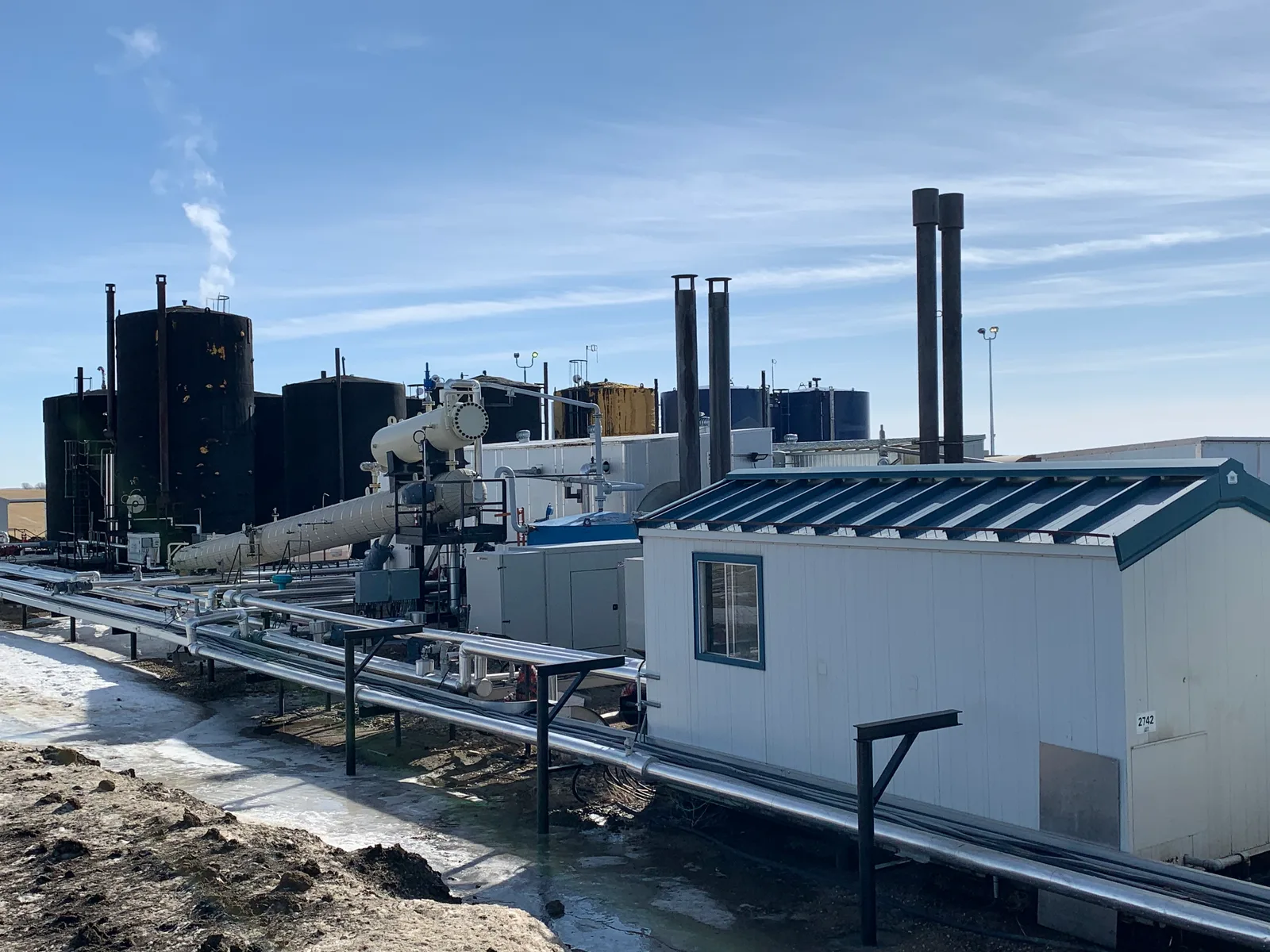
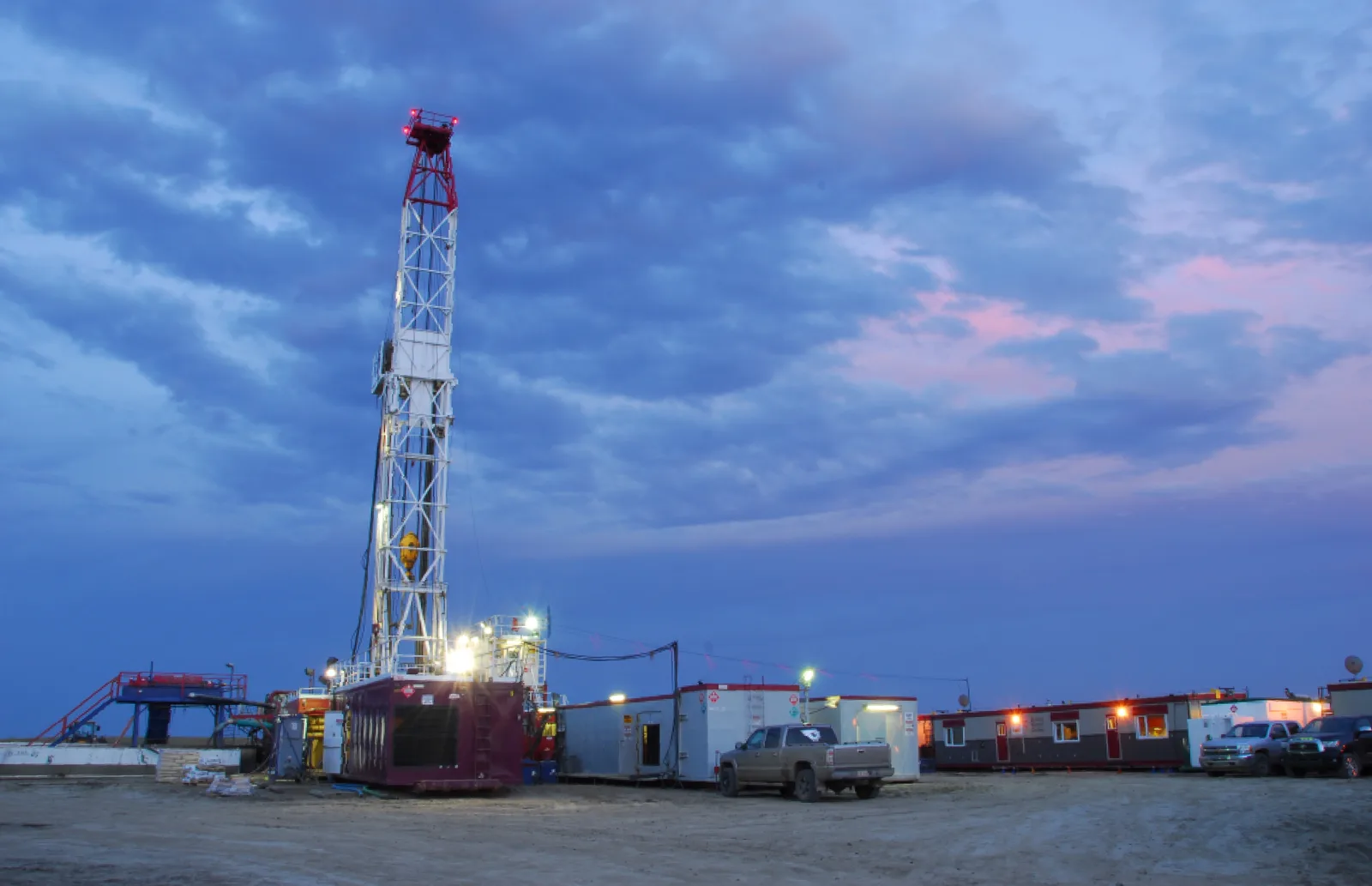
The core asset is Atlee Buffalo in Alberta. Hemisphere produces there from two conventional heavy oil pools in the Glauconitic Formation, using horizontal wells for both production and injection. The company says the reservoir quality is high enough that the wells need no fracking.
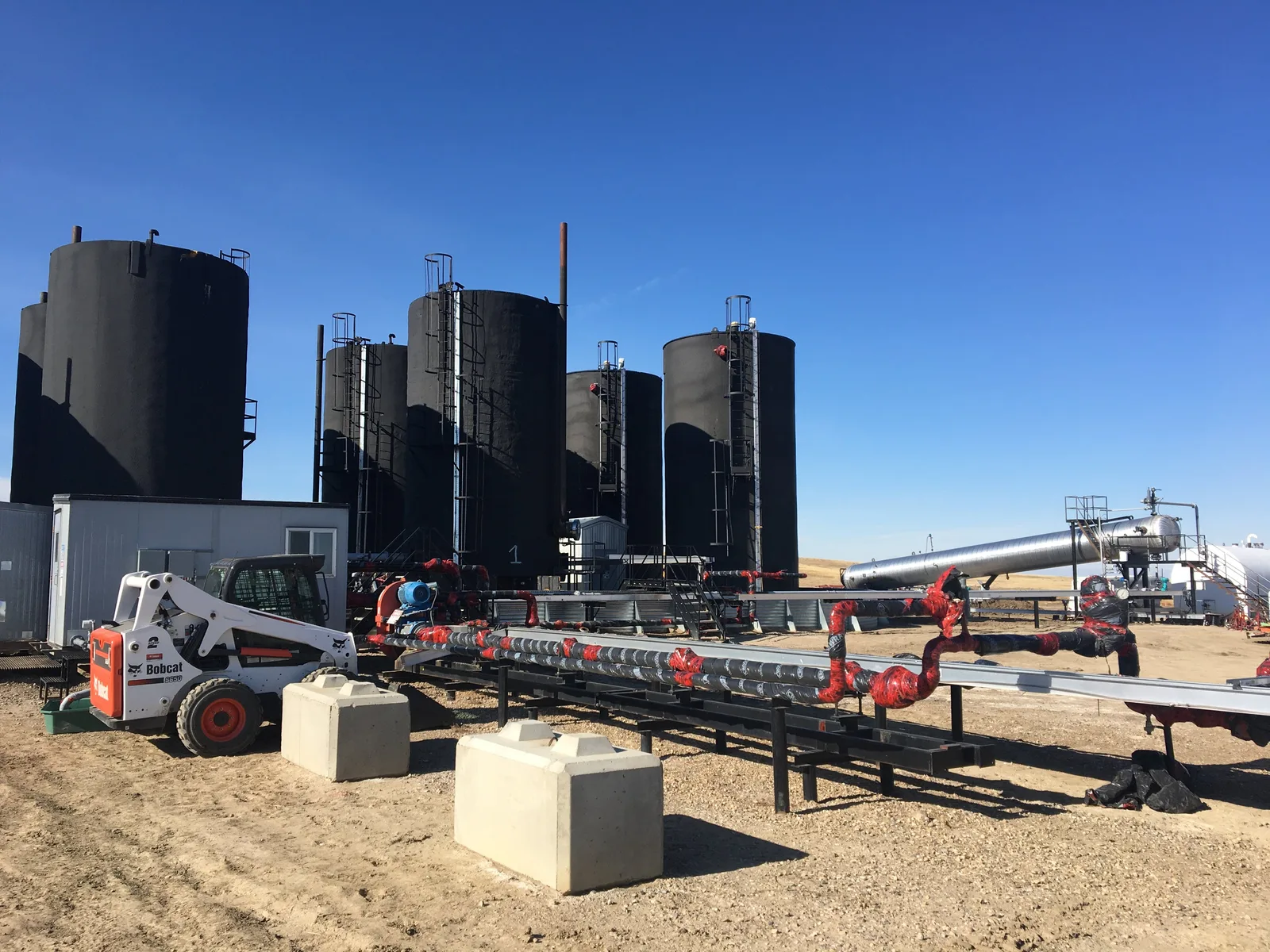
The G pool battery at Atlee handled up to 2,650 boe/d before the fire, roughly 75% of total output.
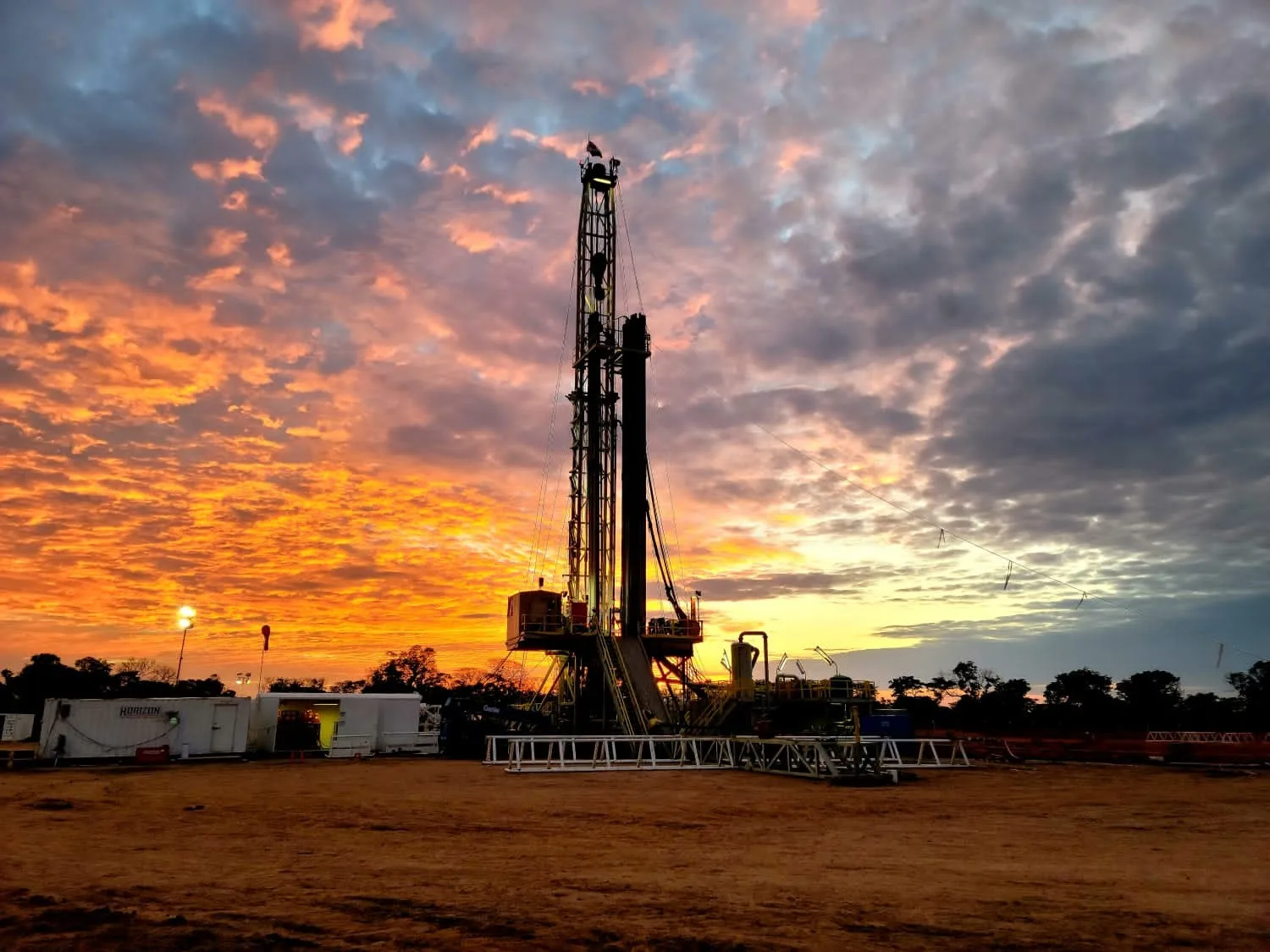
The second growth area is Marsden in Saskatchewan. Two horizontal wells drilled in late July into the Colony Formation, a zone not previously produced in that area, were making about 200 boe/d combined in October. A polymer pilot in the Sparky Formation at Marsden is running until at least the end of 2026.
At the end of 2025, independent reserve estimates gave Hemisphere 15.2 million boe of proved plus probable (2P) reserves, with a before-tax value at a 10% discount rate (NPV10) of C$316 million, or C$3.35 a share.
| Reserve category (31 Dec 2025) | Volume | NPV10 before tax | Per share | Reserve life |
|---|---|---|---|---|
| Proved developed producing | 9,317 Mboe | C$212m | C$2.24 | 7.0 years |
| Proved (1P) | 11,780 Mboe | C$252m | C$2.67 | 8.9 years |
| Proved plus probable (2P) | 15,185 Mboe | C$316m | C$3.35 | 11.4 years |
Those figures pre-date the fire and rest on price and cost assumptions that can change.
The latest numbers
Second quarter of 2026
- C$16.7m adjusted funds flow, or C$0.18 a share
- C$12.6m net income
- C$67.94 operating netback per boe
The second quarter, to 30 June, was strong. Revenue was C$33.6 million on a realised heavy oil price of C$104.40 a barrel. Operating and transport costs came to C$14.35 per boe. Capital spending was only C$2.5 million, leaving free funds flow of C$14.2 million.
The balance sheet was clean. Hemisphere had no bank debt at 30 June, positive working capital of C$19.5 million and a renewed C$35 million two-year credit facility. It paid C$8.0 million in dividends in the quarter, a base dividend of C$0.025 a share plus a special of C$0.06. It also buys back shares under a normal course issuer bid.
There were 94,250,109 shares in issue on 19 August, or 98.4 million fully diluted.
The fire and the rebuild
The fire broke out overnight at the G pool battery and was announced on 26 August. Nobody was hurt, but all three treaters were lost and the electrical system was badly damaged. Hemisphere suspended its guidance and, on 3 September, said it would drill six of the 11 wells in its summer programme and release its rig early.
Since then the company has restored power, bought extra tankage and one replacement treater, and is sourcing the rest of the equipment. On 2 November it said it had started to receive a C$15 million interim insurance payment. Its approved claim is covered up to a combined single limit of C$40 million, including six months of business interruption after a 30-day waiting period.
In September the company named its immediate priority as to "repair the damaged electrical system and restore power to the facility". Output averaged just over 1,000 boe/d in October.
Risks and what to watch
- Restart risk. Hemisphere is running on under a third of its pre-fire output. Delays in sourcing equipment or ramping up the polymer flood would extend that.
- Insurance risk. The C$15 million is interim. Deductibles, policy limits, exclusions and possible disputes could reduce what is finally paid, and the first 30 days of lost revenue are not covered.
- Concentration. One battery carried about 75% of production, so a single facility failure hit the whole company.
- Oil prices. Heavy oil prices and differentials drive cash flow, and the dividend depends on that cash flow.
- Small size. As a small TSX Venture company with about 94 million shares, its stock can trade thinly and move sharply.
Dates and milestones
- Before the end of November 2026: target for partial G pool production to restart
- Third-quarter results: the first to show the effect of the fire, plus any update on dividends
- Further insurance payments and the final size of the claim
- End of the first quarter of 2027: target for a return to normal G pool operations and earlier production levels
- 2027: assessment of the Colony Formation at Marsden for more wells
The company's own timetable has partial G pool output back before the end of November and normal operations by the end of the first quarter of 2027. It went into the outage with no bank debt and a C$35 million credit facility. Its 2 November update did not say what the outage means for future dividends.
Sources
- Hemisphere Energy Provides Insurance Claim and Operations Updates (Hemisphere Energy, 2 November 2026)
- Hemisphere Energy Provides Operations Update (Hemisphere Energy, 17 September 2026)
- Hemisphere Energy Provides Further Update on Atlee Buffalo Operations (Hemisphere Energy, 3 September 2026)
- Hemisphere Energy Responds to Incident at Atlee Buffalo Oil Battery (Hemisphere Energy, 26 August 2026)
- Hemisphere Energy Declares Quarterly Dividend, Announces 2026 Second Quarter Results (Hemisphere Energy, 20 August 2026)
- Hemisphere Energy Declares Special Dividend and Announces 2025 Year-end Reserves (Hemisphere Energy, 11 March 2026)
- Atlee Buffalo and Enhanced Oil Recovery Projects (Hemisphere Energy)