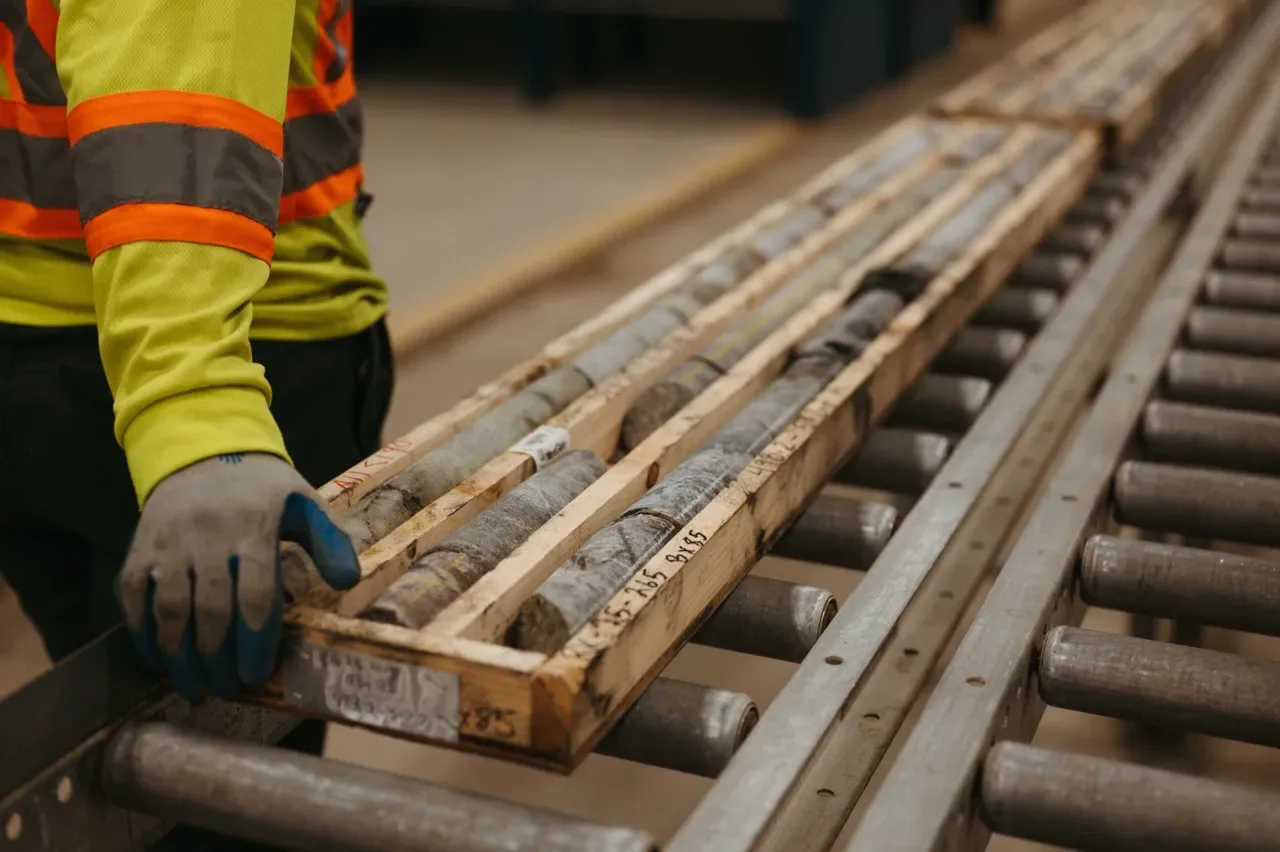
NexGen Energy (TSX: NXE) said on Tuesday 24 November that 15 drill holes grew its high-grade uranium zone at Patterson Corridor East by 15%, to 739 metres of vertical extent. The find lies 3.5 km from Arrow, the deposit where NexGen is building its C$2.2bn Rook I mine in Saskatchewan. One caution comes first: the figures are handheld radiation readings, and laboratory assays are still pending.
Patterson Corridor East after Tuesday's update
- 739 m vertical extent of the high-grade zone, up 95 m or 15% since the 25 August update
- 238 m strike length of the high-grade zone, up 28 m or 13%
- 31,480 m drilled in 47 holes at Patterson Corridor East in 2026, out of a planned 42,000 m
What NexGen found at Patterson Corridor East
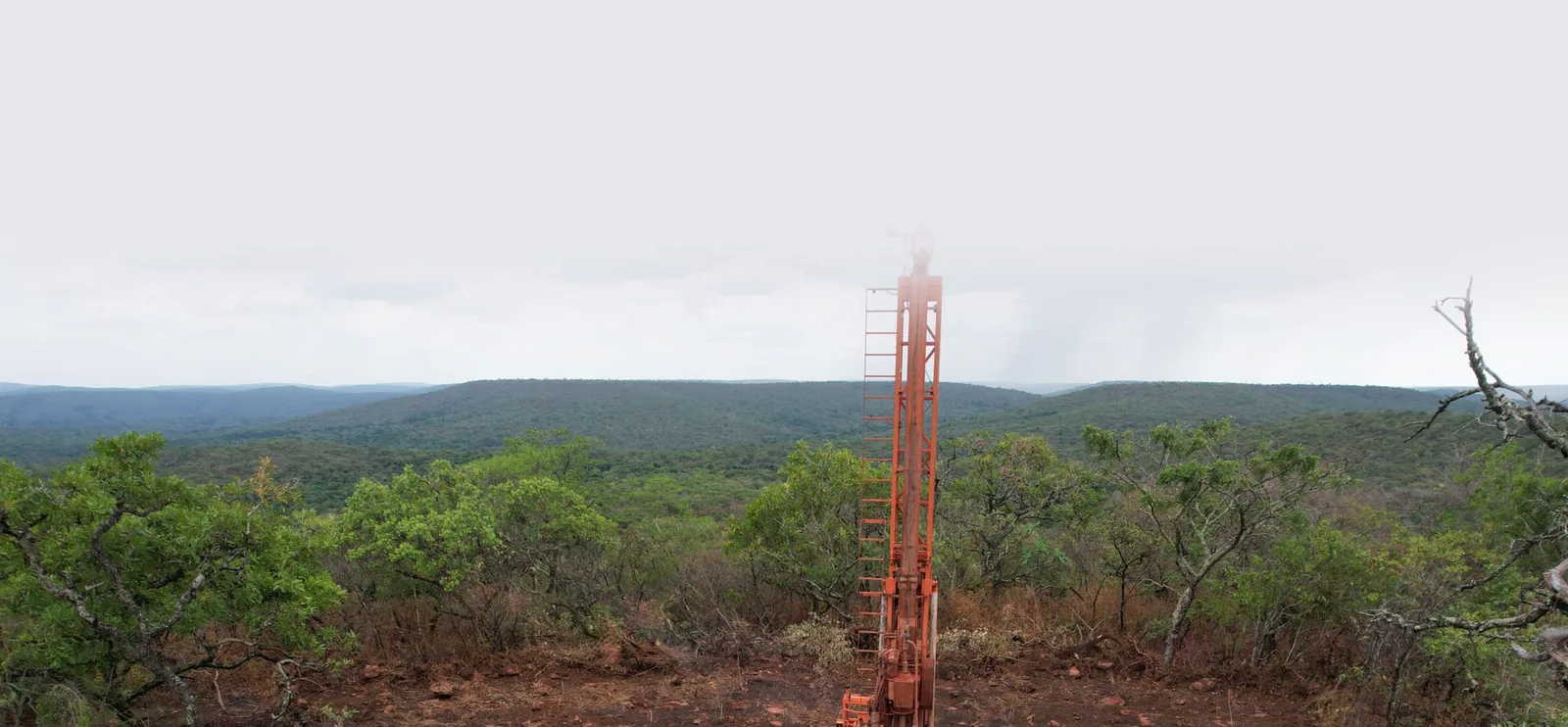
NexGen's 15 new holes pushed the high-grade zone at Patterson Corridor East, known as PCE, deeper and longer, the company said. NexGen, which also trades in New York (NYSE: NXE) and Sydney (ASX: NXG), owns 100% of the discovery in the southwest of Saskatchewan's Athabasca Basin.
One deep hole did most of the work. Hole RK-26-293c1 ran 1,233 metres into the rock and met high-grade readings more than 1,100 metres down. That single result added 95 metres to the zone's height.
Strike length, the distance a deposit runs from end to end, grew by 28 metres to 238 metres.
The high-grade zone is the rich core of a larger mineralised system, which now spans 905 metres vertically and 678 metres along strike, NexGen said.
For scale, the production shaft NexGen is preparing at Arrow will reach 630 metres, its website says. The high-grade zone at PCE is now taller than that shaft will be deep.
NexGen Energy: share price, chart and news
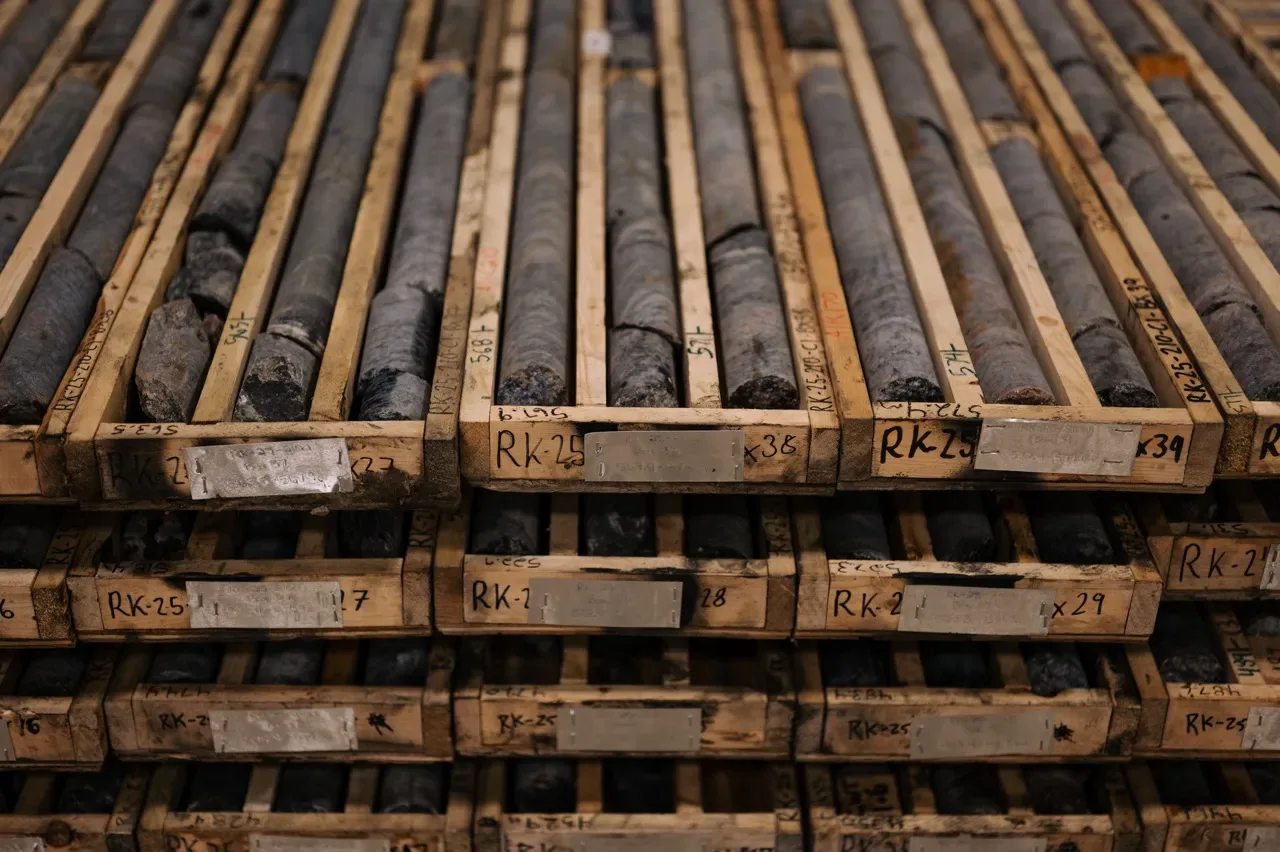
Why the PCE readings are not yet uranium grades
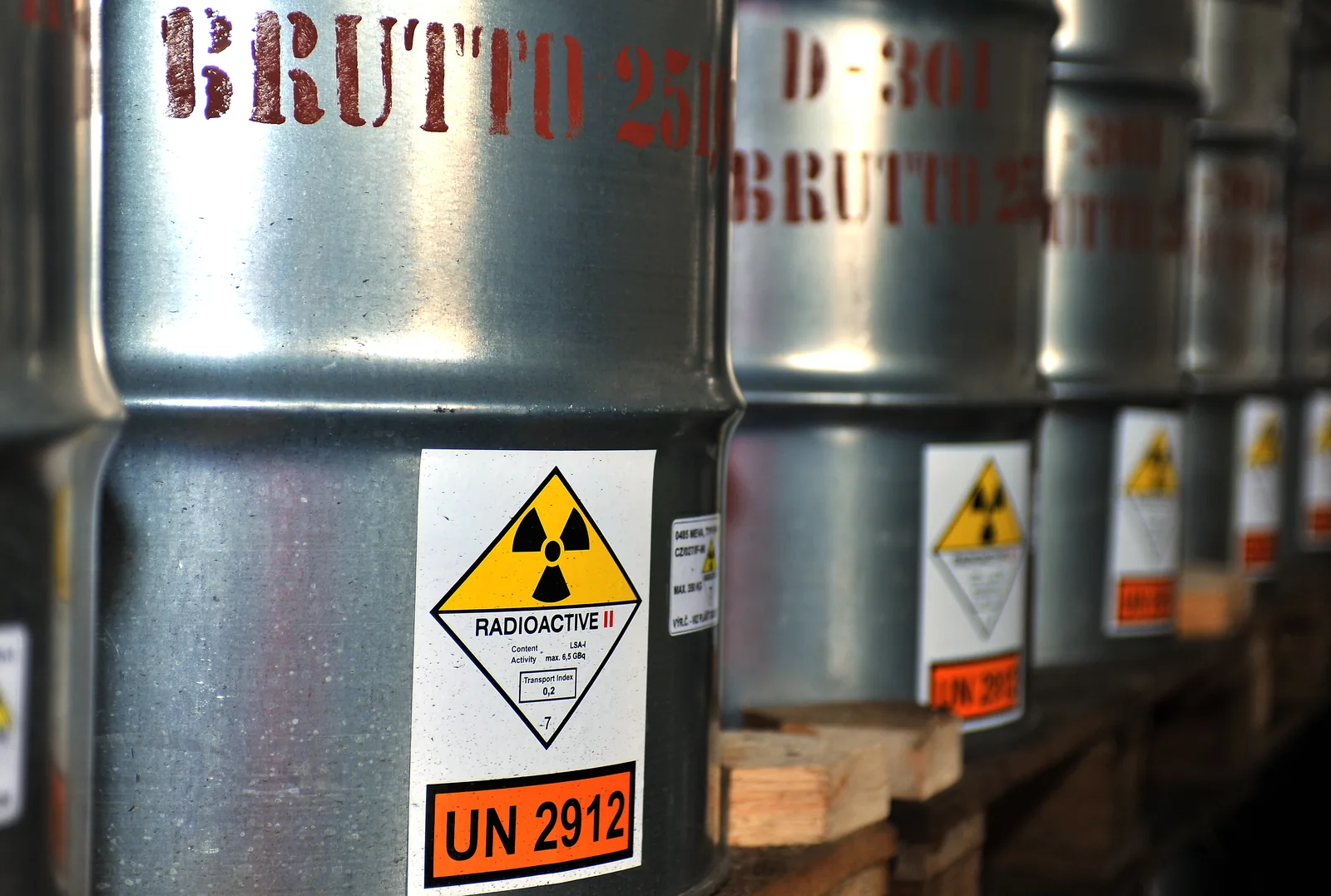
Tuesday's results are radiation readings taken by hand, and no laboratory has yet confirmed how much uranium the rock holds. NexGen measured the drill core with a handheld gamma spectrometer, the RS-125, which records radiation in counts per second, or cps.
NexGen calls anything above 10,000 cps "high-grade" and anything above 61,000 cps "off-scale".
Hole RK-26-300 is the one to remember. Its core read above 10,000 cps for a combined 10 metres. For 1.8 metres of that, a little over 500 metres down the hole, the readings went off-scale.
Two earlier holes, 25 and 29 metres away, already have laboratory results: 9.5 metres at 2.9% uranium oxide and 7.5 metres at 5.3%. Arrow's measured resource averages 4.35%, according to NexGen.
The company's own warning is blunt. Gamma readings "may not be directly or uniformly related to uranium grades of the rock sample measured", the release says. They should be used "only as a preliminary indication of the presence of radioactive minerals".
Three of the 15 holes returned no significant intersections, and true thicknesses are not yet known. Samples go to the Saskatchewan Research Council's laboratory, and assays will follow in batches, NexGen said, without giving dates.
Why a second discovery matters for NexGen and Rook I
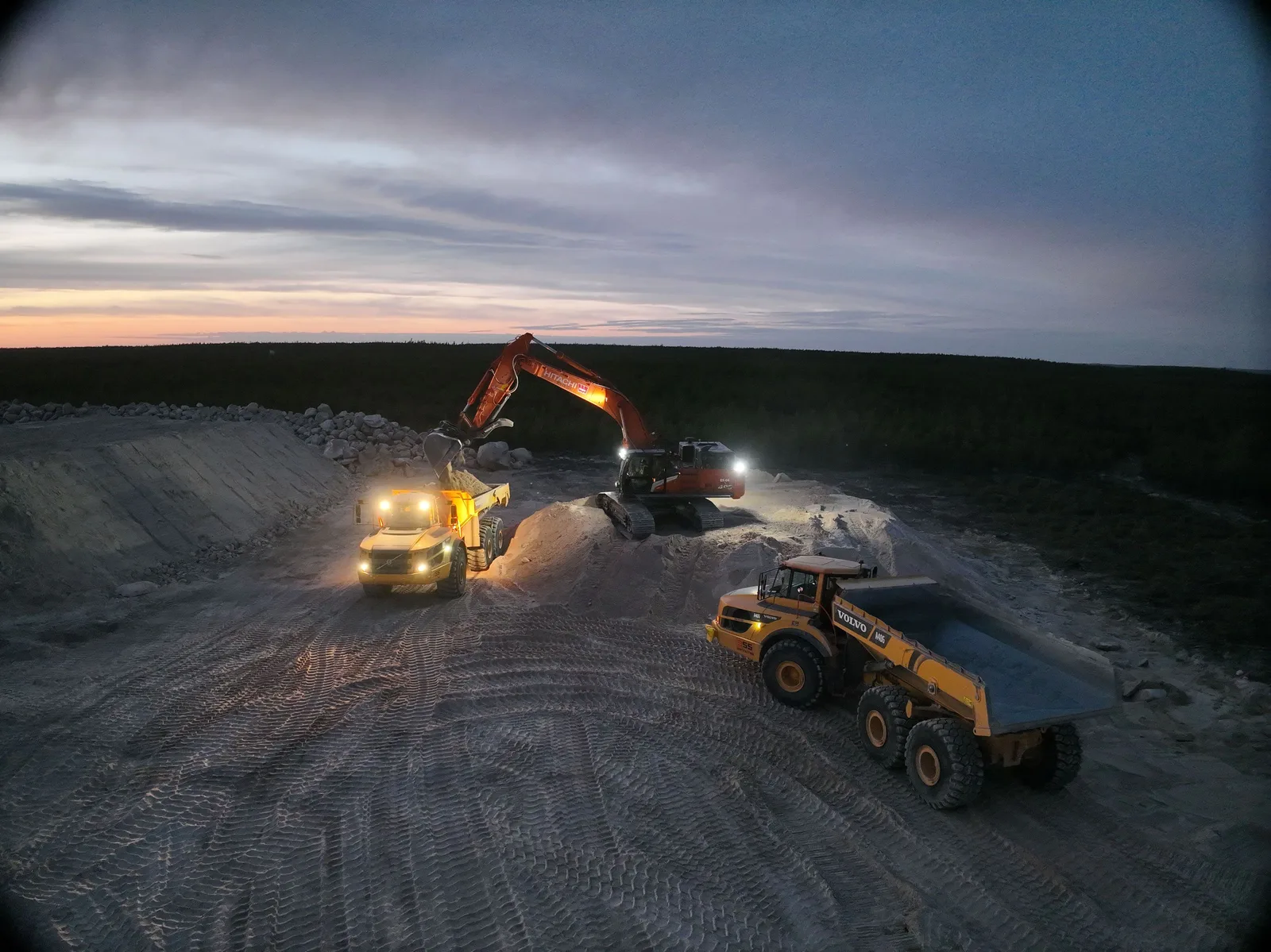
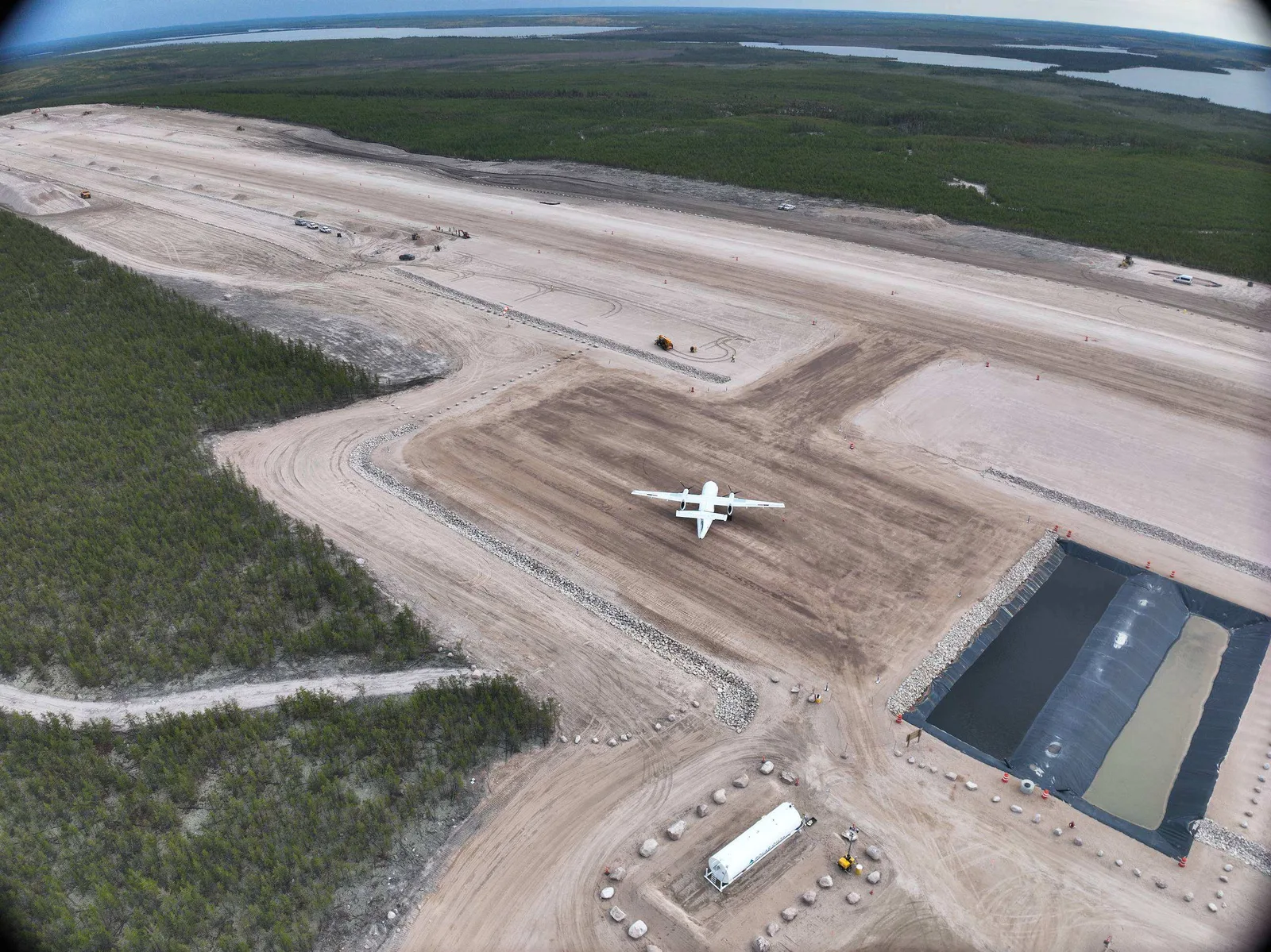
A second deposit matters because NexGen is already building a mine and mill 3.5 km away, planned around Arrow alone. Rook I is permitted to produce up to 30 million pounds of uranium a year, and NexGen's website lists a 24-year mill permit. The 2021 feasibility study behind the project rests on an initial mine life of 10.7 years.
PCE has no resource estimate yet, the formal count of pounds in the ground, and NexGen's website still lists it as a greenfield project. Our profile of NexGen and the Arrow deposit sets out what it owns today.
NexGen found Arrow in February 2014 and PCE in February 2024, ten years apart to the month.
"The high-grade at PCE continues to grow and show strong continuity which are both characteristics of the Arrow Deposit during its development," said Leigh Curyer, the founder and chief executive.
Drilling also competes with construction for cash. NexGen held C$821.6m in cash and short-term investments at 30 September, its third-quarter update on shaft work showed. The filing says it will need more financing to finish Rook I and fund exploration.
How NexGen shares and the uranium price moved on Tuesday
NexGen shares slipped about 1% after the drill results, on a day when uranium funds also fell. Just after midday in Toronto the stock traded near C$9.64, against Monday's close of C$9.74, delayed market data on NexGen's website showed.
Units of the Sprott Physical Uranium Trust (TSX: U.UN), a fund that holds the metal itself, were down about 2% at 12:04 in Toronto, Sprott's website showed.
NexGen closed at a one-year low of C$9.19 on Friday, about half its 52-week high of C$18.91.
The stock then bounced 6% to C$9.74 in Monday's rally in uranium stocks. Tuesday's news did not extend it.
Uranium itself still fetches about US$90 a pound. Sprott's valuation of the trust's 81.7 million pounds works out at US$89.93 each on Monday 23 November.
The trust's units closed on Monday 17% below the value of their assets. On Friday the discount had reached 20%.
What the PCE results mean for investors and what to watch next
For shareholders, Tuesday's update adds promise, not pounds. Only assays and a resource estimate can turn radiation readings into uranium that can be counted.
Dates and milestones to watch
- Early December: the 42,000-metre PCE programme is due to finish, with about 10,500 metres left
- Assays: laboratory results, due in batches with no dates given
- First quarter of 2027: ground freezing and pre-sinking planned for Rook I's two shafts
The next date to watch is early December, when this year's drilling at PCE should end, according to NexGen's third-quarter filing.
What did NexGen Energy announce on 24 November 2026?
NexGen Energy reported 15 more drill holes at Patterson Corridor East on Tuesday 24 November 2026. The high-grade zone grew 15% to 739 metres of vertical extent and 13% to 238 metres along strike.
Are NexGen's Patterson Corridor East results assays?
No. The results published on 24 November 2026 are handheld gamma spectrometer readings, and laboratory assays are still pending. NexGen says such readings are only a preliminary indication of radioactive minerals.
How far is Patterson Corridor East from the Arrow deposit?
Patterson Corridor East is 3.5 km from Arrow, the deposit behind NexGen's Rook I uranium mine in Saskatchewan. NexGen discovered it in February 2024.
Sources
- NexGen Energy: NexGen Grows High-Grade Subdomain Vertically and Along Strike and Further Confirms Strong Continuity of Intense High-Grade Mineralization at Patterson Corridor East (PCE)
- NexGen Energy: NexGen Expands High-Grade Subdomain Vertical Extent by 17% to 644 m and Intersects Continuous Strong Mineralization Across Patterson Corridor East (PCE)
- NexGen Energy: Asset Portfolio: Patterson Corridor East and the Arrow resource
- NexGen Energy: Rook I Project: shafts, permit and Arrow deposit
- NexGen Energy: Management's Discussion and Analysis for the three and nine months ended September 30, 2026
- NexGen Energy: Home page with delayed TSX, NYSE and ASX market data
- Sprott: Sprott Physical Uranium Trust: daily pricing, net asset value and uranium held