NexGen Energy has awarded the contract to sink the shafts at its Rook I uranium project in Saskatchewan and began shaft preparation work on 28 September. Third-quarter accounts filed on 9 November show C$821.6 million of cash and short-term investments, but the company says it will still need further financing to complete construction.
Shaft work starts on the critical path
NexGen, listed in Toronto and New York under NXE and on the ASX under NXG, began licensed construction at Rook I on 8 June 2026. That followed the Canadian Nuclear Safety Commission's approval of the environmental assessment in March and its licence to prepare the site and construct. A groundbreaking ceremony for major construction was held on 13 August.
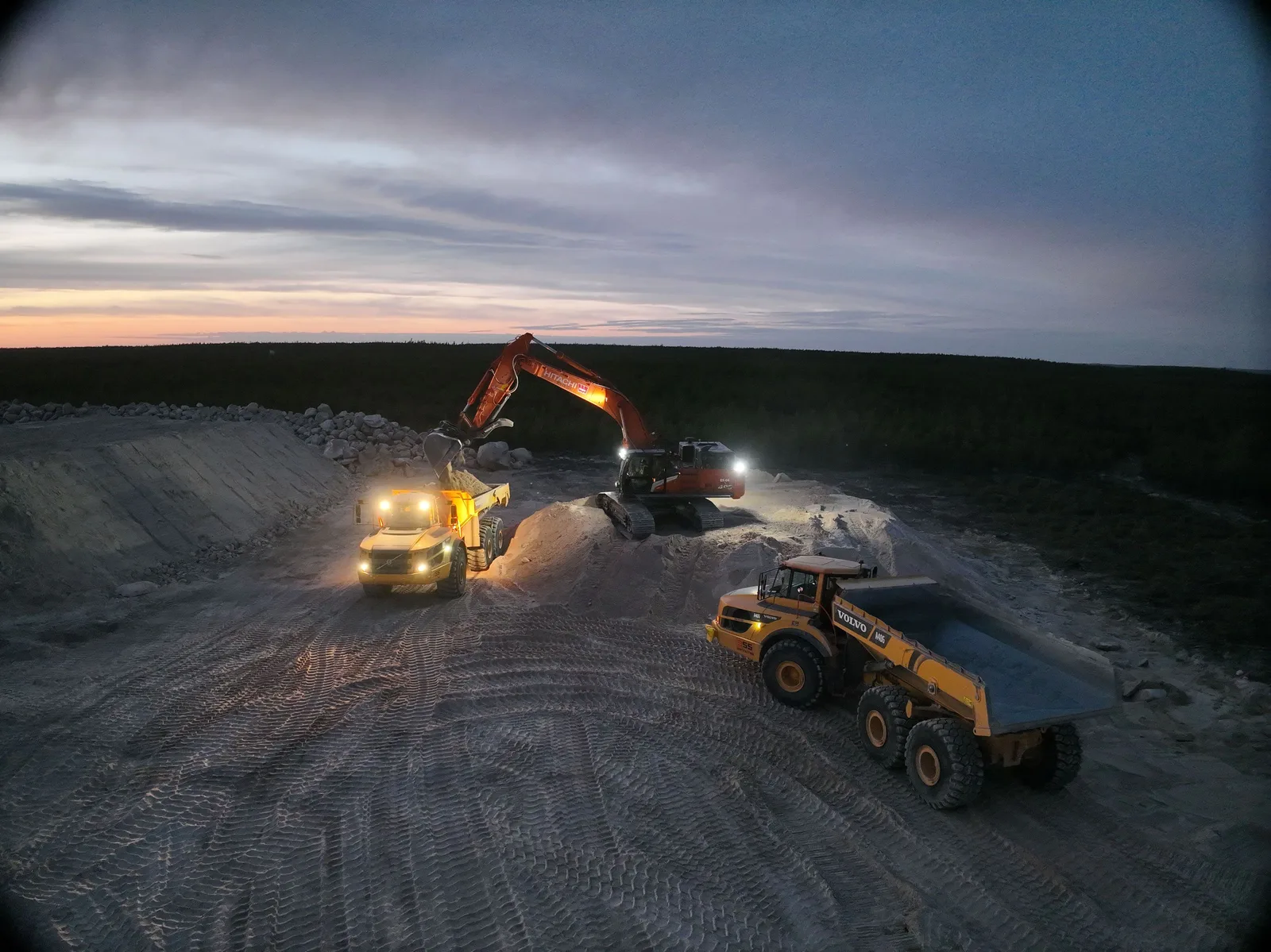
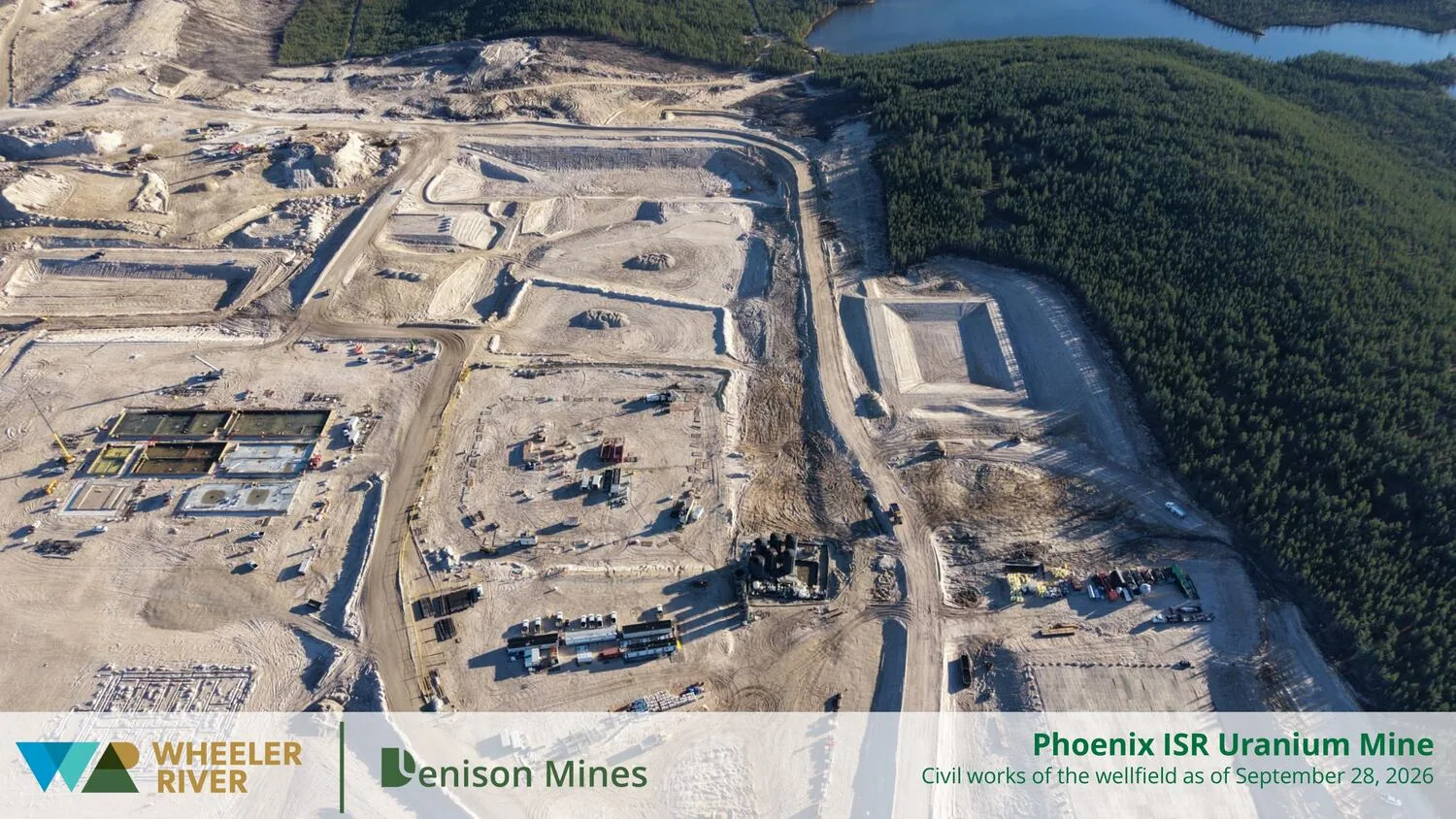
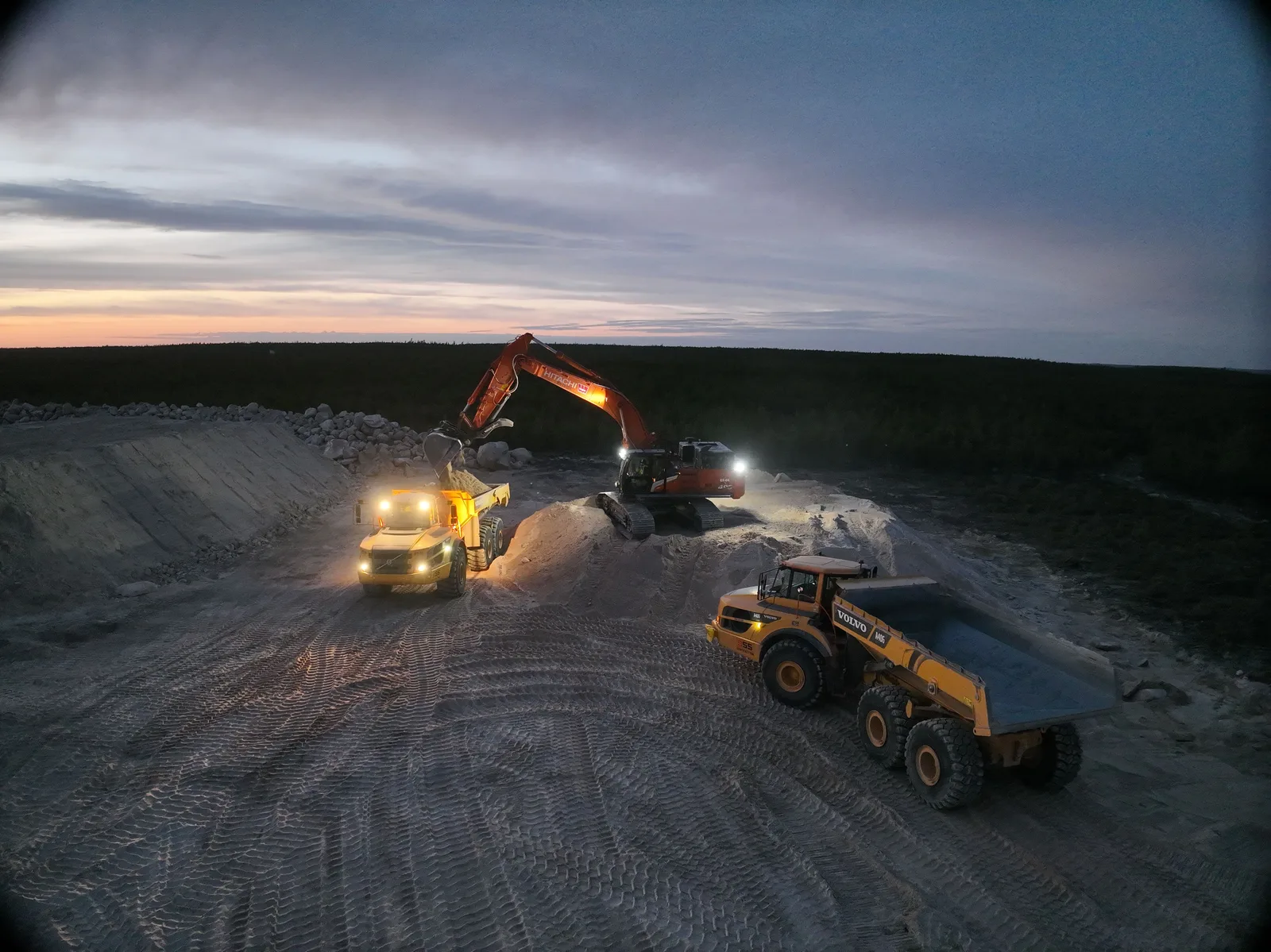
The main event of the third quarter came on 11 September, when NexGen awarded the shaft-sinking contract after a competitive tender and commercial negotiations. The company said the award allowed final detailed engineering to be completed, and shaft preparation construction began on 28 September. It describes the project as materially on schedule, on budget and to scope.
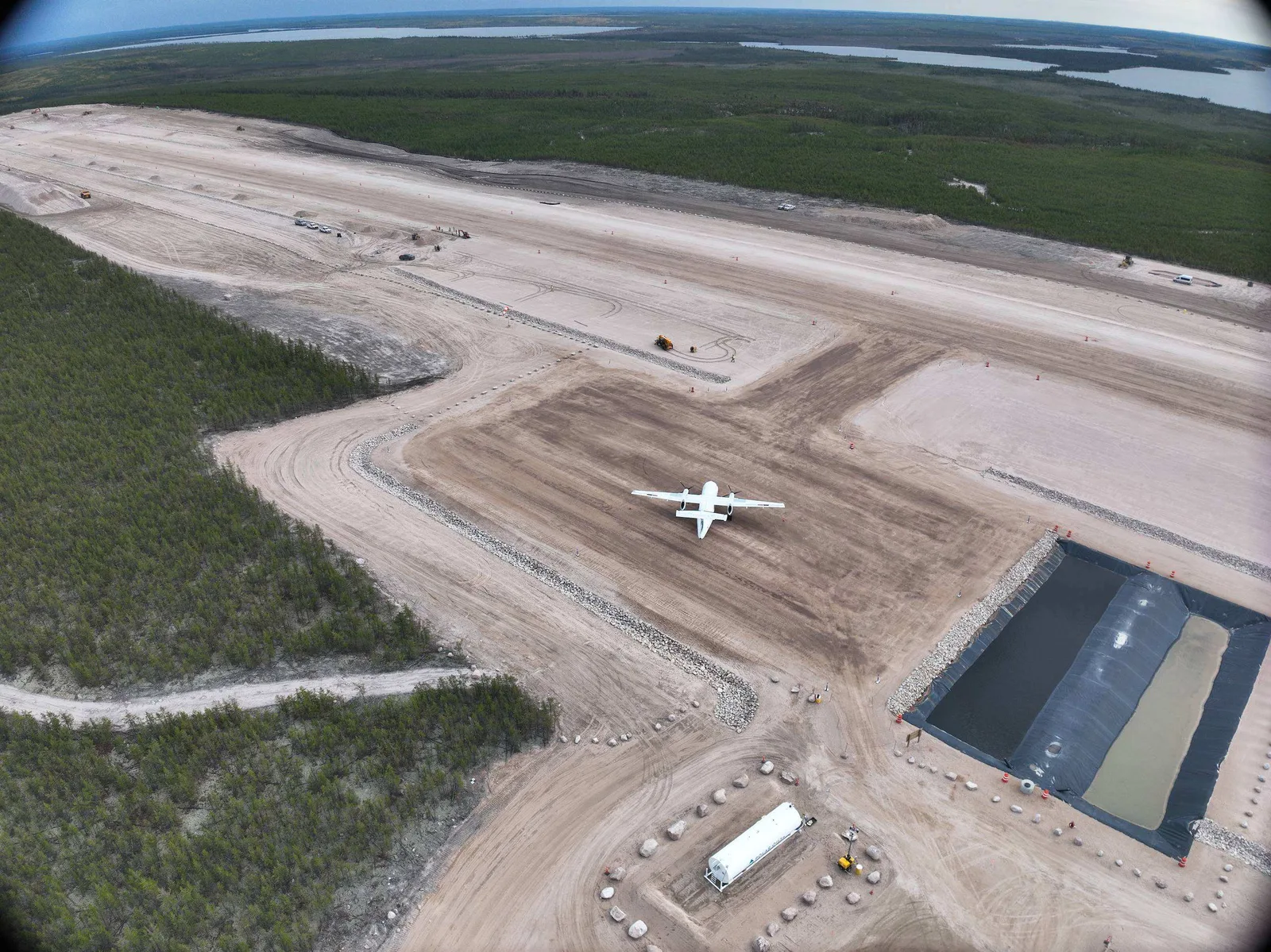
In the fourth quarter the company is preparing the ground around the production and exhaust shafts so that temporary freezing and pre-sinking can start in the first quarter of 2027. It is also awarding more contracts, including civil works, concrete and power generation, and extending the airstrip runway to 5,840 feet.
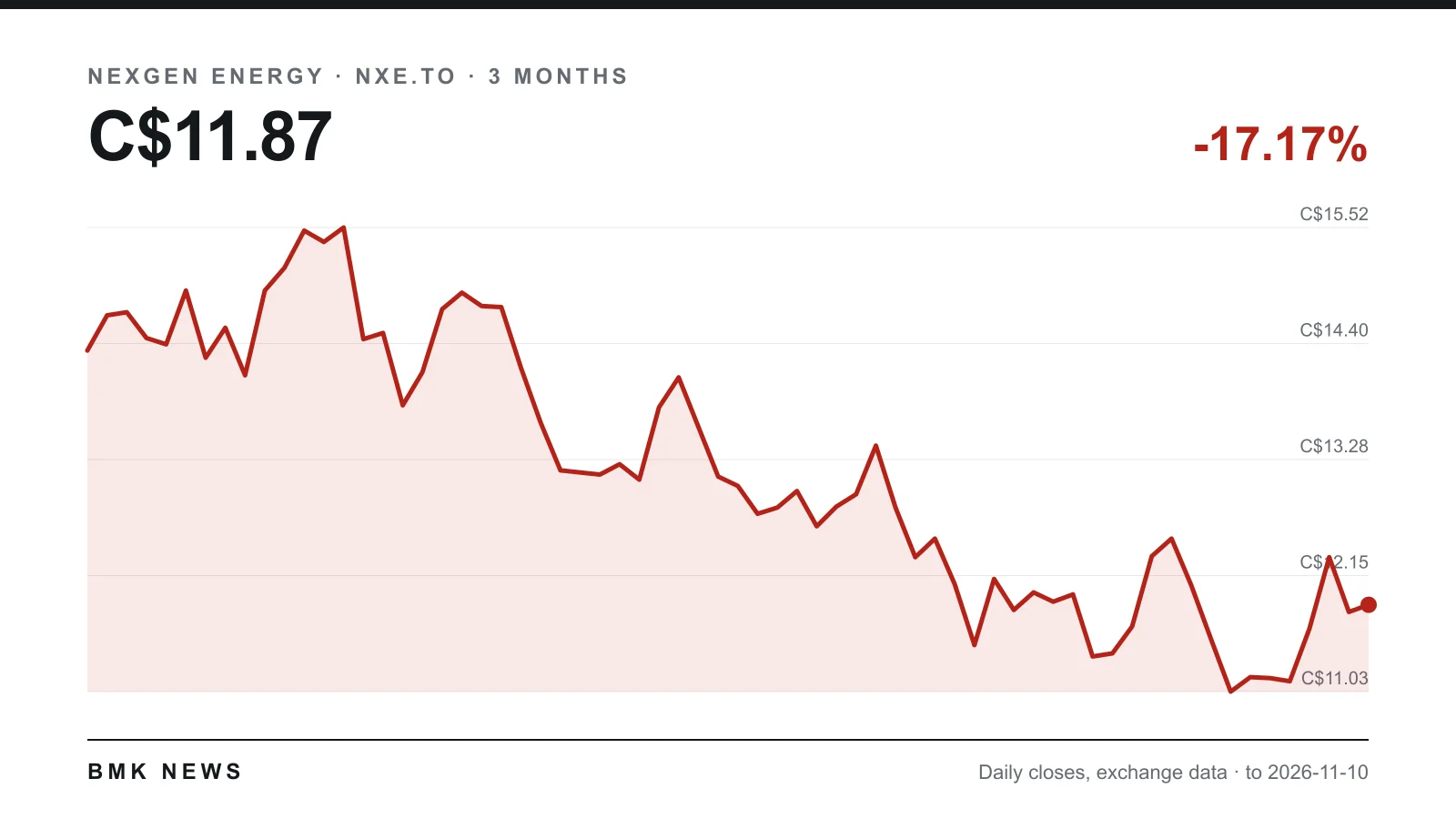
NexGen Energy: share price, chart and news
NexGen at 30 September 2026
- C$821.6m cash and short-term investments
- 2.7m lb of uranium held in strategic inventory, at a cost of C$341.2m
- C$22.3m third-quarter net loss
A smaller loss, mostly from accounting moves
The net loss narrowed to C$22.3 million, or C$0.03 a share, from C$129.2 million a year earlier. Most of the improvement came from a C$25.6 million non-cash gain on revaluing the company's convertible debentures, compared with a C$95.2 million loss on the same line a year before. Share-based payments rose to C$30.1 million from C$11.1 million as more options vested, and office, administration and travel costs almost doubled to C$10.5 million as the project team grew. The nine-month loss was C$103.8 million.
NexGen has no revenue other than interest on its cash. Cash fell by C$235.4 million in the first nine months of 2026, including C$159.5 million spent on Rook I engineering, procurement and construction and C$99.8 million on exploration and pre-licence development work.
Debentures turn into shares
The US$110 million of 2023 convertible debentures held by Queen's Road Capital and Washington H. Soul Pattinson have now been fully converted into shares. A holder converted US$40 million on 15 September for 5,917,159 shares plus 29,844 shares for interest. The remaining US$70 million converted on 22 October for 10,355,029 shares plus 86,899 shares for interest.
The conversions removed debt but added shares: NexGen had 688,034,761 shares outstanding on 9 November. US$250 million of 2024 debentures, issued to MMCap in exchange for the 2.7 million pounds of uranium, remain outstanding.
Paying for the peak years
The construction budget was last updated in an internal trend report in August 2024, which raised estimated pre-production capital to about C$2.2 billion from C$1.3 billion in the 2021 feasibility study. NexGen's filing states that it will continue to require additional financing to complete construction.
On the conference call on 10 November, chief executive Leigh Curyer said cash and short-term investments fund the company to the end of the third quarter of 2027. He said new funding was likely to combine strategic financing, prepayments and project finance, with timing not yet decided, and that the uranium inventory would not be sold to fund the build. Asked whether an analyst's estimate of about C$600 million of spending in 2027 was the right way to think about it, he said yes and confirmed 2027 as the expected peak year.
What to watch
Next milestones
- The 42,000-metre drill programme at Patterson Corridor East, 28,712 metres complete at 30 September, is due to finish in early December.
- Temporary freezing and pre-sinking at the shafts are planned for the first quarter of 2027.
- Any financing deal, whether strategic investment, uranium prepayments or project debt, and its effect on existing shareholders.
The risks are those of a large mine build without revenue: cost inflation against a budget not formally revised since 2024, the size of the remaining funding need, possible dilution from new equity or the outstanding debentures, and the uranium price.