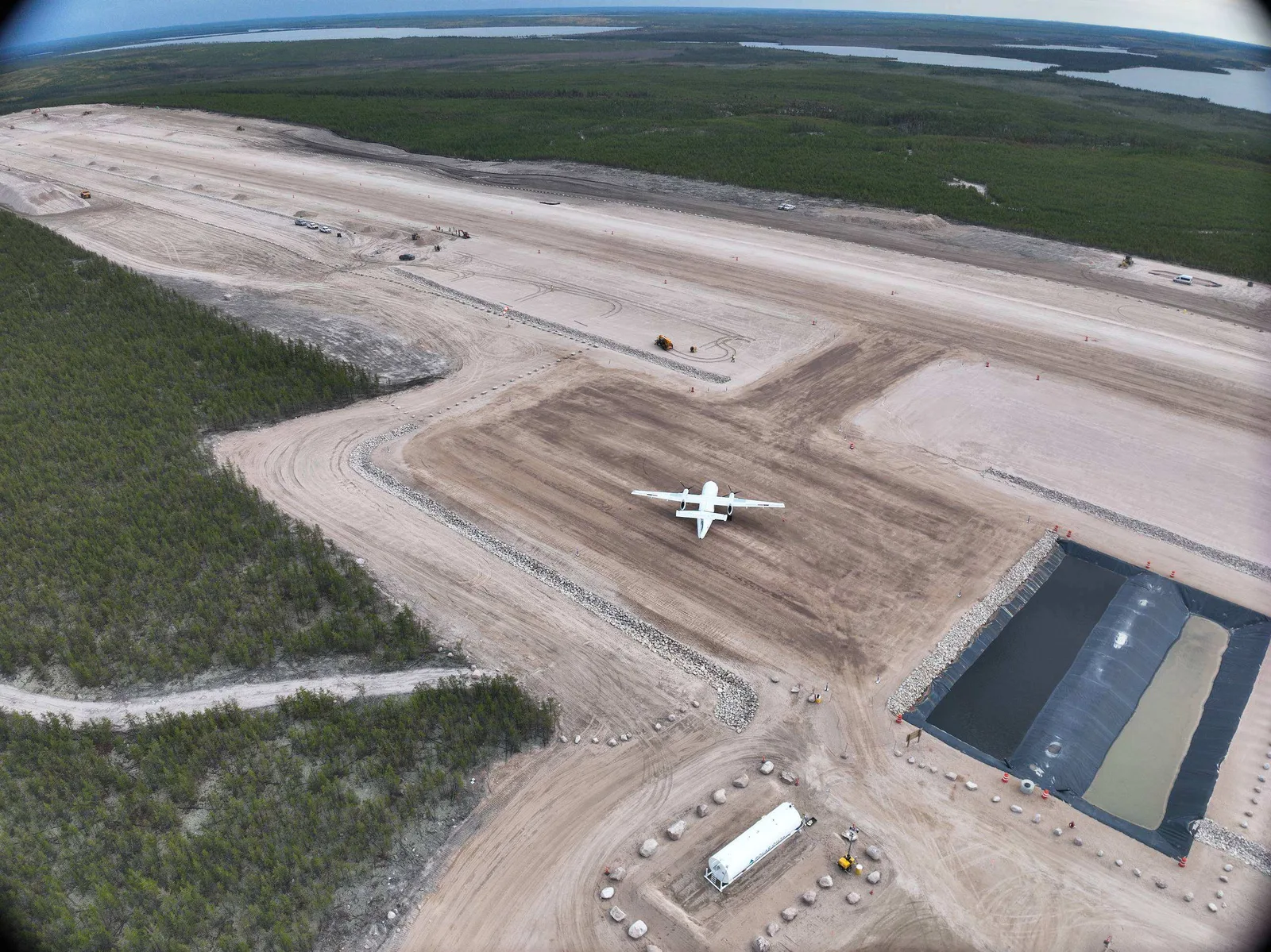
NexGen Energy shares fell 7.6% on Friday 20 November to close at C$9.19 in Toronto, a 52-week low that leaves the stock 22.1% down in eight trading days and 51% below its 52-week high of C$18.91. Nothing has gone wrong at Rook I: NexGen's latest filing says the C$2.2bn Saskatchewan uranium mine is on schedule and on budget. The selling has hit the whole uranium group, and NexGen still has to raise money to finish the build.
NexGen Energy after a hard fortnight
- C$9.19 Friday's close on the TSX, down 11.8% in two sessions
- C$6.3bn market value at that price, on 688 million shares
- C$821.6m cash and short-term investments at 30 September
How far NexGen shares have fallen since the third quarter
The stock closed at C$11.80 on Tuesday 10 November, just after NexGen's third-quarter update on shaft work and cash. It has fallen in seven of the eight sessions since: 4.6% on Thursday, another 7.6% on Friday. Friday's 3.75 million shares traded was close to double the three-month average of about 1.9 million a day, based on StockAnalysis data.
NexGen Energy: share price, chart and news
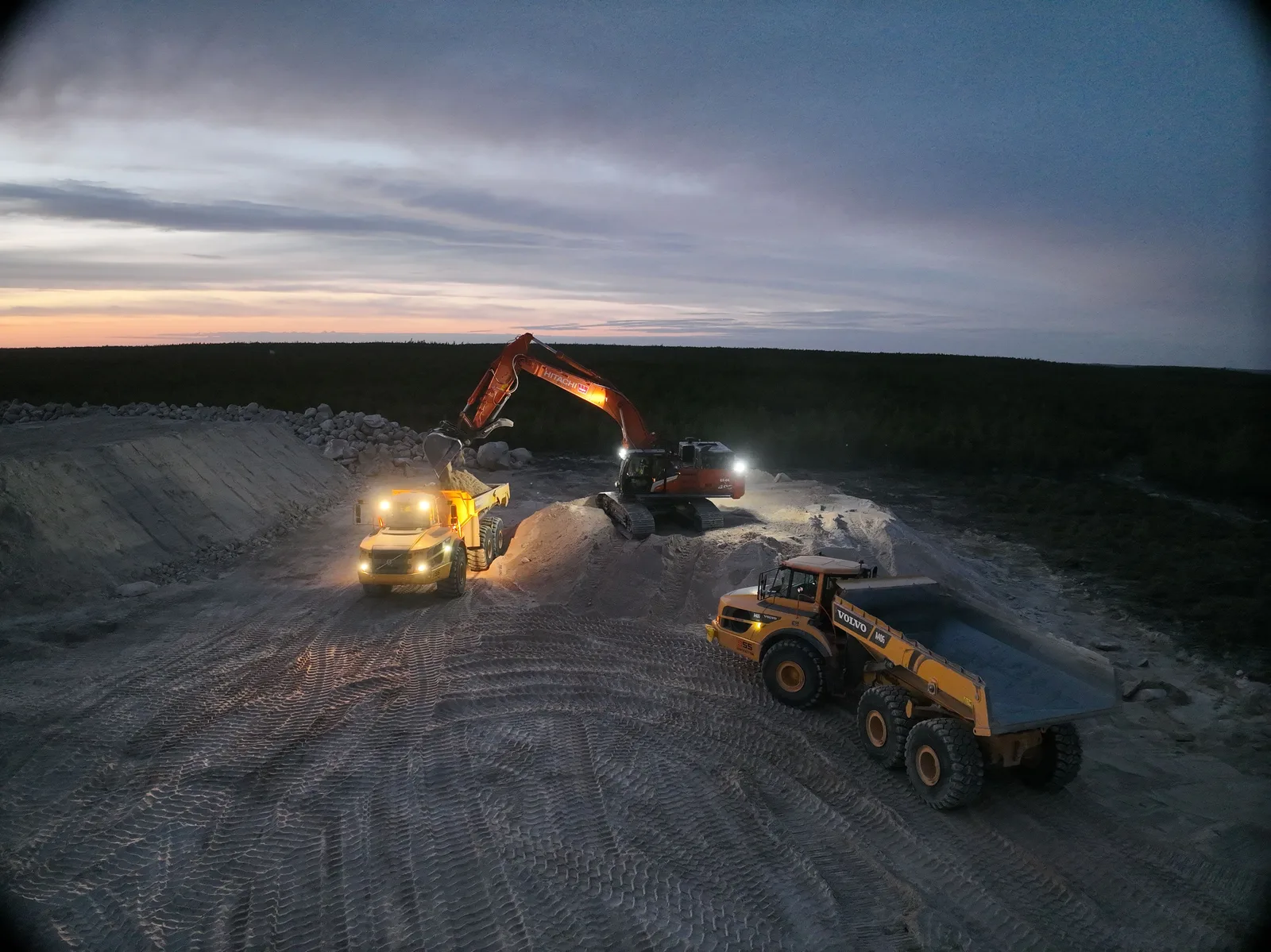
Rook I's C$2.2bn budget and schedule still hold
NexGen's third-quarter filing, dated 9 November, says licensed construction began on 8 June. The shaft-sinking contract was awarded on 11 September and shaft preparation started on 28 September. Ground freezing and pre-sinking of the production and exhaust shafts are due in the first quarter of 2027.
The C$2.2bn pre-production cost is not new. An internal update in August 2024 lifted the 2021 feasibility study's C$1.3bn by about C$310m for inflation and C$590m for extra work found in engineering and procurement. The company says the project is progressing "materially on schedule, budget and to scope". Our profile explains how Rook I and the Arrow deposit work.
The bear and bull case for NexGen shares at C$9.19
NexGen held C$567.2m in cash and C$254.4m in short-term investments at 30 September. In the first nine months it spent C$159.5m on Rook I development and C$99.8m on exploration. The filing says NexGen "will continue to require additional financing to fund construction of the Rook I Project to completion".
At C$9.19, every dollar of new equity costs roughly twice as many shares as it would have at the 52-week high.
Holders of US$110m of 2023 convertible debentures (bonds that can turn into shares) converted in September and October, adding about 16.4 million shares. There are also 45,985,100 options, equal to 6.7% of the shares. MMCap still holds US$250m of 2024 debentures, convertible at US$10.73 into up to 23,299,161 shares and due on 29 May 2029. They pay 9% a year, a third of it in shares. From May 2027 NexGen can redeem them early, but only if its New York share price averages more than 130% of the conversion price, about US$13.95, over 20 days.
The bull case starts with NexGen's own numbers. The August 2024 cost update gave an illustrative after-tax net present value (future cash flows discounted at 8% a year) of C$5.84bn at US$90 a pound uranium and C$6.79bn at US$100. Cameco's published price series put uranium spot at US$91.55 a pound and the long-term contract price at US$98 at the end of October.
NexGen's market value of about C$6.3bn, on 688,034,761 shares, lands inside that range, before counting its cash, 2.7 million pounds of uranium held at a cost of C$341.2m, a 27.8% stake in IsoEnergy and the Patterson Corridor East discovery. The caveats: the NPV is in 2023 dollars, assumes the build gets funded, and NexGen says its sensitivities are not uranium price forecasts.
Why uranium stocks fell with no bad project news
Cameco had already dropped 10% in a day after narrowing its 2026 output range in October.
| Company | Close 10 Nov | Close 20 Nov | Change |
|---|---|---|---|
| NexGen Energy (TSX) | C$11.80 | C$9.19 | -22.1% |
| Cameco (TSX) | C$103.43 | C$83.11 | -19.6% |
| Denison Mines (TSX) | C$3.14 | C$2.41 | -23.2% |
| enCore Energy (Nasdaq) | US$0.63 | US$0.45 | -28.6% |
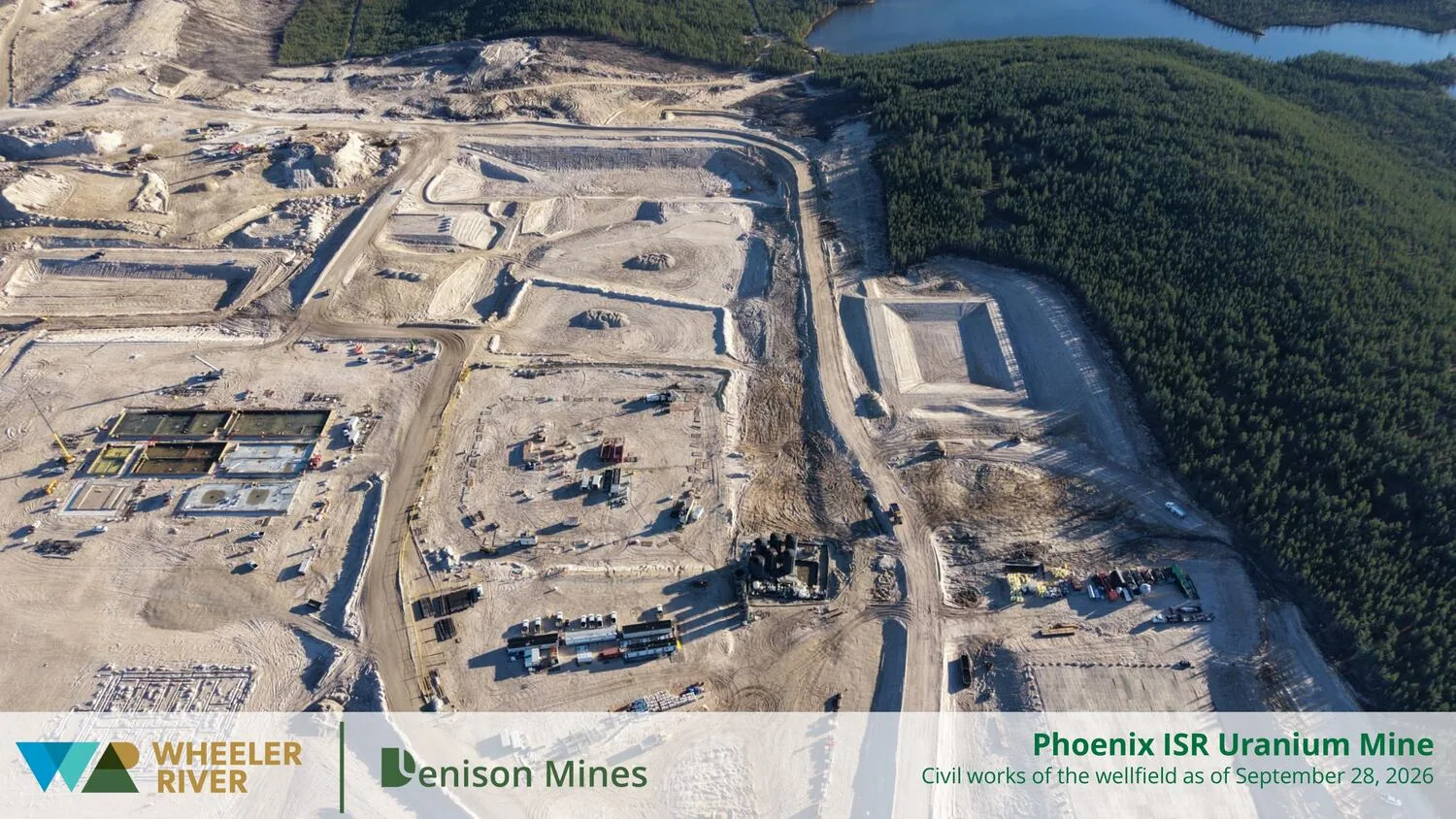
Cameco is a producer; Denison, whose Phoenix mine was 24% complete at its last update, is a builder like NexGen. Both fell by about a fifth, which looks like money leaving the whole group rather than a verdict on one mine.
Where the sharper cash squeeze sits: enCore Energy
- US$5.1m unrestricted cash at 30 September, plus US$33.6m of marketable securities
- US$47.4m cash used in operations in the first nine months of 2026
- US$87.22 a pound average cost of uranium sold in the third quarter, against a realised price of US$83.46
enCore, a Texas producer listed on the TSX Venture Exchange and Nasdaq, paid more for the uranium it sold than it received, because most of it was bought in: 560,000 of the 685,000 pounds sold in nine months. It won final wellfield approval at Upper Spring Creek on 19 November and expects extraction to start in early December.
What to watch next at NexGen
In the fourth quarter NexGen plans to sign more major construction contracts, including civil works, concrete and power generation. The 42,000-metre Patterson Corridor East drill programme should finish in early December, and shaft freezing in the first quarter of 2027 is the next hard milestone. The open question is how the rest of the build is financed, and at what share price.
Why did NexGen Energy stock fall this week?
NexGen fell 4.6% on Thursday 19 November and 7.6% on Friday 20 November, closing at C$9.19, as uranium shares sold off across the group.
Is NexGen's Rook I mine still on budget?
Yes. NexGen's filing dated 9 November 2026 says Rook I is materially on schedule and on its C$2.2bn pre-production budget.
Does NexGen need to raise more money to build Rook I?
Yes. NexGen says it needs additional financing to complete Rook I; it held C$821.6m in cash and short-term investments at 30 September 2026.
Sources
- NexGen Energy: Third-quarter 2026 Management's Discussion and Analysis
- StockAnalysis: NexGen Energy (TSX:NXE) price history
- StockAnalysis: Cameco (TSX:CCO) price history
- StockAnalysis: Denison Mines (TSX:DML) price history
- StockAnalysis: enCore Energy (Nasdaq:EU) price history
- enCore Energy: Third Quarter 2026 Financial and Operating Results
- enCore Energy: Final Wellfield Authorization at Upper Spring Creek
- Cameco: Uranium price