Many of the small companies that European investors come across, from junior miners to early-stage technology groups, trade in the US on the OTCQB Venture Market rather than on a stock exchange. Plenty of them say they want to move up to Nasdaq. The two rulebooks show how big that step is.
The difference is not just a matter of prestige. The OTCQB is a market run by OTC Markets Group for development-stage companies, and its entry rules are light. Nasdaq is a national securities exchange with financial, liquidity and governance tests that a company must pass before its shares can list, and keep passing afterwards. Knowing what each one demands helps explain why some companies stay on the OTCQB for years, why an uplisting is treated as a milestone, and why reverse stock splits keep appearing in company announcements.
What It Takes to Trade on the OTCQB
OTC Markets describes the OTCQB as a market for entrepreneurial and development-stage US and international companies. Its current rules, version 5.0, set out a short list of entry tests:
- Reporting: the company must be current in its reporting. That can mean filing with the SEC, or, for a foreign company, being exempt from SEC registration and listed on a qualified foreign exchange, such as a home-market stock exchange.
- Bid price: the shares must have a bid of at least $0.01 at the close of business on each of the 30 consecutive calendar days before admission.
- Public float: at least 10 percent of the shares in that class must be freely tradable and not held by insiders.
- Shareholders: there must be at least 50 beneficial holders, each owning at least 100 shares.
- Audit: annual accounts must be audited with an opinion that is not adverse, disclaimed or qualified.
- Solvency: the company cannot be in bankruptcy or reorganisation proceedings.
US and Canadian companies must also use a transfer agent that reports share data to OTC Markets through its verified shares programme.
Staying on the market is mostly about keeping disclosure up to date. Companies must verify their company profile at least once every six months, publish an annual management certification (foreign companies using the SEC exemption certify that instead), keep audited accounts no more than 18 months old and pay an annual fee.
OTCQB entry tests
- $0.01 minimum bid on each of the 30 days before admission
- 10% of shares in free public hands
- 50 beneficial holders with at least 100 shares each
How Companies Lose OTCQB Status
The OTCQB rules come with cure periods rather than instant removal for most problems. A company that misses a continued requirement generally gets 30 calendar days to fix it, or 45 days if it is late with its periodic reports.
If the bid price drops below one cent, the company has 90 calendar days to recover, and must hold a closing bid of at least $0.01 for 10 consecutive trading days to do so. A float that falls below 10 percent also gets 90 days. Two triggers mean immediate removal: a closing bid below $0.001 for five consecutive trading days, and no priced quotes from market makers for four consecutive trading days.
OTC Markets also runs a separate premium tier, OTCQX, which has its own rulebook and is not covered here.
The Nasdaq Capital Market Bar
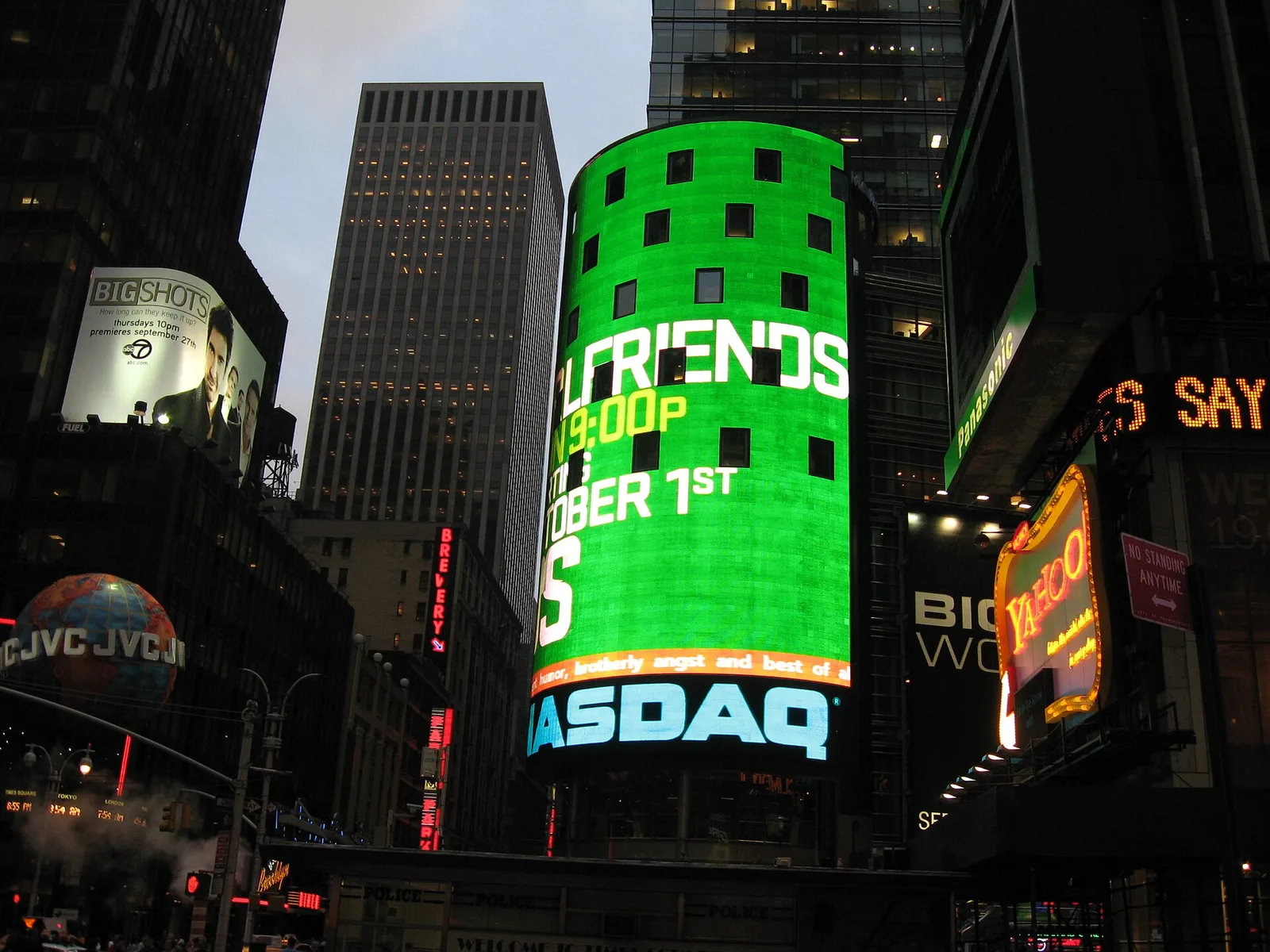
Nasdaq has three tiers. The Nasdaq Capital Market is the entry level and the usual target for a company moving up from the OTC. According to Nasdaq's Initial Listing Guide dated November 2026, a company must meet every test under at least one of three standards.
| Requirement | Equity standard | Market value standard | Net income standard |
|---|---|---|---|
| Stockholders' equity | $5 million | $4 million | $4 million |
| Market value of free-trading public shares | $15 million | $15 million | $15 million |
| Operating history | 2 years | none | none |
| Market value of listed securities | none | $50 million | none |
| Net income from continuing operations | none | none | $750,000 |
| Free-trading public shares | 1 million | 1 million | 1 million |
| Round-lot holders | 300 | 300 | 300 |
| Market makers | 3 | 3 | 3 |
| Bid price | $4 | $4 | $4 |
Nasdaq adds a quality test to the holder count: at least half of the required round-lot holders must each own free-trading shares worth at least $2,500. Shares subject to resale restrictions do not count towards any of the public-share tests. A company that is already trading and relies only on the market value standard must show $75 million of listed market value and a $4 bid for 90 consecutive trading days before it applies.
The higher tiers ask for more. The Nasdaq Global Select Market, the most demanding tier, also requires a $4 bid, plus 450 round-lot holders or 2,200 total shareholders, and 1.25 million free-trading public shares.
There is also a cost. Entry fees on the Capital Market are $50,000 for companies with up to 15 million shares outstanding and $75,000 above that, each including a $5,000 application fee. Annual fees, effective from 1 January 2026, run from $56,000 for up to 10 million shares to $86,500 for more than 50 million.
The Extra Hurdle for OTC Companies
A company whose shares already trade over the counter faces one more test. In the 30 trading days before listing, its stock must average daily volume of at least 2,000 shares, with trades on more than half of those days. The only way around it is to list together with a firm-commitment underwritten public offering of at least $15 million, in which case the company must meet the $15 million public-share value test from the offering proceeds alone.
Set side by side, the gap between the two markets is wide.
OTCQB versus Nasdaq Capital Market
- Minimum bid at entry: $0.01 versus $4
- Holders: 50 owning 100 shares or more versus 300 round-lot holders, half with $2,500 or more
- Free float: 10 percent of shares versus $15 million of public shares
- Financial tests: audited accounts only versus equity of $4 million to $5 million plus income, value or history tests
- Trading: market maker quotes versus three market makers and, for OTC stocks, 2,000 shares a day
Why the $1 Rule Leads to Reverse Splits
Listing is only half of the test. Once on Nasdaq, a company must keep its bid price at $1.00 or more to stay listed. For small companies whose shares slide well below that level, the usual fix is a reverse stock split, which combines several existing shares into one and lifts the price per share without changing the company's total value.
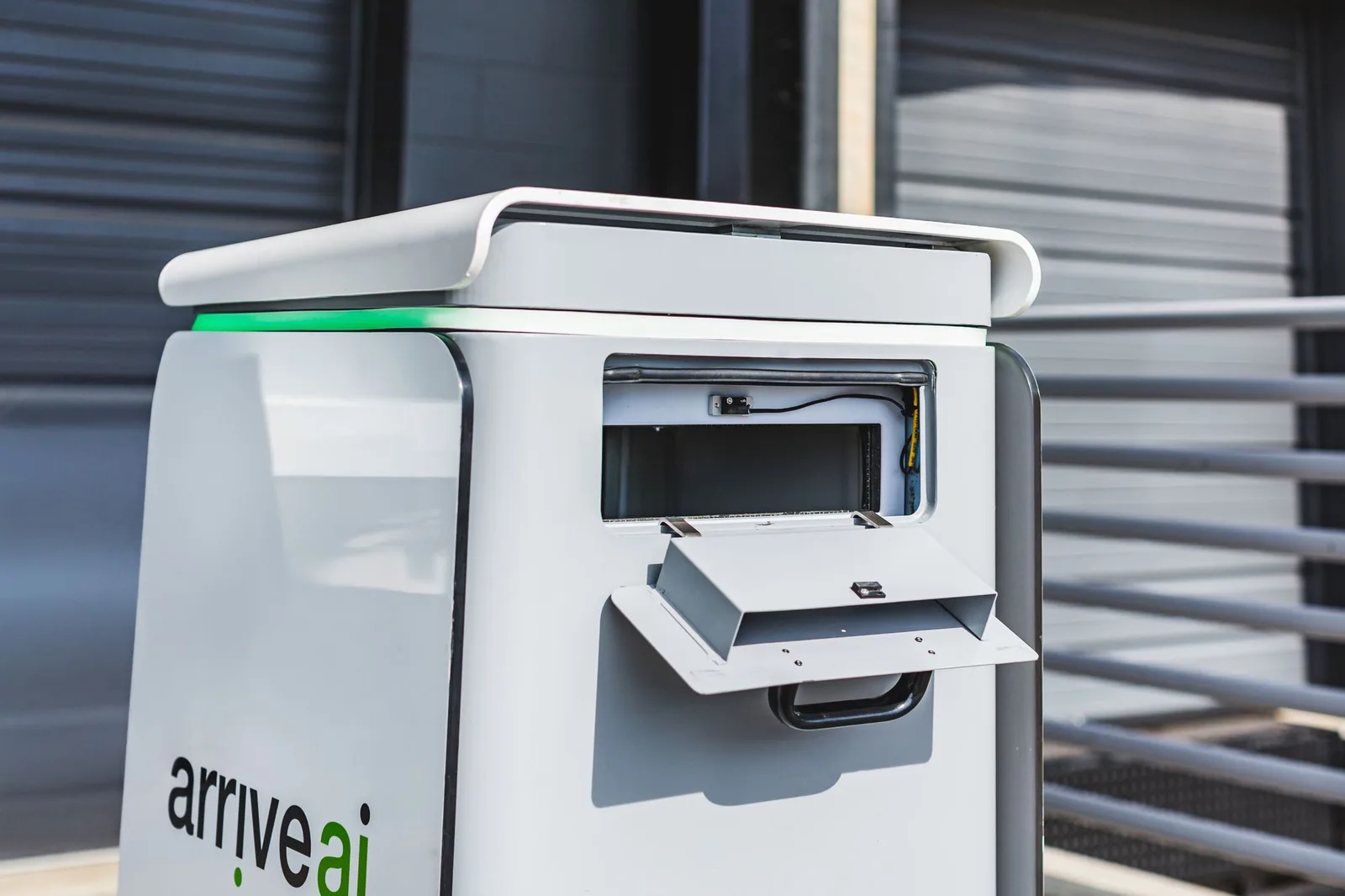
Arrive AI, a Nasdaq Capital Market company that trades as ARAI, is the latest example. Its 1-for-48 reverse split took effect at 12:01 a.m. New York time today, 12 November, and the shares are due to trade on a split-adjusted basis from today's open. The company said the aim was to regain compliance with the $1.00 minimum bid rule. Its share count falls from about 68.8 million to about 1.4 million.
A reverse split does not change what a shareholder owns as a share of the company: 48 old shares become one new one at, in theory, 48 times the price. In practice, how the shares trade after a split depends on the business and on whether the company needs to raise more money.
For investors, the comparison is a reminder that a ticker on a US screen says little by itself. An OTCQB company can be a well-run business listed at home that has chosen a light US route. It can also be a company that would not yet meet any exchange's tests. The rulebook it trades under tells you which checks it has already passed.