Samsung Electronics estimated on Thursday that its operating profit reached about 107 trillion won, or roughly $80 billion, in the third quarter, the first time any South Korean company has earned more than 100 trillion won in three months. Demand for memory chips used in artificial intelligence data centres drove almost all of it.
The preliminary figure is up about 782 percent from roughly 12 trillion won a year earlier, close to a ninefold increase. Revenue rose by nearly 127 percent to about 195 trillion won. It was Samsung's fourth record quarter in a row, following about 89.5 trillion won in the second quarter.
Yet the shares fell 0.7 percent in Seoul on Thursday morning. For a stock that has been priced for ever-rising memory prices, a result that only matched forecasts was not enough.
A Quarter Bigger Than Four Years
The scale of the turnaround is hard to overstate. A single quarter's profit is close to 2.5 times what Samsung earned in the whole of 2025, about 44 trillion won, and roughly equal to its combined operating profit for 2022 to 2025. Over the first nine months of 2026 the company has earned about 254 trillion won.
| Period | Operating profit (trillion won) |
|---|---|
| Full year 2025 | about 44 |
| Q3 2025 | about 12 |
| Q2 2026 | about 89.5 |
| Q3 2026 (preliminary) | about 107 |
| First nine months of 2026 | about 254 |
Samsung is usually the first of the big chipmakers to report each quarter, publishing preliminary sales and profit figures within days of the quarter's end, which makes its numbers an early gauge for the whole memory industry.
The result came in slightly above the LSEG SmartEstimate of about 106 trillion won, a forecast that gives more weight to analysts who have been more accurate and have updated more recently.

Chips Carry the Group
Samsung does not break down its preliminary figures by division, and the full results are due later in October. Industry estimates, however, suggest the semiconductor business earned an operating profit similar to, or slightly above, the group's total.
That implies the rest of the company lost money. Consumer electronics and mobile phones are estimated to have lost about 2 trillion won between them, with the mobile and networks business alone accounting for losses of more than 1.5 trillion won.
The pattern reflects the AI build-out. Data centres training and running large models need vast amounts of memory, including the high-bandwidth memory stacked next to AI processors, and that demand has pushed memory prices sharply higher. For the device businesses, by contrast, dearer memory is a component cost rather than a source of profit, which helps explain why the gains are concentrated in chips.
Why the Shares Slipped
The disappointment is in the trend rather than the level. Analysts had cut their forecasts for the quarter by about 8 percent since late August, as increases in memory chip prices slowed. A stronger won also reduced the value of Samsung's overseas sales when converted back into the Korean currency.
One analyst cited in market coverage said the result, though a record, showed how demanding expectations around AI have become, and some investors had hoped for more. With the stock having rallied on the memory cycle, the market is now looking for evidence that prices and volumes can keep rising into 2027 rather than levelling off.
For now, forecasts point higher. The market expects fourth-quarter operating profit above 100 trillion won, which would take the full year to around 375 trillion won. Estimates for 2027 cluster around 550 trillion won, and one Korean brokerage has raised its forecast to more than 630 trillion won.
What European Investors Will Watch
Samsung's numbers are a read-across for the whole chip supply chain. Memory makers' profits fund their spending on new fabrication capacity, which in turn drives orders for chipmaking equipment, including from European suppliers. A slowdown in memory price rises would be the first sign that the cycle is maturing. It would also test the valuations investors have placed on AI hardware makers on both sides of the Atlantic.
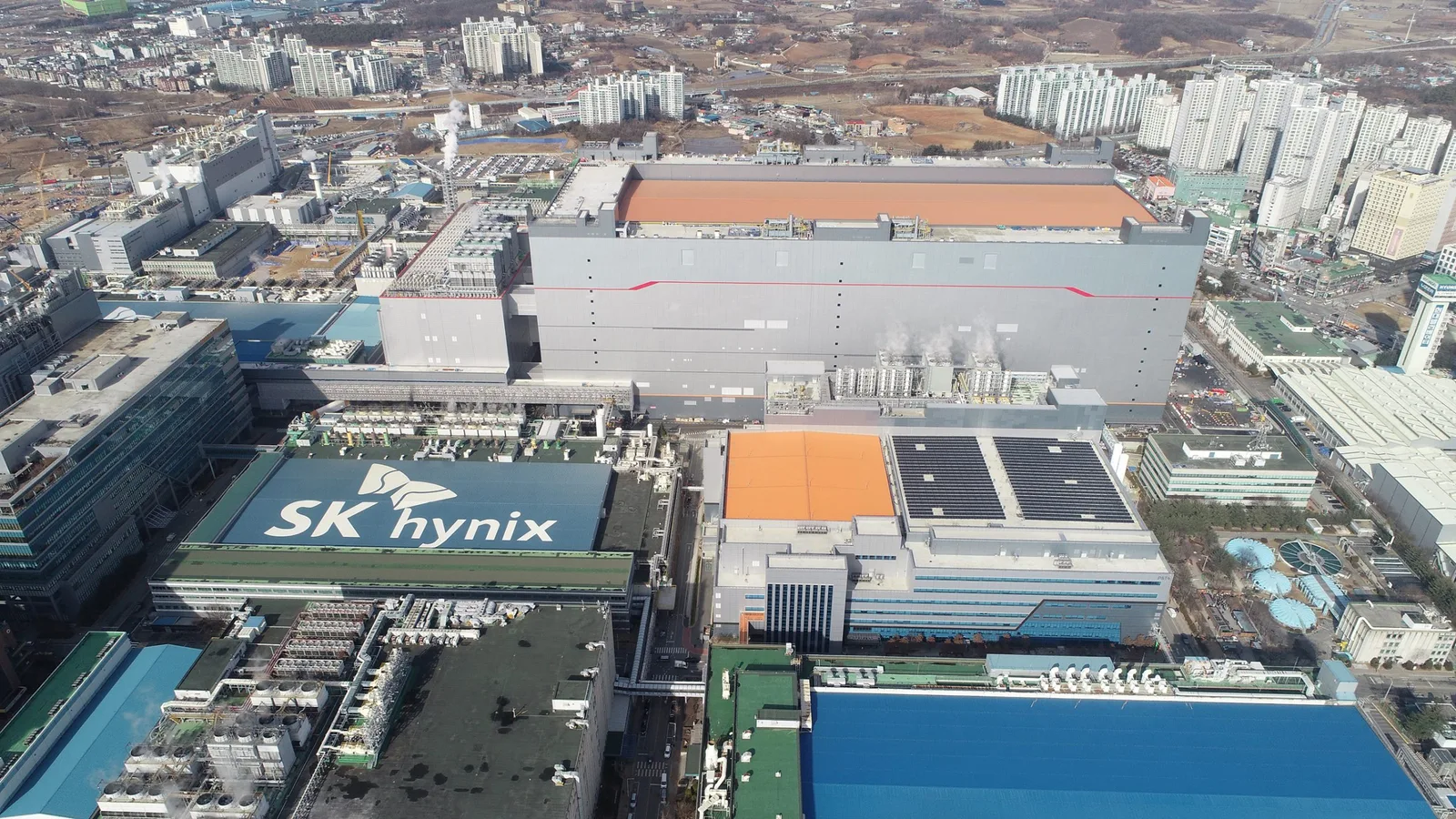
The next markers come quickly. Samsung's full results, with divisional detail and commentary on high-bandwidth memory volumes and pricing, are due later this month. Its domestic rival SK Hynix, the other big supplier of AI memory, reports in late October.