US stocks had their worst day since April 2025 on Thursday as a rout in chipmakers and AI infrastructure names pushed the Nasdaq Composite into correction territory. The slide left all three main indices below where they stood before Wednesday's post-midterm rally.
Chipmakers Lead the Heaviest Losses Since April 2025
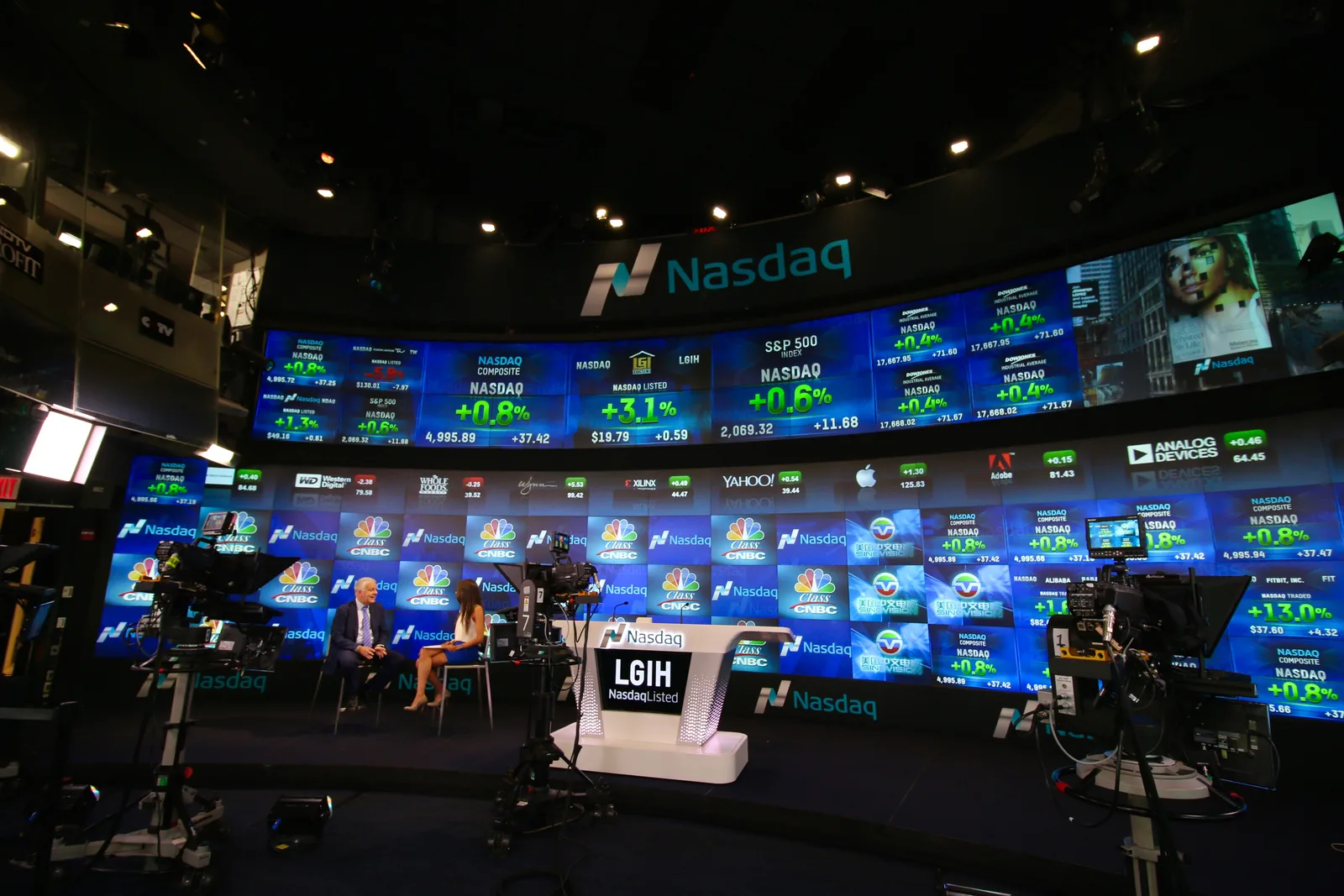
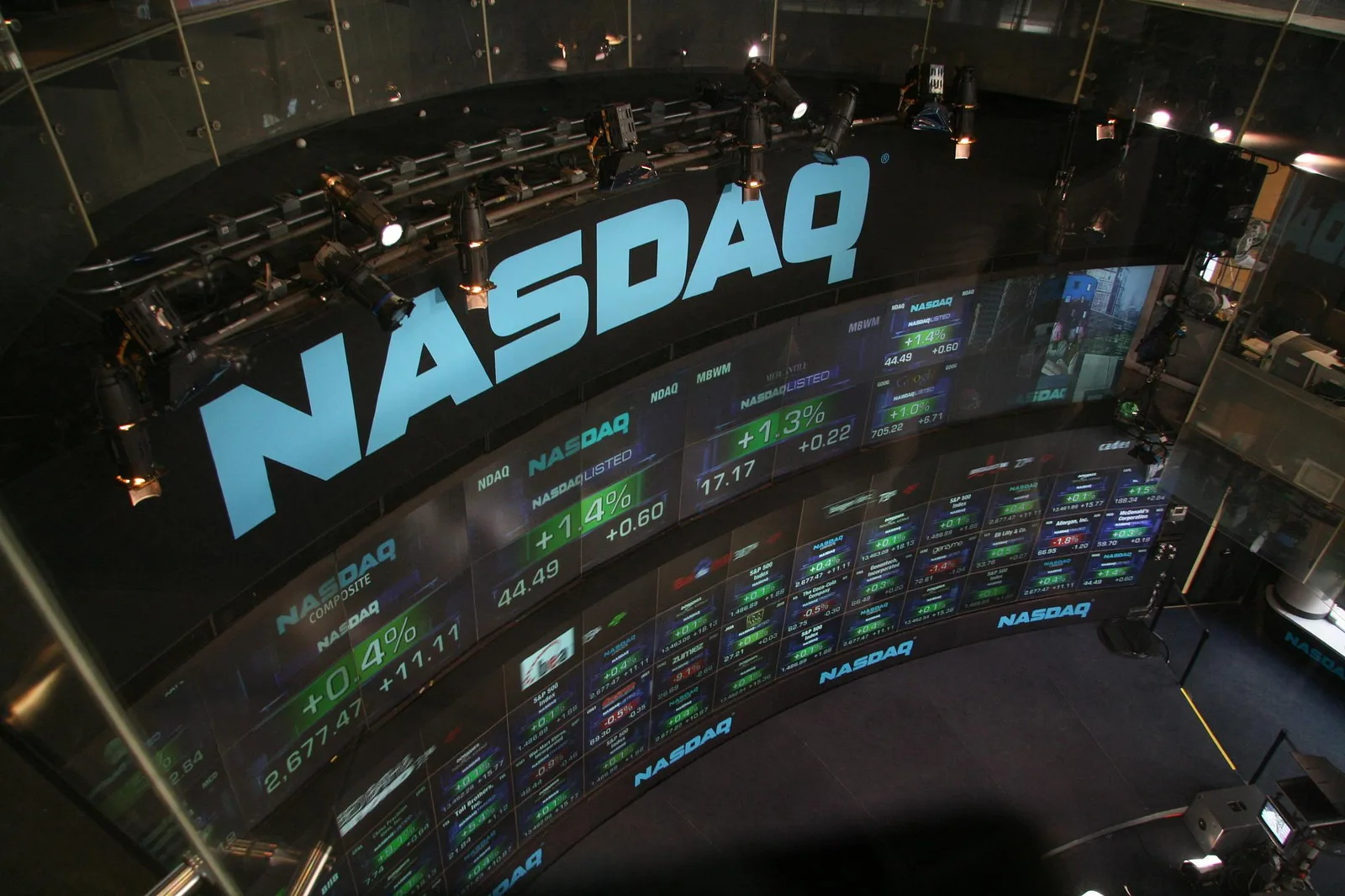
The Nasdaq Composite fell 5.52 percent to 24,315.00, taking the technology-heavy index more than 10 percent below the record it set in October, the threshold traders use to define a correction. The S&P 500 lost 4.36 percent to 7,353.73, and the Dow Jones Industrial Average dropped 1,833.06 points, or 3.44 percent, to 51,523.06.
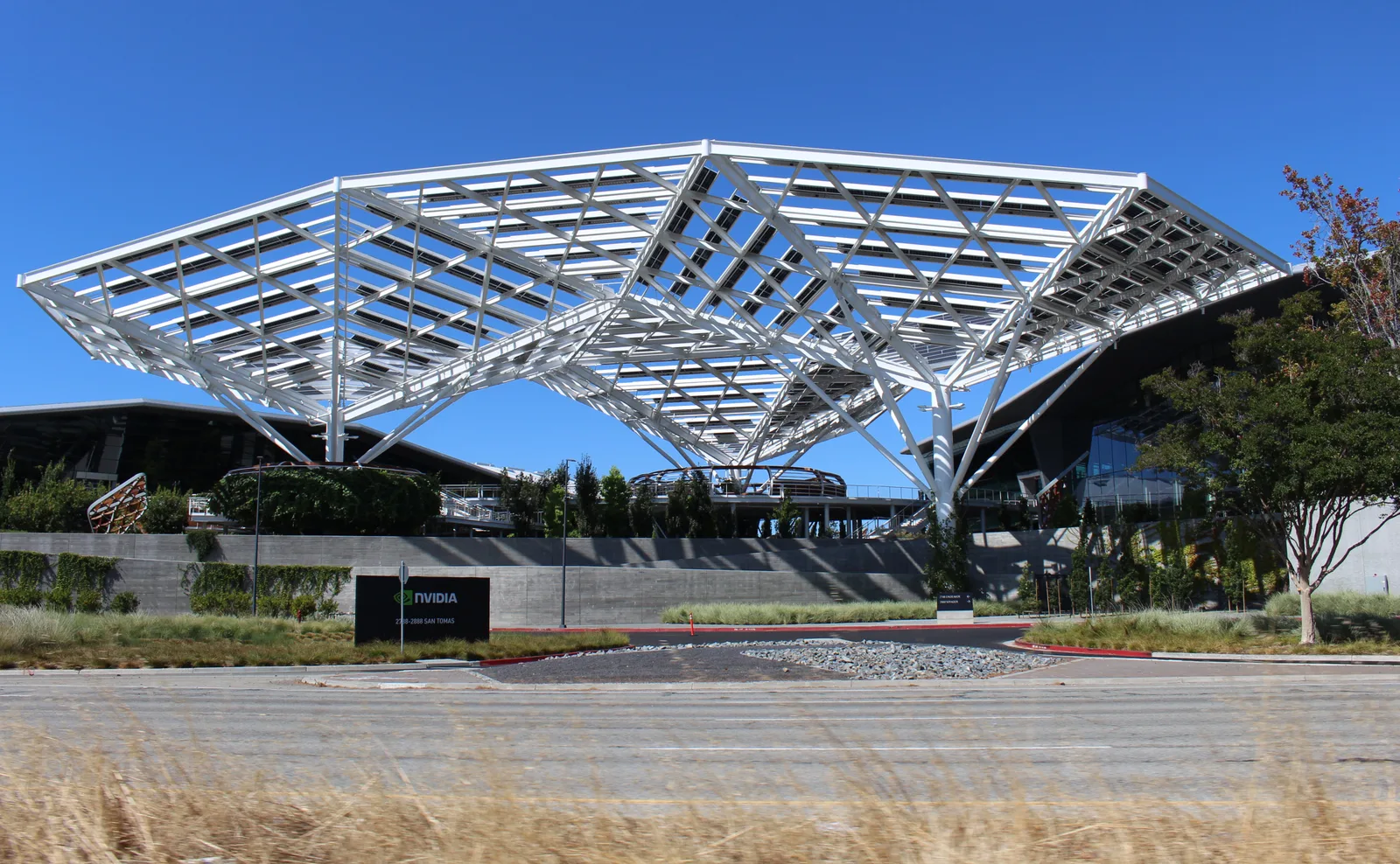
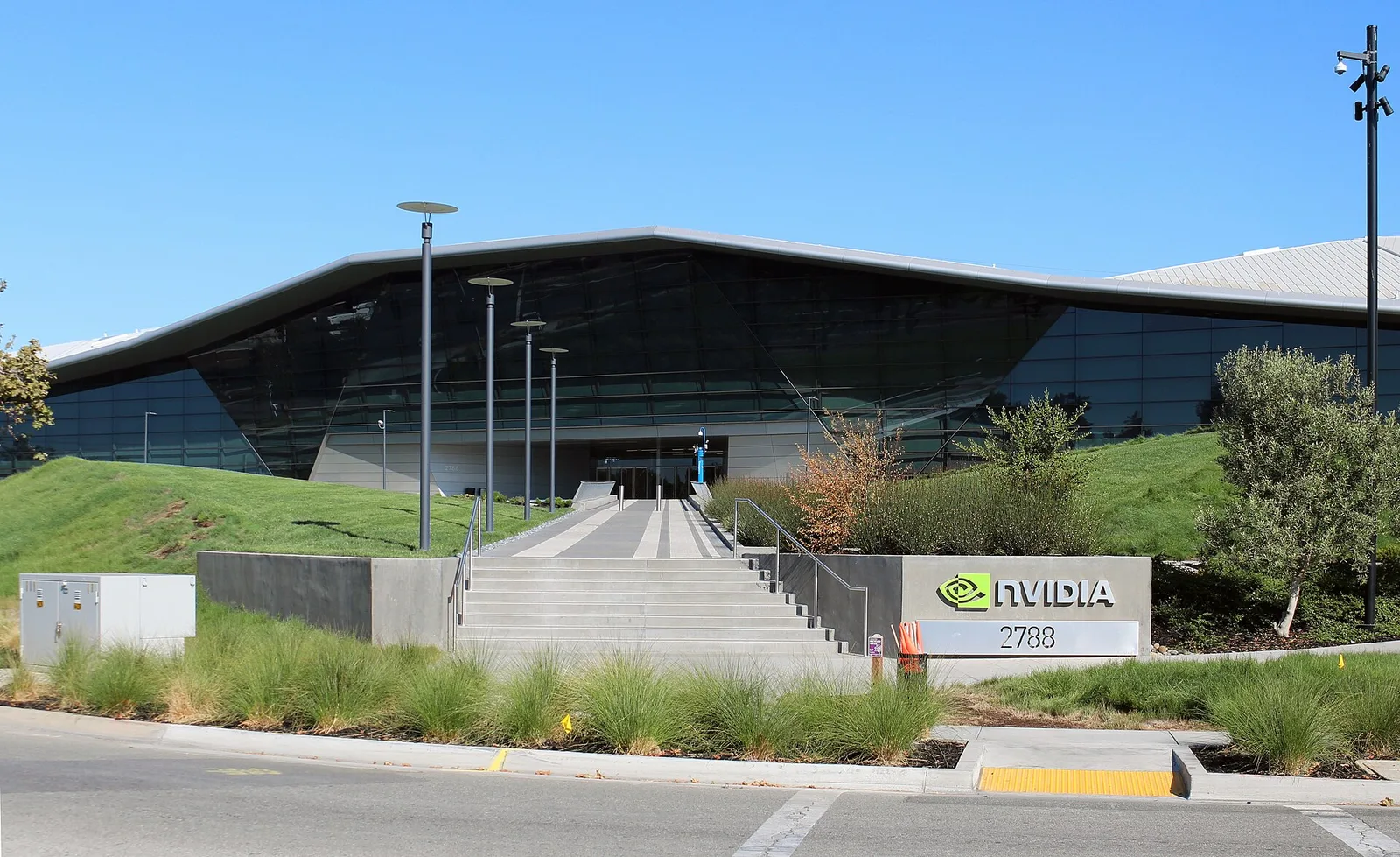
Semiconductors were at the centre of the damage. The iShares Semiconductor ETF fell more than 12 percent, its worst session since March 2020. Broadcom lost about 10 percent and Nvidia about 9 percent, while AMD and Micron were each down around 15 percent by midday.
The largest US technology companies shed roughly $900 billion of combined market value heading into the final hour of trading, according to CNBC. Nvidia alone accounted for about $374 billion of that, Tesla for about $161 billion and Microsoft for about $117 billion.
Thursday's rout in numbers
- -5.52% Nasdaq Composite, its worst day since April 2025
- $900bn approximate Magnificent Seven value lost going into the final hour
- 28.09 intraday peak of the VIX, highest since 31 March
Nvidia: share price, chart and news
From Relief Rally to Reversal in 24 Hours
The sell-off followed one of the strongest sessions of the year. On Wednesday the Dow jumped 1,569.40 points, or 3.03 percent, to 53,356.12, its best day since April 2025. Investors had cheered a clear Democratic win in the midterm elections, which removed uncertainty about the political outlook, and a slump of more than 8 percent in oil prices.
That rally favoured economically sensitive stocks rather than technology, and it proved short-lived. By Thursday's close, each of the three benchmarks had fallen below its Tuesday finish.
| Index | Tue 3 Nov close | Wed 4 Nov close | Thu 5 Nov close | Thursday change |
|---|---|---|---|---|
| Dow Jones Industrial Average | 51,786.72 | 53,356.12 | 51,523.06 | -3.44% |
| S&P 500 | 7,568.92 | 7,688.62 | 7,353.73 | -4.36% |
| Nasdaq Composite | 25,372.01 | 25,736.51 | 24,315.00 | -5.52% |
The trigger was a rotation out of technology on fears that the build-out of data centres, the main source of demand for advanced chips, could slow. Some investors also worried that the Democratic sweep of Congress and governors' races could bring tighter rules for AI infrastructure.
Fear gauges moved sharply. The Cboe Volatility Index, known as the VIX, briefly reached 28.09 during the session, its highest level since 31 March, before easing to just above 26 in the early afternoon.
Traders Scale Back Bets on a December Fed Hike
The rout also shifted expectations for the Federal Reserve. At midday, CME FedWatch data showed a 70.1 percent probability of a quarter-point rate rise at the Fed's meeting on 9 December, down from 82.7 percent on Wednesday. The odds of the Fed holding rates steady rose to 29.9 percent.
A December rise remained the market's central case. But the shift suggests traders believe a sharp fall in equity values could make policymakers more cautious about tightening further before the end of the year.
Thursday's losses were concentrated in the companies whose earnings depend most on data-centre spending: makers of AI processors, networking chips and memory. The Dow, with less exposure to chips, fell the least of the three benchmarks.
What the Rout Means for European Markets
European shares had started Thursday on a firmer footing. The pan-European Stoxx 600 rose about 0.5 percent shortly after the open and London's FTSE 100 touched a three-month high, helped by cheaper oil.
Company news in Europe was mixed. Rheinmetall fell as much as 16 percent after the German defence group cut its full-year guidance, while Maersk raised its profit forecast to between $14 billion and $14.5 billion as disruption in the Strait of Hormuz pushed freight rates higher.
The bigger test comes on Friday, when European markets open after the full weight of the US sell-off. Europe's chip and chip-equipment makers sell into the same data-centre investment cycle that unsettled Wall Street, so they are the most exposed to a reassessment of AI spending.
Traders will also watch the US October jobs report, due on Friday, for clues on whether the economy is strong enough to support another Fed rise in December. For the Nasdaq, the question is whether Thursday marked a one-day capitulation or the start of a deeper reset in the AI trade.