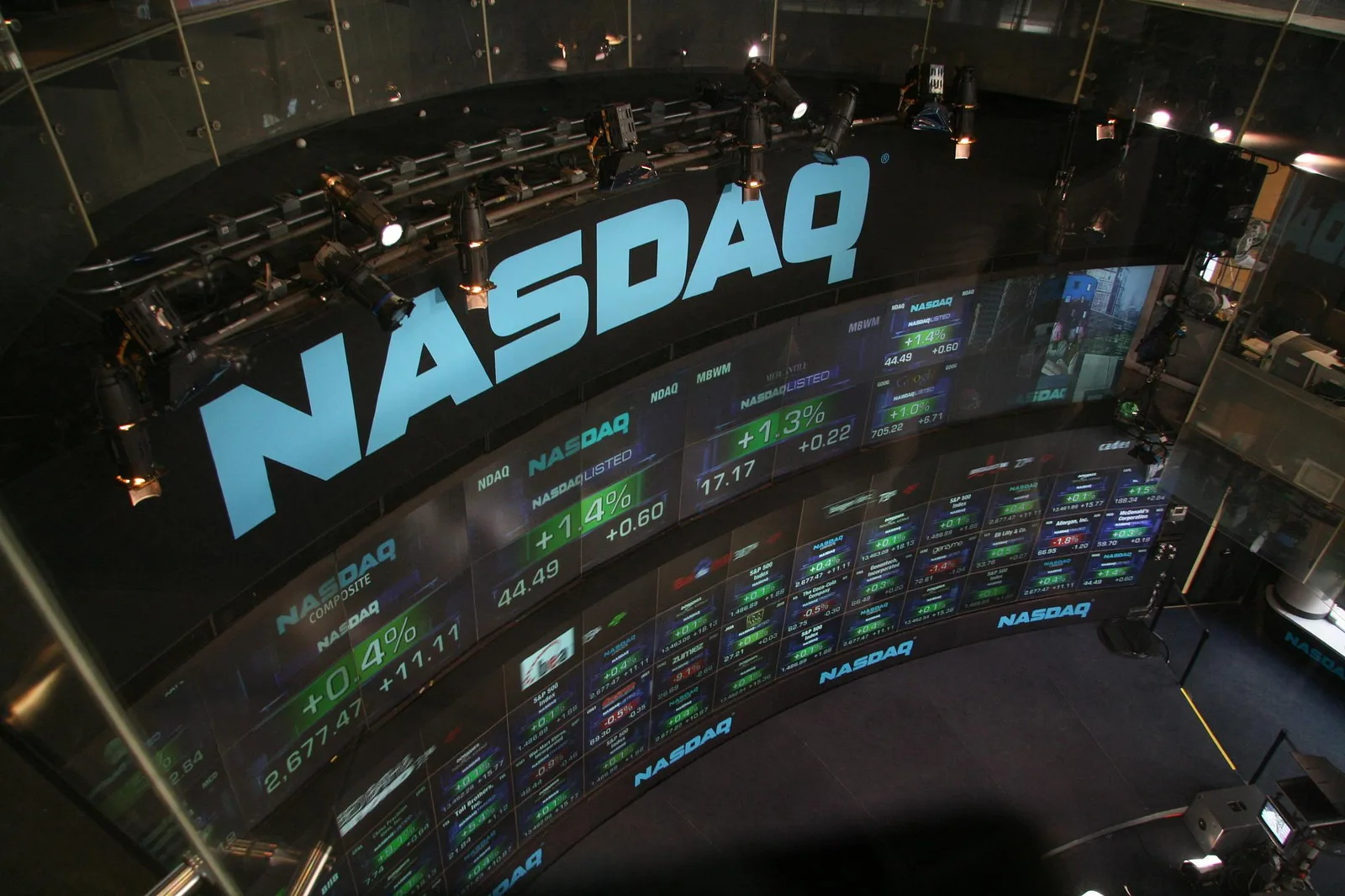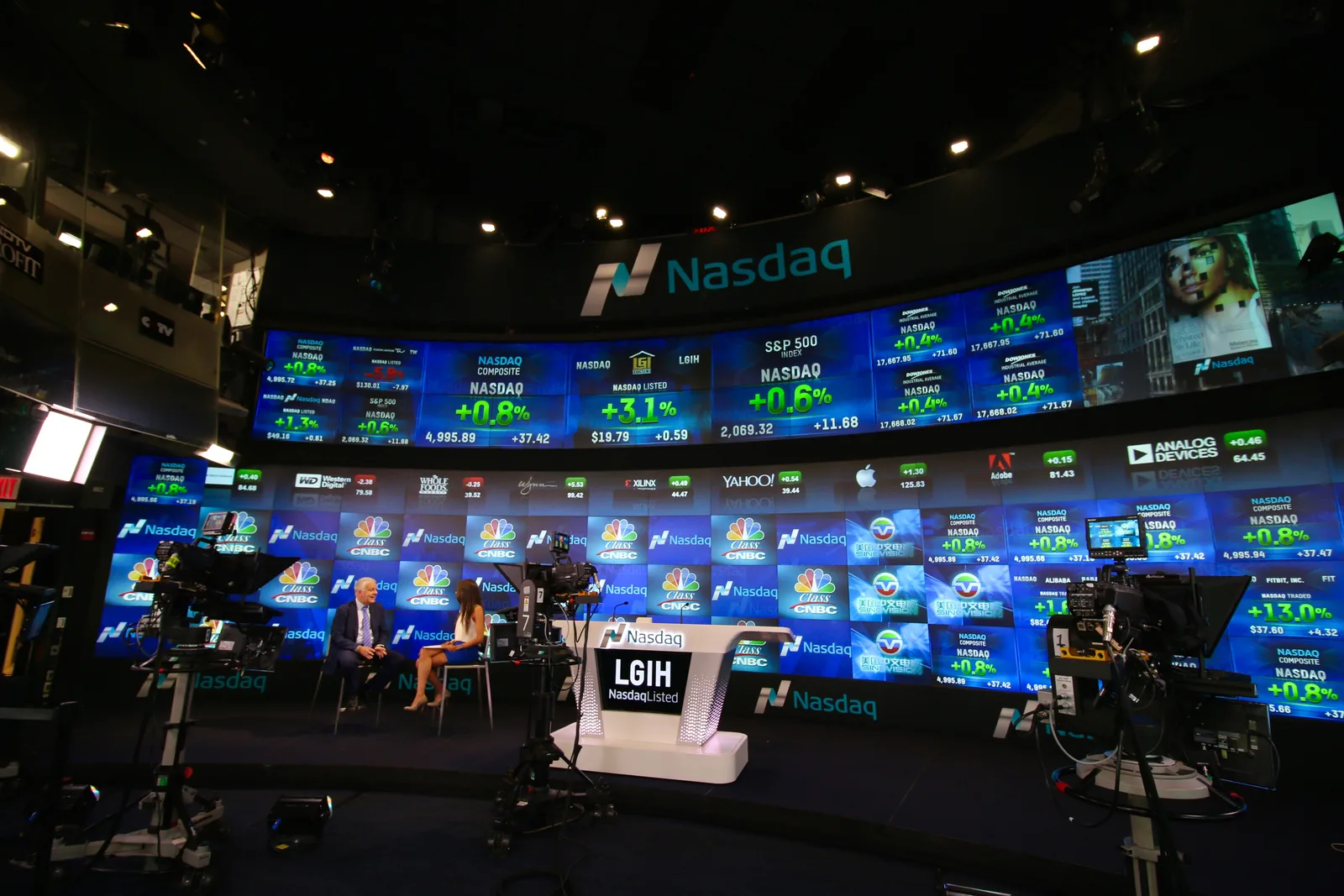
The Nasdaq 100 fell 5.49% this week as US chip stocks dropped for eight sessions in a row, their longest losing streak since 2008. Doubts about the returns on AI spending, Brent crude near $110 and a 10-year Treasury yield above 5% drove the selling. Europe went the other way: the STOXX 600 rose 2.09%, led by a 16.09% jump in Rheinmetall.
Chipmakers' Longest Slide Since 2008
The Philadelphia Semiconductor Index fell 3.8% on Friday, its eighth straight decline, 24/7 Wall St. reported. The Nasdaq 100 dropped 2.5% on the day and technology stocks lost more than $1 trillion in market value. The Nasdaq Composite fell 2.15% on Friday and 4.48% over the week, while the S&P 500 lost 1.95% to 7,659.44. The Dow Jones Industrial Average was the exception, ending the week 0.67% higher. According to the Associated Press, the S&P 500 and the Nasdaq had their worst weeks since June.
AMD was the hardest hit of the big names. It fell 5.73% on Wednesday and 5.95% on Friday, losing 13.05% over the week to close at $528.75, 18.6% below its 6 October close. On Friday Intel fell 5.79%, Micron 5.63%, Marvell 5.56% and Broadcom 4.52%. Nvidia held up better, slipping 1.43% on the day, but still lost 6.61% for the week. Broadcom ended the week 9.07% lower.
The falls come after a powerful run. Even after Tuesday's losses, the Philadelphia chip index was still up more than 70% for the year, Reuters reported. AMD remained up about 147% in 2026 at Friday's close and traded at 199 times its trailing earnings, according to 24/7 Wall St.
| Index | Close | Week |
|---|---|---|
| Nasdaq 100 | 29,187.55 | -5.49% |
| S&P 500 | 7,659.44 | -1.95% |
| Nikkei 225 | 65,324.29 | -5.37% |
| STOXX 600 | 644.74 | +2.09% |
| DAX | 25,622.61 | +2.13% |
| CAC 40 | 7,956.70 | +1.97% |
| FTSE 100 | 10,881.90 | +3.13% |
| Brent ($ a barrel) | 109.86 | +4.91% |
Why Investors Sold
The selling had several triggers. On Monday Broadcom chief executive Hock Tan likened investment in the AI sector to casino gambling, Reuters reported. On Tuesday memory makers fell after reports that China's CXMT had made progress on a denser memory-cell design, raising competition worries. Micron lost 4.5% that day, and in Seoul SK Hynix dropped more than 10% and Samsung Electronics more than 7%. Robert Pavlik of Dakota Wealth told Reuters the sell-off was a rush to take profits once competition looked likely.
The deeper worry is whether the AI build-out will pay off and how it will be financed. Many AI companies have funded their spending in the debt markets, and global bond yields climbed to their highest levels in years, AP reported. The US 10-year Treasury yield stood at 5.10% on Thursday and 5.09% on Friday, according to ts2.tech, which noted that worries about AI financing outweighed the usual support for growth shares from steadier bond prices.
Energy played a part too. Brent crude ended the week up 4.91% at $109.86 a barrel. Higher oil feeds inflation and raises the risk of another Federal Reserve rate increase, which tends to hit richly valued growth stocks hardest. CME data cited by AP put the odds of a December rate hike at 74.3%, up from 50.2% a month earlier. Oil companies gained: on Friday Exxon Mobil rose 2.46% and Chevron 2.58%.
Europe Rises, but Its Chip Stocks Follow Wall Street
European indices finished higher. London's FTSE 100 rose 3.13%, Germany's DAX 2.13% and France's CAC 40 1.97%. In Tokyo, by contrast, the Nikkei 225 lost 5.37%.
Europe's own chip and network stocks did not escape. Infineon fell 10.99% over the week, including 5.2% on Thursday. ASML lost 7.77%, with falls of 4.2% on Tuesday and 4.19% on Thursday. Nokia dropped 9.54%.
Defence led the other way. Rheinmetall jumped 16.09%, including 6.26% on Friday, after Morgan Stanley said European defence groups could win more orders and rally into the year-end, Admirals reported. Ericsson rose 10.08%, with a 6.8% gain on Thursday, and Nestlé added 8.40%. BMW gained 7.13%, Adyen 6.91% and L'Oréal 6.87%.
Europe's electrical equipment makers, big suppliers to data centres, slipped with the AI trade. Schneider Electric fell 4.92% in the week it raised its 2026 targets, and ABB lost 4.97%.
Winners and Losers
| Stock | Close | Week |
|---|---|---|
| Rheinmetall | €1,090.20 | +16.09% |
| Ericsson | SEK 105.65 | +10.08% |
| Nestlé | CHF 82.43 | +8.40% |
| AMD | $528.75 | -13.05% |
| Infineon | €52.39 | -10.99% |
| Nokia | €8.42 | -9.54% |
What Comes Next
The coming weeks bring quarterly results from the big cloud spenders and chipmakers, with ABB reporting on Tuesday, and investors will look for evidence that AI spending is turning into revenue and profit. Bond markets matter just as much: with the 10-year Treasury yield above 5%, oil above $100 and a December rate rise now priced as likely, this week showed how quickly investors mark down the most highly valued growth stocks when rates and energy costs rise.
Sources
- 24/7 Wall St.: Chip Stocks Just Fell 8 Days in a Row, Their Longest Losing Streak Since 2008
- Reuters via Euronext: US chip stocks extend slide as China memory report, AI spending jitters hit sector
- ts2.tech (citing AP): Nasdaq drops 2.1% as chip rout caps a 4.5% weekly slide
- Admirals: Rheinmetall stock 2026 slump
- BMK News market data (delayed exchange data)