BASF raised its 2026 earnings forecast on Wednesday after higher selling prices lifted third-quarter sales 14% to €16.4bn. The German chemicals group now expects EBITDA before special items of €7.4bn to €7.8bn, up from €6.9bn to €7.7bn, even though restructuring costs and a €318m writedown pushed the quarter to an operating loss.
The figures came out at 7:00 CET, before the Frankfurt market opened. BASF shares closed at €52.12 on Tuesday. They fell 1.47% in the week to 23 October and were little changed from the end of August, so the stock goes into the results without much optimism built in.
Label
- +14% third-quarter sales, to €16.4bn
- €1.6bn EBITDA before special items, up 15%
- €7.4bn-€7.8bn new 2026 EBITDA forecast
Prices did most of the work
Sales rose from €14.3bn a year earlier. Higher prices added 12% and volumes 2%, and currency effects helped in every segment, especially the US dollar and the Chinese renminbi.
The price gains were broad. BASF reported considerably higher prices in Chemicals, Materials, Surface Technologies and Industrial Solutions, and slightly higher prices in Nutrition & Care. Volumes rose substantially in Chemicals and in Nutrition & Care.
EBITDA before special items rose €213m, or 15%, to €1.6bn. The margin on that measure held at 10.0%, the same as a year earlier, which suggests higher selling prices were largely matched by higher costs rather than widening profitability. Adjusted earnings per share, which strip out special items and amortisation, rose to €0.72 from €0.52.
Restructuring and a writedown hit the bottom line
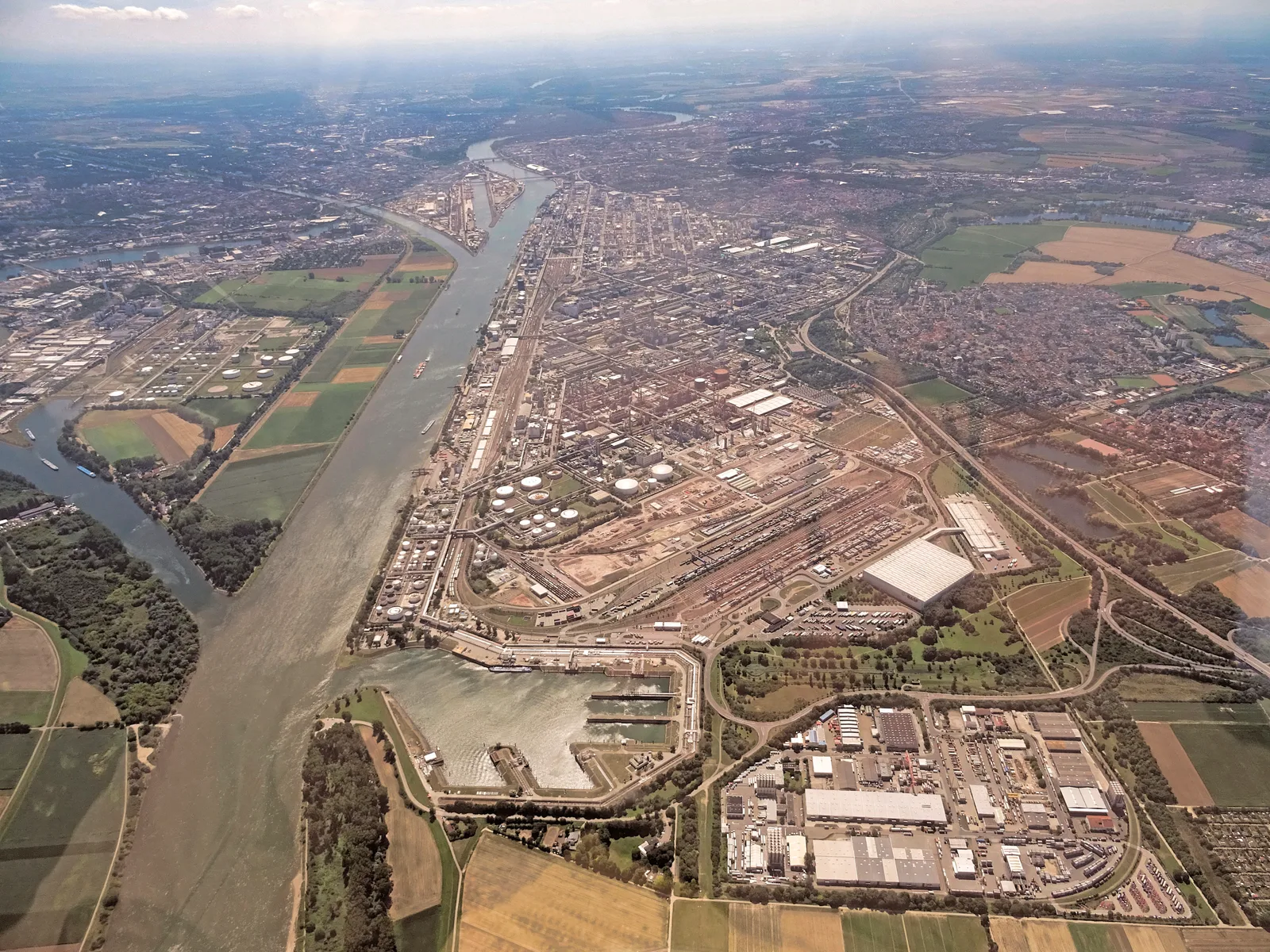
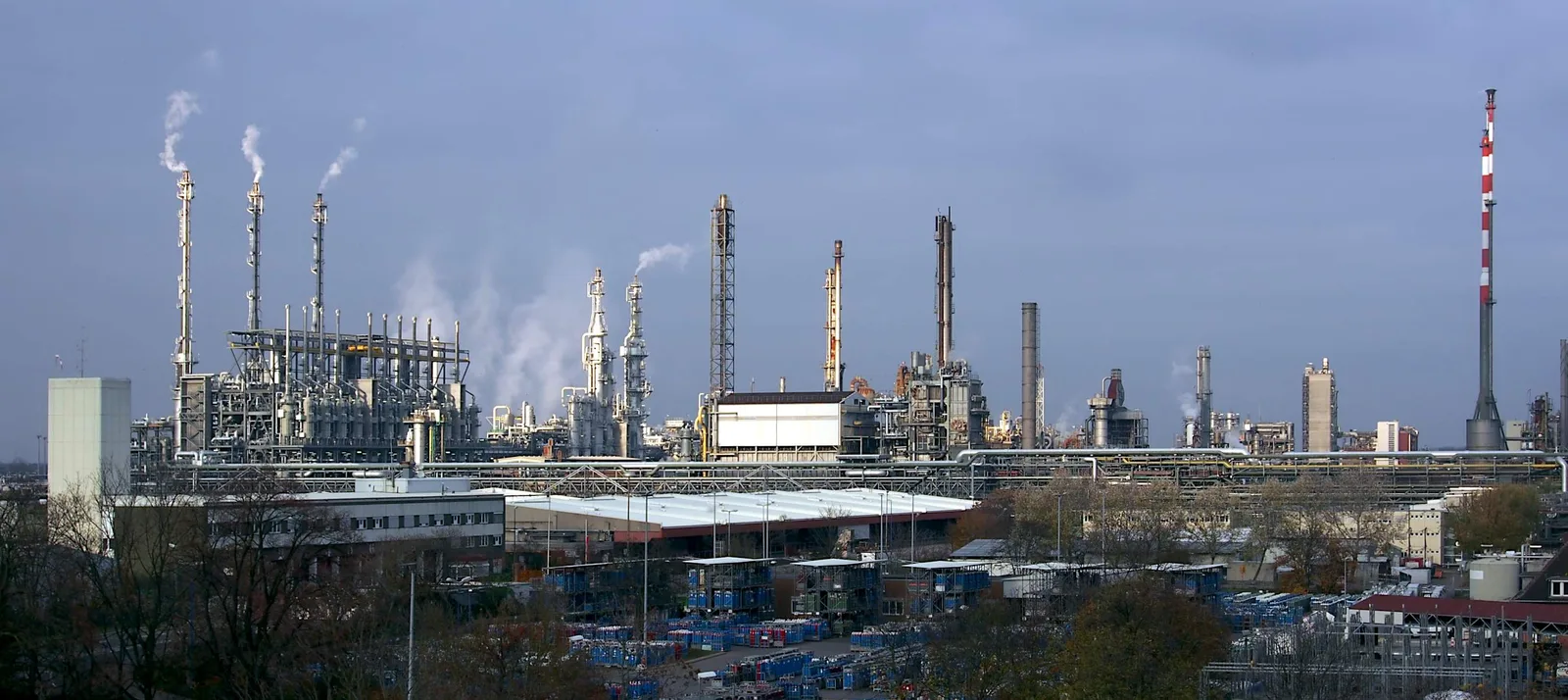
Reported profit tells a weaker story. Special items cost €437m, mainly transformation expenses for restructuring at the Ludwigshafen headquarters site and the settlement of a legal dispute in the Care Chemicals division.
Depreciation and amortisation jumped to €1.3bn from €976m, including a €318m impairment in the Monomers division. As a result EBIT was a loss of €98m, against a profit of €232m a year earlier. Net income slipped to €155m from €172m, or €0.18 a share against €0.19.
Farming was the weak spot
Four of the six segments improved. Chemicals, Nutrition & Care, Materials and Industrial Solutions all reported considerably higher EBITDA before special items.
Agricultural Solutions went the other way. Prices there were slightly lower and volumes significantly lower, and BASF said the drop in crop-protection volumes held back group sales growth. Surface Technologies also reported lower earnings, and earnings in the unallocated Other line fell considerably.
| Segment | Prices | Volumes | EBITDA before special items |
|---|---|---|---|
| Chemicals | Considerably higher | Substantially higher | Considerably higher |
| Nutrition & Care | Slightly higher | Substantially higher | Considerably higher |
| Materials | Considerably higher | Slightly higher | Considerably higher |
| Industrial Solutions | Considerably higher | Slightly higher | Considerably higher |
| Surface Technologies | Considerably higher | Slightly higher | Lower |
| Agricultural Solutions | Slightly lower | Significantly lower | Lower |
Cash flow still lags the earnings upgrade
Operating cash flow fell €275m to €1.1bn. BASF tied up €507m in inventories, mainly because raw materials cost more, against a small release a year earlier.
Free cash flow still improved by €125m to €523m. Investment spending on property, plant and intangibles fell by €401m, mostly because less is now going into the new Verbund site at Zhanjiang in China, and BASF received €434m from selling shares in Harbour Energy.
The full-year free cash flow forecast of €1.5bn to €2.3bn was left unchanged, as was the carbon dioxide emissions range of 17.2 to 18.2 million tonnes. Chief executive Markus Kamieth, who chairs the Board of Executive Directors, said "the strong year-to-date performance of our core businesses" gave BASF the confidence to narrow its forecast range upward.
What investors will watch next
The new range lifts the bottom of the forecast by €0.5bn but the top by only €0.1bn, so the upgrade mostly removes the risk of a weak year rather than promising a much stronger one.
The macro assumptions behind it are also unchanged from the half-year report: 2.5% global growth, 1.8% growth in chemical production, an average euro of $1.17 and an average Brent oil price of $80 a barrel. Brent closed at $116.72 on 23 October, well above that assumption, which matters for a group whose energy and raw-material bills follow oil and gas.
Investors will look for detail on the analyst call at 8:30 CET and the press conference at 10:30 CET, particularly on how long the price gains can last, the outlook for crop protection and how much more restructuring Ludwigshafen still needs.
Sources
- BASF: BASF Group in the third quarter of 2026
- RTTNews: BASF Group Q3 net income declines, updates FY26 guidance
- BMK News market data (delayed exchange data)