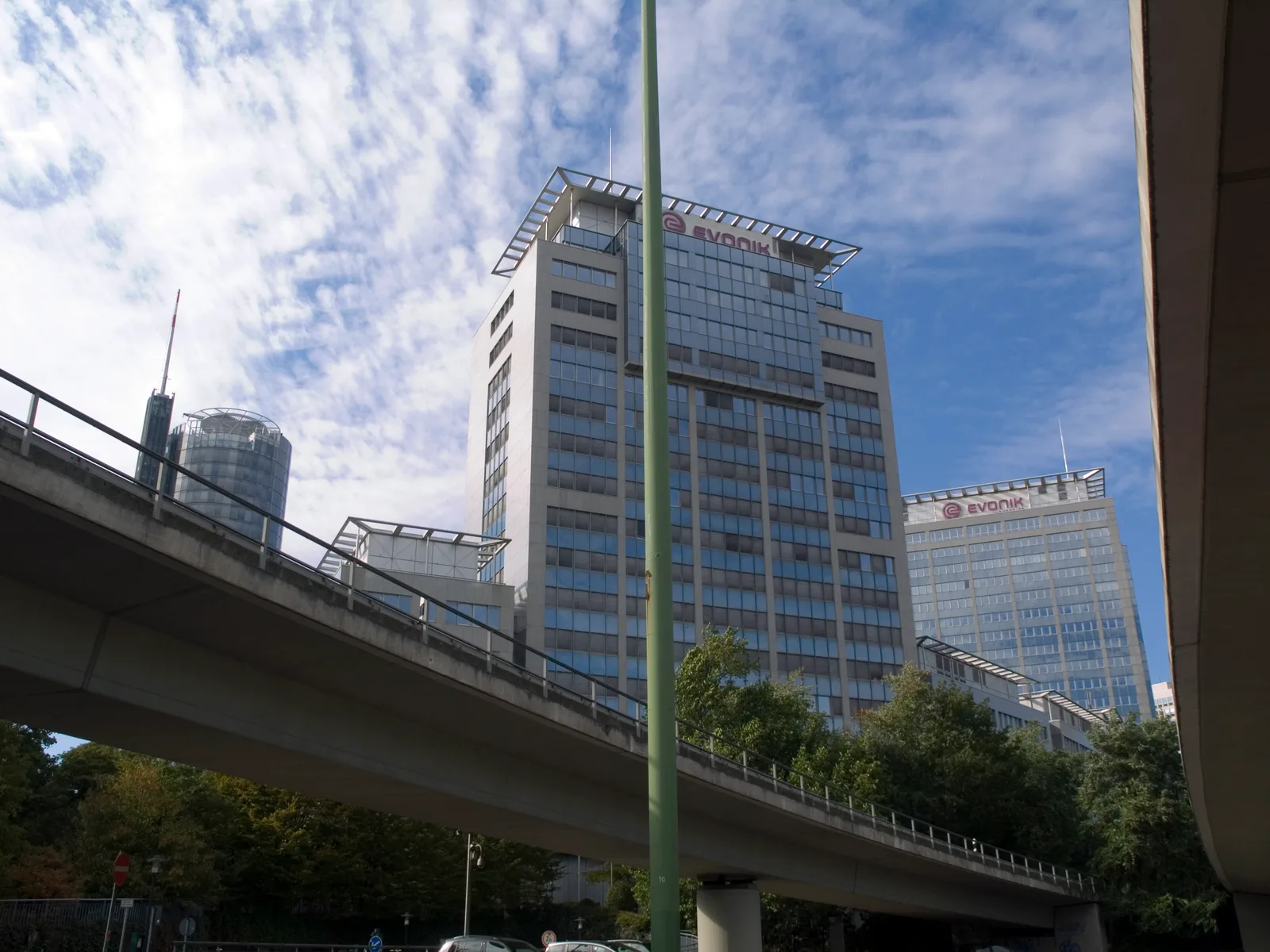
Evonik has rejected a second takeover approach from BASF. Its board said it would not open negotiations even after the bid was raised to €24 a share, which values the Essen-based speciality chemicals group at about €11.2bn and, by BASF's count, is a premium of about 39% to Evonik's undisturbed share price. BASF called the decision incomprehensible.
The rebuff, reported on Friday morning, leaves Germany's largest chemicals company without a negotiating partner a little over a month after it first approached its smaller rival. Evonik's executive board said it would keep working on its own plans and develop the group as an independent company. It left the door open only to purely informative and confidential contacts, so that BASF can set out why it wants the deal.
The improved approach
- €24 per Evonik share
- €11.2bn implied value of Evonik
- 39% premium to the undisturbed price, says BASF
From €22.15 to €24 in Four Weeks
The approach became public on 25 September, when Evonik said it had received a non-binding approach from BASF about a voluntary public takeover offer for all its shares. The RAG-Stiftung, which holds 43% of Evonik and is its largest shareholder, said BASF had also contacted it. Evonik shares closed 7.2% higher that day and BASF fell 3.6%. At the time BASF was worth about €45.8bn on the stock market and Evonik about €9.2bn.
Evonik turned down that first proposal, worth about €22.15 a share or roughly €10.3bn, as too low. On 23 October people close to the deal said BASF had raised the price to €24 a share, about €11.18bn in total. Evonik shares closed 2.7% higher at €21.26 that day, leaving the reported offer about 13% above the market price. BASF shares were 0.15% higher. Over the week to 23 October BASF lost 1.47%, to €52.45.
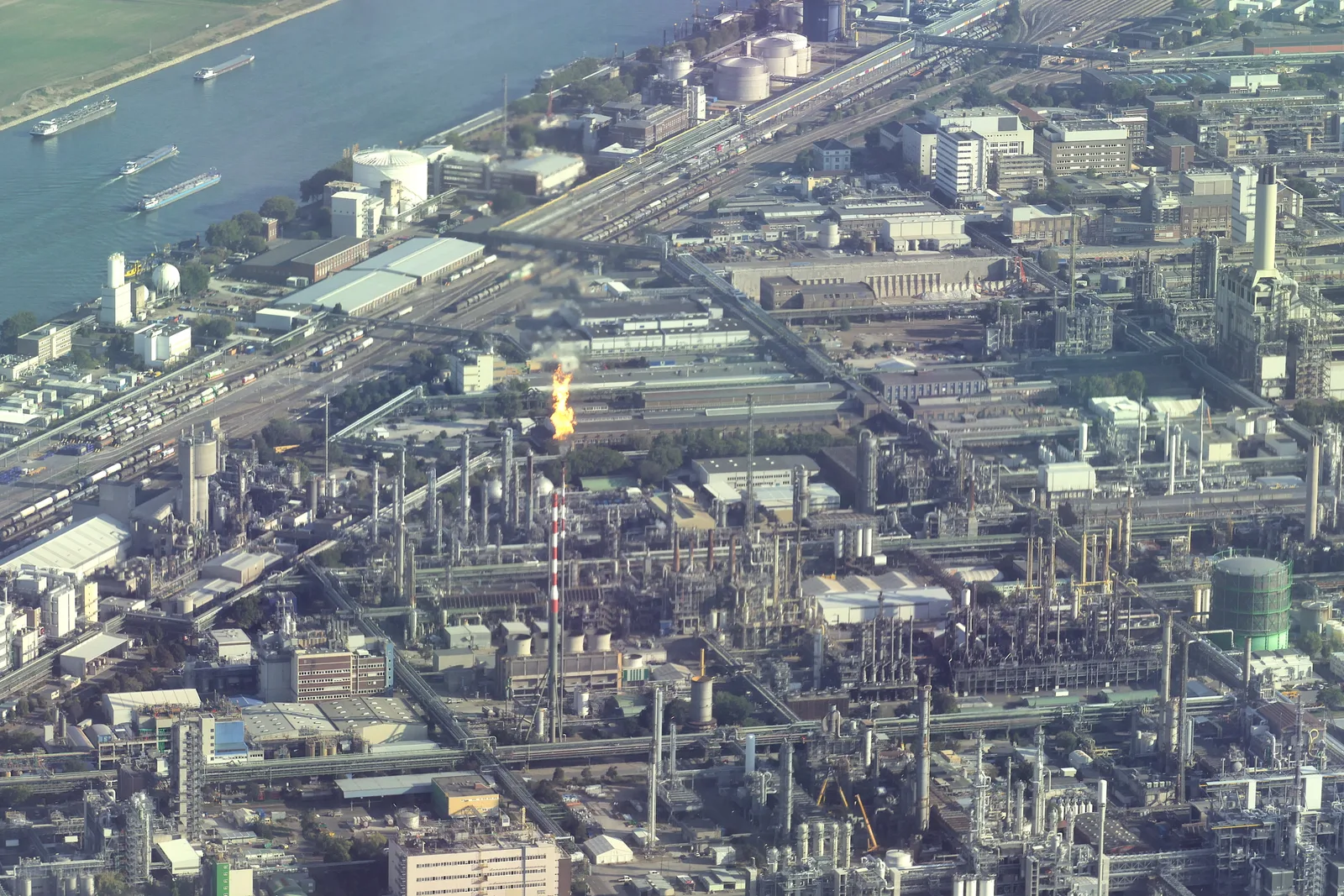
BASF Puts Jobs and Sites on the Table
BASF has tried to win over the people with the most say in Evonik's future. It said it would honour existing agreements that protect Evonik jobs if a takeover went ahead. That matters in North Rhine-Westphalia, Evonik's home state, whose government said earlier this month that a deal must not put Evonik jobs or the company's independent development at risk. The chairman of BASF's own works council, Sinischa Horvat, has said its existing site agreement remains in force.
In its reply to Friday's rejection BASF called its offer attractive and pointed again to its commitments to employees and sites. It said it could not understand why Evonik's board would not even negotiate, calling that stance "incomprehensible".
Why BASF Wants a Bigger Chemicals Group
The case for a deal rests on scale in a weak European market. The region's chemicals makers have been hurt by high energy costs and soft demand, and BASF chief executive Markus Kamieth said in June that conditions were the most difficult in at least 25 years as industrial power shifts to Asia. BASF also risks losing its long-held place as the world's largest chemicals company by revenue to China's Sinopec. Its 2025 group revenue of €59.7bn was roughly level with Sinopec's chemicals business.
The two companies overlap only in part. Evonik makes high-performance plastics, animal feed additives and ingredients for coatings and household products. BASF covers engineering plastics, super-absorbent polymers, vitamins and a long list of industrial chemicals. Europe is the biggest market for both.
BASF reported its own third-quarter figures on 28 October. Sales rose to €16.4bn from €14.3bn and EBITDA before special items climbed to €1.6bn from €1.4bn, and the company raised its full-year forecast for that profit measure to €7.4bn to €7.8bn, from €6.9bn to €7.7bn. Net income slipped to €155m from €172m.
Evonik has its own plans. People familiar with the matter told Reuters this month that it has been looking at a purchase of the US speciality chemicals company Ashland, valued at about $3.3bn. A source said BASF sees an Evonik-Ashland combination as too risky.
What Investors Watch Next
Points to watch
- Whether BASF takes its case directly to shareholders through a formal public offer, where the RAG-Stiftung's 43% stake would weigh heavily.
- How the RAG-Stiftung responds to the higher price. It declined to comment after the raised bid was first reported.
- The gap between Evonik's share price and the €24 BASF has put forward, as a gauge of how likely investors think a deal is.
- Any move by Evonik on Ashland, which would change the shape of any combination.
A takeover is far from certain. Evonik's board has now said no twice, and the RAG-Stiftung's 43% stake makes it the single most important voice on any bid.
Sources
- Euronext (Reuters): Germany's BASF approaches Evonik over potential takeover
- Euronext (Reuters): BASF raises Evonik offer to €24 a share, sources say
- MarketScreener (Reuters): BASF reacts with bewilderment to Evonik rejection
- Demócrata (Europa Press): Evonik again rejects negotiating with BASF despite the improvement of its purchase offer
- BASF: Strength across all core businesses drives BASF Group's considerable growth in EBITDA before special items
- BMK News market data (delayed exchange data)