Bayer's $7.25bn Roundup settlement won final approval on Friday 20 November, when St. Louis Circuit Judge Timothy Boyer rejected the objections and signed off on a deal covering people who already have non-Hodgkin lymphoma and people who will be diagnosed in the years ahead. Claimants stand to receive average payments of $10,000 to $165,000 from a fund Bayer will pay into for up to 21 years, giving the German group its clearest way yet out of the litigation it inherited when it bought Monsanto for $63bn in 2018.
The Roundup deal in three numbers
- $7.25bn the most Bayer will pay into the settlement fund
- 21 years the longest period over which Bayer pays in
- $10,000 to $165,000 the range of average payments to claimants
What the St. Louis judge approved
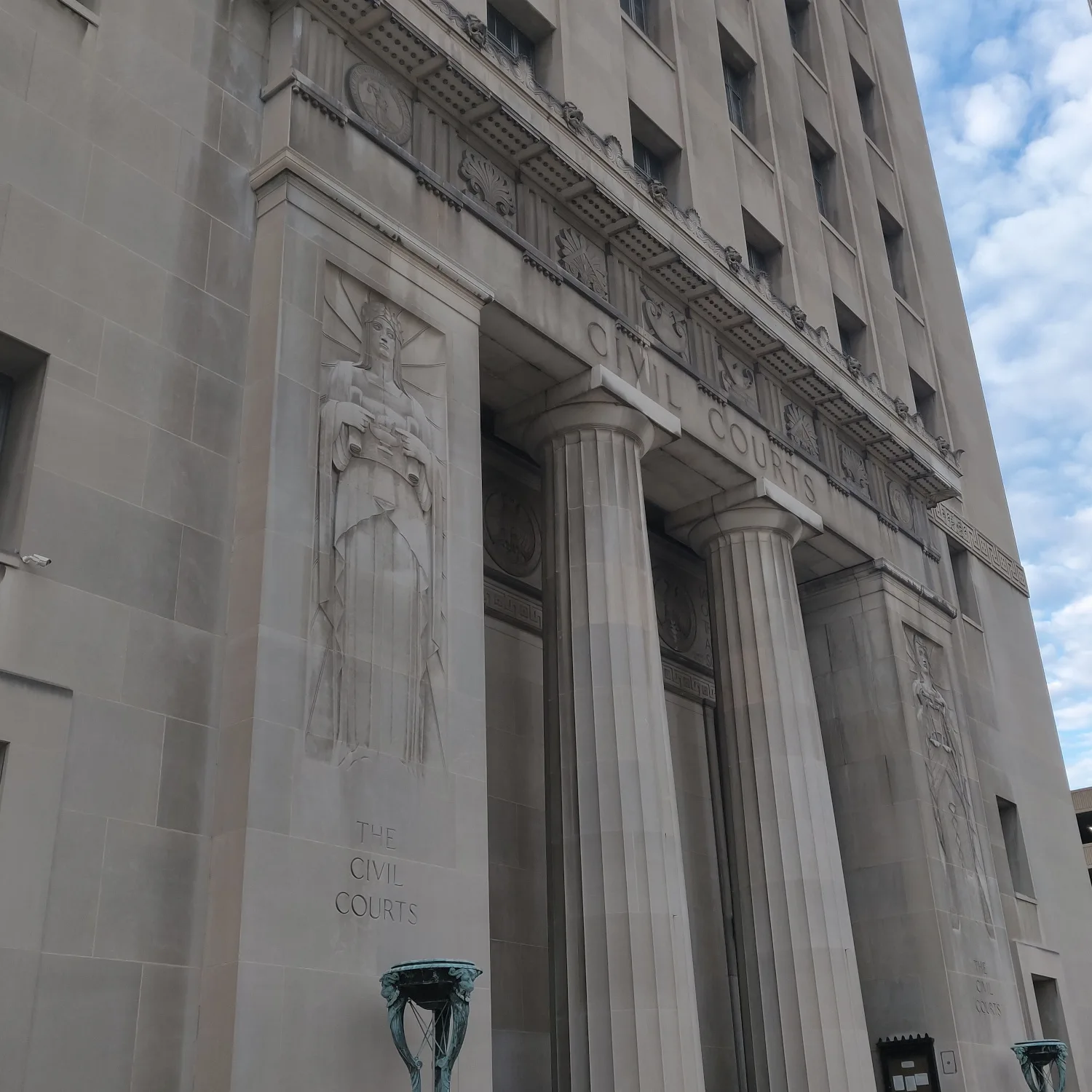
Judge Boyer's 84-page final order, filed in the Circuit Court for the City of St. Louis, approves the nationwide class settlement between Monsanto, now a Bayer subsidiary, and five named plaintiffs led by Randall King. The case was filed on 17 February and argued at a fairness hearing on 14 September.
By 4 June, 136 identified class members had filed objections, as had some health plans, the order says. Some objectors alleged collusion between Monsanto and the class lawyers. The judge found no evidence of it, pointing to more than 18 months of talks. "Negotiations were extensive, hard-fought and at arm's length," he wrote, according to Agri-Pulse.
Bayer: share price, chart and news
Who the Roundup settlement covers and how much they get
The class is split in two. The first group is people who say they were exposed to Roundup before 17 February 2026 and already have a non-Hodgkin lymphoma diagnosis. The second is people diagnosed during the 16 years after final approval. That second group is what makes the deal unusual: it settles claims for people who are not ill today.
The sums depend on how a person used Roundup, how old they were when diagnosed and how severe the illness is, according to the Associated Press. A farm, industrial or turf worker exposed at length and diagnosed with an aggressive form of the disease before the age of 60 could receive an average of $165,000. Someone diagnosed at 78 or older would get an average of $10,000.
What each side secured
- Current claimants: $3bn of funding in the first five years, plus faster payment options for some, the order says
- Future claimants: long-term funding, inflation adjustments, bankruptcy protections and the right to exit later
- Lawyers: $600m in attorneys' fees, according to AP
Why critics say the Roundup payouts are too small
Some lawyers for cancer patients say the sums are too small and the terms too restrictive, AP reported; others argue a deal beats nothing. At the September hearing, attorney Gerson Smoger called it "the scariest, worst future settlement that's ever been contemplated."
The judge disagreed. He called the average payouts "fair and adequate" and said the total was among the largest mass tort personal-injury class settlements ever, AP reported. He also leaned on the US Supreme Court's 7-2 ruling in June in the Durnell case, which held that federal pesticide law blocks state claims that would force a cancer warning onto Roundup's EPA-approved label. Had the deal been rejected, he said, there was a risk Bayer would have sought bankruptcy protection.
His arithmetic on the courts is the detail that sticks. More than 30,000 Roundup cases have been filed in Missouri courts alone, the judge noted, yet just over 200 plaintiffs have trial dates. Across the US, about 200,000 claims have been made against Bayer, according to AP. For most claimants, a day in court was never coming soon.
"Today's final approval order delivers guaranteed compensation to Roundup cancer victims who have waited more than a decade for justice," said Christopher Seeger, a court-appointed lawyer for the cancer patients.
Bayer denies that Roundup, launched by Monsanto in 1974, causes cancer. The World Health Organization's cancer agency classed its active ingredient, glyphosate, as "probably carcinogenic" in 2015, while the US Environmental Protection Agency has found it is not likely to cause cancer in humans when used as directed.
What happens next for Roundup claimants
The decision can still be appealed, AP noted, and neither the reports nor the order's closing pages give a date for first payments. The order spells out the stakes: if the settlement's "Effective Date" never arrives, the court will vacate Friday's judgment.
What the Roundup settlement means for Bayer investors
The ruling turns an open-ended threat into a capped bill spread over two decades. Bayer chief executive Bill Anderson called it "a decisive milestone in the company's strategy to mitigate the risks of both pending and future Roundup litigation." Bayer had already set aside $16bn for Roundup legal costs, and the new deal comes on top of that, AP reported. The litigation bill had pushed the company to consider pulling Roundup from US farm markets.
The shares have been climbing on the story. They jumped after a Missouri jury sided with Bayer in October, in the first Roundup verdict since the Supreme Court ruling, and kept going after an upgraded outlook in early November. Days later, US approval for its Sunharbo blood thinner lifted them to their highest since May 2023.
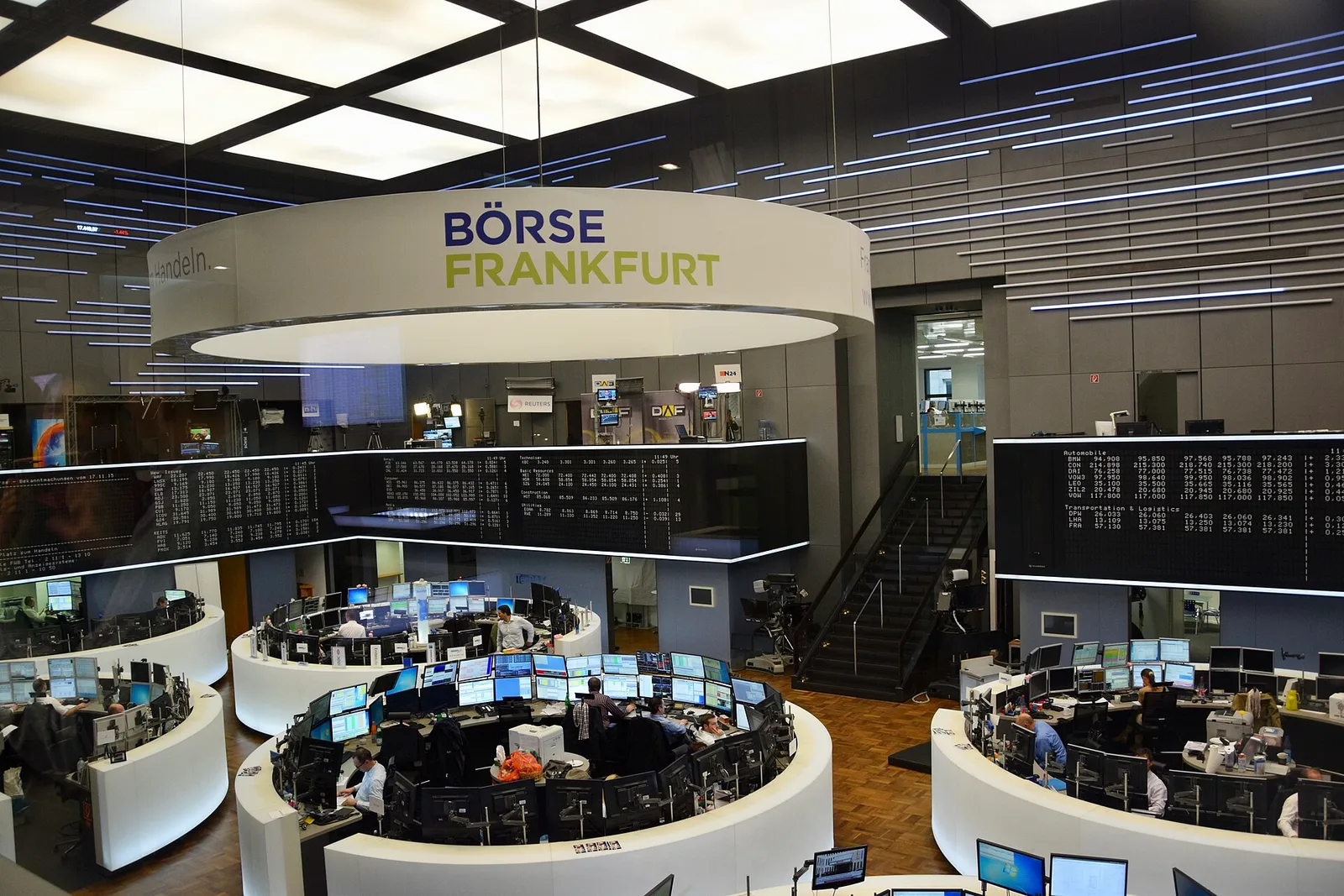
Reports of the ruling landed after Frankfurt's Xetra session had closed on Friday, so traders there get their first chance to react on Monday 23 November, after the DAX's worst week since March. Risks remain: people who opted out can keep suing, and one Georgia jury awarded plaintiffs $2.1bn, according to AP.
Did the Bayer Roundup settlement get final approval?
Yes. On Friday 20 November 2026, St. Louis Circuit Judge Timothy Boyer gave final approval to Bayer's $7.25bn Roundup class settlement and rejected the objections to it. The ruling can still be appealed.
How much will Roundup settlement claimants get?
Average payments range from $10,000 to $165,000, according to AP, depending on how a person used Roundup, their age at diagnosis and how severe the illness is.
Who is covered by the Roundup class settlement?
It covers people exposed to Roundup before 17 February 2026 who already have non-Hodgkin lymphoma, and people diagnosed during the 16 years after final approval.
Sources
- Missouri Circuit Court, 22nd Judicial Circuit: King et al. v. Monsanto Company, Final Order and Judgment
- Agri-Pulse: Judge approves $7.25B settlement covering current, future Roundup claims
- Associated Press via WSLS: Court approves $7.25 billion settlement with Bayer over claims Roundup weed killer caused cancer
- Agri-Pulse: Monsanto wins Supreme Court Roundup case on FIFRA preemption