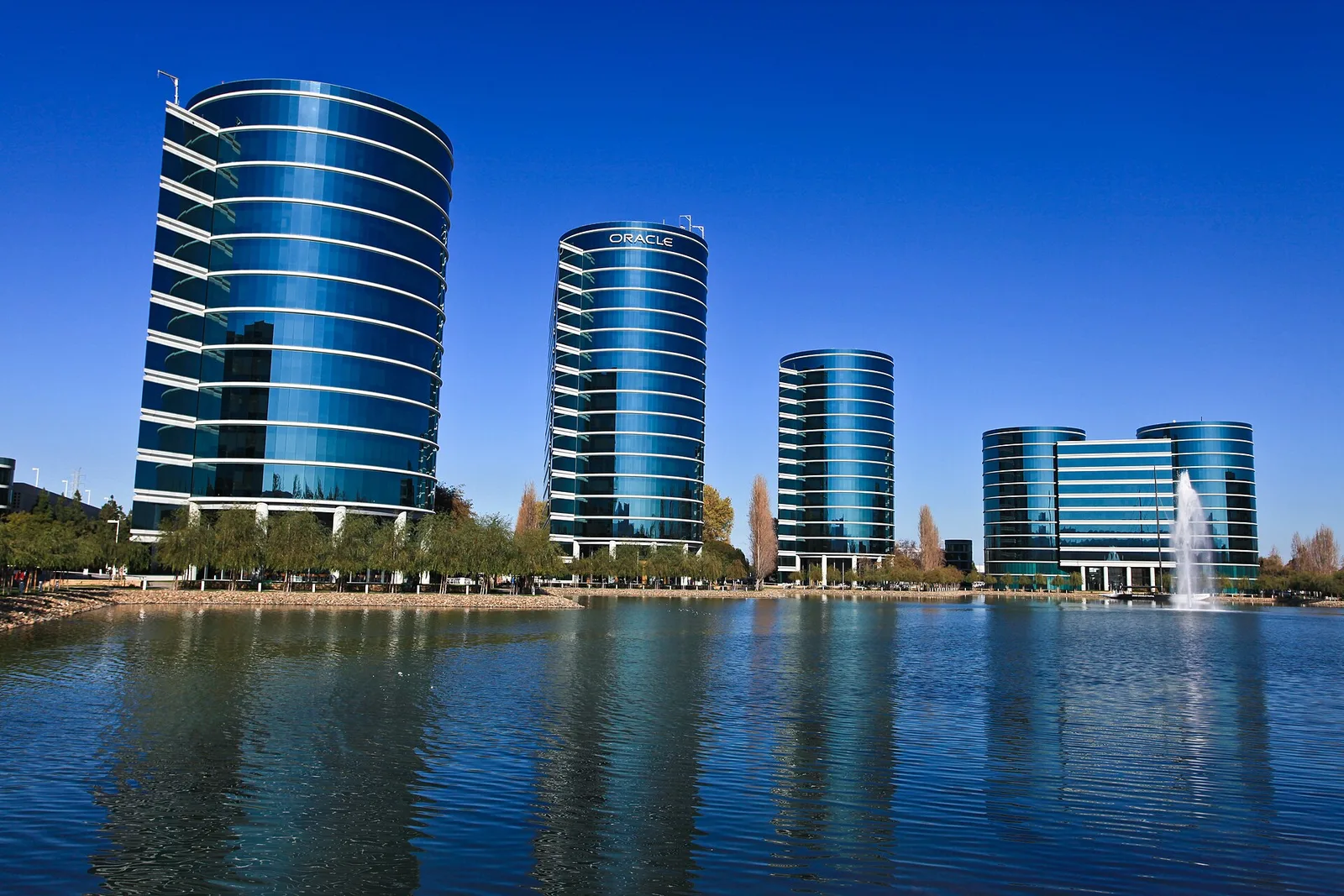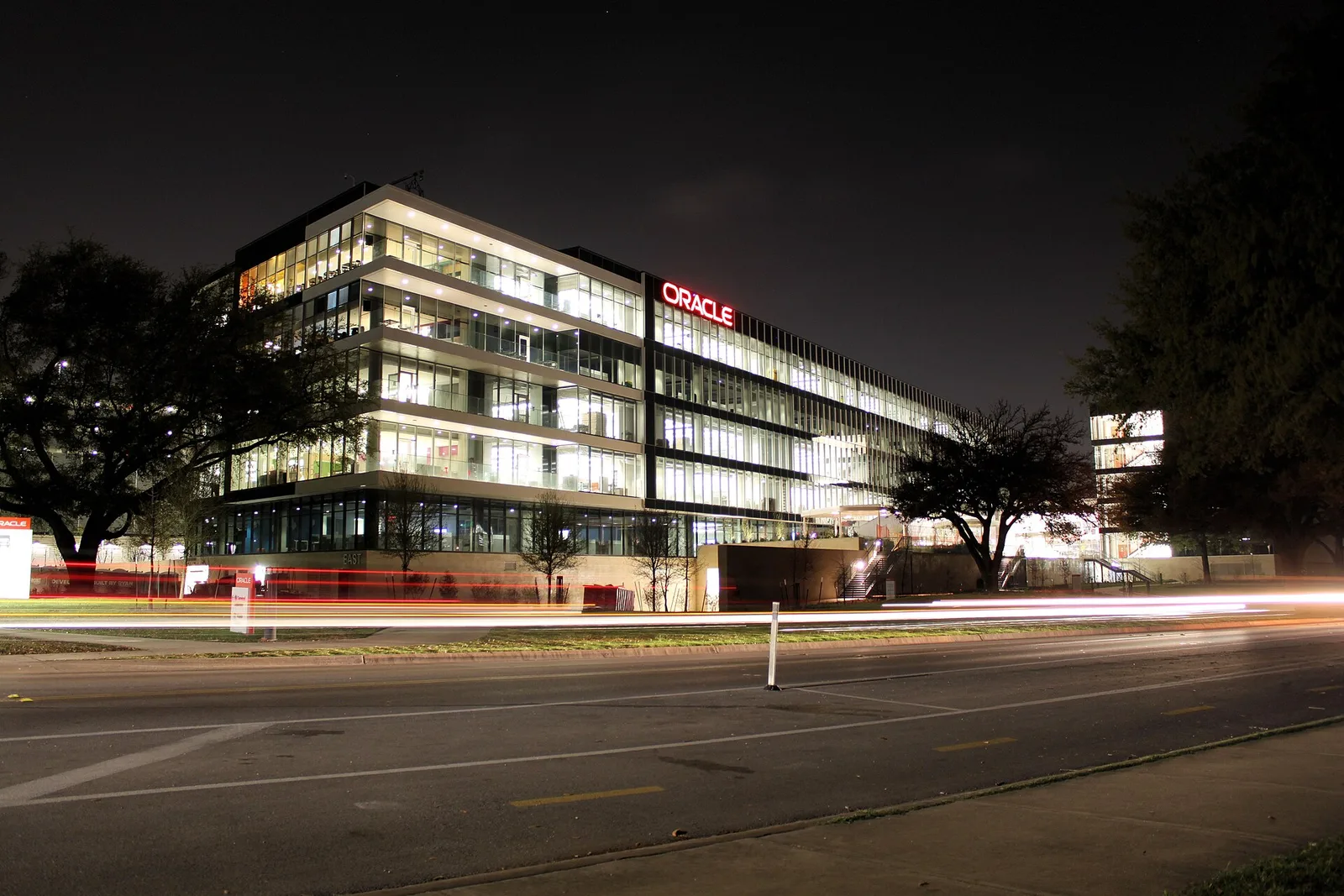
Oracle said on Friday 20 November that it has secured all the funding it needs to deliver its data-centre contract with OpenAI, and it dismissed in advance any media reports that "will come out and say the contrary" as "incorrect and wrong". The statement went out one minute after Wall Street's closing bell and pointed to a $20bn raise earlier this month, half in new shares and half in debt. Oracle shares rose as much as 3.3% in after-hours trading, Reuters reported.
Oracle's funding claim in three numbers
- $20bn raised earlier this month, split between new shares and debt
- 3.3% the most Oracle shares rose after hours on Friday
- $30bn+ the free cash flow Oracle is targeting in its 2029 financial year
What Oracle said about its OpenAI funding
The message appeared on X at 4:01pm New York time, a minute after US markets shut, according to The Next Web, and as a press release datelined Austin, Texas. "Oracle has secured all the funding we need to fulfill our contract with OpenAI," the company wrote. "With our final capital raise earlier this month, we became the first hyperscaler fully funded for this investment cycle." A hyperscaler is one of the giant cloud groups that rent out computing power by the data hall.
Oracle said the financing it laid out at its Investor Day, including money lent by its equipment suppliers, is already in place. It also addressed talks with those suppliers about more. "Any further private discussions with vendors are just additional options," it said. "Our ability to deliver on our OpenAI contract does not depend on those discussions."
Then came the unusual part. Companies often deny stories after they appear. Oracle denied stories that had not yet been published, and it did not say which reports it had in mind. A second post followed with the standard legal warning that its plans are forward-looking and carry material risks.
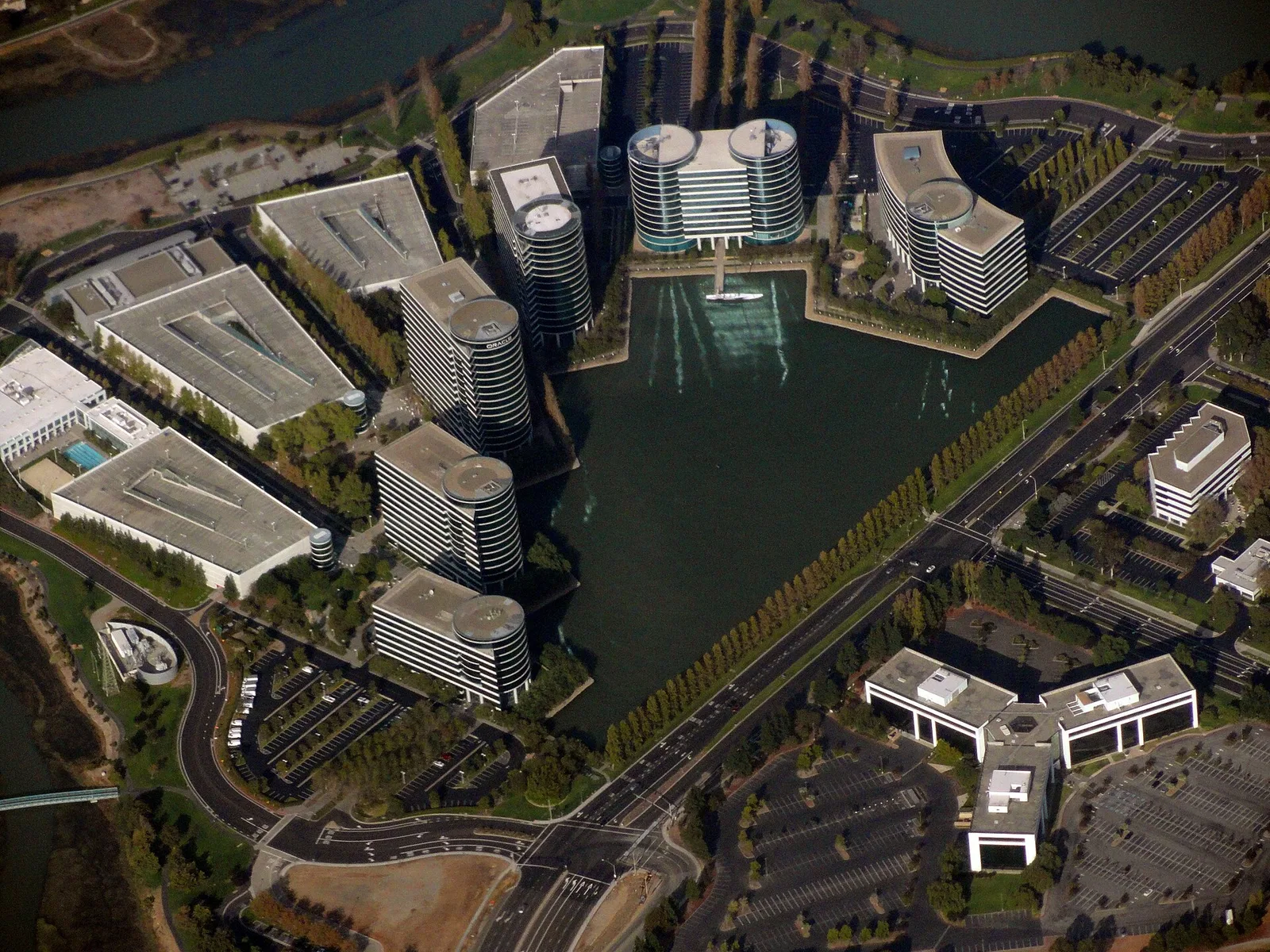
How the Abilene and Shackelford data centres are progressing
The statement doubled as a progress report on the build. Oracle said its campus in Abilene, Texas, where OpenAI's Astra-6 model was trained, is "nearly complete". Shackelford, its next gigawatt-scale campus in Shackelford County, Texas, is "fully permitted". A gigawatt is roughly the output of a large power station, which gives a sense of how much electricity these sites will draw.
The handover of Nvidia's Vera Rubin server racks in its data halls is on track for the coming weeks, Oracle said. Beyond the first Stargate site in Abilene, Oracle and OpenAI plan 4.5 gigawatts of extra US capacity, Reuters reported.
The scale is the reason for the nerves. Oracle's spending on data centres already outpaces its quarterly revenue, The Next Web noted. When the company reported its September results, with a $664bn backlog of signed contracts, heavy building had pushed its free cash flow to minus $5.4bn.
Why investors worry about how AI is paid for
Oracle spoke at the end of a bruising week for anything tied to artificial intelligence. On Friday the S&P 500 slipped into correction territory, meaning a fall of 10% from its peak, as chip stocks sank.
Investors have questioned how much capital Oracle needs for its AI expansion and how exposed it is to a single customer, OpenAI, according to Reuters. There was a reminder of that risk earlier this month, when Microsoft began winding down its deal to rent AI computing from Oracle, The Next Web reported.
A second worry is about circular financing. The fear is that the same handful of chipmakers, cloud groups and AI labs invest in, lend to and buy from one another, so demand can look larger than it is. On CNBC on Friday, the tech critic Ed Zitron warned that such loops between Nvidia, Oracle, the big cloud groups and the labs may be inflating demand, according to the Market News newsletter.
Borrowing for the build-out has grown fast too. Federal Reserve Governor Michael Barr said this month that debt at the seven largest AI firms should top $800bn this year. Lenders are still writing large cheques, though: this week Apollo and Goldman Sachs lifted SpaceX's record GPU financing to about $44bn.
What fully funded means for Oracle shareholders
For shareholders, the message is that Oracle says it does not need to come back to the market with another sale of shares or bonds to finish this job. Every new share shrinks the slice owned by existing investors, and every new bond adds to the interest bill.
Oracle also repeated its cash targets. It expects free cash flow, the cash left after paying for buildings and equipment, to turn positive in the second half of its 2028 financial year. It is aiming for more than $30bn in its 2029 financial year and expects to fund its own growth from that year on.
The central risk has not gone away: Oracle's biggest contract depends on one customer paying its bills on time. But on a Friday when AI shares were being sold hard, and in a week when European regulators flagged how much euro area funds hold in US tech, Oracle offered investors something they had not heard much of lately: a company saying the money for its build-out is already raised.
Is Oracle's OpenAI contract fully funded?
Yes, according to Oracle. On Friday 20 November 2026 the company said it has secured all the funding it needs to fulfil its OpenAI contract, after a final $20bn raise of shares and debt earlier in November.
Why did Oracle shares rise after hours on Friday?
Oracle shares rose as much as 3.3% after the close on Friday 20 November, Reuters reported, after the company said its OpenAI contract was fully funded and that further vendor financing talks were only extra options.
When will Oracle's free cash flow turn positive?
Oracle expects positive free cash flow in the second half of its 2028 financial year and is targeting more than $30bn of free cash flow in its 2029 financial year, it said on 20 November.