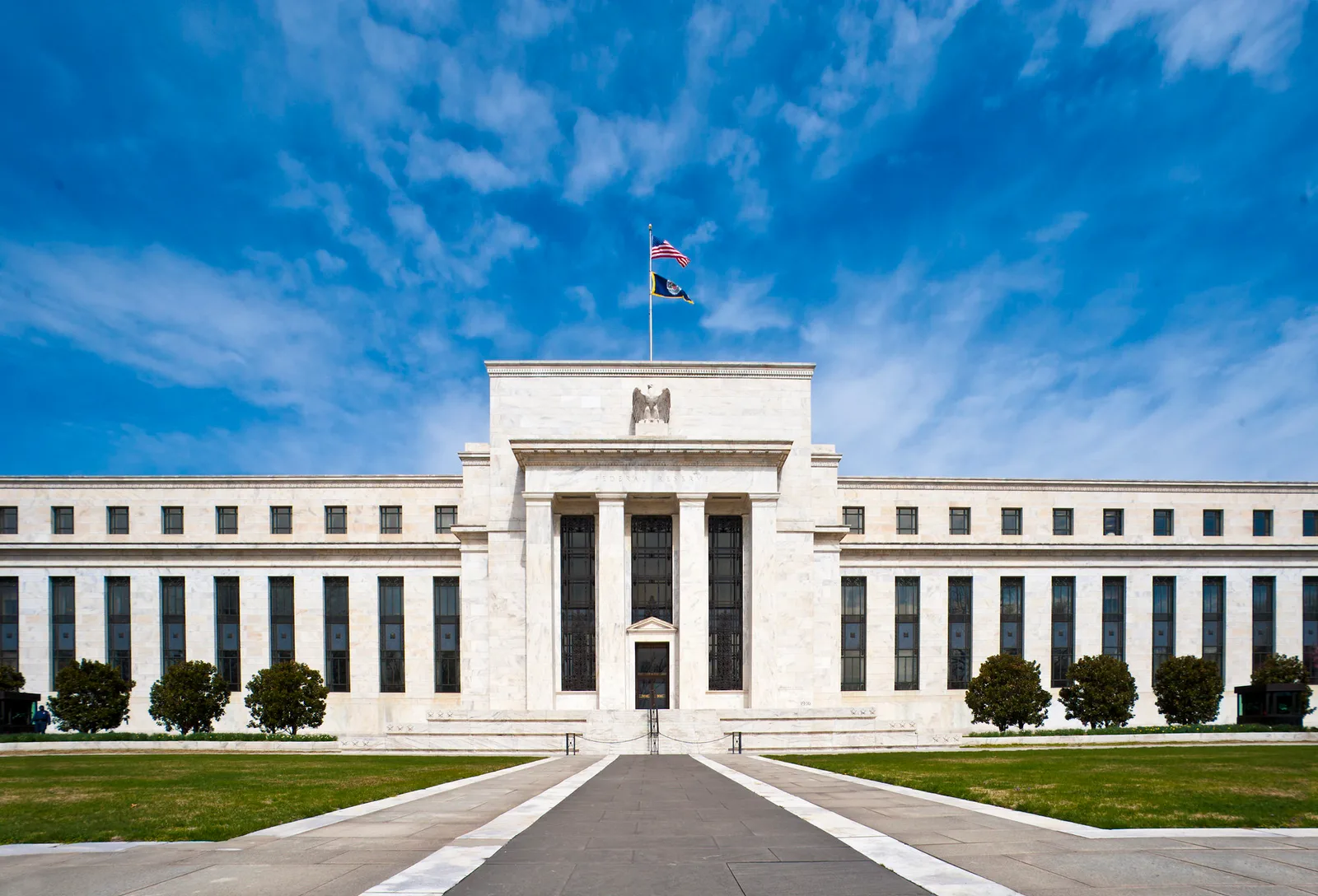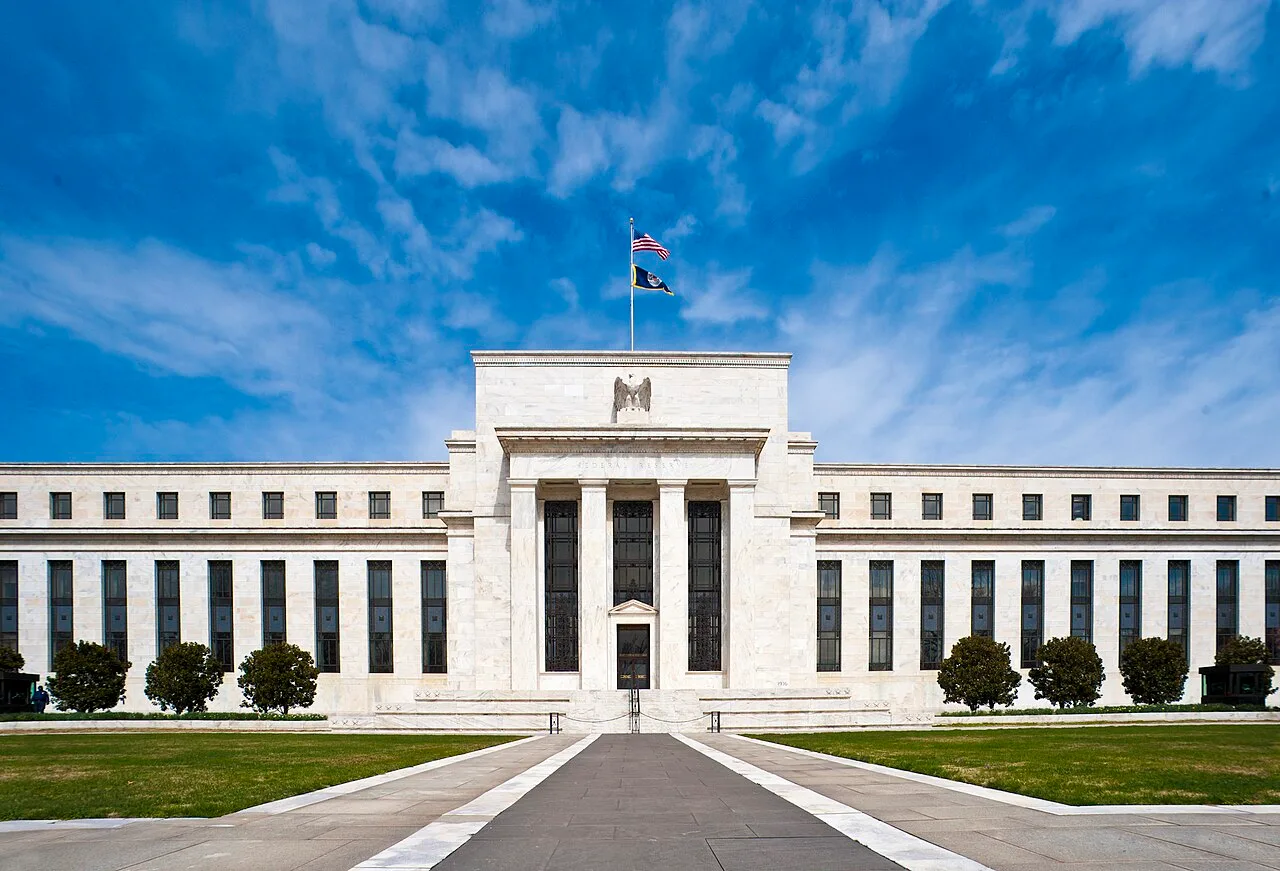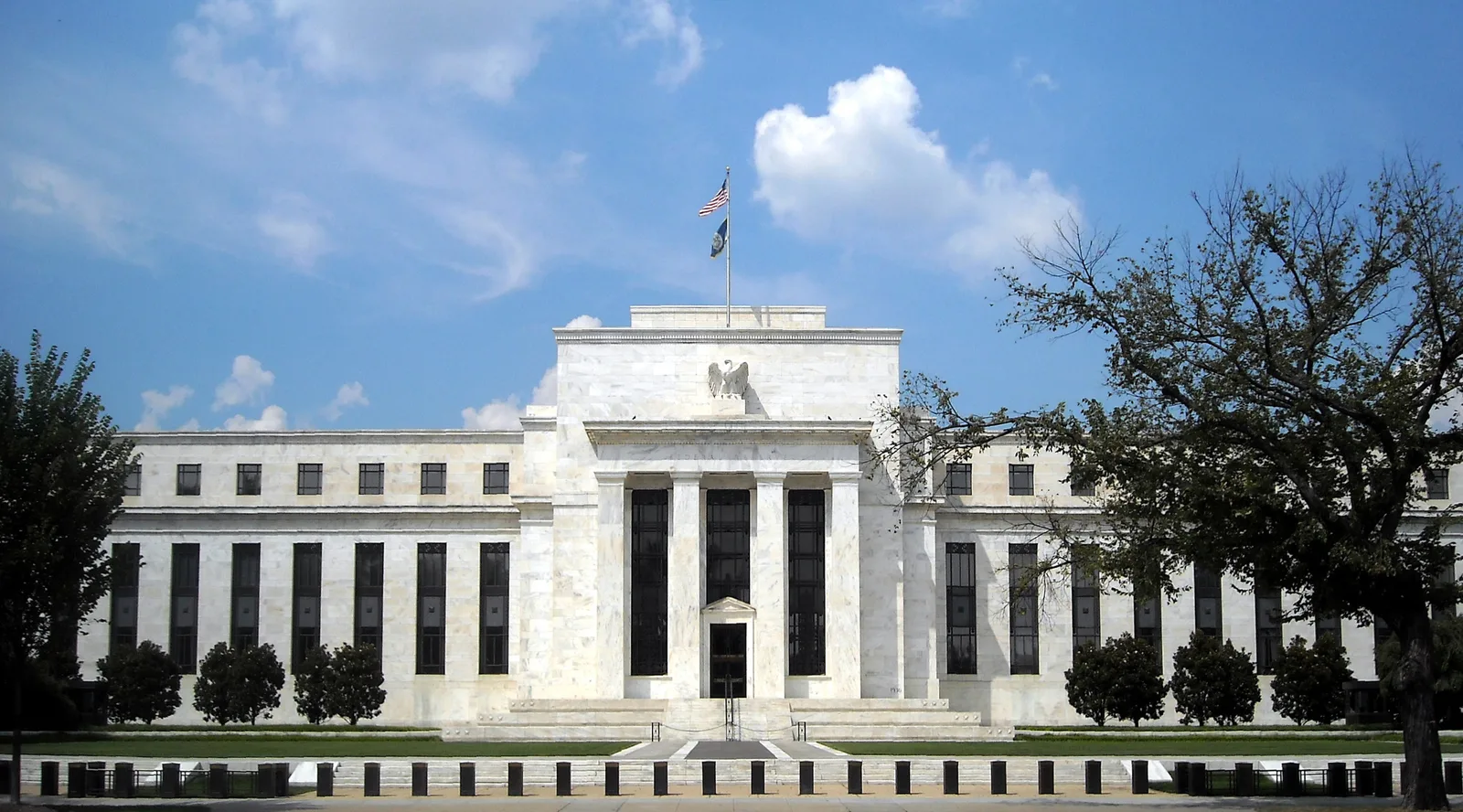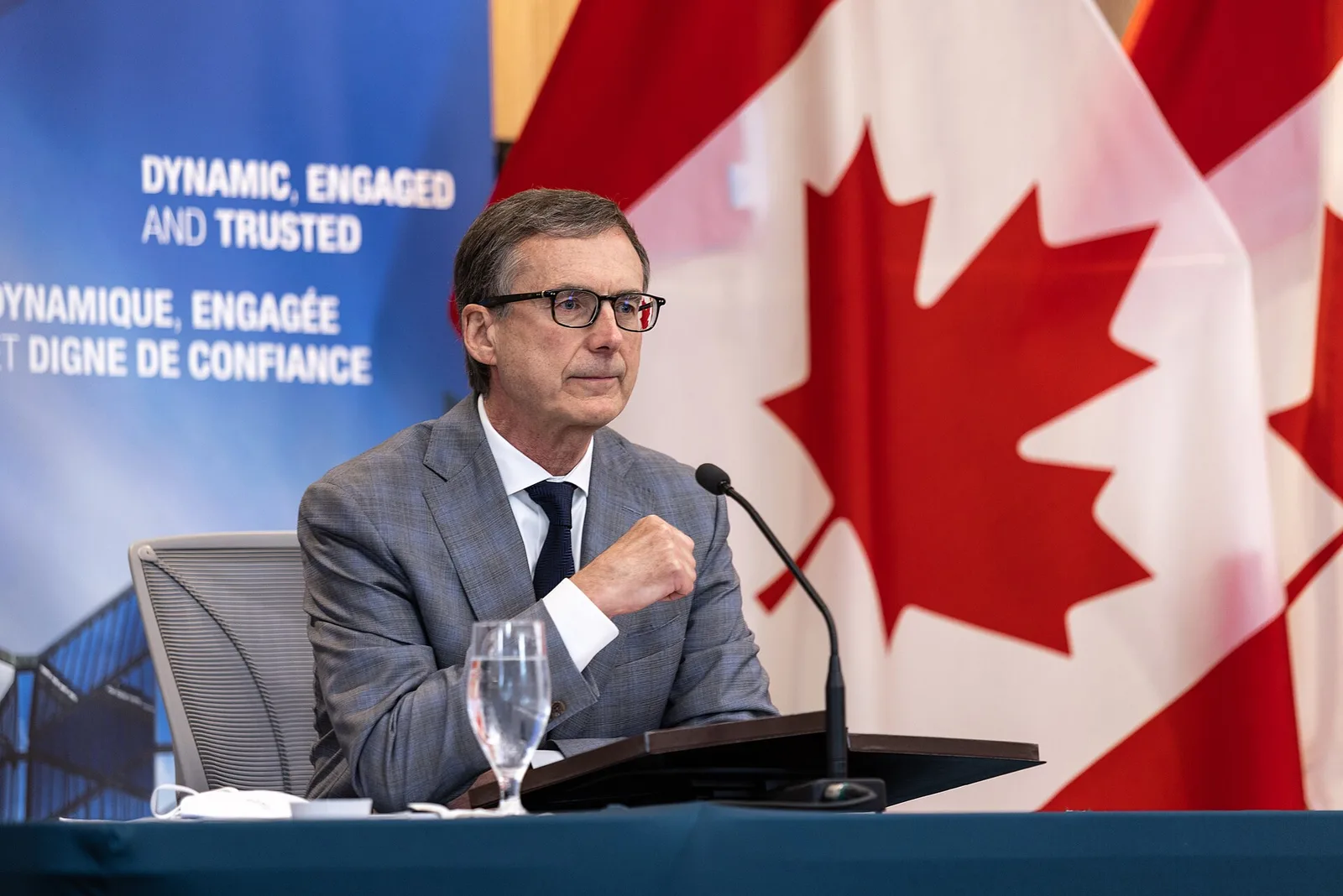
Federal Reserve Governor Lisa Cook said on Friday 20 November that US inflation is "unacceptably high", put the Fed's preferred price gauge at an estimated 3.8% in October and doubted that September's single quarter-point rate rise will be enough. The same day, Treasury Secretary Scott Bessent used a CNBC interview to warn the Fed off a big December hike, citing the energy shock and falling crude delivery prices: "I would encourage the Fed to look forward, not backwards." The clash comes 18 days before the Fed's 8 and 9 December meeting.
Cook against Bessent, in numbers
- 3.8% Cook's estimate of the 12-month rise in PCE prices in October
- 3.2% Her estimate for core PCE, which strips out food and energy
- 4.92% The US 10-year Treasury yield on Friday, down from 5.04% on Thursday
What Lisa Cook said about inflation and more rate hikes
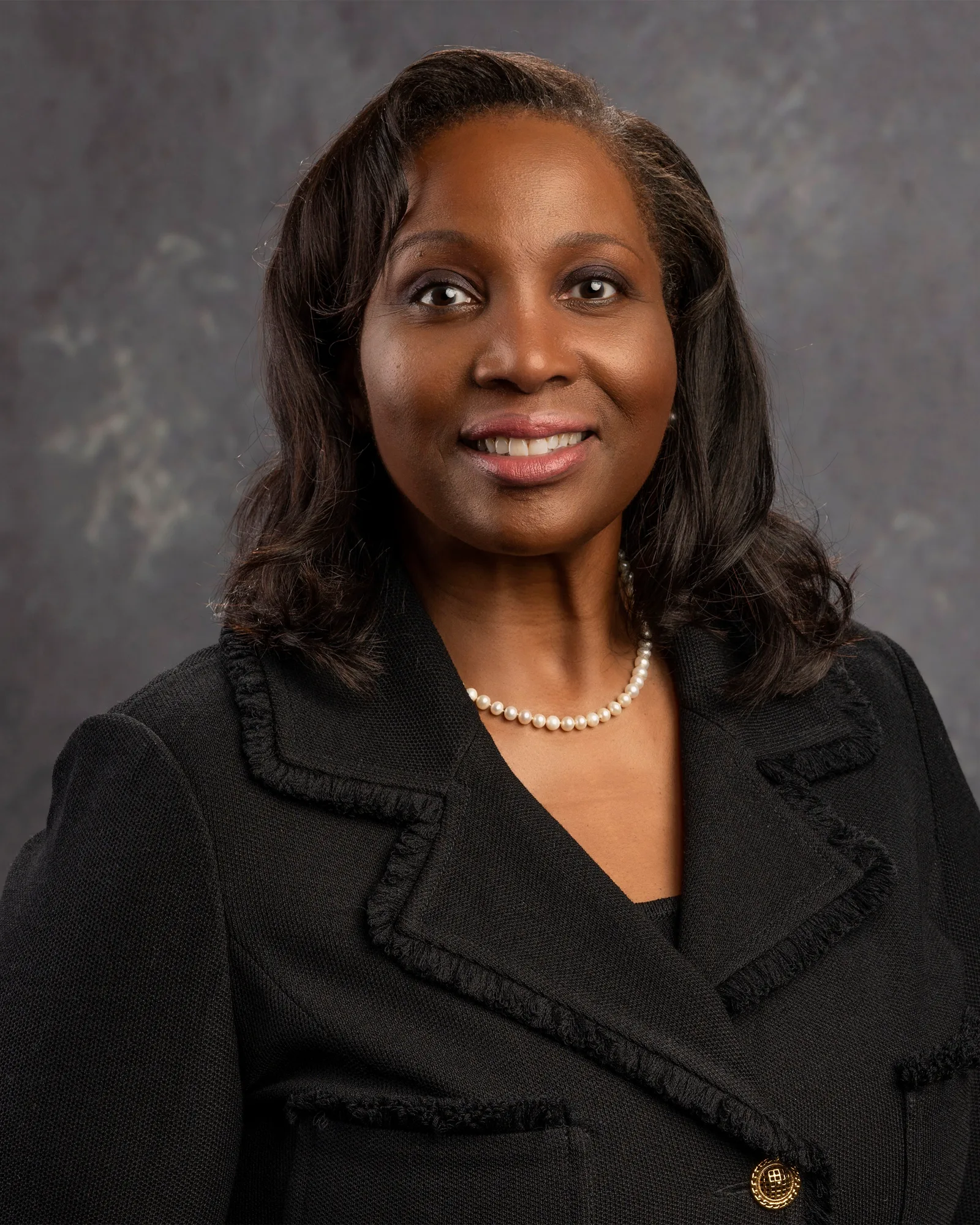
Cook spoke in Santiago, at a Central Bank of Chile conference, and she was blunt. "I have called inflation unacceptably high. This remains my view," she said. By her estimate, the PCE price index, the measure the Fed targets at 2%, rose 3.8% in the 12 months to October, with core prices up 3.2%. The official October figures from the Bureau of Economic Analysis arrive on Wednesday 25 November at 8.30am Washington time.
She has voted the way she talks. Cook backed September's rise to a range of 3.75% to 4%, then broke ranks at the October hold. "I dissented from that decision. I preferred to raise the target range another 1/4 percentage point," she said.
"I am skeptical that September's single 1/4 point rate increase will be enough to change the path of inflation," Cook said. Financial conditions, in her view, "are too accommodative at a time when inflation remains stubbornly above target". In plain words: money is still too cheap.
Delay, she argued, has a price. "If we fall behind, additional and larger rate increases may be required later to catch up," she said. What she did not do was name a size for December: "The number and magnitude of future adjustments should be informed by observations of the economy's reaction to our policy actions."
Her picture was of an economy running hot: unemployment of 4.1% in October, 165,000 new jobs and output growing at a 3.4% annual pace in the third quarter, with the AI infrastructure build-out a significant contributor.
What Scott Bessent told CNBC about oil and the Fed
Bessent urged the Fed not to embrace a big rate rise, as some governors are doing, pointing to the energy supply shock and a drop in crude delivery prices, Reuters reported. He said one governor now backing a 50 basis point (half-point) hike had wanted a similar cut within the last year.
"So it seems somewhat peripatetic," he said, using a word that means wandering from place to place. Reuters reported no name. Two days earlier, on Wednesday 18 November, Governor Christopher Waller had floated a half-point December rise on CNBC, saying "You might need to, like, shock people."
Bessent's case leans on energy, and oil has been sliding: it was heading for a third straight weekly loss on Friday. Cook's speech pointed the other way: she noted experts' warnings that damaged infrastructure and depleted inventories could keep oil prices high for an extended period.
Why the split matters before the Fed's December meeting
The decision belongs to the Federal Open Market Committee, where Bessent has no vote. Wednesday's PCE report is the last big inflation reading before its 8 and 9 December meeting.
Financial markets broadly expect the Fed to raise rates in December and to follow with more rises next year, Reuters reported. Several big banks, BMK News reported on Thursday, now expect a rise at each of the next three meetings. The fight is over pace and size.
Bonds rallied on Friday all the same, as several large tech stocks fell more than 10%, Mortgage News Daily noted. The 2-year Treasury yield, which tracks expected Fed moves, fell to 4.63% from 4.76%, and the 10-year ended at 4.92%, Treasury data show, extending the 10-year yield's slide below 5%.
What a December Fed hike means for mortgages, credit cards and savings
Credit cards feel it first. The prime rate, the base for most US card rates, stood at 7.00% on Thursday 19 November, three points above the top of the Fed's range. If that gap holds, a quarter-point Fed rise would take it to 7.25%. Cardholders who paid interest were already charged 22.36% on average in the third quarter, Fed data show.
Mortgages take their lead from the bond market. The average 30-year fixed rate fell 0.12 points to 7.33% on Friday, its lowest since 10 November, according to Mortgage News Daily.
Savers earn far less than the market pays. The FDIC's national average savings rate was 0.39% as of 16 November and a 12-month CD paid 1.81%, while a three-month Treasury bill yielded 4.16% on 19 November, Fed data show.
What to watch next
- Wednesday 25 November, 8.30am: October personal income and outlays, with PCE inflation.
- Wednesday 25 November, 8.30am: the second estimate of third-quarter GDP.
- Tuesday 8 and Wednesday 9 December: the Fed's decision, with new projections from officials.
Will the Fed raise interest rates in December 2026?
Financial markets broadly expect a rise at the 8 and 9 December meeting, Reuters reported on 20 November. Governor Lisa Cook said she doubts September's single quarter-point rise will be enough, but did not name a size.
What did Scott Bessent say about Fed rate hikes?
On Friday 20 November, Treasury Secretary Scott Bessent urged the Fed not to make a big rate rise, citing the energy shock and falling crude delivery prices. He told CNBC the Fed should "look forward, not backwards."
Sources
- Federal Reserve Board: The U.S. Economy in Global Context, speech by Governor Lisa D. Cook
- Reuters via Kitco: Fed's Cook says rate hikes needed to lower high inflation
- Reuters via KFGO: Bessent advocates lower Fed rate hike, cites energy shock
- The Mortgage Point: Fed Governor says central bank may need to shock people with half-point rate hike
- Bureau of Economic Analysis: Release schedule
- Federal Reserve Board: Meeting calendars and information
- Federal Reserve Board: H.15 Selected Interest Rates
- Federal Reserve Board: G.19 Consumer Credit
- US Treasury: Daily Treasury Par Yield Curve Rates
- Mortgage News Daily: Mortgage rates
- FDIC: National rates and rate caps