Energy Fuels sold 320,000 pounds of uranium in the third quarter at an average of $88.90 a pound, lifting revenue to $29.2 million from $17.7 million a year earlier. The net loss widened to $52.4 million, but most of that came from paper losses on its investment portfolio, and the company's growth plans now centre on rare earths.
The US producer, listed on NYSE American as UUUU and in Toronto as EFR, reported on 4 November. Its results arrived a little over a week after two Australian government lenders conditionally agreed to finance most of the debt for its Donald rare earth and mineral sands project in Victoria.
Uranium Prices Do the Work
Uranium accounted for $28.4 million of revenue. Most of the volume, 270,000 pounds, went to utilities under long-term contracts at $88.79 a pound. The other 50,000 pounds were sold on the spot market at $89.50.
The realised price was 10 percent higher than in the second quarter and 27 percent above the first. A further $0.4 million came from the first sales of finished neodymium-iron-boron alloy from the company's Korean Metals Plant in September.
Energy Fuels, third quarter 2026
- $29.2m revenue, up from $17.7m a year earlier
- $88.90 average realised uranium price per pound
- $932.3m working capital at 30 September
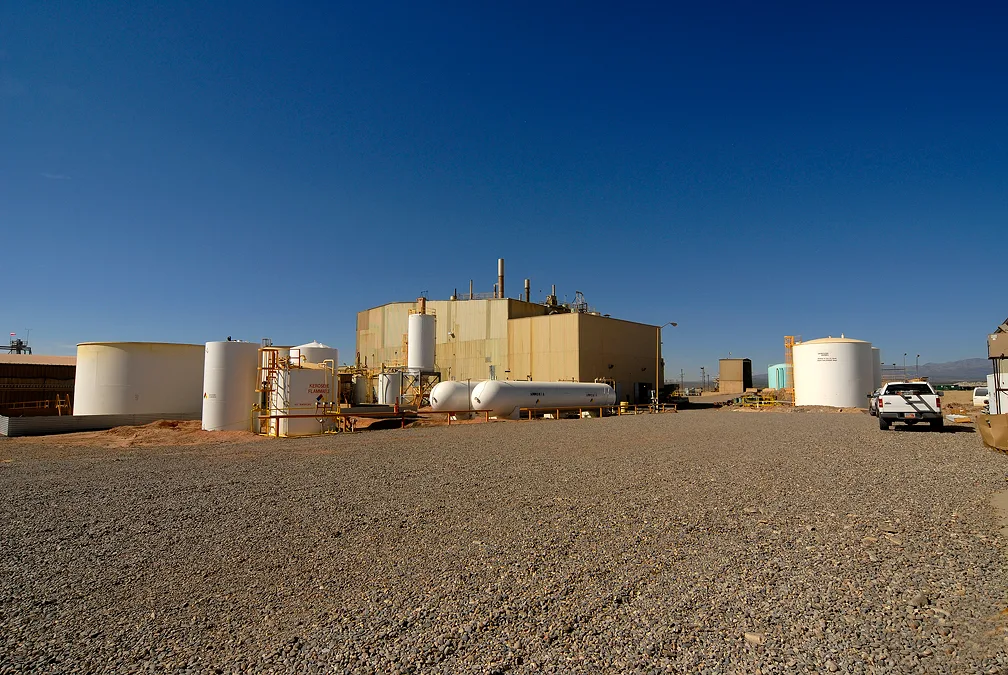
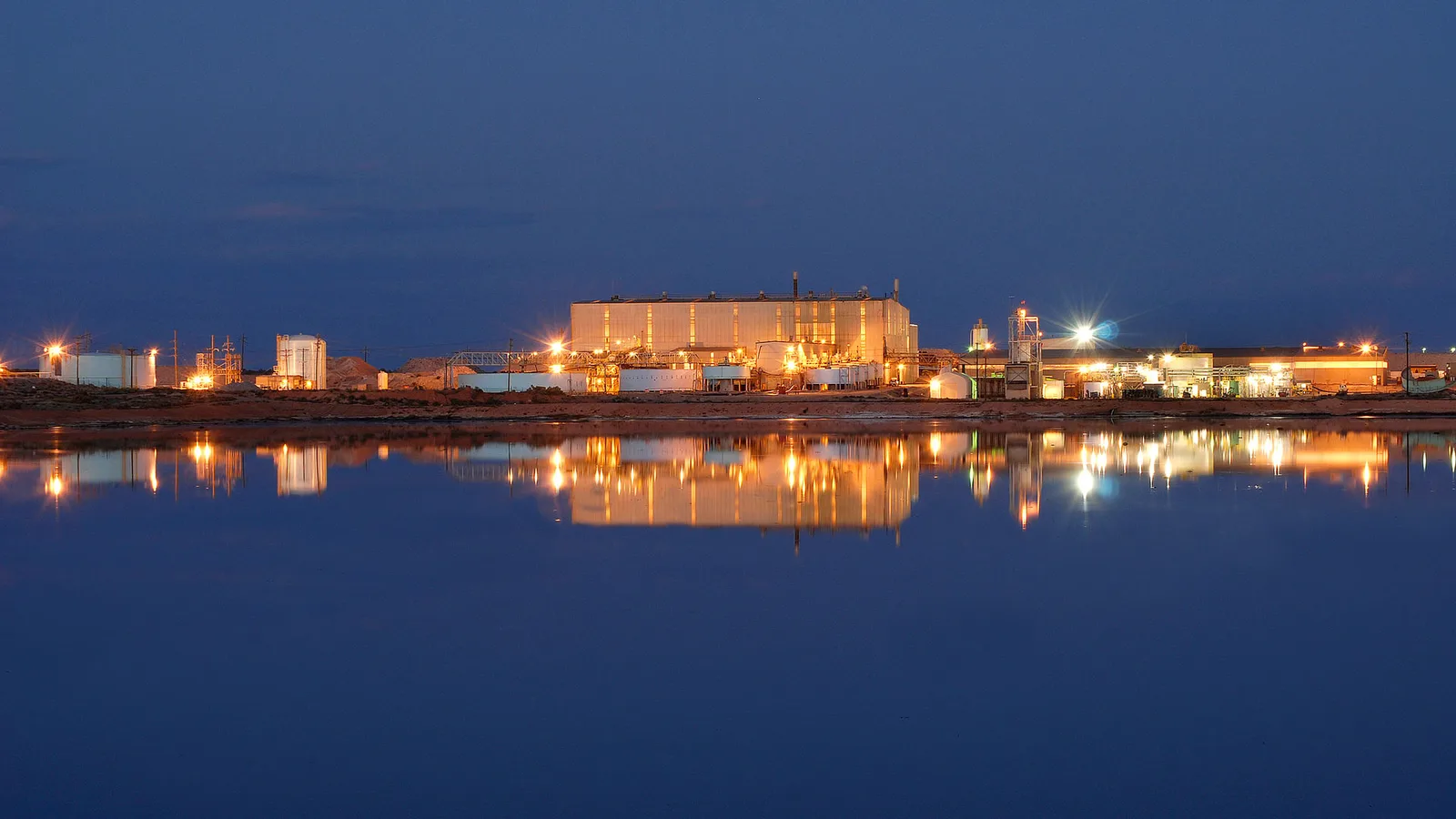
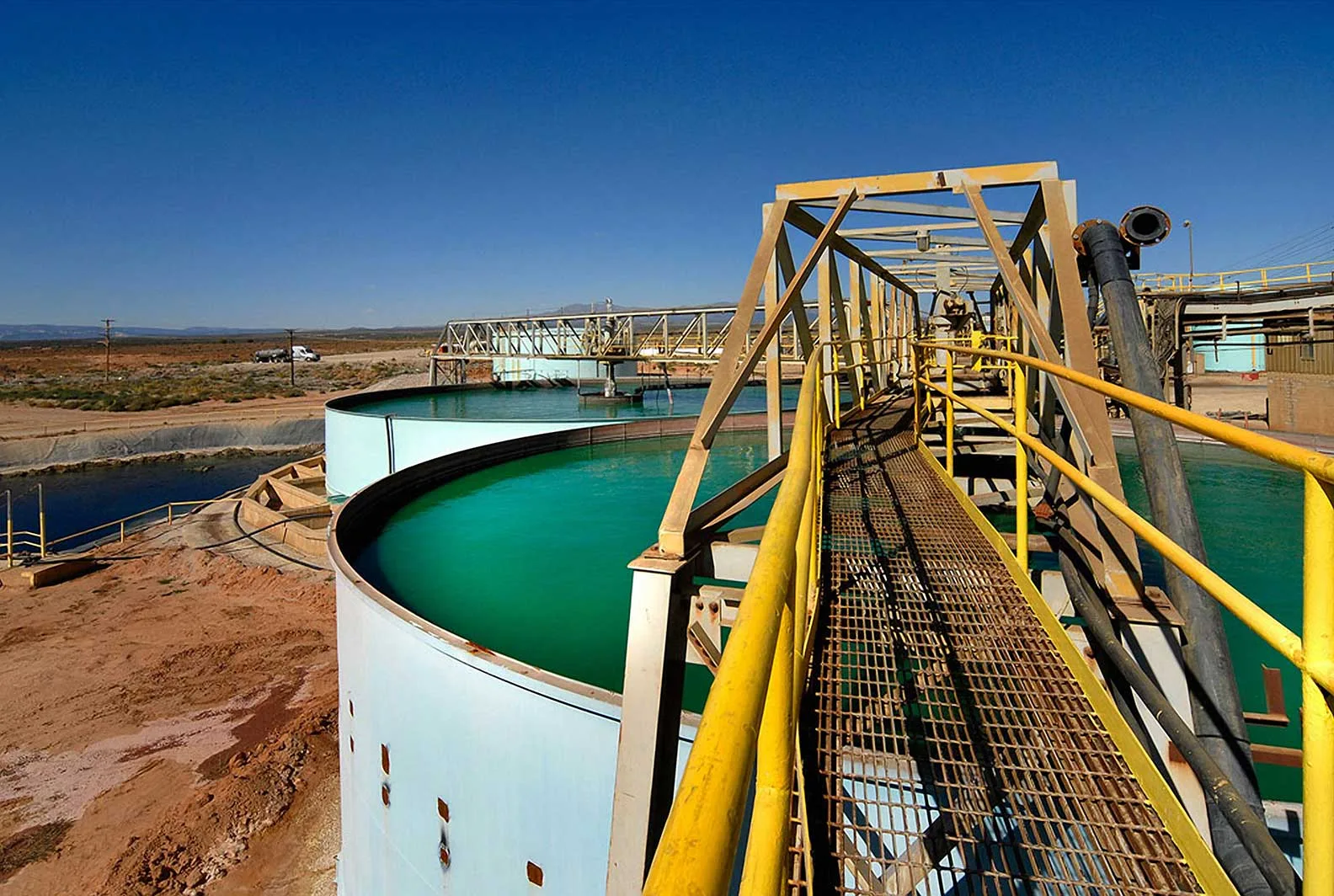
On the production side, the company mined 385,000 pounds of uranium oxide in the quarter from its Pinyon Plain, La Sal and Pandora mines, taking the total for the year to 1.1 million pounds. The White Mesa Mill in Utah, where ore is processed, finished scheduled maintenance during the quarter, and another processing run is planned before the end of the year.
Energy Fuels: share price, chart and news
Why the Loss Widened
The net loss of $52.4 million, or $0.20 a share, compares with $16.7 million, or $0.07 a share, a year earlier. The main driver was $35.3 million of unrealised, non-cash losses on marketable securities. Higher market interest rates cut the value of the interest-bearing debt securities the company holds. Those holdings also paid $9.4 million of cash interest in the quarter, which partly offset the hit.
Stripping out the portfolio, the business looked steadier. The operating loss narrowed slightly to $25.3 million from $26.7 million.
The balance sheet remains large for a company of this revenue size. Working capital stood at $932.3 million at the end of September, little changed from $927.4 million at the end of 2025. That included $779.5 million of marketable securities, mainly interest-bearing securities and uranium equities, $76.4 million in cash and $90.3 million of inventory.
Donald Moves Closer to a Final Decision
On 26 October Export Finance Australia and the National Reconstruction Fund Corporation conditionally approved up to A$180 million, about US$126 million, towards a proposed A$200 million senior debt facility for Donald. Export Finance Australia would lend up to A$70 million and the fund up to A$110 million, with commercial banks expected to provide the remaining A$20 million over a 10-year term.
The approval is not yet a loan. It depends on final documentation, due diligence, commercial lenders joining and final sign-offs. The partners are aiming for a final investment decision by the end of 2026.
Donald sits about 300 kilometres north-west of Melbourne and is fully permitted, with an expected mine life of about 40 years. Energy Fuels is earning a 49 percent stake from its Australian partner Astron by funding the first A$183 million of equity. It has put in about A$60 million so far for a 15.3 percent interest.
What Donald would produce in its first phase
- About 9,000 tonnes a year of rare earth concentrate, containing neodymium, praseodymium, dysprosium and terbium
- About 225,000 tonnes a year of heavy mineral concentrate, containing zircon and titanium dioxide
- Energy Fuels would buy all of the rare earth concentrate, and Astron all of the heavy mineral concentrate
From Mine to Magnet
The plan is to ship Donald's concentrate to White Mesa, which would turn it into about 1,000 tonnes a year of neodymium-praseodymium oxide, plus dysprosium and terbium oxides. Chief executive Ross Bhappu said Donald's "heavy rare earth content, particularly dysprosium and terbium, is especially important".
Construction of the heavy rare earth expansion at the mill was approved in July. Commissioning of the dysprosium and terbium circuits is expected in early 2028, with samarium, europium and gadolinium following later that year.
The company has also been buying further down the supply chain. It completed the purchase of Australian Strategic Materials in August, which brought the Korean metals plant and the Dubbo project in New South Wales. Its pending takeover of Vacuumschmelze, which it describes as the largest rare earth magnet maker outside China and Japan, still needs regulatory approval and is expected to close in early 2027. Energy Fuels expects Donald's concentrate to supply about 77 percent of that business's existing magnet capacity.
In June the company also received a conditional commitment from the US Office of Strategic Capital for a loan of up to US$725 million, over 20 years, to support its American rare earth and critical minerals processing expansion.
For shareholders, the near-term markers are the Donald investment decision, the closing of the Vacuumschmelze deal and the fourth-quarter mill run. Uranium still pays most of the bills, but the rare earth projects will decide how much capital the company needs over the next two years.
Sources
- Energy Fuels: Energy Fuels Announces Q3-2026 Results (4 November 2026)
- Energy Fuels: Donald Rare Earth and Mineral Sands Project Achieves Major Government Financing Milestone (26 October 2026)
- Pulse 2.0: Energy Fuels Receives Conditional $725 Million Financing Commitment From U.S. Government (21 June 2026)