Two Australian government lenders have conditionally approved up to A$180m (US$126m) of debt for the first phase of the Donald rare earth and mineral sands project in Victoria. The approvals bring Energy Fuels and its partner Astron a step closer to a final investment decision, which they are aiming for by the end of 2026.
What the lenders approved
Export Finance Australia (EFA) and the National Reconstruction Fund Corporation (NRFC) have conditionally approved up to A$180m, Energy Fuels said in a release dated 26 October. The money would make up most of a proposed A$200m senior project finance facility for Phase 1 of Donald, a joint venture between the US-listed company and Australia's Astron Limited.
EFA would lend up to A$70m and the NRFC up to A$110m. The remaining A$20m is expected to come from commercial lenders, which have not been named. The facility would run for ten years from financial close, with interest set at the Australian bank bill swap rate (BBSY) plus a margin.
The proceeds would pay for development, construction and commissioning of Phase 1, plus financing costs and operating costs during the ramp-up.
Energy Fuels: share price, chart and news
Conditional, not yet committed
The approvals are not a final loan commitment. Before financial close, the partners still need definitive financing and project documents, satisfactory due diligence, the balance of the debt from commercial lenders, final approvals and the usual conditions precedent. Talks are also continuing on the commercial term loan and on bank guarantee facilities.
Donald Phase 1 debt package
- A$180m conditionally approved by EFA and the NRFC
- A$200m proposed senior project finance facility
- 10 years loan term from financial close
| Lender | Amount | Status |
|---|---|---|
| Export Finance Australia | up to A$70m | conditional approval |
| National Reconstruction Fund Corporation | up to A$110m | conditional approval |
| Commercial lenders | A$20m | not yet named |
What Donald would produce
Donald lies about 300km north-west of Melbourne. Energy Fuels describes it as fully permitted and ready for construction, with a 40-year mine life. Phase 1 is expected to produce about 9,000 tonnes a year of rare earth element concentrate, containing the minerals monazite and xenotime, and about 225,000 tonnes a year of heavy mineral concentrate holding zircon and titanium minerals.
The partners split the output. Energy Fuels expects to buy all of the rare earth concentrate, while Astron expects to take all of the heavy mineral concentrate and sell it to customers worldwide.
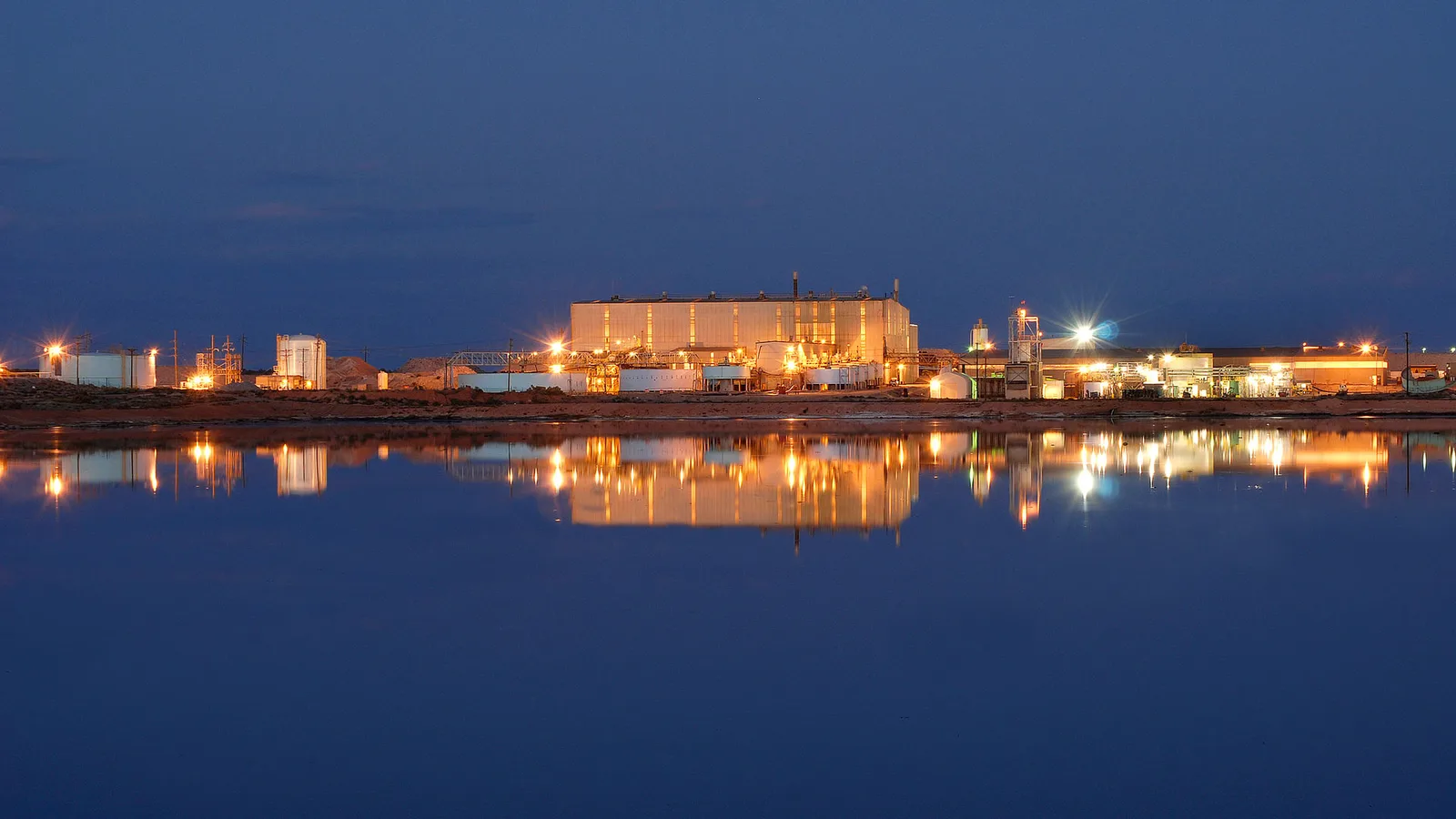
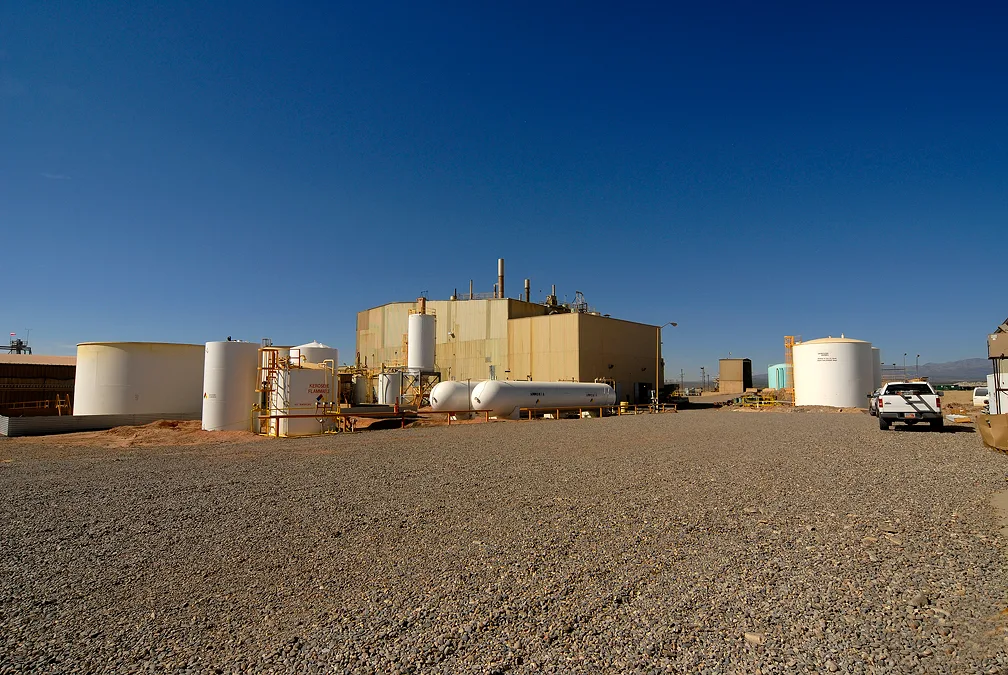
The rare earth concentrate would be shipped to Energy Fuels' White Mesa Mill in Utah. The company says the mill can handle up to 10,000 tonnes of concentrate and make up to 1,000 tonnes of NdPr oxide a year. Donald's Phase 1 output is expected to yield about 1,000 tonnes of NdPr oxide a year, along with terbium and dysprosium oxides. Circuits for those heavy rare earths at White Mesa are due to be commissioned in early 2028.
"This financing milestone brings the Donald Project closer to an FID," said chief executive Ross Bhappu. He described the project's dysprosium and terbium content as especially important.
Energy Fuels' stake and the spending still ahead
Energy Fuels is earning a 49% interest in Donald by funding the first A$183m (US$127m) of upfront equity. It has invested about A$60m so far, which gives it a 15.3% interest. According to the release, about A$86m in cash and US$14m worth of Energy Fuels shares are still required.
Donald is one piece of a broader plan to build a mine-to-magnet supply chain allied with Western countries. Energy Fuels completed its takeover of Australian Strategic Materials in August, adding the Korean Metals Plant in Ochang, South Korea. That plant makes NdFeB alloy, the material used in permanent magnets, and is being expanded from 1,300 tonnes a year to about 3,600 tonnes. Donald-derived NdPr is expected to supply about 75% of the expanded capacity.
The company also expects to complete its purchase of the magnet maker Vacuumschmelze, which has plants in Germany, Finland and South Carolina, in the first quarter of 2027. Separately, it received a conditional US$725m loan commitment in June from the US Office of Strategic Capital for rare earth processing, separation, metal and alloy capacity in the United States.
Risks and what comes next
The approvals clear one hurdle but leave several in place. The loans depend on conditions that have not yet been met, the commercial A$20m has not been placed, and the release gives no total capital cost for Phase 1. Part of Energy Fuels' remaining contribution is to be paid in shares, which would dilute existing holders. Rare earth prices and the start-up of new processing circuits add market and technical risk.
Energy Fuels shares closed at $7.56 in New York on 26 October, down from $8.57 on 15 October.
What to watch
- A final investment decision on Donald, targeted by the end of 2026
- Financial close, and the commercial lenders chosen for the A$20m balance
- Completion of the Vacuumschmelze purchase, expected in the first quarter of 2027
- Commissioning of the heavy rare earth circuits at White Mesa in early 2028