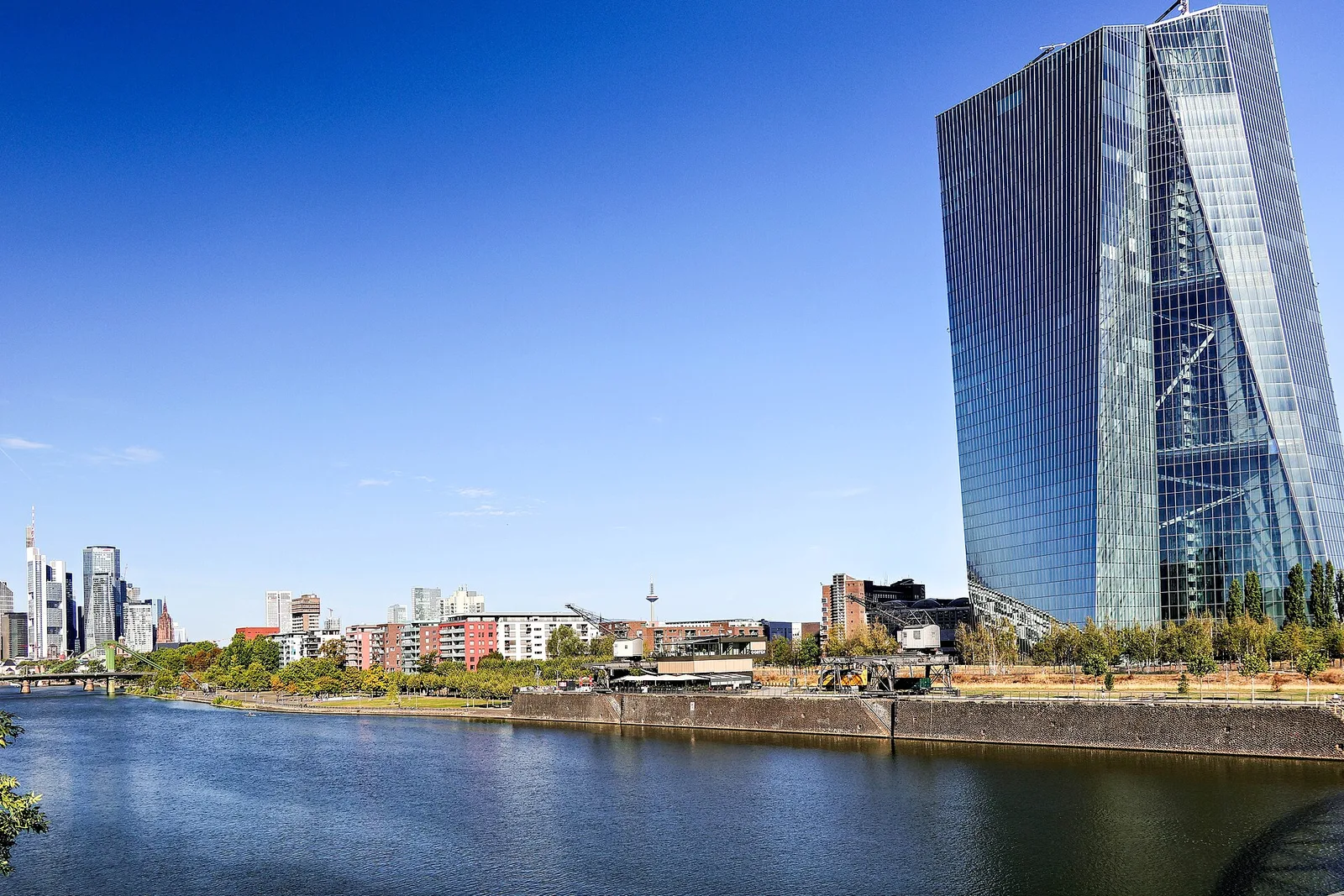
Germany's flash composite PMI jumped to 55.0 in November, its highest in 56 months, while France's slid to 46.2, S&P Global's surveys showed on Monday 23 November. The gap between the euro zone's two biggest economies is now the widest in six years. With French factory output at a 21-month low and euro zone inflation at 4%, the split matters to anyone with a euro loan or savings account.
November flash PMIs at a glance
- 55.0 Germany's composite PMI, its highest in 56 months
- 46.2 France's composite PMI, a six-month low
- 51.7 Euro zone composite PMI, unchanged from October
Germany's private sector grows at its fastest pace since March 2022
Germany's private sector grew at its fastest pace since March 2022 in November, and its factories led the way. The composite PMI rose to 55.0 from 53.4 in October.
The PMI, or purchasing managers' index, is a monthly survey of company bosses that blends factories and services into one score. Above 50 means growth; below 50 means decline.
Factory output did the heavy lifting. It reached 57.4, a 63-month high, while the services index climbed to 54.0 from 52.5. ActionForex said the upturn is supported partly by investment in defence and AI-related technology.
That marks a sharp turn for an economy that grew just 0.2% in the third quarter, according to Eurostat.
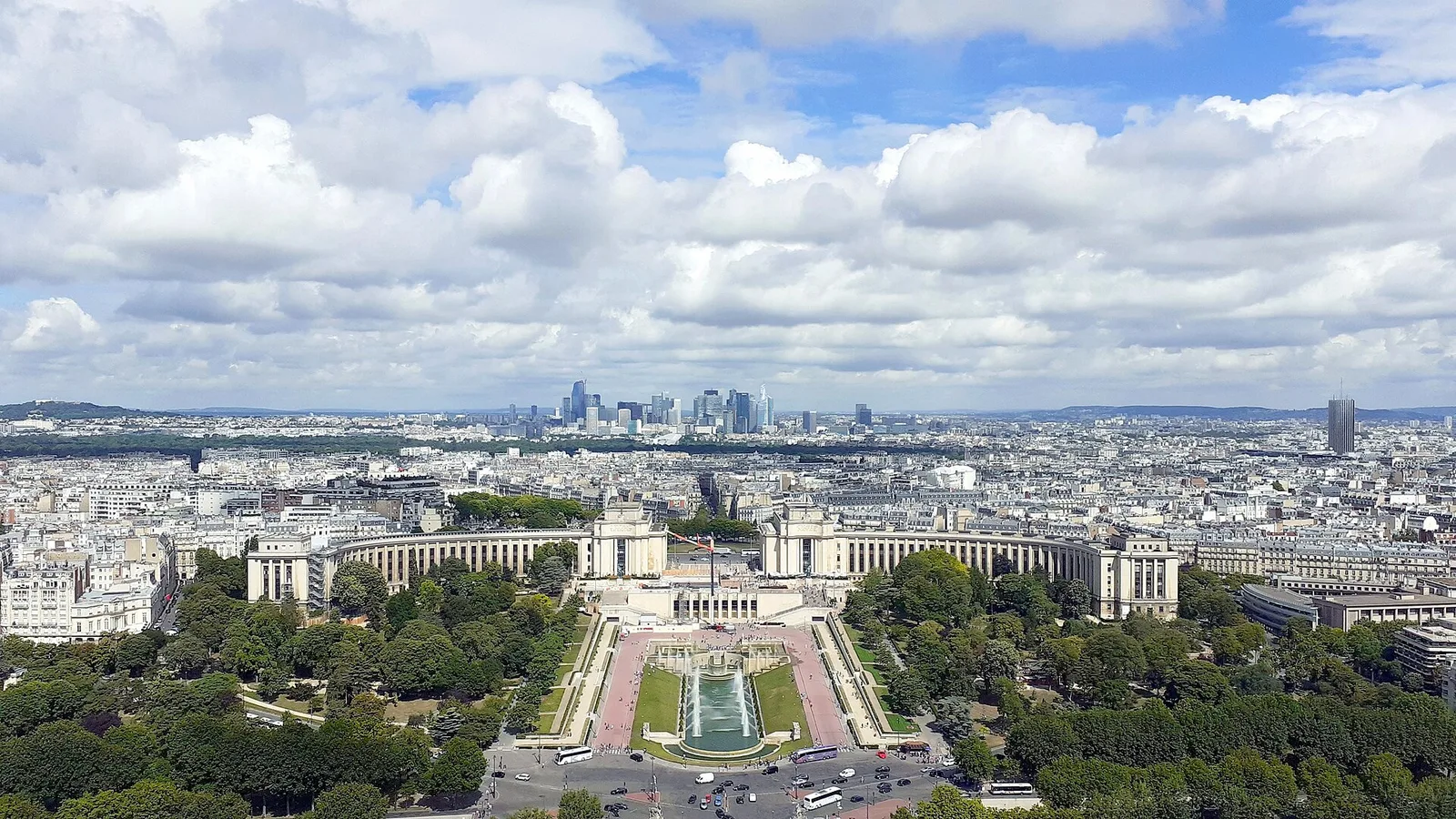
France's factory output falls to its weakest level in 21 months
France is heading the other way, with its composite PMI falling to 46.2 from 46.6, a six-month low. Business activity has now fallen for two months in a row, and by the most in six months, KBC noted.
The manufacturing index dropped to 47.9 from 49.5. Factory output sank to 44.5 from 48.5, its weakest reading in 21 months. Services edged up to 46.6 from 46.2, but that is still well below the 50 line.
The survey lands on an economy that has barely grown this year. Eurostat's flash estimate shows French GDP fell 0.2% in the first quarter, was flat in the second and contracted again in the third quarter, by 0.1%.
Another fall between October and December would mean two shrinking quarters in a row, the usual definition of a technical recession.
Euro zone growth holds at 51.7 as Germany carries the bloc
The euro zone as a whole grew at an unchanged pace in November, with its composite PMI holding at 51.7 in a fifth straight month of expansion. KBC said that reading points to growth of about 0.3% in the final quarter of the year.
Services slipped to 51.2, a five-month low and below the 51.8 that forecasters expected. Manufacturing edged up to 52.9 from 52.7.
Growth now leans on one country. The rest of the euro zone, outside Germany and France, grew at its slowest pace in six months. Business confidence fell for a fourth month to its lowest level since May.
The mood has cooled since September, when euro zone business activity grew at its fastest pace since April 2023.
| Flash PMI, November | Composite | Manufacturing | Services | Factory output |
|---|---|---|---|---|
| Germany | 55.0 (53.4) | 55.0 (54.2) | 54.0 (52.5) | 57.4 (55.4) |
| France | 46.2 (46.6) | 47.9 (49.5) | 46.6 (46.2) | 44.5 (48.5) |
| Euro zone | 51.7 (51.7) | 52.9 (52.7) | 51.2 (51.4) | 53.3 (52.8) |
October readings in brackets. Source: S&P Global flash PMI surveys of 23 November 2026, as reported by ActionForex.
Why price pressures strengthen the case for a December ECB rate rise
The survey's price readings strengthen the case for a European Central Bank (ECB) rate rise in December, according to KBC Bank. Price indicators "continue to send a clear hawkish signal of inflation", the bank's analysts wrote, meaning they point towards higher interest rates.
Price rises did slow to a three-month low, both for the supplies firms buy and the prices they charge. Even so, ActionForex said price pressures remained substantial, particularly in Germany.
Euro zone inflation rose to 4.0% in October, up from 3.8% in September and double the ECB's 2% target, Eurostat confirmed on Wednesday 18 November. Energy was the biggest driver.
The ECB's deposit rate, the interest banks earn on cash parked at the central bank, has stood at 2.50% since 16 September. Policymakers meet in Frankfurt on 16 and 17 December, and where the big central banks stand shows how the ECB compares with the Fed and the Bank of England.
What the German and French PMIs mean for euro borrowers and savers
For households, the big question is whether the ECB raises rates in December. A quarter-point rise would lift the deposit rate to 2.75%.
Borrowers on variable-rate mortgages feel ECB moves through Euribor, the rate banks charge each other for loans. That explains why variable mortgage payments keep rising even when the ECB holds still.
Savers may see deposit rates edge up if banks pass on a rise. But with inflation at 4%, any account paying less still loses buying power.
Jobs show the same split. Euro zone factories hired at the fastest pace in three and a half years, but job cuts in services left employment broadly flat.
What is Germany's flash PMI for November 2026?
Germany's flash composite PMI rose to 55.0 in November 2026 from 53.4 in October, its highest in 56 months, according to S&P Global's survey released on Monday 23 November.
Is France heading for a recession?
France's flash composite PMI fell to a six-month low of 46.2 in November 2026, pointing to a shrinking private sector. French GDP fell 0.1% in the third quarter, so another fall in the fourth would mean a technical recession.
Will the ECB raise interest rates in December 2026?
The ECB announces its next rate decision on Thursday 17 December 2026. KBC Bank said the November PMI price readings back the case for a rise from the current 2.50% deposit rate.
The next test comes on Thursday 17 December, when the ECB announces its decision and holds its press conference.
Sources
- ActionForex: Eurozone PMI Holds Steady as German Growth Hits Four-Year High, France Slumps Further
- KBC Bank via ActionForex: Sunset Market Commentary
- Eurostat: Annual inflation up to 4.0% in the euro area
- Eurostat: GDP up by 0.4% and employment stable in the euro area
- European Central Bank: Key ECB interest rates
- European Central Bank: Meeting calendars of the Governing Council