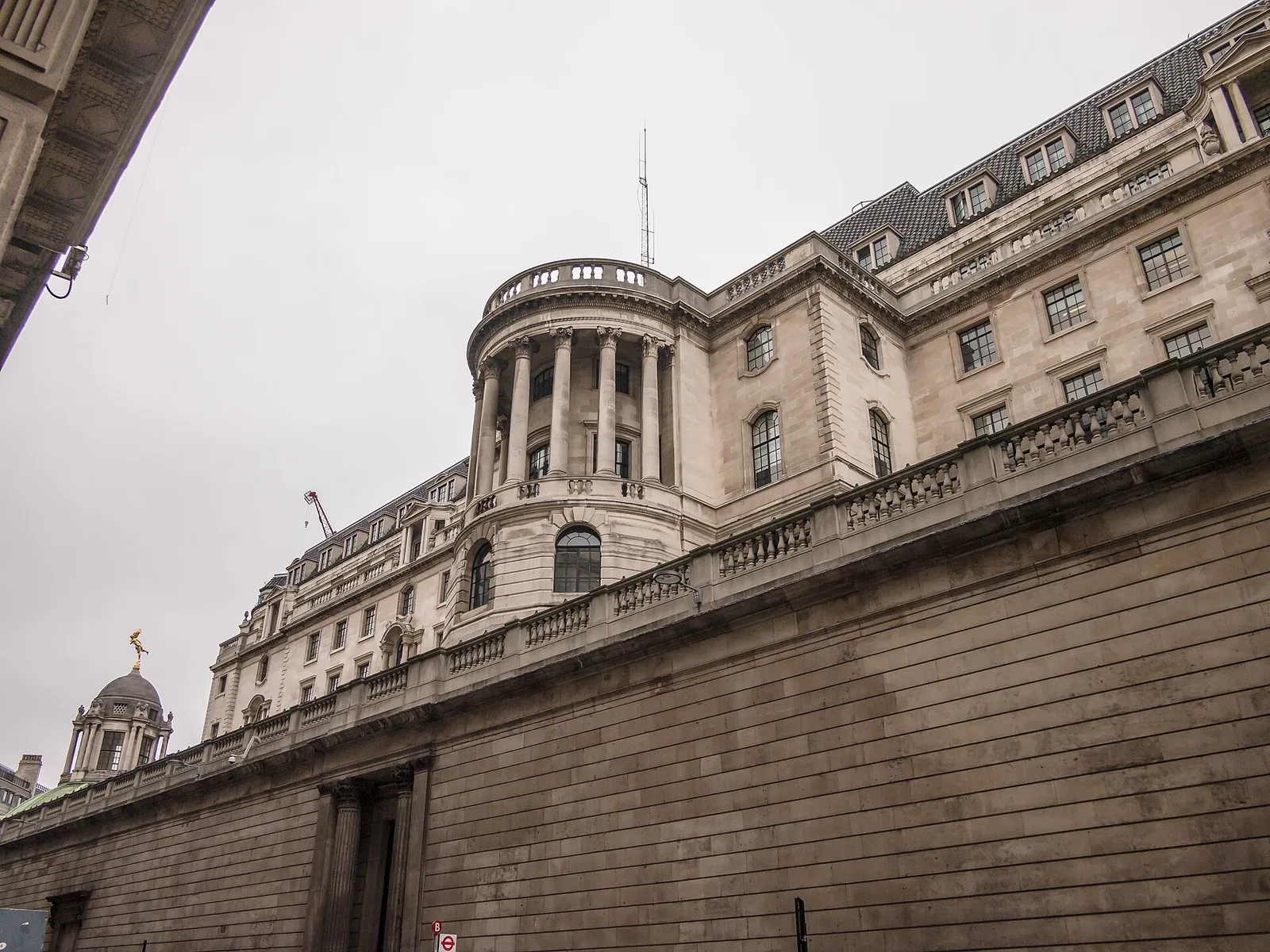
Bank of England chief economist Huw Pill said on Monday 23 November that the bank must "take action now" to keep UK inflation at its 2% target. Money markets now put the odds of a quarter-point rate rise in December at about 83%, Reuters reported. The pound, meanwhile, has lost more than 2% against the dollar this month.
The Bank of England's December test
- 83% Market odds of a quarter-point rise in December, according to Reuters
- 3 of 62 Months UK inflation has been below the 2% target, Pill said
- 52.3 UK composite PMI for November, down from 52.9 in October
What Huw Pill said in Vienna on Monday
Huw Pill told a conference in Vienna on Monday that the Bank of England must act now to keep inflation on course for its 2% target. The event, run by Austria's central bank, was about European economic integration.
"I think we do need to take action now," Pill said, according to Reuters. The aim, he said, was to meet the inflation target "on a lasting basis".
He also warned that the bank could not take its hard-earned credibility for granted. His evidence was blunt: UK inflation has been below target in only three of the last 62 months, Reuters reported. Put simply, prices have run hotter than the bank wants for most of the past five years.
Pill did not name a specific rate move in the reported remarks. It was not his first warning, though. On 14 November he said more rate rises were likely in 2027, MLQ.ai reported.
His words land on top of fresh price pressure. Official figures last week showed UK inflation rose to 3.6% in October, a one-year high.
Why markets expect a Bank of England rate rise in December
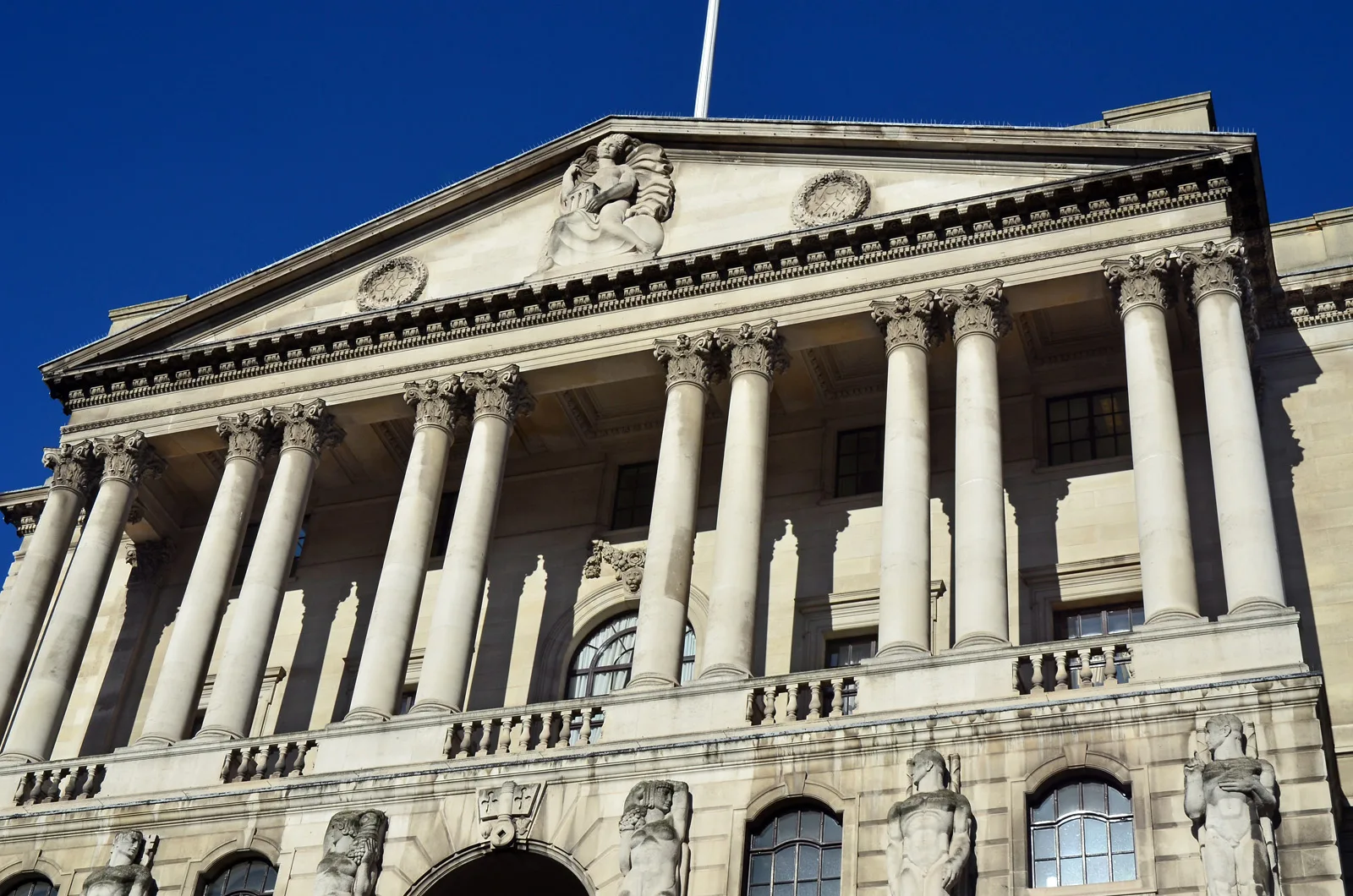
Traders see a quarter-point rise at the Bank of England's next decision, on Thursday 17 December, as very likely. Money markets priced about an 83% chance of that move on Monday, Reuters reported, which would lift Bank Rate from 4% to 4.25%.
Bank Rate, the bank's main interest rate, steers what borrowers pay and savers earn. The bank raised it by a quarter point to 4% on 5 November, its first increase this year.
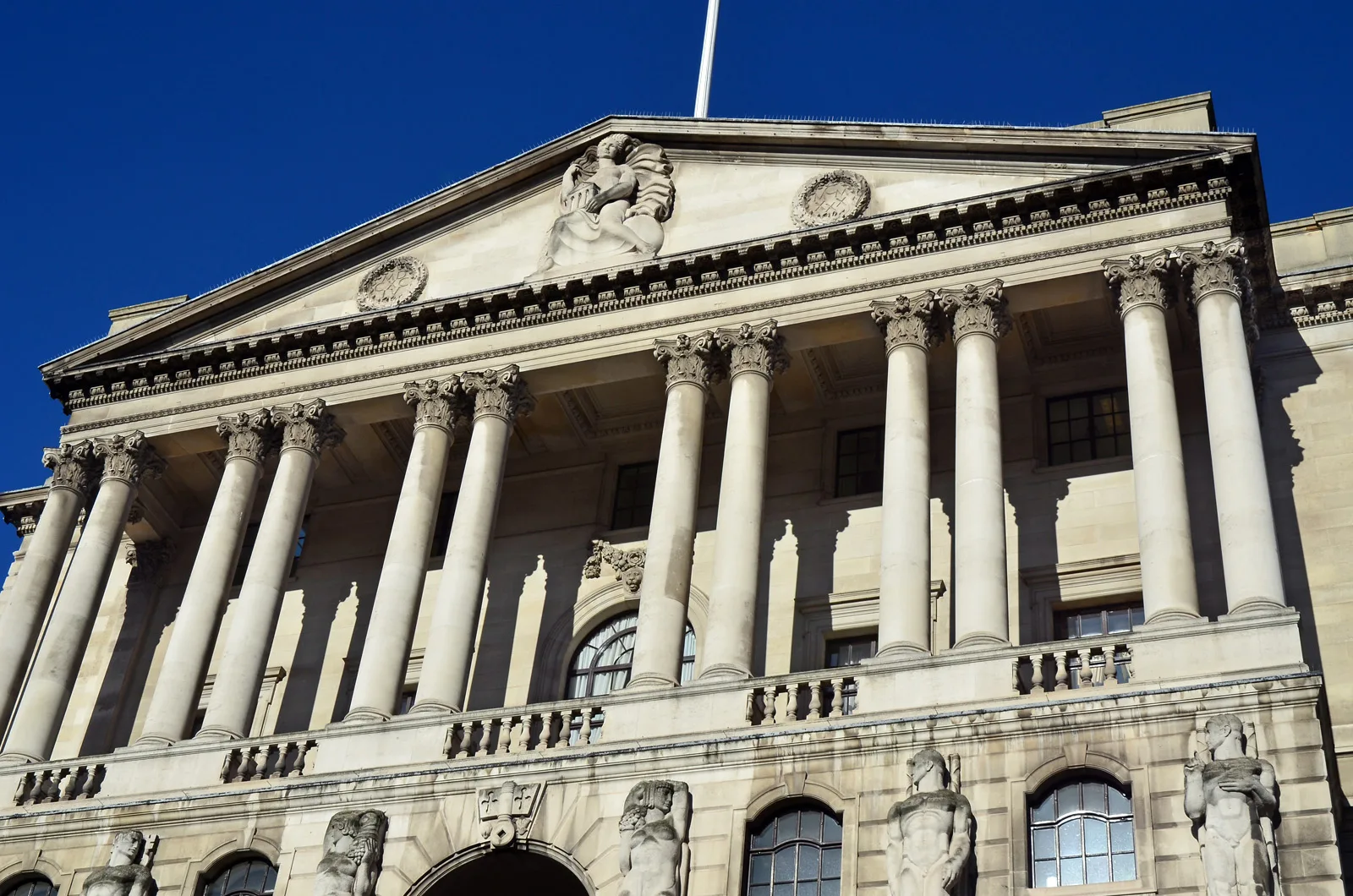
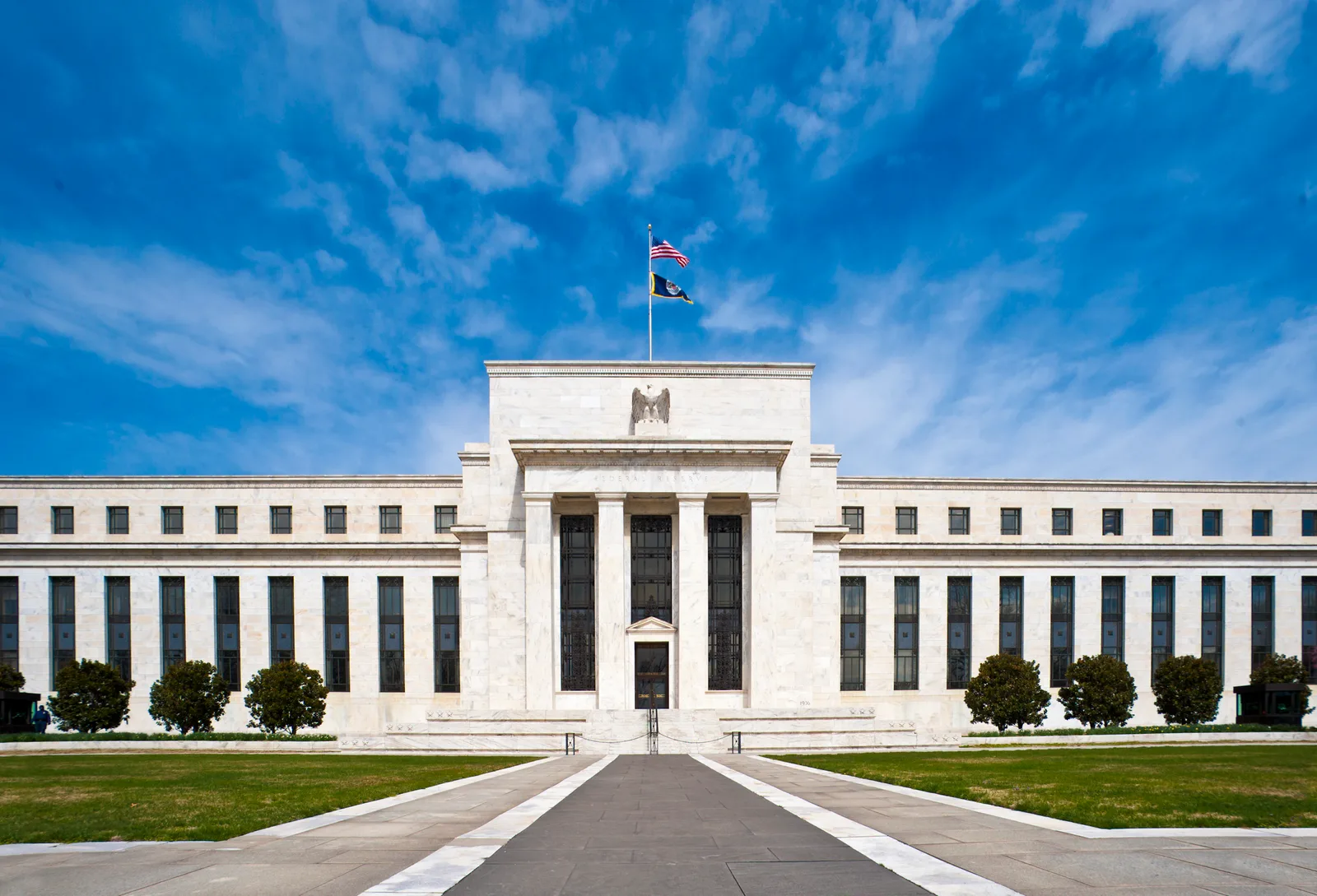
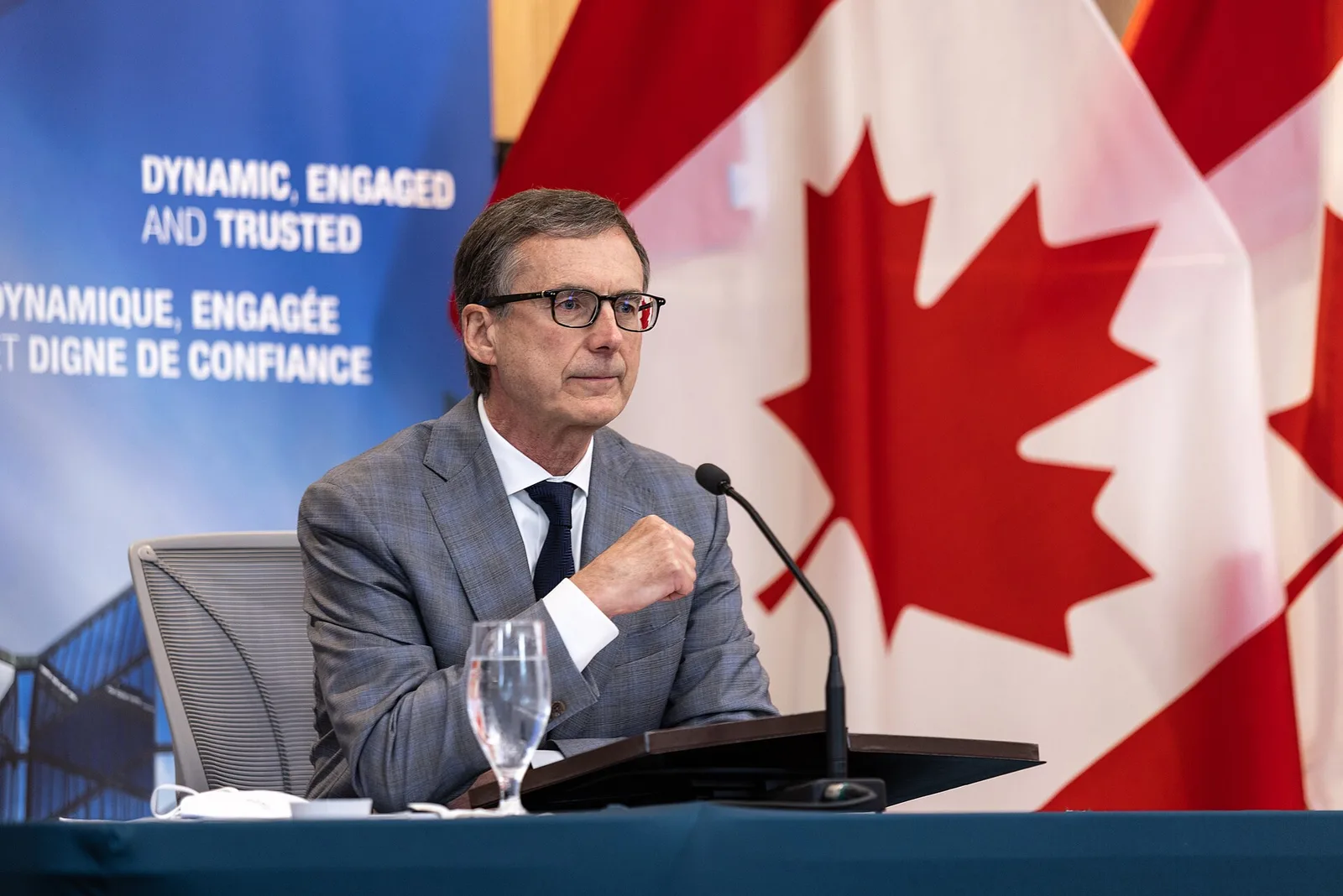
Many other big central banks moved sooner against inflation from the Iran war and an energy price shock, Reuters noted, while the Bank of England waited. For the wider picture, here is where the big three central banks stand before December.
Markets now price at least three quarter-point rises by July 2027. Not everyone agrees. Capital Economics sees that pricing as overdone and expects only one more rise, in December, Reuters said.
Governor Andrew Bailey has pointed the same way. Last week he said UK rates will need to go higher the longer energy prices stay up.
What the November PMI says about the UK economy
The UK economy kept growing in November but lost a little speed, according to the S&P Global flash purchasing managers' index (PMI). This monthly business survey shows growth whenever it reads above 50.
The composite index, covering services and factories together, slipped to 52.3 from October's eight-month high of 52.9. That was slightly below economists' forecasts, Reuters said.
| Measure | November | October |
|---|---|---|
| Composite PMI | 52.3 | 52.9 |
| Services PMI | 52.0 | 52.8 |
| Manufacturing PMI | 52.7 | 52.8 |
| Factory output index | 54.2 | 53.6 |
Services, the biggest part of the UK economy, fell to a five-month low and missed forecasts of 53.0. Services export orders fell at the steepest rate since February 2021 as European demand weakened, ActionForex reported.
Factories told a brighter story. Their output index hit its highest level in 27 months, helped by building work on AI data centres, defence spending and food and drink.
Jobs were the warning sign. Employment fell again, mostly in services, as firms tried to contain high payroll costs. Business confidence still rose for a second month, to its highest since February.
Ashley Webb, senior UK economist at Capital Economics, sees a slowdown. "The fall in the composite activity PMI in November suggests that the recent resilience of the economy is fading in Q4," he said. He still expects a second rise in a row in December, because price pressures remain elevated.
Price pressure is easing, slowly
- Input cost growth slowed to a three-month low in November.
- Prices charged by firms rose at the slowest pace since July.
- Both are still high by historical standards.
- Energy, logistics and wage costs are keeping them up.
What a weaker pound and higher rates mean for your money
The pound has fallen against the dollar for three weeks in a row and is down more than 2% so far in November, Reuters reported. On Monday it was last 0.1% firmer at $1.3096, after touching $1.3144 earlier in the day.
For travellers, £1,000 now buys about $1,310, more than 2% less than at the start of the month. Against the euro the pound edged up 0.1% to 83.7p per euro, so £1 buys just under €1.20.
A December rise would feed straight into tracker mortgages, which follow Bank Rate. Borrowers deciding whether to fix or track are weighing exactly that risk.
Savers on variable-rate accounts could see a small lift. Here is where UK savers stand after the rate rise in November.
Will the Bank of England raise interest rates in December 2026?
Very likely: money markets put the chance of a quarter-point rise on 17 December at about 83% on Monday 23 November, Reuters reported. That would lift Bank Rate from 4% to 4.25%.
What did Huw Pill say about interest rates?
Speaking in Vienna on Monday 23 November, chief economist Huw Pill said "we do need to take action now" to hit the 2% inflation target for good. He did not name a specific rate move.
Is the UK economy still growing?
Yes, but more slowly: the UK flash composite PMI fell to 52.3 in November from 52.9, S&P Global data showed on Monday 23 November. Any reading above 50 means growth.
The next test comes on Thursday 17 December, when the Bank of England announces its next rate decision.
Sources
- Reuters via Global Banking & Finance Review: BoE's Pill urges action to maintain price stability
- Reuters via Global Banking & Finance Review: Sterling nudges higher, economic backdrop in focus
- MLQ.ai: Bank of England's Pill says action is needed now to keep inflation credibility
- ActionForex: UK PMI growth slows as services weaken, but manufacturing output hits 27-month high