Australia's recession alarm is about 0.15 of a percentage point from going off. The Sahm rule, which reads recessions from how fast unemployment rises, stands at 0.6 points against an Australian trigger of 0.75, by the ABC's calculation, and its creator, Claudia Sahm, told the broadcaster in an interview published on Monday 23 November that it is "entirely possible" the country crosses the line within six to 12 months. Hours later, a survey showed business activity shrinking at its fastest pace in more than five years.
Australia's recession warning in three numbers
- 0.6 pts Australia's Sahm rule reading, against a recession trigger of 0.75 points
- 46.1 flash composite PMI for November, down from 48.2, the steepest contraction since August 2021
- 4.8% annual inflation the market expects for October on Wednesday, up from 4.3%
What Claudia Sahm said about an Australian recession
Sahm, a former Federal Reserve economist, cares about speed, not level. "Changes in the unemployment rate, particularly over the past year, are really the warning sign," she told the ABC. "And even [with] a fairly modest amount, it can start to snowball."
The speed is there. Australia's unemployment rate jumped to 4.9% in October, the highest since 2021, and the Australian Bureau of Statistics (ABS) counts 753,700 people out of work, 95,400 more than a year earlier.
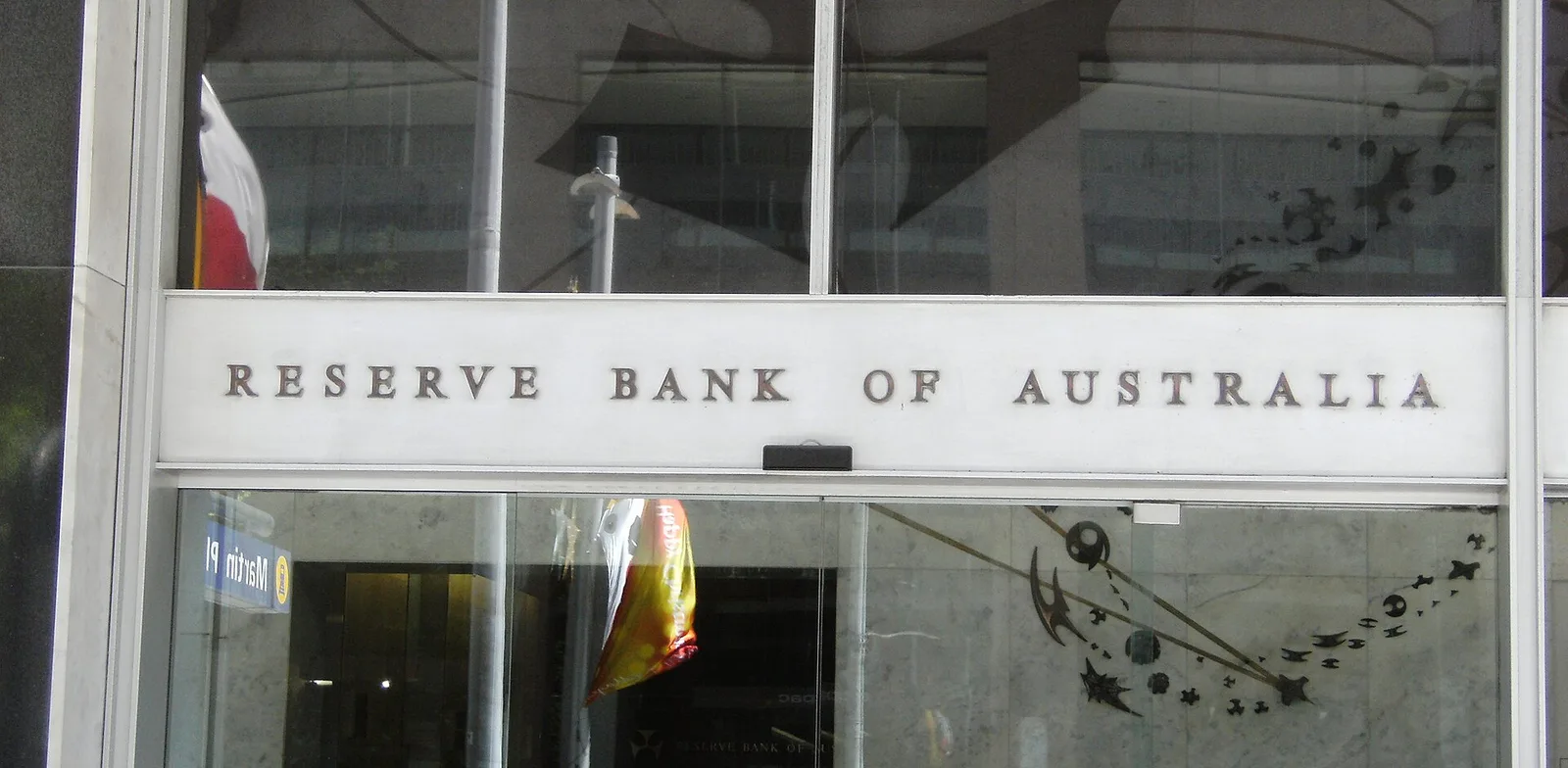
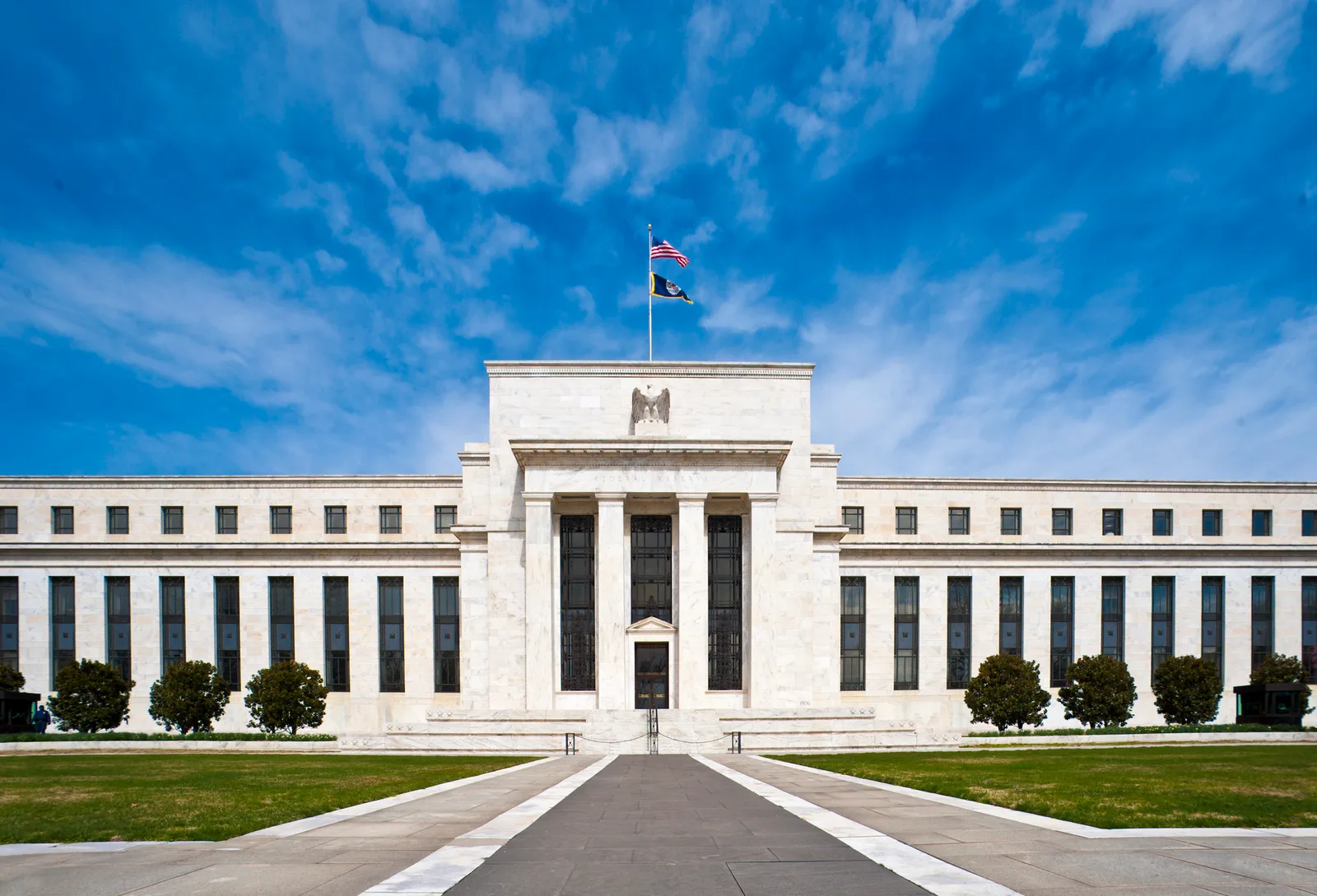
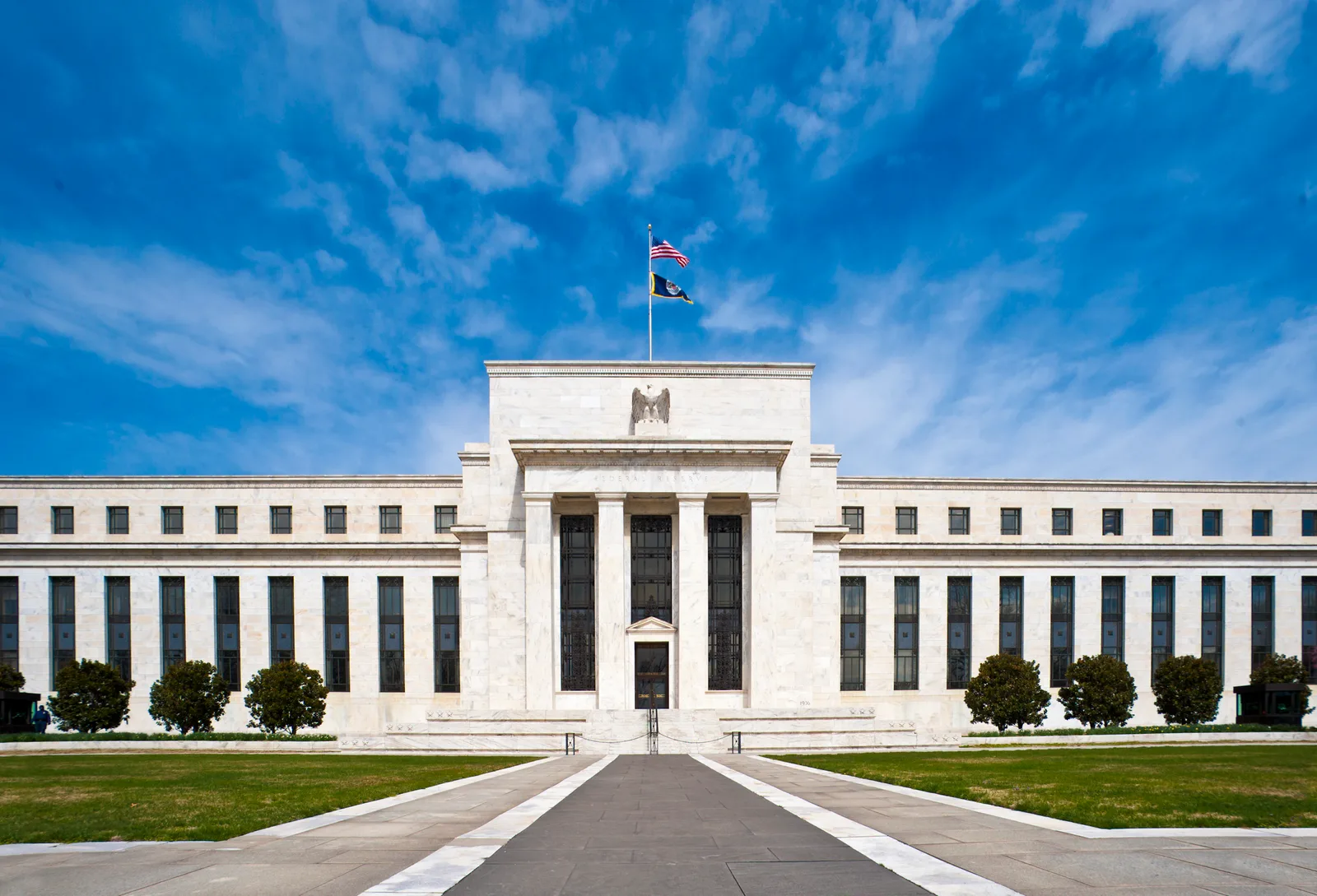
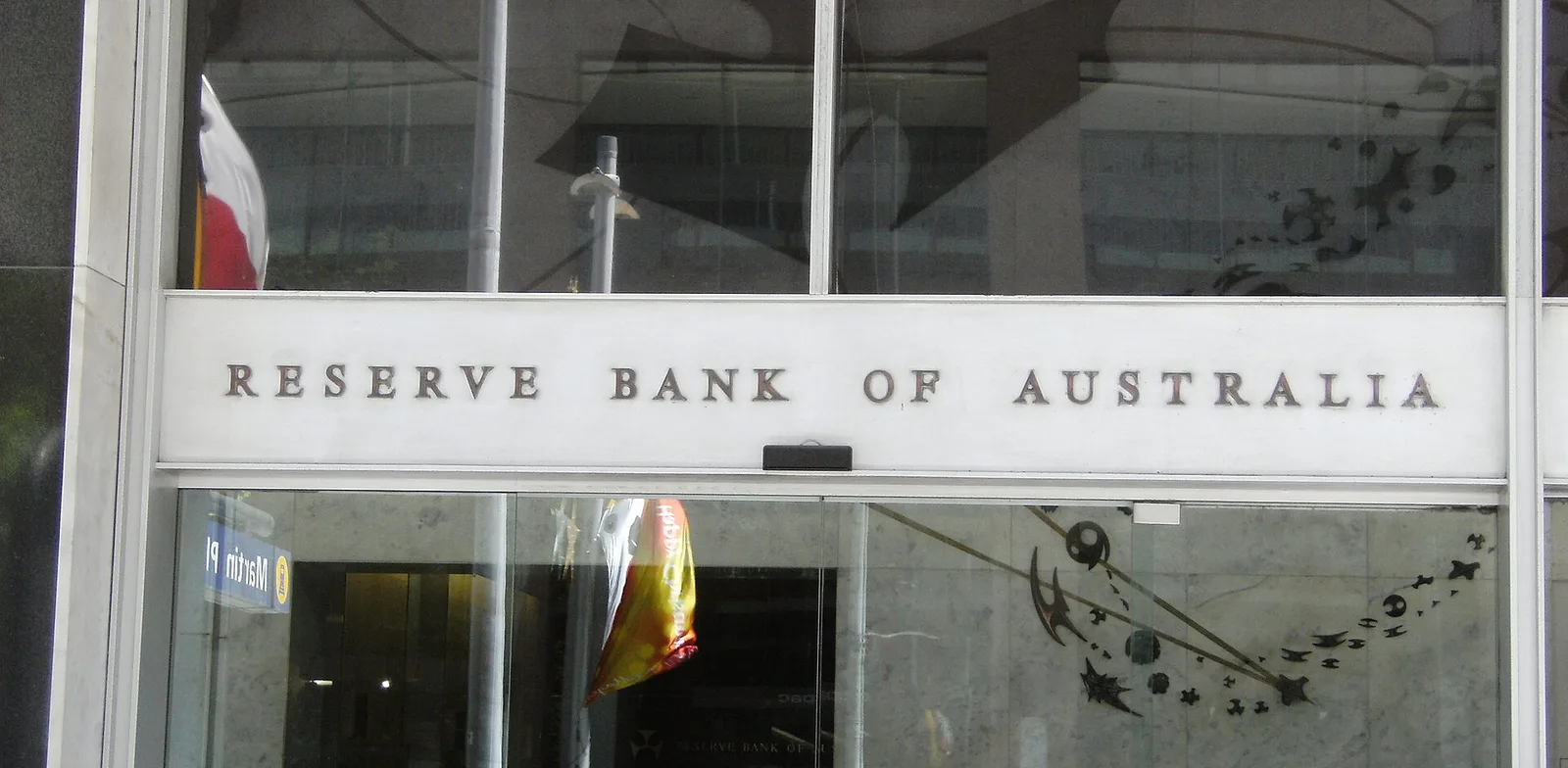
Asked whether Australia could cross her line, she did not wave the idea away. "It is entirely possible that that is where this is headed," she said. Then came a warning that lands on the desk of the Reserve Bank of Australia (RBA), which has raised its cash rate five times this year, from 3.60% to 4.85%: "It's a real risk. Central banks have a long history of doing too much, and we end up in recession."

How the Sahm rule works and why Australia's trigger is 0.75
The rule is simple enough to work out on a napkin. Take the average unemployment rate of the past three months and compare it with the lowest rate of the past 12. In the United States the trigger is a gap of 0.5 percentage points.
Australia's line sits higher, and it comes from a document almost nobody had seen. The ABC obtained an unpublished RBA research note from January 2020 in which the bank's researchers tested the rule on local data and settled on 0.75 points. At that setting it caught the recessions of the early 1980s and 1990s and classed the 2001 dotcom bust and the global financial crisis as "mild" recessions.
Independent economist Saul Eslake did the arithmetic for the ABC. If unemployment keeps rising at its six-month average pace, 0.06 of a point a month, the Australian rule would be triggered in December and confirmed when the ABS publishes that month's figures on Thursday 21 January. Eslake stressed that this is a risk, not his forecast, and projections can be wrong. He values the rule for its timing: judging a downturn by GDP, he said, means "you're really looking in the rear-vision mirror rather than in the windscreen".
Australia's flash PMI shows the sharpest fall in business activity in five years
November's first reading arrived hours after the interview ran. S&P Global's flash composite purchasing managers' index (PMI), a monthly company survey in which a reading under 50 means activity is shrinking, fell to 46.1 from 48.2 in October, according to figures carried by Trading Economics. Services dropped to 46.2 from 48.5 and manufacturing to 48.7 from 49.6. New orders and output fell at their fastest pace in more than five years, firms cut jobs, and business confidence was the weakest in three years.
One piece of good news sat inside the gloom: price pressures eased. S&P Global economist Jingyi Pan, quoted by the ABC, said they had done so "as demand softened across the board, speaking to the effectiveness of the recent tightening of financial conditions".
RBA governor Michele Bullock put the human version plainly earlier this month, saying the slowdown "is going to make people feel like it's a recession because they feel poorer".
The ASX 200 is trying to end a seven-day losing run
Share investors were already rattled. The S&P/ASX 200 closed at 8,592.6 on Friday 20 November after losing 5.4% in a week, its worst since June 2022, exchange data show. It was the seventh daily fall in a row on that data, though the first, on Thursday 12 November, was a slip of just 0.07% and the ABC counts six. Friday's close left the index about 7.6% below the record of 9,296.7 that Trading Economics dates to August, short of the 10% fall that defines a stock market correction.
Monday brought a fight, not a rescue. After a week that wiped out the Nasdaq's 2026 gain and took 8.6% off the S&P 500, the Australian index dropped as much as 0.7% in early trade, to 8,528.5. It then climbed back as miners rallied, the ABC's markets blog reported, and briefly turned positive. At 1:37pm Sydney time (3:37am CET) it stood at 8,576.7, down 0.2% on the day with the session still running, exchange data showed.
Wednesday's inflation figure decides how much room the RBA has
The trap for the central bank is that prices are still rising too fast while jobs disappear. Annual consumer price inflation was 4.3% in September, the ABS reported. The market expects 4.8% for October when the figure lands on Wednesday 25 November, with fuel the biggest driver, according to the ABC's summary of forecasts. Forecasts can miss. The same Wednesday brings US PCE inflation, the Federal Reserve's preferred price gauge.
The RBA, whose board next meets on 7 and 8 December, says it is not forecasting a recession, the ABC reported. Betashares chief economist David Bassanese reads the jobs numbers differently: the economy "already has one foot in a recession", he said in comments carried by the ABC.
Is Australia in a recession?
Australia is not technically in a recession, and the RBA says it is not forecasting one. The Australian Sahm rule read 0.6 percentage points on Monday 23 November 2026, below its 0.75 trigger, by the ABC's calculation.
What is the Sahm rule?
The Sahm rule is a recession indicator, created by former Federal Reserve economist Claudia Sahm, that compares the three-month average unemployment rate with its 12-month low. The US trigger is 0.5 percentage points, and RBA researchers proposed 0.75 for Australia.
Sources
- ABC News: Australia may be headed for recession, former Federal Reserve economist says
- Australian Bureau of Statistics: Labour Force, Australia, October 2026
- Trading Economics: Australia S&P Global Composite PMI
- ABC News: Markets live updates: Wall St crashes to correction territory and ASX opens lower
- ABC News: Slowing economy and rising AI create new generation of unemployed
- Reserve Bank of Australia: Cash Rate Target
- Reserve Bank of Australia: Board Meeting Schedules
- Australian Bureau of Statistics: Consumer Price Index, Australia, September 2026
- Trading Economics: Australian Stocks Fall for 8th Session at Week's Open