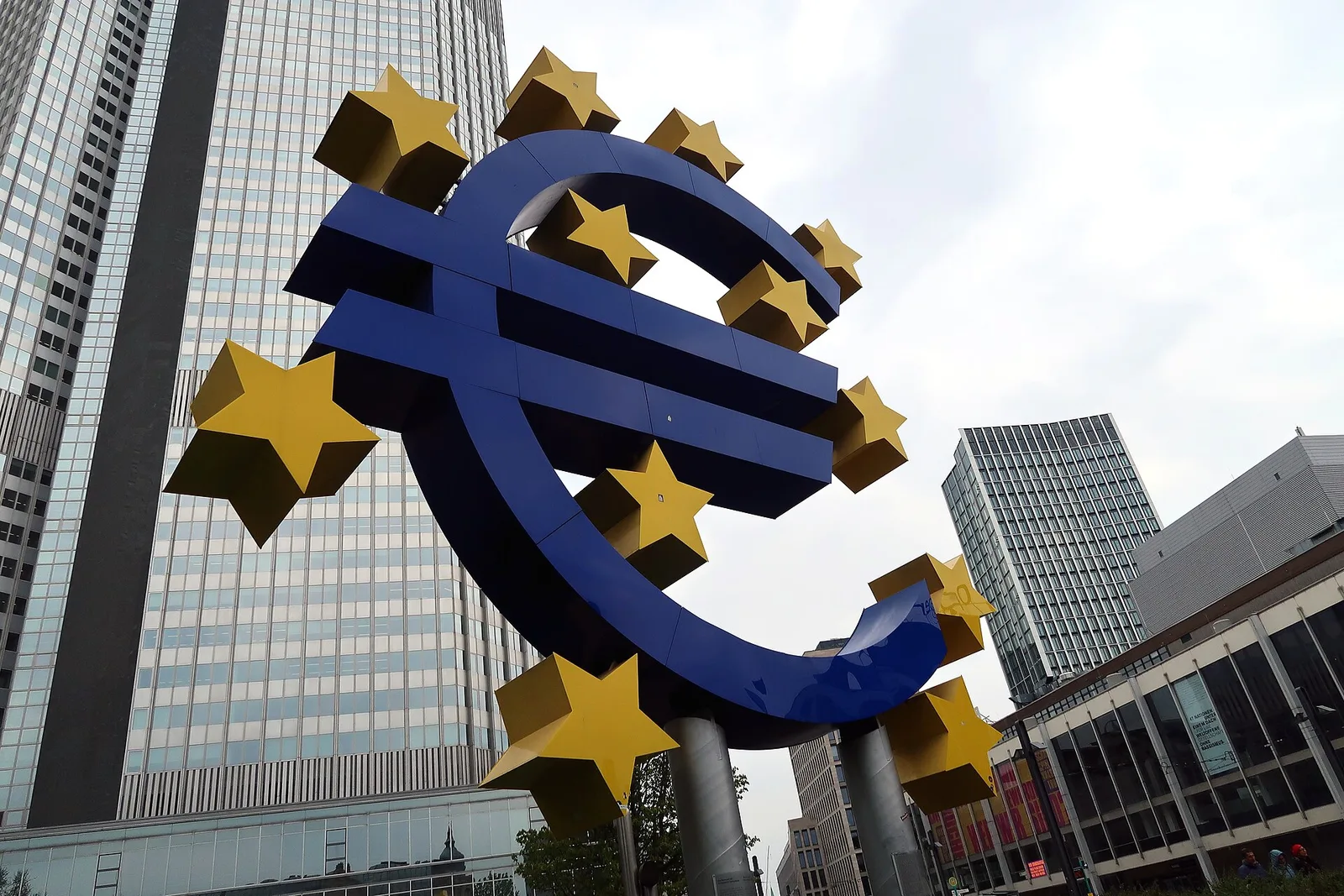
The European Central Bank left its deposit rate at 2.50 percent on Thursday after two increases earlier this year, and warned that a bigger and longer energy shock is likely to push inflation up and growth down.
Euro area, the numbers behind the decision
- 2.50% ECB deposit rate, unchanged
- 3.8% euro-area inflation, September
- 18.9% energy inflation, September
The Governing Council kept all three key rates where they were. The deposit rate, which banks earn on money they park at the central bank overnight, is the main lever the ECB uses to steer short-term market rates, and through them the cost of loans and the return on savings. The rate on the deposit facility stays at 2.50 percent, the main refinancing rate at 2.65 percent and the marginal lending rate at 2.90 percent.
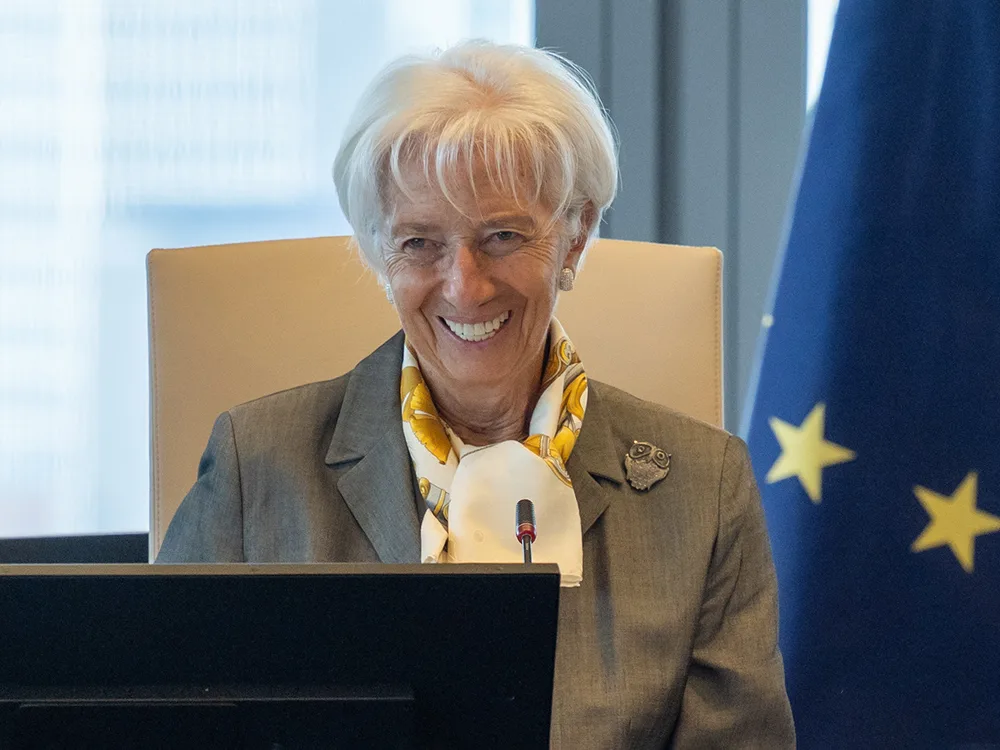
It came on a busy day in Frankfurt. On the same day, the ECB said President Christine Lagarde will step down on 7 February 2027, about nine months before her term ends.
Two Hikes Already This Year
The pause follows two quarter-point increases in 2026. The deposit rate rose from 2.00 percent to 2.25 percent with effect from 17 June, and to 2.50 percent from 16 September. Those moves reversed part of the cutting cycle of 2024 and 2025, which had taken the rate down to 2.00 percent by June 2025.
The trigger was energy. Euro-area inflation rose to 3.8 percent in September from 3.2 percent in August, according to Eurostat, against 2.2 percent a year earlier. Energy prices were 18.9 percent higher than a year before and contributed 1.71 percentage points of the headline rate.
Underlying pressure has moved far less. Core inflation, which strips out energy, food, alcohol and tobacco, edged up to 2.5 percent from 2.4 percent. Services inflation rose to 3.2 percent from 3.0 percent.
What the Statement Said
The ECB's tone was cautious rather than alarmed. It judged that underlying inflation has been broadly stable so far and that wages have not yet responded in a material way. But it also said the full effects of the energy shock are still unfolding.
The ECB's assessment
- Energy prices are still rising, an upside risk to inflation and a downside risk to growth
- The size and length of the shock, with indirect and second-round effects, are expected to lift inflation
- The same shock is expected to lower growth
- Financing conditions have tightened since the September meeting
- The bank stands ready to adjust all of its instruments within its mandate
Behind the statement sits a familiar dilemma. An energy shock lifts prices and squeezes spending at the same time, so a central bank that raises rates to stop inflation from spreading risks deepening the slowdown it is also forecasting.
On the path ahead, the bank repeated that it will decide meeting by meeting, based on incoming data, underlying inflation and how strongly its policy is passing through to the economy. The Governing Council said it is "not pre-committing to a particular rate path."
Tighter Money Without a Hike
One line in the statement matters for borrowers. The ECB said financing conditions have tightened since its last meeting and that this is likely to weigh on both inflation and growth. In other words, markets have done some of the tightening for it.
Much of that has come from bond markets. Turmoil in French government debt has pushed up borrowing costs across the euro area, as Euronews reported. Higher yields feed through to fixed-rate mortgage pricing, while variable-rate loans linked to Euribor follow expectations for the ECB's own rate.
The ECB also reminded markets that its Transmission Protection Instrument is available to counter disorderly moves in bond markets that seriously threaten how policy reaches all euro-area countries. Its bond portfolios from earlier purchase programmes continue to shrink, as maturing debt is no longer replaced.
December Is the Next Decision Point
For savers, an unchanged deposit rate means bank deposit rates are unlikely to move much in the short term. For mortgage holders, it removes one source of pressure this month but leaves the outlook open.
The next policy meeting, in December, brings new staff projections, which will show how far the energy shock has changed the bank's view of inflation in 2027. With energy prices still rising and headline inflation close to double the target, a further increase remains possible.
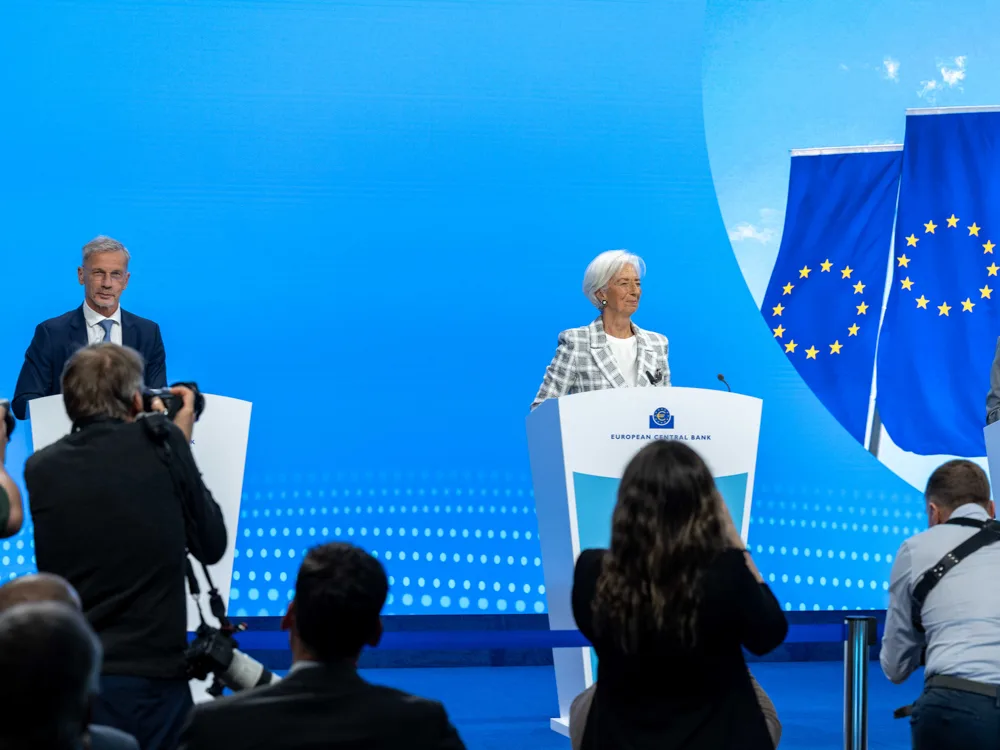
Lagarde, who stays in office until February, will still chair that December meeting. She was due to explain Thursday's decision at a press conference starting at 14:45 CET.