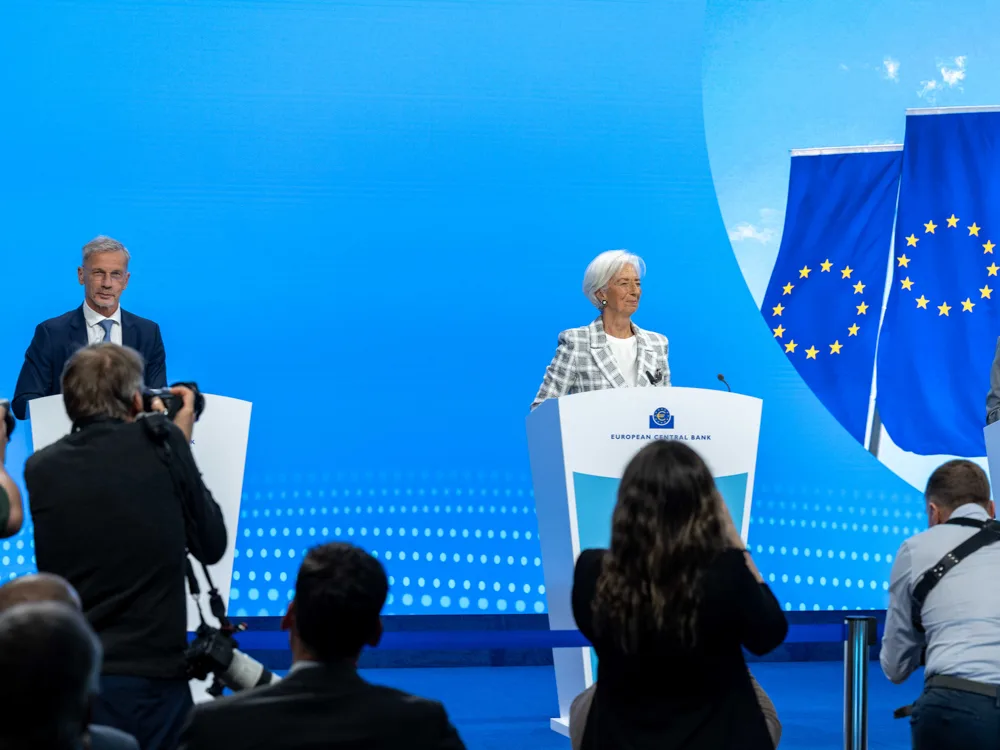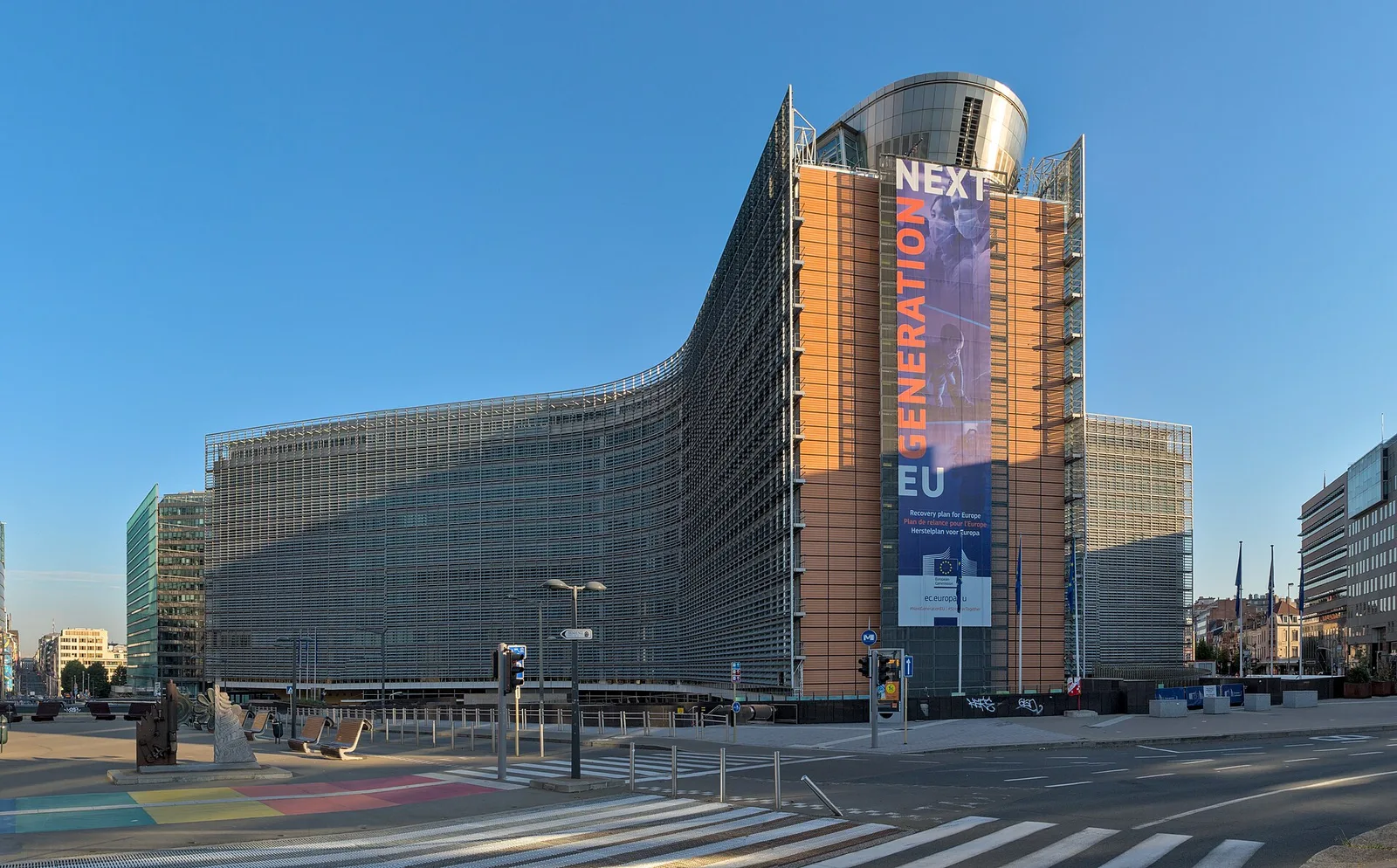
The European Commission now expects euro zone inflation of 3.2% this year and 3.1% in 2027, far above the 2.3% it pencilled in for next year in May, as the energy shock from the Middle East conflict spreads into food and household bills. On the same Tuesday, German investor morale beat forecasts, with the ZEW index of economic expectations jumping to +35.6.
The numbers from Brussels and Mannheim
- 3.1% Euro zone inflation forecast for 2027, up from 2.3% in the spring
- 1.2% Euro zone growth forecast for 2026, up from 0.9%
- +35.6 ZEW index of German economic expectations, against a forecast of 29
Brussels raises its inflation forecast again
The Commission's autumn forecast, published in Brussels on Tuesday 17 November, describes an economy that has held up better than feared, at a price. Euro area growth is seen at 1.2% this year and next, then 1.3% in 2028. But the Commission expects consumer prices in the euro area to rise 3.2% in 2026 and 3.1% in 2027, before easing to 2.1% in 2028.
For the whole EU, it sees inflation at 3.3% this year and 3.2% next, with the headline rate peaking above 4% between the end of 2026 and the start of 2027. It follows October's 4% inflation reading for the euro zone, already a three-year high.
| Euro area forecast | Spring 2026 | Autumn 2026 |
|---|---|---|
| GDP growth 2026 | 0.9% | 1.2% |
| GDP growth 2027 | 1.2% | 1.2% |
| Inflation 2026 | 3.0% | 3.2% |
| Inflation 2027 | 2.3% | 3.1% |
"In 2026, Europe's economy is holding up better than expected. But we cannot take this for granted, nor can we be content with resilience alone," said Valdis Dombrovskis, the Commissioner for Economy and Productivity.
Steady consumer spending and a sharp rebound in goods exports carried growth, the Commission said, with global demand for power, cooling and chipmaking equipment for AI and electrification lifting sales.
Energy is the cause, and food comes next
Almost eight months into the Middle East conflict, energy flows through the Strait of Hormuz remain severely disrupted, the Commission said. Diesel prices have roughly doubled in a year, and Dutch TTF gas, Europe's benchmark, traded above €95 per megawatt hour in late October, more than three times its late February level.
Petrol and diesel should get cheaper next year. Gas and electricity bills should keep rising for a while, the Commission said, because higher wholesale prices take time to reach homes. With Europe's gas storage running down into winter, it warned that the buffers against a further shock are thin.
Food is the next pressure point. Summer heatwaves and drought hit harvests, fertiliser costs jumped, and the Commission expects price rises to spread from fresh to processed food. Euronews reported that food inflation is set to climb from just above 2% this year to around 3% in 2027.
Pay rises barely keep up with prices
Nominal wages are projected to grow 3.8% this year and 3.7% next, the Commission said. After inflation, pay is set to rise by just 0.6% this year and next, down from 1.7% in 2025, Euronews reported, and workers in eight countries, including Spain and Italy, face a real-terms pay cut this year. That echoes the OECD's warning in October of real wages falling in Italy and Spain.
Lower-income households are the most exposed, as in 2022, because food and energy take a bigger share of their spending, the Commission said. It expects consumer spending growth to slow to 1.1% in 2027.
Savers face a quieter squeeze. The ECB's deposit rate, which shapes what banks pay on savings, has stood at 2.50% since September. That is below the Commission's inflation forecast for both this year and next, so cash earning that rate loses buying power. Borrowers feel the other side: higher policy rates and long-term bond yields are weighing on credit demand and house building, the Commission said, and variable-rate mortgage payments in the euro zone have already been climbing.
Markets expect more ECB rate rises
The ECB raised rates by a quarter point in both June and September, then held its deposit rate at 2.50% in October. At the forecast's cut-off date of 29 October, markets expected three to four further increases, with the deposit rate peaking at around 3.4% by mid-2027, the Commission said.
The Commission concedes its inflation forecast may already be too high. Oil and gas prices have fallen by around 20% since that cut-off, after the US mid-term elections eased fears of renewed strikes on Iran, Euronews reported, citing the forecast. If that lasts, inflation next year could be about a quarter of a percentage point lower.
Governments feel it too. The EU's combined deficit is set to widen from 3.1% of GDP last year to 3.6% this year, and interest costs to climb from 1.9% of GDP in 2025 to 2.4% in 2028, the highest in more than a decade, the Commission said. Dombrovskis warned that "we have reached a critical juncture for fiscal policy", Euronews reported.
German investors turn more upbeat
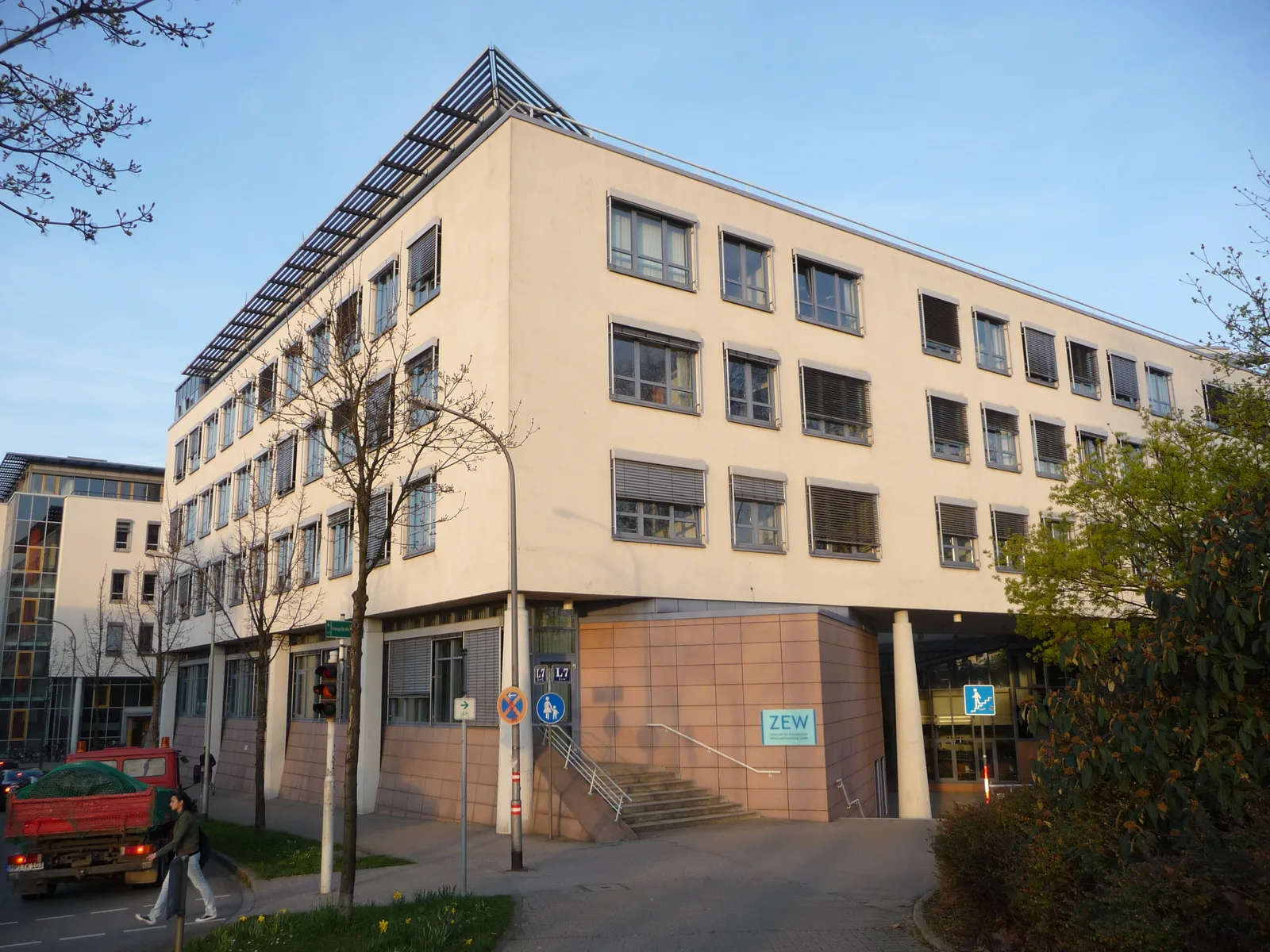
In Mannheim, the ZEW institute's monthly financial market survey brought better news. Its indicator of German economic expectations rose 7.5 points to +35.6 in November, beating the consensus of 29 compiled by Newsquawk. The gauge of current conditions improved by 2.7 points but stays deep in negative territory at -33.2. Expectations for the euro zone rose 8.0 points to +26.5.
"Expectations improve in November. The German economy remains on its recovery track, albeit moving at a slow rate," said ZEW President Achim Wambach. He pointed to rising manufacturing orders and falling oil prices, but said government spending has been the mainstay of the recovery, which "leads to rising concerns about the sustainability of public debt."
The picture across industries is mixed, the ZEW said: chemicals, pharmaceuticals and electrical goods improved, metal manufacturing weakened and construction slid further into negative territory. Germany's economy grew just 0.2% in the third quarter, and the Commission expects 1.3% growth for the whole of 2026, according to Euronews.
What is the EU's inflation forecast for 2027?
The European Commission's autumn forecast of 17 November 2026 puts euro zone inflation at 3.1% in 2027 and EU inflation at 3.2%. In May it expected 2.3% for the euro zone.
What was the ZEW index in November 2026?
The ZEW indicator of economic expectations for Germany rose 7.5 points to +35.6 in November 2026, above the consensus of 29.
Sources
- European Commission (DG ECFIN): Autumn 2026 Economic Forecast shows continued growth amid higher inflation
- European Commission: Autumn 2026 Economic Forecast shows continued growth amid higher inflation (press release)
- European Commission: Spring 2026 Economic Forecast shows slowdown in growth as energy shock drives up inflation
- ZEW: Economic Expectations Rise in November
- European Central Bank: Official interest rates
- Euronews: EU economy beats expectations but energy shock keeps inflation higher for longer
- Newsquawk: Daily US Opening News, 17th November 2026