The three central banks that matter most to European investors have all turned towards tighter policy as the energy shock lifts inflation, but they are moving at different speeds. The ECB has paused after two rises, the Federal Reserve held in October after a September increase, and the Bank of England raised rates last week. All three decide again in December.
The direction is the same on both sides of the Atlantic. Higher oil and gas prices linked to the conflict in the Middle East are feeding into consumer prices, and each bank is weighing how much of that will spread into wages and other prices. Where they differ is in how far they think they need to go.
The Big Three at a Glance
Policy rates on 10 November
- 2.50% ECB deposit rate
- 3.75%-4% Federal Reserve target range
- 4% Bank of England Bank Rate
| ECB | Federal Reserve | Bank of England | |
|---|---|---|---|
| Policy rate | 2.50% deposit rate | 3.75% to 4% | 4% |
| Most recent rise | Quarter point, effective 16 September | Quarter point, 16 September | Quarter point, 5 November |
| Latest decision | Hold, 29 October | Hold by 10-2, 28 October | Rise by 8-1, 5 November |
| Latest inflation | 4.0% in October (flash) | 3.7% in September | 3.5% in September |
| Next decision | 17 December | 9 December | 17 December |

The ECB: Two Rises, Then a Pause
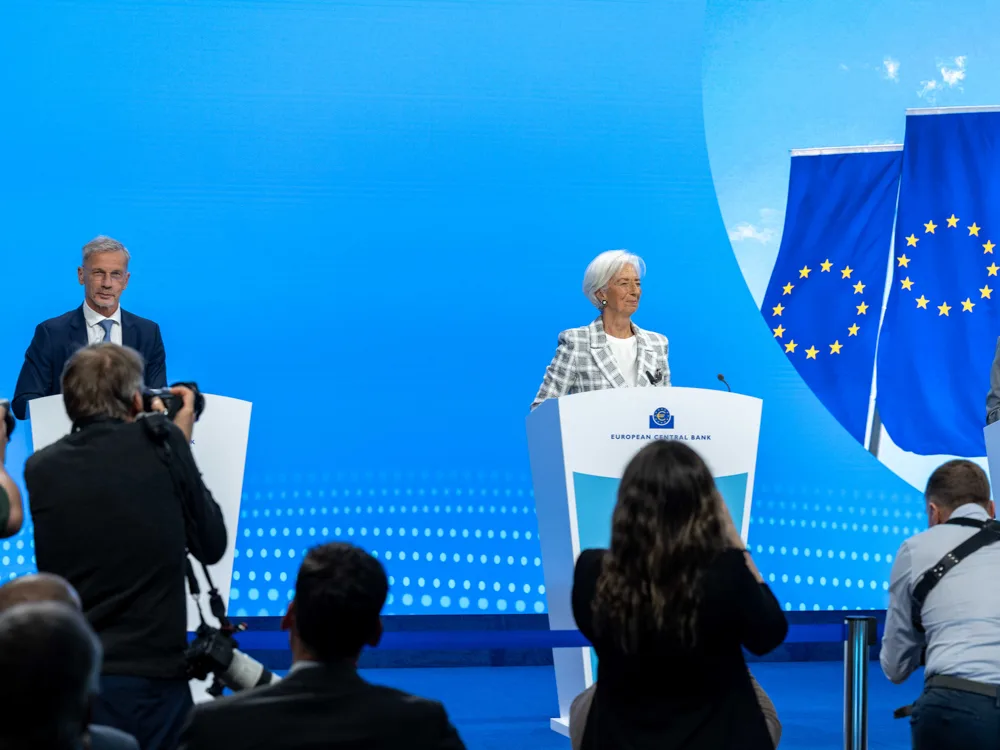
The European Central Bank spent 2025 cutting. Four reductions took its deposit rate to 2.00 percent by June that year. It reversed course in 2026, raising the rate to 2.25 percent from 17 June and to 2.50 percent from 16 September.
On 29 October it held. Its statement said energy prices had kept rising, adding upside risks to inflation and downside risks to growth. It also stressed what had not happened yet: underlying inflation had stayed broadly stable and wages were not showing a material response. Financing conditions had tightened since the September meeting, which the Governing Council expects to weigh on both inflation and growth.
The bank repeated that it decides meeting by meeting, based on incoming data, and is not committing to any particular path.
Since then the inflation picture has worsened. Eurostat's flash estimate, published on 4 November, put euro area inflation at 4.0 percent in October, up from 3.8 percent in September. Energy prices were 20.8 percent higher than a year earlier.
The underlying measures were steadier. Core inflation, which excludes energy, food, alcohol and tobacco, held at 2.5 percent, and services inflation edged up to 3.3 percent from 3.2 percent. That gap between a 4 percent headline and a 2.5 percent core is the heart of the ECB's dilemma. The next decision is on 17 December, after a two-day meeting.

The Fed: One Rise, Two Dissents
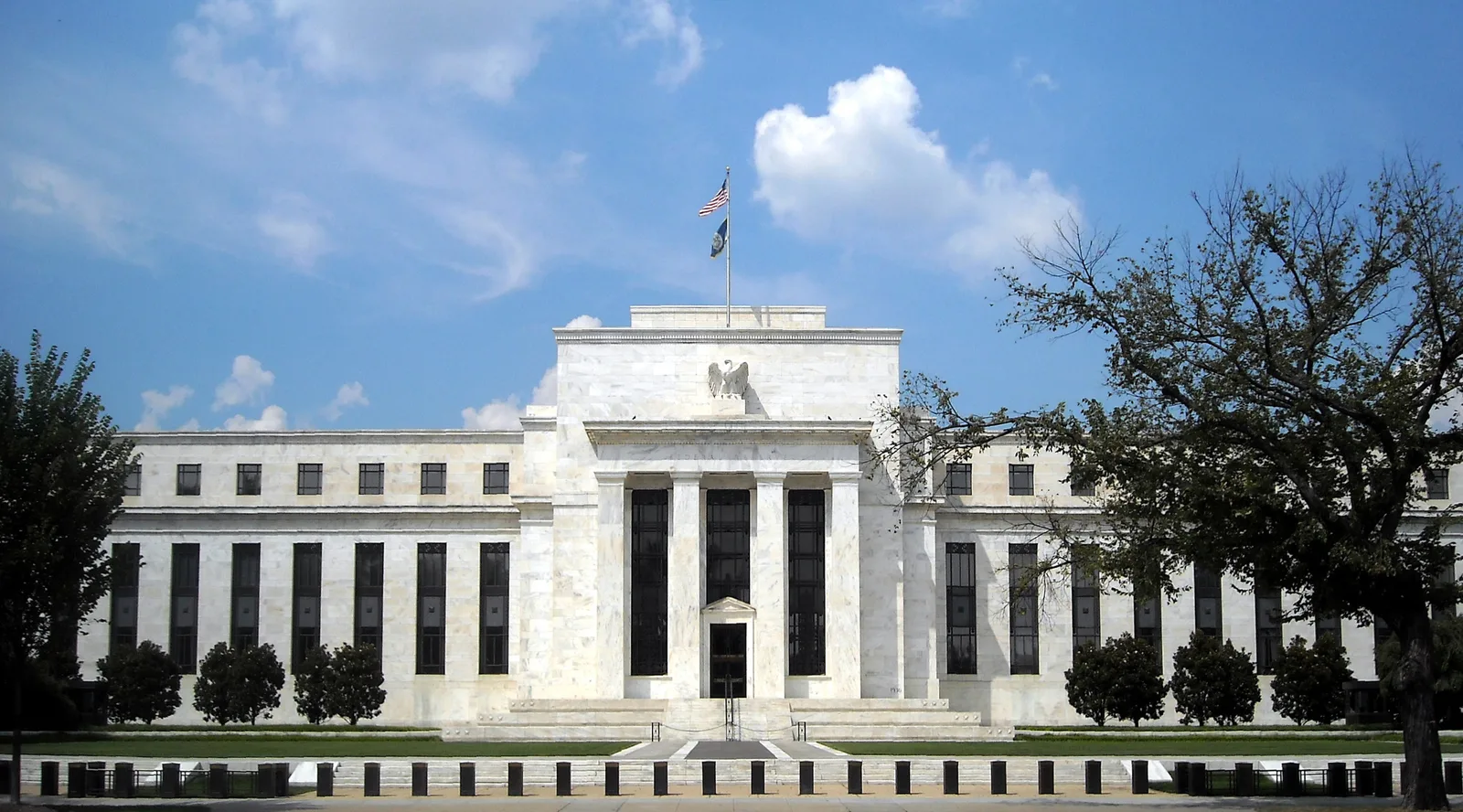
The Federal Reserve raised its target range by a quarter point to 3.75 percent to 4 percent on 16 September, in a unanimous 12-0 vote. On 28 October it held, but the vote split 10-2. Governor Lisa Cook and Cleveland Fed President Beth Hammack both wanted another quarter-point rise.
The statement described economic activity as expanding at a strong pace and the unemployment rate as little changed. On prices it was short: "Inflation remains elevated." The committee added that it wanted more information before settling on the stance needed to bring inflation back to its 2 percent goal in a timely way, wording that left the door open to a rise without promising one.
US consumer price inflation reached 3.7 percent in September, up from 3.4 percent in August, with core inflation at 2.6 percent. The labour market data since the meeting has added to the case for a rise. The October jobs report, published on 6 November, showed 165,000 new jobs and unemployment little changed at 4.1 percent. Afterwards, CME FedWatch put the probability of a quarter-point rise in December at 76.8 percent, up from 66.9 percent a week earlier.
The next big test comes today. The October consumer price report is due at 8:30 a.m. in Washington, 14:30 in Frankfurt. The Fed's final meeting of the year is on 8 and 9 December.
The Bank of England: Up to 4%
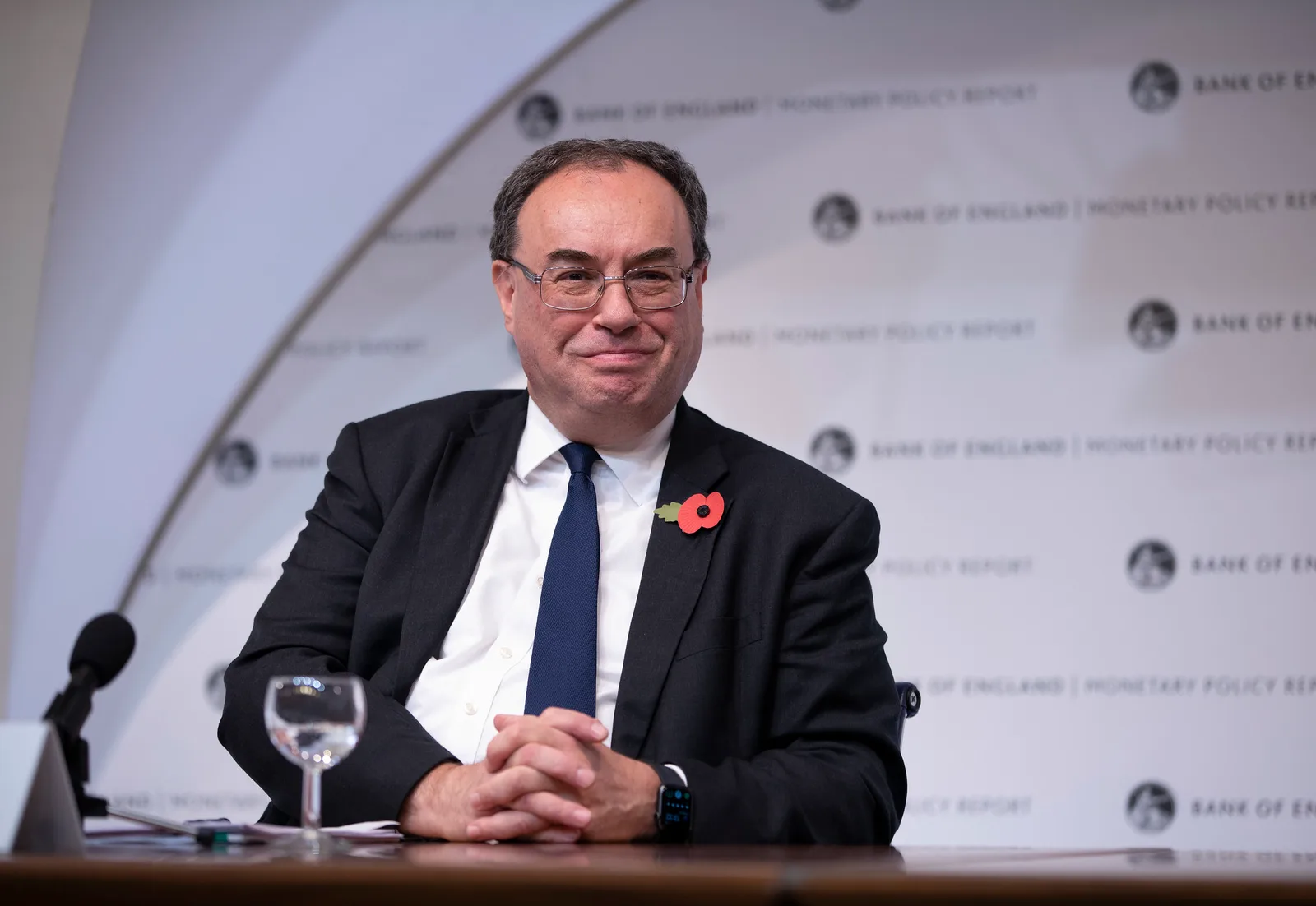
The Bank of England held Bank Rate at 3.75 percent in September, then raised it to 4 percent on 5 November. The Monetary Policy Committee voted 8-1, with Catherine Mann preferring a half-point rise to 4.25 percent.
Its forecasts explain the move. UK inflation was 3.5 percent in September, and the Bank's projections have it reaching about 4.5 percent in the first quarter of 2027 and peaking at around 5 percent in the second quarter, before falling as energy effects fade. Brent crude futures averaged $108 a barrel and UK wholesale gas 216 pence a therm in the 15 working days to 27 October, 38 percent and 81 percent above the levels in the Bank's July report.
The committee said policy is not on a pre-set path, and its members are far from agreed on what comes next.
How Bank of England policymakers see the next step
- Megan Greene and Huw Pill expect further rises, with Pill judging a single quarter-point move unlikely to be enough
- Andrew Bailey and Clare Lombardelli see a case for another rise unless energy news or inflation pressures soften
- Alan Taylor called the move an insurance rise for now, not the start of a hiking cycle
- Sarah Breeden judges current policy restrictive enough for now, with more possible if lasting effects appear
The next decision is due on 17 December, the same day as the ECB's. Before then, Ofgem's announcement of the UK energy price cap for January to March, due by 25 November, will give the committee a clearer view of household energy bills early next year.
What It Means for European Investors
For savers, the shift means that interest on cash and short-dated bonds is no longer falling, and in sterling and dollars it has started to rise again. For borrowers, the relief of 2025 has gone into reverse, especially on variable-rate loans and new fixed-rate mortgages priced off market rates.
The differences between the three also matter. Currencies tend to respond to expected gaps in interest rates, so a Fed that moves in December while the ECB waits would widen the gap between dollar and euro rates. Bond markets will be watching the same thing.
The common thread is energy. The ECB and the Bank of England have both tied their next steps to how far the energy shock spreads into wages and wider prices. A sustained fall in oil and gas prices would weaken the case for further rises; a further climb would strengthen it.
Sources
- European Central Bank: Key ECB interest rates
- European Central Bank (via Banco de España): Monetary policy decisions (29 October 2026)
- European Central Bank: Meetings of the Governing Council
- Eurostat: Euro area annual inflation flash estimate, October 2026 (4 November 2026)
- Federal Reserve: FOMC statement (16 September 2026)
- Federal Reserve: FOMC statement (28 October 2026)
- investingLive: US September CPI 3.7% vs 3.6% expected (14 October 2026)
- 24/7 Wall St. via Webull: Odds of a December rate hike jump after jobs report (6 November 2026)
- Bank of England: Monetary Policy Summary and minutes, November 2026 (5 November 2026)