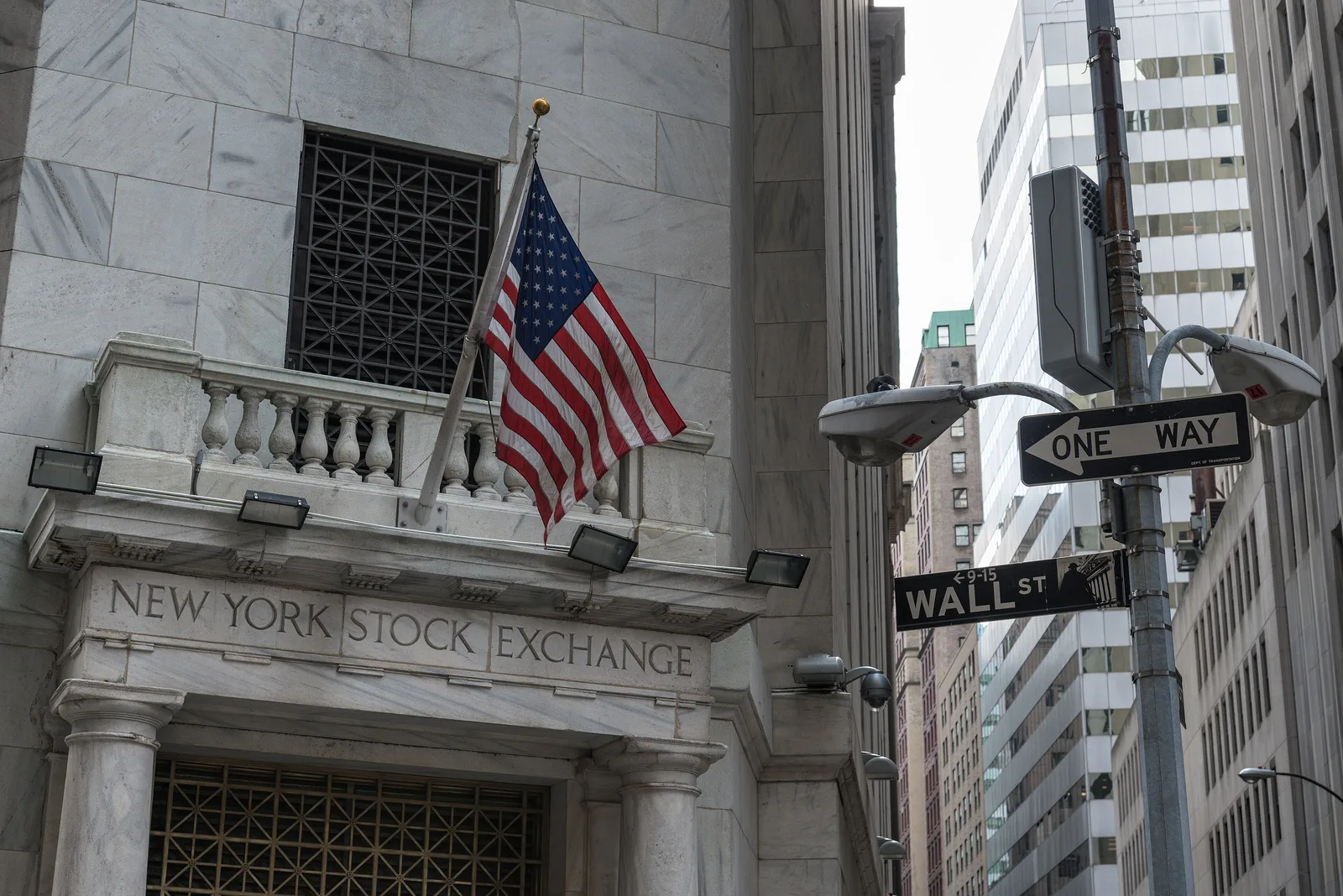
Blank-cheque companies are back on Wall Street. By late September, 152 special purpose acquisition companies had priced their listings this year, already more than in the whole of 2025. Here is how a SPAC works, where the money sits, and what the record of recent deals says about what shareholders end up with.
A SPAC is a listed shell company with no business of its own. It raises money from the stock market first, then goes looking for a private company to buy. When it finds one and the deal closes, the private company takes over the listing. That second step is called a de-SPAC, and it is an alternative route onto the stock market to a traditional initial public offering.
The SPAC comeback in numbers
- 152 SPACs priced in 2026 by late September, raising about $26.8bn
- $43.7bn held in trust by 226 SPACs still searching for a target at end-March
- 36% of de-SPACs in the first half of 2026 closed with no new outside money
How the Money Moves: Units, Trust and Deadline
A SPAC is created by a sponsor, often a team of dealmakers or former executives, which holds founder shares in the shell. The SPAC then sells units to the public, usually at $10 each. A unit normally bundles one ordinary share with a fraction of a warrant, a right to buy more shares later at a set price.
Nearly all the money raised goes into a trust account invested in short-term US government securities. The cash cannot be spent on running the shell. It is held there until the SPAC either completes a deal or returns the money.
The SPAC's charter gives the sponsor a deadline to find a target, typically 12 to 24 months. That can be extended by sponsor deposits into the trust or by a shareholder vote, but exchange listing rules set an outside limit of 36 months. If no deal is done in time, the shell is normally wound up and the trust paid back to shareholders.
The Redemption Right, and Why It Matters
The feature that sets a SPAC apart is the redemption right. When the sponsor announces a merger, each public shareholder can choose either to keep their shares and become an owner of the merged company, or to redeem them for a pro rata share of the cash held in the trust.
This gives early buyers a floor while the SPAC is searching. It also means the cash a SPAC holds on paper is not the cash the target will receive. Every redeemed share takes money out of the trust before the deal closes.
In recent years, most investors have chosen to leave. In every quarter of 2025, the median de-SPAC lost more than nine in ten of its public shares to redemptions, according to IPO data compiled by Jay Ritter and cited by law firm Foley & Lardner. In 2021, by contrast, most investors stayed in.
Sponsors have tried to keep shareholders in with incentives. In one 2025 arrangement at DT Cloud Star, the sponsor transferred 200,000 of its founder shares to a holder that agreed not to redeem 600,000 shares, the equivalent of one free share for every three held.
What a SPAC share gives you, in short
- A claim on a trust of short-term US Treasuries while the SPAC is searching
- A vote on the proposed merger, and the right to redeem for cash when it is announced
- Warrants, if bought as units, that only have value if the merged company's shares rise
- Exposure to the merged company, and to dilution from the sponsor's founder shares, if you stay in
Who Pays for the Deal Now
High redemptions leave a funding gap, and the way it is filled has changed. Traditionally, sponsors raised a PIPE, a private investment in public equity, from institutional investors alongside the merger, conventionally priced at the same $10 a share the public paid.
That money has become harder to find. About 36 percent of de-SPACs in the first half of 2026 closed with no new outside financing at all, against about 5 percent in 2021, according to Houlihan Capital data. In a survey at this year's SPAC Conference, 57 percent of participants said PIPE terms were the most important factor in judging a deal, while fewer than 10 percent pointed to the quality of the target, its valuation or the sponsor's experience. Some 69 percent said they were unhappy with recent de-SPAC results.
The practical result for a shareholder who stays in is that the merged company may start public life with less cash than the headline deal suggested, and with founder shares and warrant holders taking a larger slice of the equity.
The Comeback, and the Record Before It
The revival is real but smaller than the 2021 boom, and the deals are getting smaller too.
| 2021 | 2025 | 2026 to late September | |
|---|---|---|---|
| SPAC IPOs | about 613 | 144 | 152 |
| Money raised | about $145bn | more than $30bn | about $26.8bn |
| Average SPAC IPO | n/a | about $211m | about $176m |
There is plenty of cash looking for targets. At the end of March, 226 SPACs were still searching, with $43.7 billion in trust between them, according to Houlihan Capital. Boardroom Alpha counted 124 announced deals in the pipeline by late September.
At the peak in 2021, SPACs made up about 59 percent of all US listings by number, according to Foley & Lardner. This year's count is high again, but each shell is raising less money, with the average deal down to about $176 million.
The last SPAC wave did not end well for most shareholders who held on. Companies that went public through SPACs in 2020 and 2021 were down more than 60 percent on average by December 2022, measured from the $10 trust price, against a 36 percent fall for traditional IPOs of the same vintage. Of roughly 300 companies that completed SPAC mergers through 2022, 85 percent were trading below their IPO price in mid-2024, according to FTI Consulting.
Regulation has tightened since then. The US Securities and Exchange Commission adopted rules in January 2024 that set out specific disclosure requirements for de-SPAC deals. Foley & Lardner's lawyers argue that dilution is now the figure that decides whether a deal works for shareholders.
What to Look For in a SPAC Filing
For anyone reading a SPAC prospectus or merger document, a few items carry most of the information:
- Time left before the deadline, and whether the sponsor has already used extensions
- The trust value per share, which sets the cash a redeeming shareholder receives
- The sponsor's founder shares and warrants, and how much of the merged company they will own
- Committed financing, such as a PIPE, and its price compared with $10
- Any non-redemption deals, where the sponsor gives shares to holders who agree to stay in
A SPAC share bought near $10 while the trust is intact carries a different risk from the same share held after the merger closes. Before the deal, the trust is the anchor. After it, the shareholder owns a newly listed operating company, often a young one, with all the price swings that brings.