Anthropic is days away from what is set to be the second-largest stock market listing in US history. Before it trades, the record of this year's big IPOs, and of the very largest listings before them, offers a sober guide to what tends to happen after the first-day pop.
A Record Year for Money Raised
2026 has not produced an unusual number of new listings. It has produced unusually large ones. EY counted 888 IPOs worldwide in the first nine months of the year, slightly fewer than the 922 a year earlier. The money raised, though, hit a record $288bn, against $114bn in the same period of 2025.
IPOs in 2026
- $288bn raised worldwide in the first nine months, a record (EY)
- $75bn raised by SpaceX in June, the largest IPO ever
- 1.2% gain this year in the Renaissance IPO Index, against 11.8% for the S&P 500
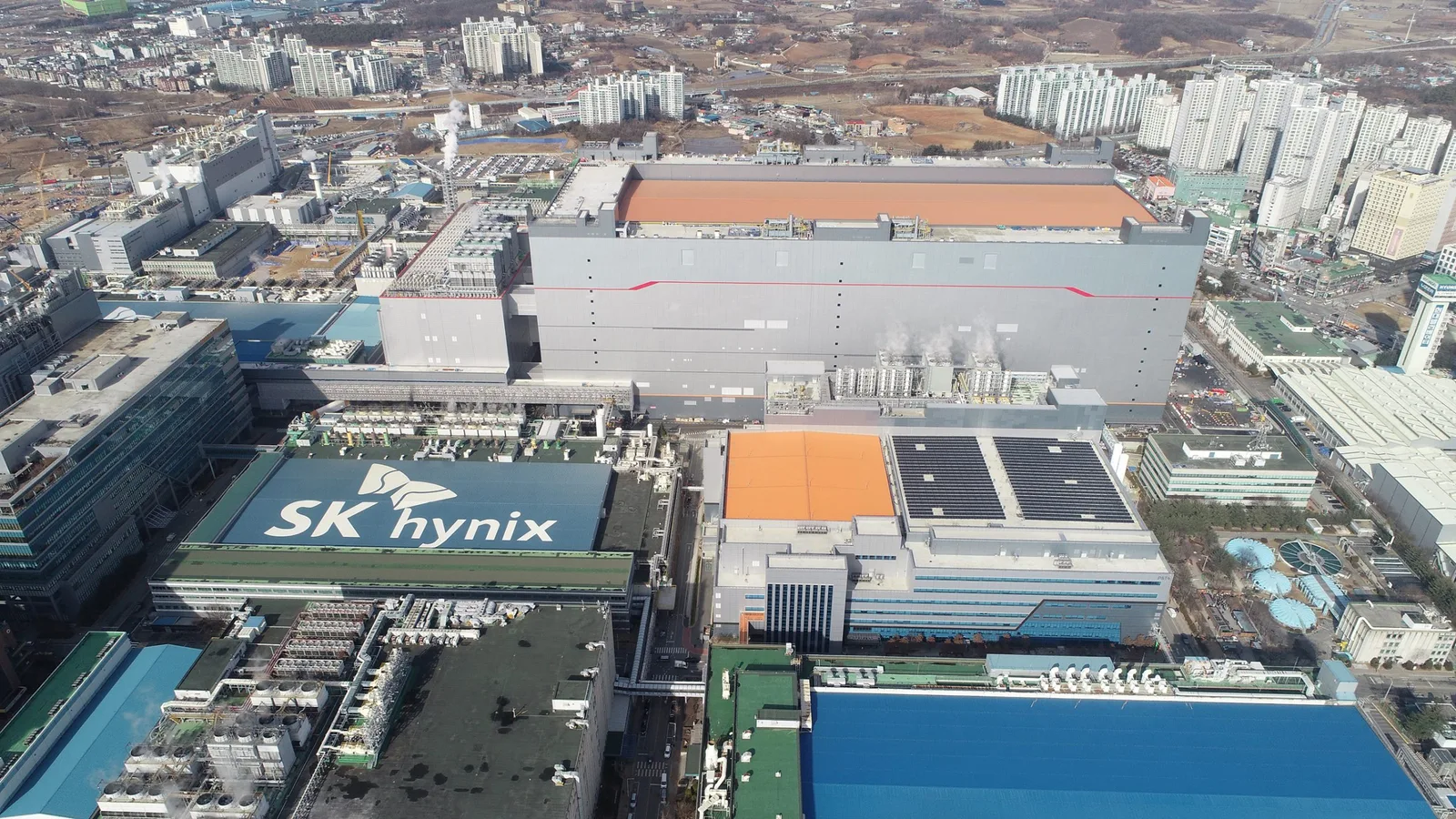
Much of that came from a handful of deals. SpaceX raised $75bn when it listed on Nasdaq on 12 June. SK hynix followed in July with a $26.5bn listing of American depositary receipts, the largest US IPO ever by a foreign company, overtaking Alibaba's 2014 deal.
Now Anthropic has set terms and began its roadshow on Tuesday. According to Renaissance Capital, it plans to raise $61bn at a fully diluted market value of $1.2tn, with trading on Nasdaq slated to start on Thursday 19 November. Only SpaceX has raised more in a US listing.
What the Largest Listings Did After Day One
Renaissance Capital has looked at how the three largest US IPOs, excluding cross-listings, behaved after their debuts. The pattern is strikingly similar.
| Company (IPO year) | First-day return | Early peak | Fall from peak | Return from IPO price, 12 Nov 2026 |
|---|---|---|---|---|
| SpaceX (2026) | +19% | +57% on day 3 | -49% by day 37 | +4% |
| Alibaba (2014) | +38% | +75% on day 37 | -49% by day 244 | +39% |
| Visa (2008) | +28% | +101% on day 35 | -52% by day 212 | +3,721% |
All three opened strongly. All three reached their early high within their first two months of trading. And all three then lost about half their value from that high, falling below their offer price along the way.
The long-run outcomes could hardly be more different. Visa holders who bought at the IPO price have made more than 37 times their money. Alibaba is up 39% after more than a decade. Renaissance's conclusion is that a record offering and a strong first day do not guarantee lasting performance, and that nobody can know in advance how a new listing will trade.
SpaceX: A Round Trip in Five Months
SpaceX shows the pattern in compressed form. It priced its shares at $135 and closed its first day 19% higher at $161, with interactive investor putting its valuation at about $2.1tn. The shares peaked at $225.64 on 16 June, according to interactive investor.
By July they had dropped below the IPO price. After its first quarterly results as a public company in August, the stock hit an all-time low of a little under $105, roughly half its June peak. It has since recovered, and on 12 November stood 4% above the offer price.
Anyone who bought at the first-day closing price, 19% above the offer, was still under water. That matters because many private investors can only buy once trading has started, not at the offer price.
2026's Winners and Losers
Beyond SpaceX, the year's large listings have split sharply. Interactive investor's table of the ten biggest US IPOs of 2026, published on 30 October, shows six trading below their offer price.
| Company | Listed | IPO price | Price on 30 Oct | Change |
|---|---|---|---|---|
| Arxis | 16 Apr, Nasdaq | $28.00 | $54.56 | +94.9% |
| Bending Spoons | 1 Jul, Nasdaq | $29.00 | $47.11 | +62.5% |
| SK hynix ADR | 10 Jul, Nasdaq | $149.00 | $161.65 | +8.5% |
| SpaceX | 12 Jun, Nasdaq | $135.00 | $144.74 | +7.2% |
| PayPay ADR | 12 Mar, Nasdaq | $16.00 | $14.53 | -9.2% |
| Madison Air Solutions | 16 Apr, NYSE | $27.00 | $24.25 | -10.2% |
| Jersey Mike's Subs | 30 Jul, NYSE | $23.00 | $18.61 | -19.1% |
| Innio | 4 Jun, Nasdaq | $27.00 | $17.80 | -34.1% |
| Cerebras Systems | 14 May, Nasdaq | $185.00 | $117.32 | -36.6% |
| Quantinuum | 4 Jun, Nasdaq | $60.00 | $37.76 | -37.1% |
Cerebras Systems is the clearest warning. The AI chipmaker sold 30 million shares at $185, raising about $5.55bn. The stock rose nearly 70% on its first day and briefly traded above $300, then slid as investor enthusiasm for the sector cooled and short seller Culper Research questioned its technology.
Italy's Bending Spoons has gone the other way. The company, which overhauls established digital businesses such as Evernote, Vimeo, WeTransfer and Eventbrite, raised about $1.68bn at $29 a share and rose nearly 40% on its first day. In October its shares jumped more than 40% in a single session after Berkshire Hathaway disclosed a $330m stake.
SK hynix's listing shows how quickly sentiment can turn even in a strong sector. Its ADRs peaked near $200 in September and fell close to $130 in October, and the group dropped a planned $10bn US listing of its storage unit Solidigm after pushback from regulators and shareholders.
The Index That Tracks New Listings
The broadest measure of how recent IPOs have done is the Renaissance IPO Index, which tracks newly listed US companies. On 12 November it was up 1.2% for the year, against 11.8% for the S&P 500. Its international counterpart was up 6.0%, against 10.4% for global stocks outside the US.
The pipeline has also thinned in places. Oura, AirTrunk and Firmus have delayed or withdrawn their listing plans because of economic uncertainty and recent market volatility, according to interactive investor.
Europe has had smaller debuts with mixed results. Finland's Sensofusion, a drone detection company, raised about €259m in Helsinki at €16.41 a share in October. It opened above €20 and traded at €16.45 on 29 October. Airtel Mobile, the financial services arm of Airtel Africa, listed in London at £1.96 a share, the largest London IPO in five years, and traded at £1.90 by late October.
What the record shows
- A strong first day has not predicted the next few months for the largest IPOs.
- The three biggest US listings all peaked within two months, then fell about half.
- Long-run results ranged from a 4% gain to a more than 37-fold gain.
- This year's large IPOs are split: at the end of October, four of the ten biggest were above their offer price and six below.
- The IPO index as a whole has lagged the S&P 500 by more than ten points this year.
None of this says how Anthropic itself will trade. It does show that the size of a listing and the excitement around it have told investors little about the months that follow, and that the gap between the offer price and the first-day trading price is where many private buyers start.
Sources
- How the largest US IPOs performed after listing and what it means for Anthropic (Renaissance Capital, 13 November 2026)
- US IPO Weekly Recap: two sizable IPOs price, a multibillion-dollar deal files (Renaissance Capital, 13 November 2026)
- 10 of the biggest IPOs on Wall Street in 2026 (interactive investor, 30 October 2026)
- Auslandsaktien: Jenseits von Anthropic (Deutsche Börse, 29 October 2026)