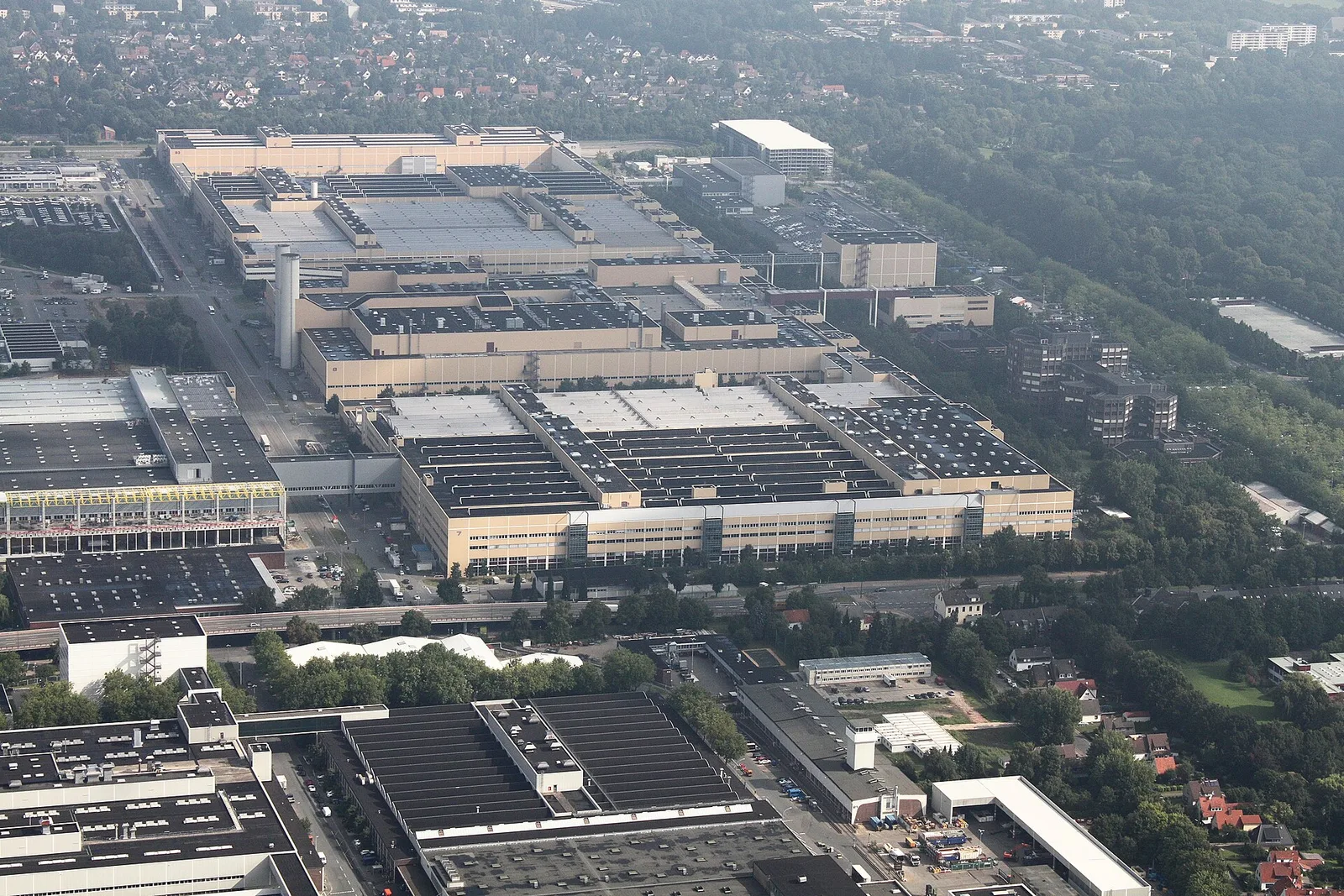
IG Metall has called more than 23,000 workers at 19 plants across northern Germany, among them Mercedes-Benz in Bremen and Hamburg, out on 24-hour strikes on Monday 23 November, almost twice as many as struck there on Friday. The union wants 5% more pay; the employers offer nothing permanent until July 2028, and then 1.3%. They are IG Metall's first full-day strikes in a pay round since 2018, and they come 11 days after news broke that Mercedes-Benz had frozen investment in its German plants.
The northern German metal strike in three numbers
- 23,000+ workers called out at 19 plants on Monday 23 November
- 5% vs 1.3% the union's pay demand and the employers' permanent rise, due in July 2028
- 151,000 workers who struck for a full day across Germany on Friday, says IG Metall
Which plants IG Metall is striking on Monday
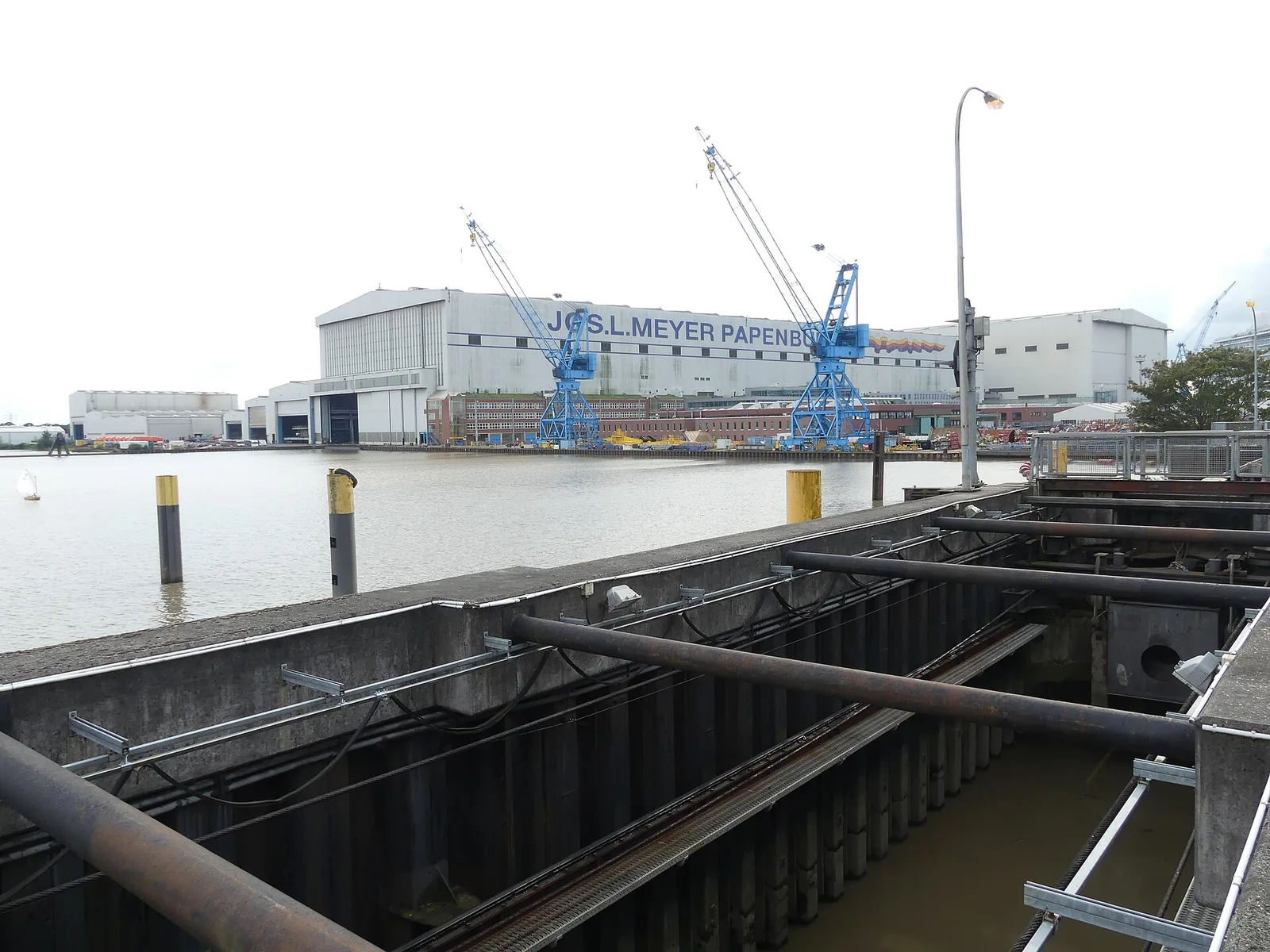
The walkout began before Monday did. Night shifts at Mercedes-Benz in Bremen and Hamburg, and at wind-turbine maker Siemens Gamesa in Cuxhaven, stopped work on Sunday evening, public broadcaster NDR reported in an update timed 22:01 CET. The Meyer Werft shipyard in Papenburg, crane maker Manitowoc in Wilhelmshaven and ZF's airbag plant in Laage were due to follow from midnight and Monday morning.
The rules are blunt. Each chosen plant is struck for 24 hours and all work is meant to stop, says IG Metall Küste, the union's coastal district. That includes staff working from home.
Friday was the opening act. About 12,300 workers at 17 northern plants stayed out, the union said, and 151,000 at more than 100 plants across Germany. Among them were BMW's Munich and Dingolfing factories, which normally build about 2,400 cars a day between them, Handelsblatt reported.
"Anyone who thinks they can sit this pay round out is mistaken," said Daniel Friedrich, IG Metall Küste's chief negotiator. "The employers have to move."
Mercedes-Benz: share price, chart and news
What the employers have offered and why the two versions differ
Nordmetall, the northern employers' association, says it has offered a 2.3% pay rise over 26 months. IG Metall says the offer holds nothing permanent for 20 months and 1.3% after that, which it works out at 0.6% a year.
Both are describing the same piece of paper. Nordmetall's own statement of 27 October sets it out: a one-off payment worth 1% of average annual pay in July 2027, then a 1.3% rise in pay scales in July 2028, in a deal running to 31 December 2028. Add the two and you reach 2.3%. Count only what stays in the pay packet and you reach 1.3%. Even the one-off is not guaranteed: the union says a company in difficulty could postpone or skip it. IG Metall wants its 5% over 12 months.
The gap matters because German inflation ran at 2.8% in October, and the union calls the offer a pay cut in real terms. Nordmetall's chief negotiator, Lena Ströbele, said it "reflects economic reality". She called day-long strikes "irresponsible and disproportionate" in what she described as the Federal Republic's worst economic crisis.
Why the strike at Mercedes-Benz in Bremen matters
Mercedes-Benz was already at odds with its workforce. On 12 November, the day IG Metall's board cleared the way for 24-hour strikes, it emerged that the carmaker had frozen investment in its German plants after savings talks with its works council and the union stalled. Production chief Michael Schiebe had warned in September that two German plants, one assembling vehicles and one making powertrains, could close. The company has not said which. Bremen assembles cars; Hamburg is a powertrain site.
Bremen's workforce has already shown its temper: 5,000 of them demonstrated against the company's savings plans on 3 July, according to IG Metall Bremen.
Money is only half the fight. The union says employers want plants to be able to depart from the industry agreement, through deals with their own works councils, which have no right to strike. Mercedes is among the companies that want to depart from the 35-hour week, the dpa news agency reported. IG Metall will accept exceptions only in union contracts tied to binding promises on investment and jobs.
Investors were uneasy before the first picket formed. Mercedes cut its 2026 profit outlook in October as sales in China kept falling. Its shares closed at €37.62 on Xetra on Friday 20 November, down 1.7% on the day and about 7.6% below their close on 12 November, exchange data show. Friday's low of €37.57 was the lowest price in 52 weeks.
What happens next in the German metal pay dispute
No fourth round of talks is scheduled in the north. Instead, Nordmetall is backing an invitation from Südwestmetall, the employers' group in Baden-Württemberg, to meet IG Metall in Mannheim on Wednesday 25 November. The union's regional leader there, Barbara Resch, said what mattered was "whether the employers are ready for real movement".
Until then the strikes roll on. IG Metall's Mitte district planned to stop Opel and Ford on Monday, and Berlin-Brandenburg has called full-day strikes for Tuesday 24 November, dpa reported. That same Tuesday, separate talks open at Volkswagen, which has its own company pay deal and a plan to cut about 100,000 jobs.
The national pay round covers about 3.7 million workers, 130,000 of them in IG Metall's coastal district. The stand-off lands days after the DAX's worst week since March.
Why is IG Metall on strike?
IG Metall is striking because pay talks for Germany's metal and electrical industry stalled after three rounds, the last in early November 2026. The union wants 5%; employers offer a one-off payment in 2027 and 1.3% from July 2028.
Is the Mercedes-Benz plant in Bremen on strike?
Yes. IG Metall called Mercedes-Benz workers in Bremen and Hamburg out for 24 hours from the night shift on Sunday 22 November 2026, according to the union and NDR.
Sources
- IG Metall Küste: 12.300 Beschäftigte legen bei 24-Stunden-Streiks die Arbeit nieder
- Handelsblatt: Metall-Tarifkonflikt: IG Metall Küste - 24-Stunden-Streiks werden ausgeweitet
- NDR: IG Metall setzt Warnstreiks in Norddeutschland fort
- Nordmetall: M+E-Arbeitgeber legen Angebot vor
- Nordmetall: IG Metall agiert unverantwortlich, unverhältnismäßig und unredlich
- IG Metall: 24-Stunden-Streiks gestartet - 151 000 Streikende am Freitag
- IG Metall Küste: IG Metall Küste startet 24-Stunden-Streiks in 17 norddeutschen Betrieben
- IG Metall Küste: Grünes Licht für 24-Stunden-Streiks
- dpa via Handelsblatt: Metall- und Elektroindustrie: IG Metall setzt weiter auf ganztägige Warnstreiks
- Handelsblatt: Autoindustrie: Brauchen jetzt Wut - Die Tarifverhandlungen eskalieren
- Radio Bremen (buten un binnen): 24-Stunden-Streik der IG Metall trifft auch Bremer Mercedes-Werk
- IG Metall Bremen: Aktionstag bei Mercedes Benz: 5.000 Bremer Mercedes Beschäftigte geben Warnung ab
- IG Metall: VW fordert Lohnverzicht - 35-Stunden-Woche soll weg