Volkswagen's supervisory board on Thursday unanimously approved a restructuring plan that cuts a further 50,000 jobs by the end of the decade, taking total planned reductions to about 100,000, and leaves the future of four German car plants in doubt beyond 2030.
Europe's largest carmaker said the board had signed off the executive board's Future Plan 2030, a package of 12 initiatives. Together with the roughly 50,000 cuts already agreed, the new reductions mean about one in seven of the group's employees worldwide, around 15 percent, will go. According to AFP, it is the largest job-cutting total on record for any carmaker.
"This is a strong signal for the future of the Volkswagen Group," chief executive Oliver Blume said.
Four German plants without a guarantee
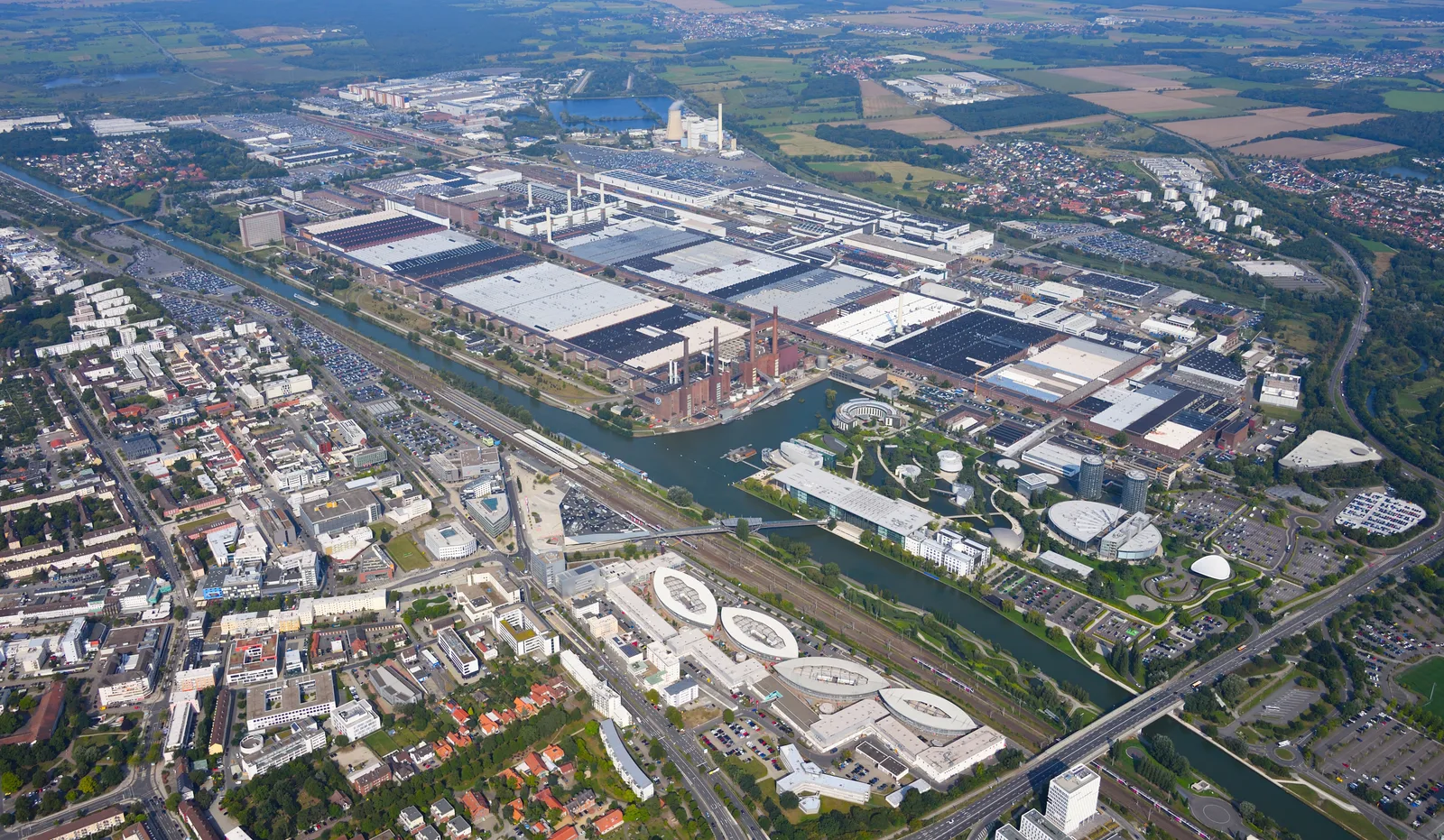
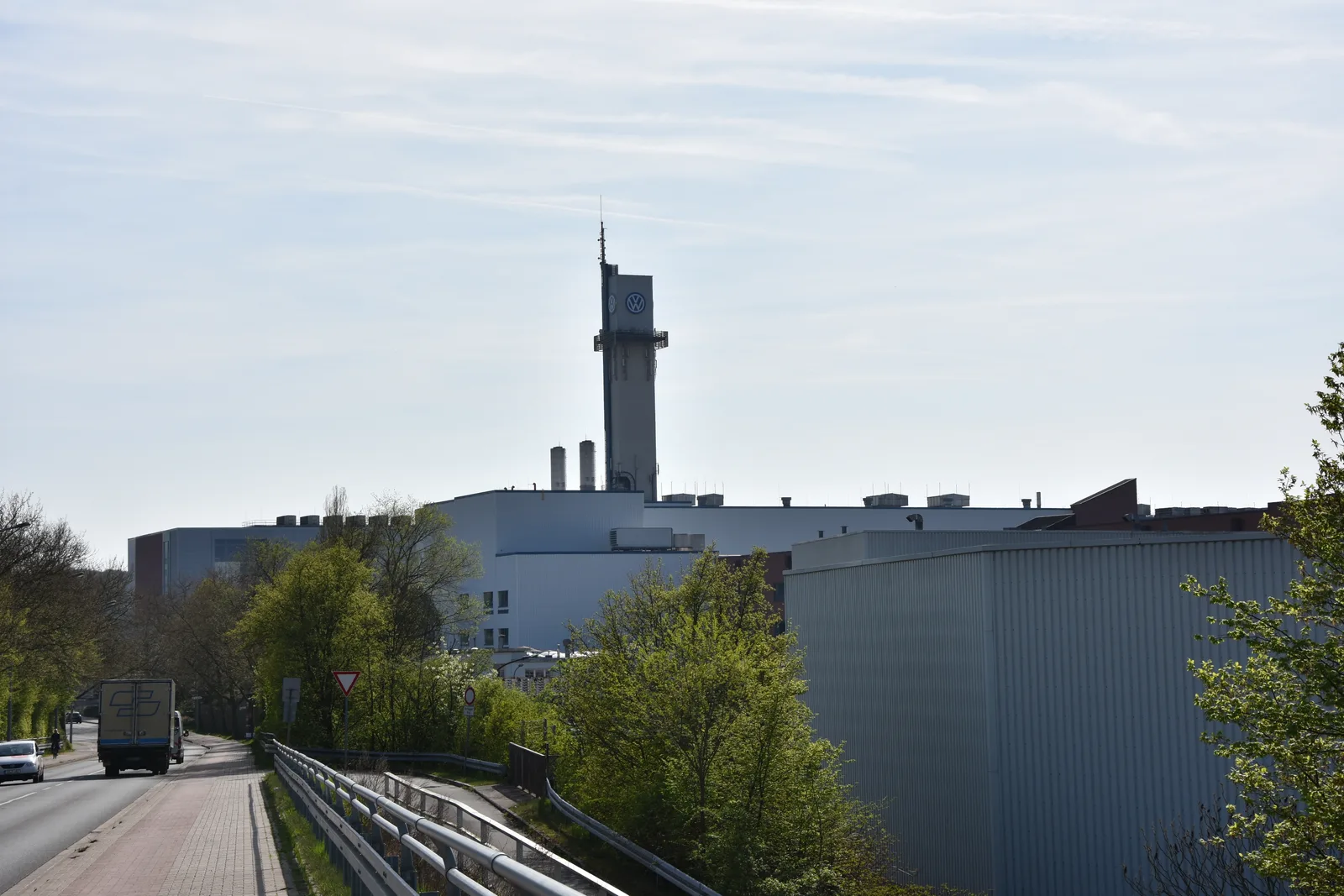
The most sensitive part of the plan concerns Germany. Volkswagen said competitive production at Emden, Zwickau, Hanover and Neckarsulm cannot currently be secured, on a staggered basis, for the years 2031 to 2034, and that alternative uses for the sites are being examined. Closing any of them would be the first shutdown of a full-scale Volkswagen factory in Germany.
The group put its European production capacity at more than 500,000 vehicles a year above demand. Management is to present a concept for a smaller, competitive European manufacturing network by the end of June 2027. The new reduction of about 50,000 positions applies across the group and includes management roles.
Labour representatives backed the plan on the board, where workers and shareholders sit side by side. Daniela Cavallo, who chairs the group and central works councils, called the plan a necessity for leading the group into the next decade. IG Metall chair Christiane Benner, the board's deputy chair, said the executive board now had a foundation for the tasks ahead.
Volkswagen: share price, chart and news
Half the models and a 9 percent margin target
What Future Plan 2030 changes
- About 50,000 further job cuts across the group, on top of about 50,000 already agreed
- A model line-up roughly 50 percent smaller by 2035, with about 75 percent less complexity
- An operating margin target of 9 percent by 2030, equal to about €31 billion of operating profit
- €135 billion of capital spending and research and development over 2027 to 2031
- Shareholdings and businesses cut by about a third, with non-core units sold or realigned
Fewer variants are meant to raise volumes per model and spread costs over longer production runs. Platforms are to be tailored to the needs of both Western and Eastern markets. The plan assumes annual sales of nine million vehicles, depending on market conditions, and overhead costs of €37 billion.
In North America the group will concentrate on its most profitable segments. From China it will expand its export business toward the Global South. A review of the property portfolio, a leaner management structure and a single bonus system for executives complete the package.
Tariffs, weak EV demand and China
Volkswagen, whose ten brands run from Volkswagen, Škoda, SEAT and Cupra to Audi, Porsche, Bentley, Lamborghini and Ducati, is being squeezed from several directions at once: US import tariffs, patchy demand for electric cars and fierce competition both inside China and from Chinese manufacturers abroad. The company said workforce levels had to be brought systematically into line with economic realities.
The scale goes well beyond earlier restructurings in the industry, as figures compiled by AFP show:
| Carmaker | Year | Jobs cut |
|---|---|---|
| General Motors | 1991 | 74,000, with 21 plants closed |
| Ford | 2002 | 35,000, with five plants closed |
| General Motors | 2009 | 47,000 globally |
| Volkswagen | 2026 plan | about 100,000 by 2030 |
Shares rise as the work begins
Volkswagen shares traded about 4 percent higher in Frankfurt on Thursday afternoon, recovering losses from the previous session.
The executive board must now put the plan into practice with the brands, subsidiaries and employee representatives. Measures already under way will continue and further steps start immediately, the company said, with works councils brought in wherever agreements are required. Blume said the group would invest a three-figure billion sum over the coming years to make its brands more attractive.
Olaf Lies, Minister-President of Lower Saxony, the state that is one of Volkswagen's largest shareholders, also backed the plan, saying the group was investing in its future and improving its competitiveness. The next fixed milestone is the European production concept due by mid-2027, which will decide what happens to the four plants.