German inflation fell to 2.8 percent in October from 3.3 percent in September, the Federal Statistical Office confirmed on Wednesday, as a temporary cut in fuel tax took some of the heat out of pump prices. Heating oil went the other way: it cost 84.5 percent more than a year earlier.
Destatis confirmed its earlier flash estimate. Consumer prices fell 0.2 percent from September, and the harmonised EU measure also stood at 2.8 percent. "The rate of inflation in October was just under three percent again," said Ruth Brand, the office's president, adding that energy remained the main driver.
Germany, October 2026, year on year
- 2.8% headline consumer price inflation, down from 3.3%
- 28.9% rise in motor fuel prices, down from 37.1%
- 84.5% rise in heating oil prices, up from 74.9%
The Fuel Discount Shows Up at the Pump
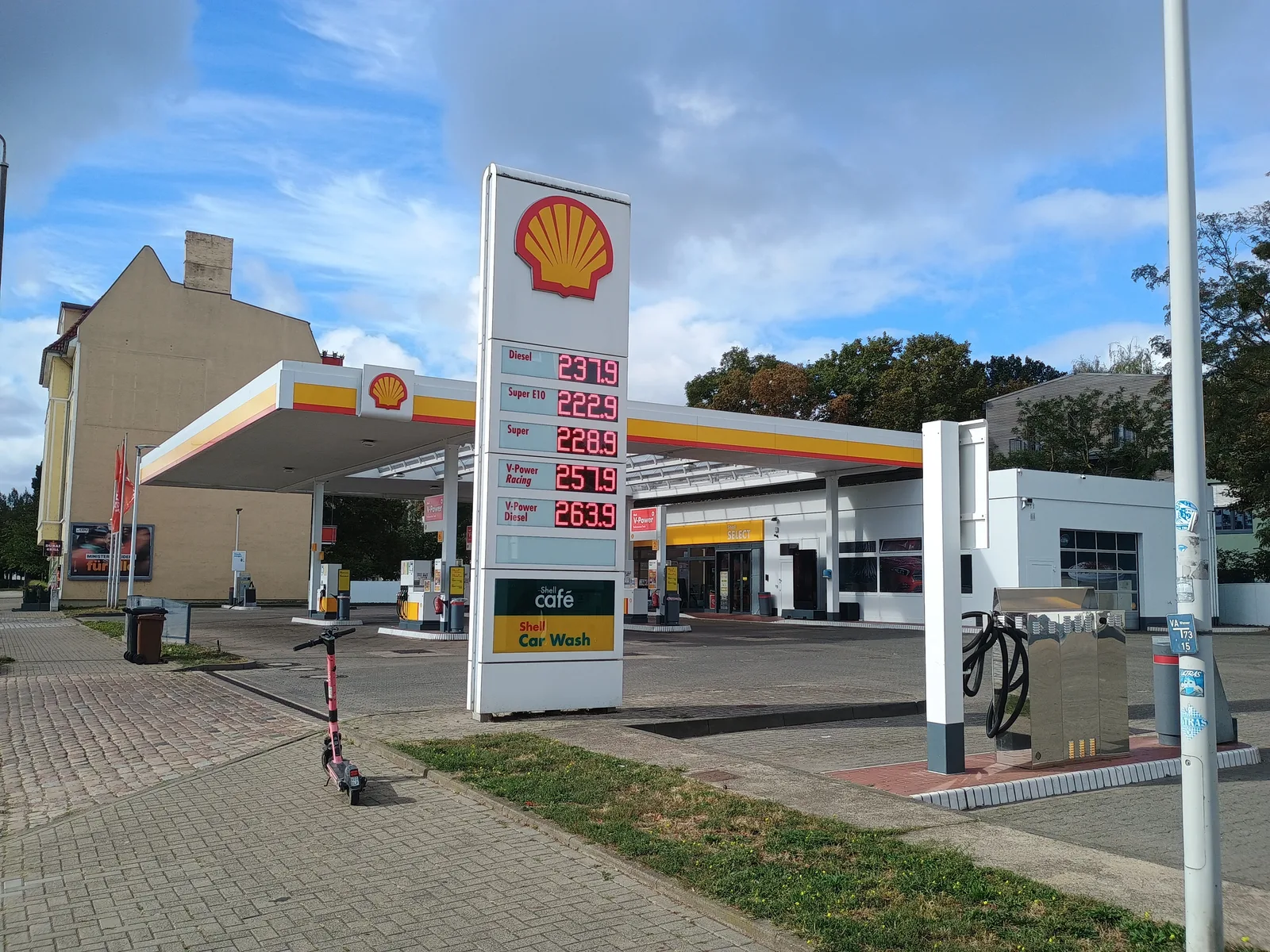
The biggest change came from petrol and diesel. Since 1 October the government has cut energy tax on both fuels by about 14 cents a litre, or roughly 17 cents once VAT is included, according to consumer group Stiftung Warentest. The cut runs until the end of 2026.
Motor fuel prices fell 5.5 percent from September, with super petrol down 5.8 percent and diesel down 5.1 percent. That brought annual fuel inflation down to 28.9 percent from 37.1 percent. Destatis said the discount had probably dampened inflation somewhat, without putting a figure on it.
Fuel is still far more expensive than a year ago, though. Overall energy inflation eased to 12.2 percent from 14.9 percent in September, but it remains well above the summer: it was 8.3 percent in July and 10.5 percent in August.

Heating Oil Keeps Climbing
Households that heat with oil had a very different month. Heating oil prices rose 4.6 percent from September and stood 84.5 percent above October 2025, up from an annual rise of 74.9 percent a month earlier. The tax cut is aimed at petrol and diesel at the pump, so oil-heated homes have felt the full rise.
Other household energy looked calmer. Electricity was 5.2 percent cheaper than a year earlier, and natural gas was down 1.2 percent. That mix means the squeeze depends heavily on how a home is heated.
| Year-on-year change | September 2026 | October 2026 |
|---|---|---|
| Consumer prices | 3.3% | 2.8% |
| Energy | 14.9% | 12.2% |
| Motor fuels | 37.1% | 28.9% |
| Heating oil | 74.9% | 84.5% |
| Food | 0.4% | 0.4% |
| Core (excluding food and energy) | 2.4% | 2.1% |
Markets: indices, currencies and commodities
Underlying Inflation Is Mild
Strip out energy and the picture is far quieter. Excluding heating oil and motor fuels alone, prices were only 1.7 percent higher than a year earlier. Core inflation, which excludes food and energy, fell to 2.1 percent after three months at 2.4 percent. Food prices were just 0.4 percent higher than a year earlier, and inflation excluding energy altogether was 2.0 percent. Goods prices rose 3.0 percent and services 2.5 percent.
That leaves Germany well below the euro area as a whole. Eurostat's flash estimate put euro area inflation at 4.0 percent in October, up from 3.8 percent in September. The European Central Bank sets one interest rate for all member states, so a lower German reading does not by itself change the outlook for borrowing costs.
Pressure Is Still Building in the Pipeline
The October drop may also flatter the trend. Costs further up the supply chain are still rising quickly: Destatis reported last month that import prices in September were 10.4 percent higher than a year earlier, and higher import costs tend to reach shop prices with a delay.
Oil remains the wild card. Brent crude closed at $117.64 a barrel on 30 October before falling 16 percent the following week to $98.32, according to Yahoo Finance data, a swing that shows how quickly fuel costs can change. And the fuel discount itself has an end date. When the tax cut expires at the end of the year, pump prices lose that support, which would push fuel inflation up again unless crude prices fall in the meantime.
For households, the October figure brings some relief at the petrol station, while those relying on oil heating face a much more expensive winter than last year.
Sources
- Destatis: Inflation rate at +2.8% in October 2026
- Destatis: Import prices in September 2026: +10.4% on September 2025
- Stiftung Warentest: Der Tankrabatt kommt zurück, am 1. Oktober geht's los
- FXStreet: Eurozone flash HICP grows faster by 4% YoY in October, as expected
- Yahoo Finance: Brent crude oil futures (BZ=F) price history