Pure Lithium, a Chicago battery start-up, turned down a request from US Commerce Secretary Howard Lutnick to hand Washington 51% of the company, Reuters reported on Friday 20 November, citing documents and a person with direct knowledge. In return came a $1bn factory, paid for from a Japanese investment pledge, that Pure Lithium would run but not own, and no money for the company itself. Pure Lithium offered 9.9% instead, and the Commerce Department said no.
The Pure Lithium proposal in numbers
- 51% the controlling stake Lutnick asked for in July, according to Reuters
- 9.9% Pure Lithium's counteroffer, which Commerce rejected in August
- $1bn for a battery plant the company would operate but not own
What Lutnick asked Pure Lithium to give up
The meeting was supposed to be about something else. On 29 July, Pure Lithium's founder and chief executive, Emilie Bodoin, met Lutnick in Washington to discuss the company's legal fight with Japan's Panasonic, Reuters reported. Pure Lithium sued Panasonic in March, accusing it of reverse-engineering its battery technology. Panasonic disputes that.
It lasted roughly 45 minutes, and the talk turned to ownership. Lutnick said the US government needed to control the company so that the military and other agencies could use its battery, Reuters reported. He also told Pure Lithium to send 100 of its batteries to the Energy Department and the Pentagon for testing.
The terms are set out in a 22 August memo from Pure Lithium's lawyers at Skadden Arps, which Reuters saw. The $1bn would come from Japan's $550bn pledge to invest in the US economy, part of a tariff agreement Lutnick helped negotiate last year.
Who would have got what, according to the memo
- Washington: 51% of Pure Lithium
- The plant: owned by a special-purpose vehicle, a separate legal entity, controlled by Tokyo and Washington
- Pure Lithium: a contract to run the plant, and a share of revenue after debt costs on the $1bn
- Cash for the company itself: none
Why Pure Lithium said no to a 51% government stake
The lawyers did not soften it. "51% is far outside precedent and invites scrutiny," the Skadden memo said, as quoted by Reuters. A stake that size, they argued, would badly damage the company's ability to raise capital or float on the stock market, and Pure Lithium would have no control over the plant it was running.
So the company countered with 9.9%. Commerce rejected that in August and, according to the memo, was holding to 51% and ready to move on to other projects. A Pure Lithium representative did not dispute the account, Reuters said, and the Commerce Department did not answer its questions.
Pure Lithium is privately held. Bodoin founded it in 2020, and the company says its lithium metal battery needs no graphite, nickel, cobalt or manganese. In July 2025 the Illinois governor's office announced its move from Boston to Chicago, where it planned a pilot production line. The battery is not yet mass produced.
How a 51% stake compares with Intel, MP Materials and Lithium Americas
Washington has become a shareholder in a string of companies since Donald Trump returned to the White House but never, Reuters noted, a majority one.
| Company | Washington's stake | How it came about |
|---|---|---|
| Pure Lithium | 51% asked for, refused | Lutnick's request, July 2026 |
| MP Materials | 15% agreed | The largest so far, per Reuters |
| Intel | 9.9% | 433.3m shares at $20.47, August 2025 |
| Lithium Americas | 5%, plus 5% of its venture with General Motors | Warrants tied to an Energy Department loan |
| Rigetti Computing | About 2.3% | Shares issued with a CHIPS Act award |
Warrants are rights to buy shares later at a set price. Now look again at the counteroffer. Pure Lithium's 9.9% is, to the decimal, the stake Washington took in Intel, an investment the chipmaker described as passive, with no board seat.
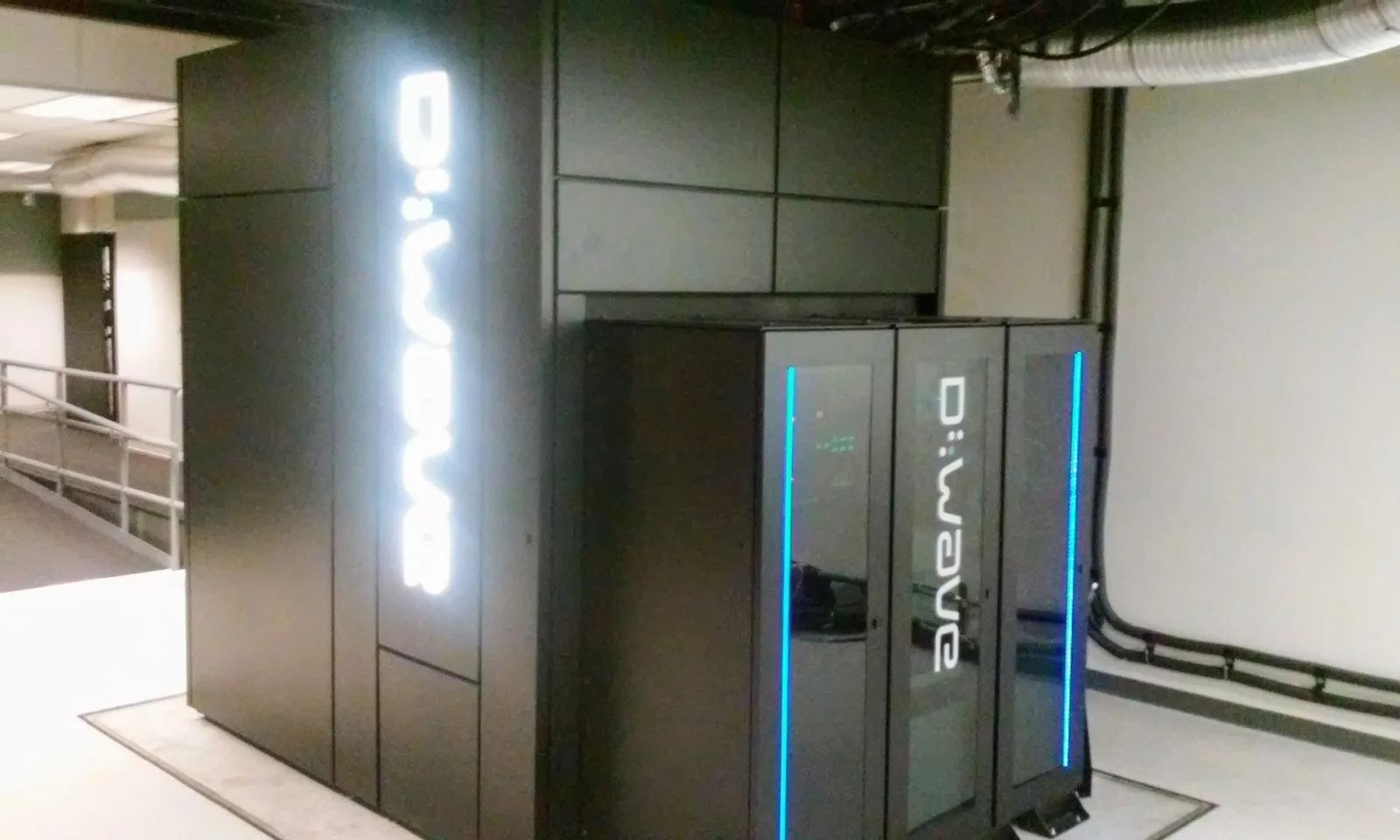
In those deals, as the research site Market Analysis points out, money moved towards the company. D-Wave Quantum handed Washington 7.1m shares in September for an award of up to $100m.
What the Pure Lithium case means for critical minerals and quantum companies
Lutnick has stepped up Commerce's investments in minerals by reallocating money from the 2022 CHIPS Act, a law written for semiconductors, Reuters reported. The department now has stakes in USA Rare Earth and Korea Zinc. The hunt for these metals runs beyond US borders: on Thursday 19 November a US-led group was named successful bidder for Kenya's Mrima Hill rare earth deposit.
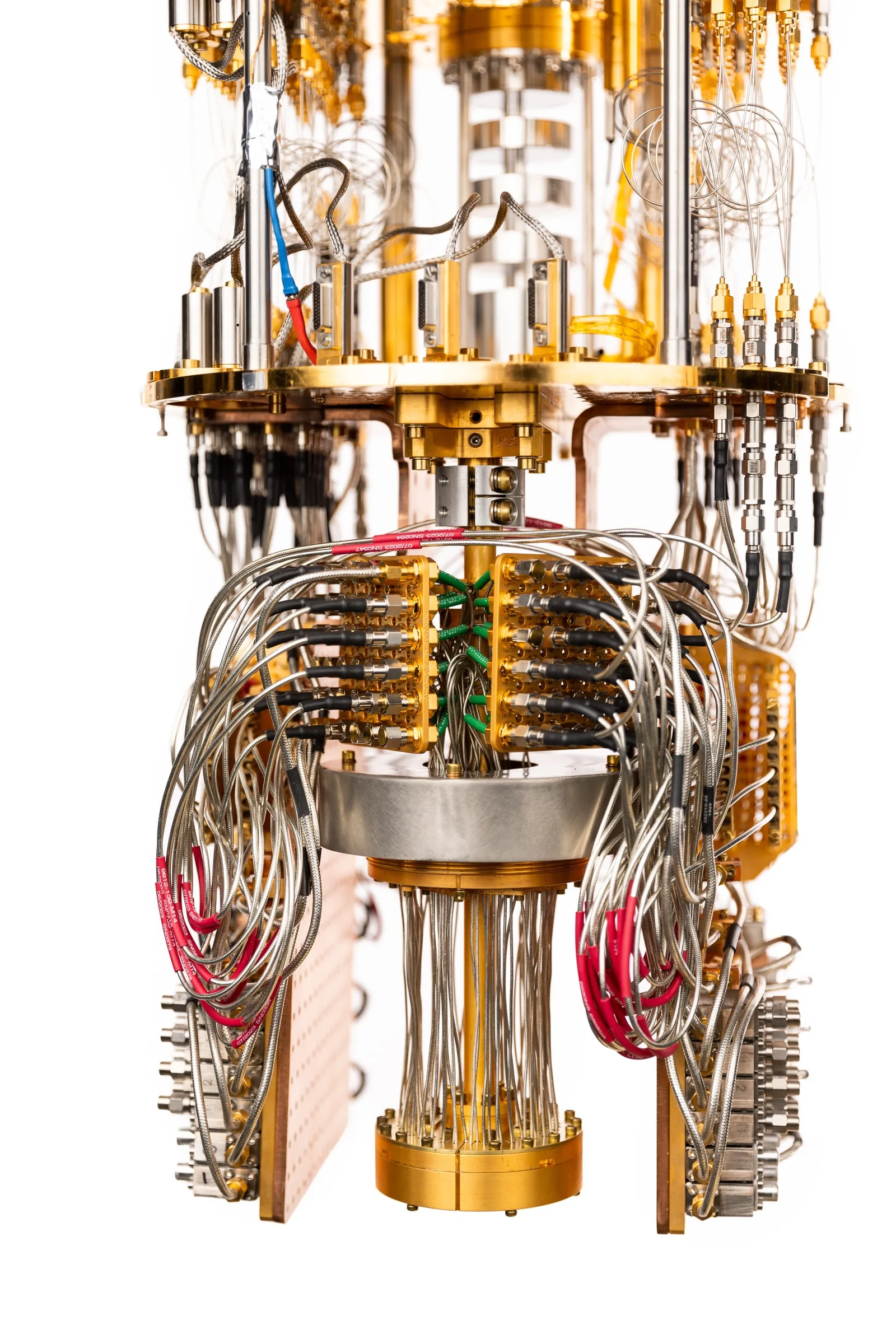
For quantum companies the price of federal money has so far been small: Rigetti's $100m Commerce Department deal cost it about 2.3% of its shares, far from control.
Discovery Alert, a mining news site, suggests three questions for any future deal: what the government receives, what the company receives and who controls the board.
Taking equity in a private company is not illegal, Reuters noted, but lawmakers who oppose the practice argue the CHIPS Act never authorised it. No court has ruled.
What happens next for Pure Lithium and Lutnick
The Panasonic case goes on without Washington on the shareholder register. A January hearing will decide whether to grant Pure Lithium a preliminary injunction, an early court order that restrains the other side while the case runs.
The July meeting was arranged by the billionaire Robert Friedland, one of Pure Lithium's largest shareholders, Reuters reported. I-Pulse, a company he co-founded, received $250m from the Commerce Department in June. Friedland is also executive chairman of Ivanhoe Electric, the Arizona copper developer. He declined to comment through a spokesperson.
Reuters said it has no evidence that Lutnick personally holds a stake in Pure Lithium or I-Pulse, and a Commerce spokesperson said she did not think he was invested in either.
Did Pure Lithium accept a US government stake?
No. Pure Lithium rejected Commerce Secretary Howard Lutnick's July 2026 request for a 51% stake and offered 9.9%, which Commerce rejected in August, Reuters reported on 20 November 2026.
Is Pure Lithium a publicly traded stock?
No. Pure Lithium is privately held, Reuters reported, so its shares are not listed on any stock exchange.
How big are the US government's stakes in Intel and MP Materials?
The US government agreed in August 2025 to buy 9.9% of Intel for $8.9bn, according to Intel. Its agreed stake in MP Materials is 15%, the largest so far, Reuters reported.
Sources
- Reuters via KFGO: Lutnick asked battery startup Pure Lithium to accept US takeover, documents and source say
- Discovery Alert: Why Pure Lithium Rejected Washington's 51% Government Equity Stake
- Market Analysis: Pure Lithium Turned Down a 51% US Government Stake, an Analysis of Washington's 40-Company Equity Portfolio
- Pure Lithium: Leadership
- Pure Lithium: The Next Generation Lithium Metal Battery
- Office of the Governor of Illinois: Governor Pritzker Announces Pure Lithium Corporation to Relocate Company Operations to Illinois
- Intel: Intel and Trump Administration Reach Historic Agreement to Accelerate American Technology and Manufacturing Leadership
- US Department of Energy: Department of Energy Restructures Lithium Americas Deal to Protect Taxpayers and Onshore Critical Minerals