Kraken Robotics has booked C$102 million of new orders since late August, including the largest single sonar order in its history, from an unnamed navy. The Canadian subsea technology group's announced orders for 2026 now total about C$457 million, and more than 60 percent of that comes from defence customers.
The company, listed on the TSX Venture Exchange as PNG and on the OTCQB in the US as KRKNF, announced the orders on 5 November. The figure counts business won since its last update on 27 August, when it published second-quarter results.
What Was Ordered
The orders span the original Kraken business and the companies it bought with Covelya Group in July.
| Business | New orders | Main customers |
|---|---|---|
| Covelya businesses | More than C$55m | Offshore oil and gas, defence |
| Kraken subsea batteries | C$25m | Defence underwater drone makers |
| Kraken synthetic aperture sonar | C$22m | Navies |
| Total | C$102m |
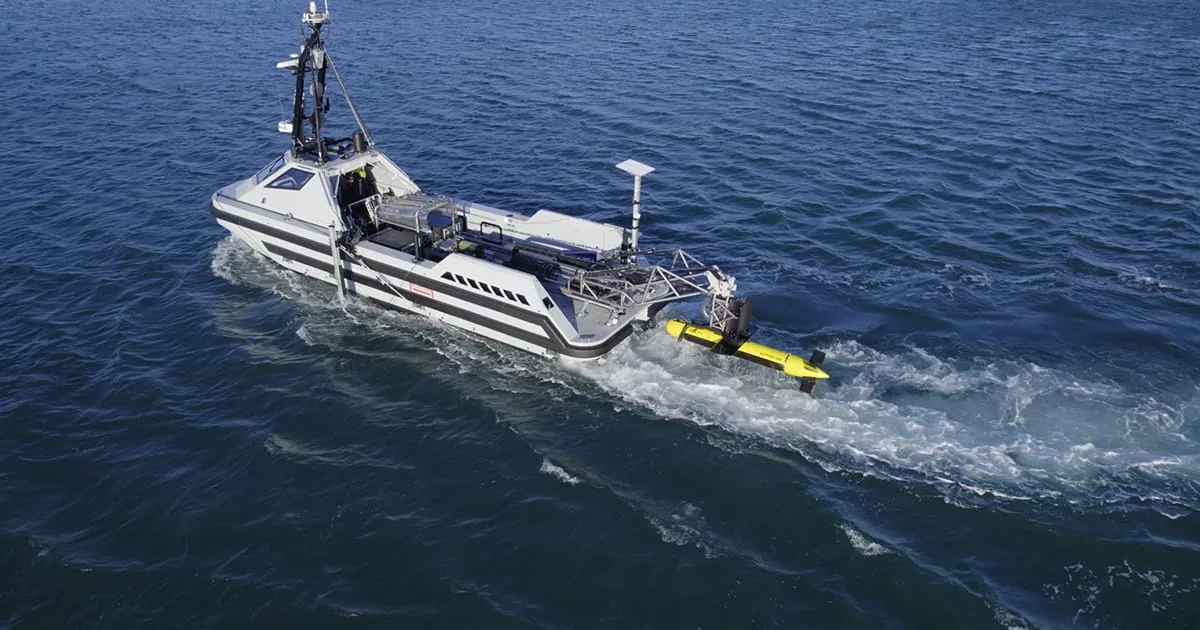
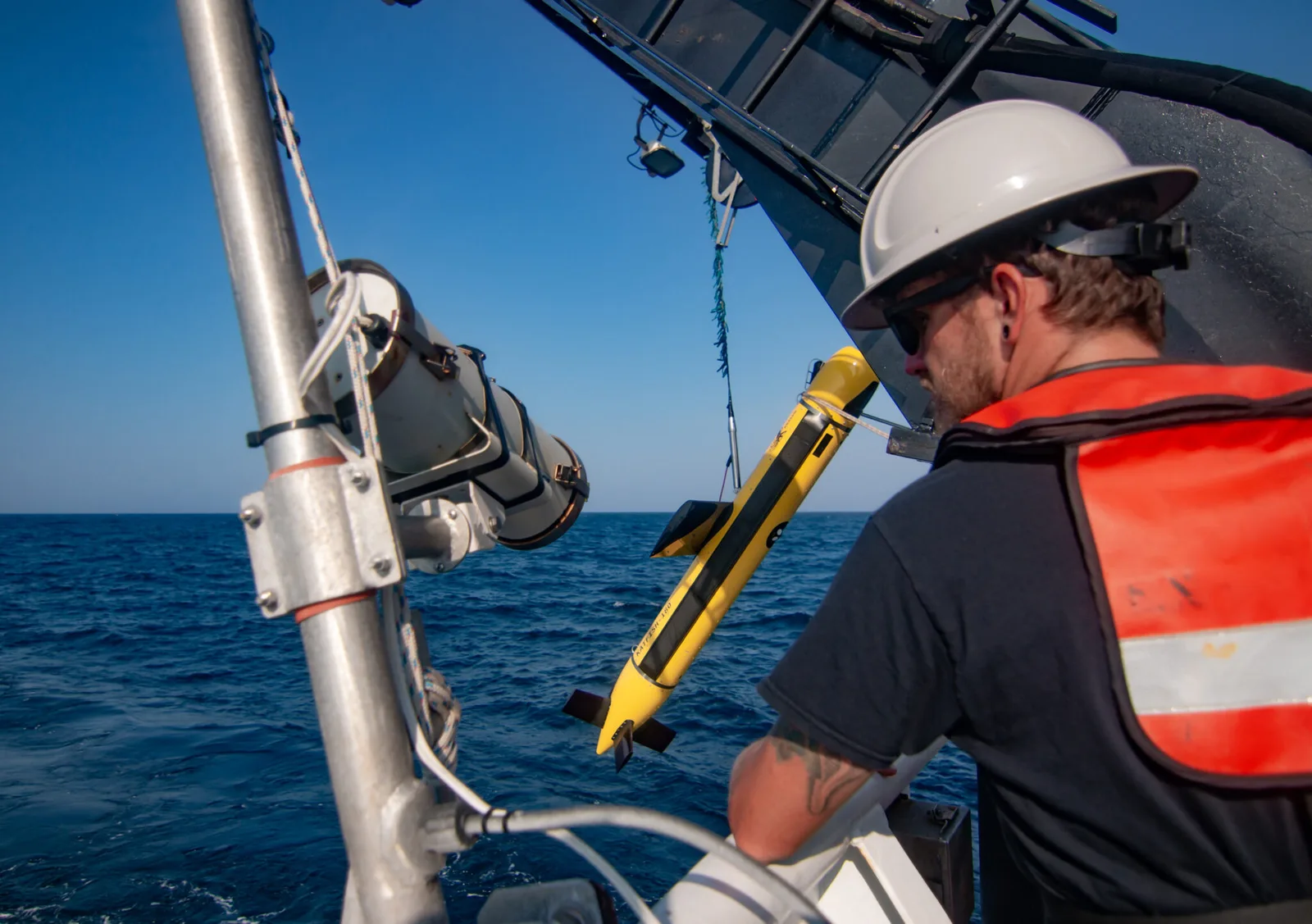
The headline item sits in the sonar line. Synthetic aperture sonar builds high-resolution images of the seabed. Kraken said the largest single order of this kind it has received came from an undisclosed navy, and the systems will be fitted to underwater drones small enough for a team to carry. The naval programme behind it runs over several years, and Kraken said it may lead to further orders.
The battery orders also come from defence, from customers who operate or build unmanned underwater vehicles.
Kraken Robotics: share price, chart and news
The Covelya Effect
Kraken completed its takeover of Covelya Group on 2 July for about C$615 million, of which C$480 million was paid in cash and C$135 million in Kraken shares. Covelya's companies are Sonardyne, EIVA, Forcys, Voyis and Chelsea Technologies, which Kraken describes as focused on dual-use technologies serving both civil and military customers.
The deal nearly doubled the company's revenue outlook. When it closed, Kraken raised its 2026 revenue guidance to C$290 million to C$320 million, from C$165 million to C$175 million, and adjusted earnings before interest, tax, depreciation and amortisation (EBITDA) to C$65 million to C$75 million. The new range includes only half a year of Covelya, and the company said revenue would be weighted towards the second half.
Kraken Robotics orders, 2026
- C$102m new orders since 27 August
- C$457m announced orders so far this year
- 60%+ of those orders from defence customers
Orders Running Ahead of Results
The order book has moved faster than reported revenue so far. At the end of August announced orders for the year stood at about C$355 million on a combined basis; the latest batch takes that to roughly C$457 million.
Second-quarter results, which did not include Covelya, showed revenue up 4 percent to C$27.3 million and adjusted EBITDA of C$5.0 million. The company made a net loss of C$7.5 million, which included a provision for an arbitration over a 2017 supplier contract. It held C$91.3 million in cash at the end of June.
Kraken said most of the new product orders should turn into revenue within 12 months. Chief executive Greg Reid said: "These orders demonstrate the breadth of demand across the combined company."
What to Watch on 24 November
Third-quarter results are due before the market opens on Tuesday 24 November, with a call at 8:30 a.m. Eastern time. It will be the first quarter to include Covelya.
Questions the third-quarter numbers should answer
- How much revenue and profit Covelya added in its first full quarter
- Whether the company is on track for its second-half-weighted guidance
- How quickly the record sonar order turns into deliveries and revenue
The defence share of orders is the trend to follow. The sonar and battery orders in this batch are for equipment that goes into underwater drones, rather than complete vehicles. That spreads Kraken's exposure across several programmes, but it also ties its order flow to how quickly those programmes move from trials to larger purchases.