Pan African Resources is a mid-tier gold producer with low-cost tailings operations and underground mines in South Africa and a growing business in Australia's Northern Territory. After a record year it has net cash, pays a dividend and is weighing several new projects, while its costs are guided to rise.
What the company does and where
Pan African is listed on the JSE in Johannesburg and on the London Stock Exchange's Main Market, and since June 2026 it has also had a secondary listing on the ASX through CHESS Depositary Interests. In the US its shares trade over the counter as PAFRF. The stock is included in the FTSE 250, the JSE Top 40 and the VanEck GDXJ gold miners ETF.
Its South African business has two parts. Surface remining plants recover gold from old tailings: Elikhulu in Mpumalanga, the Mogale Tailings Retreatment (MTR) operation and the Barberton Tailings Retreatment Plant (BTRP). The underground mines are at Barberton (Fairview, Sheba and Consort) and Evander. In Australia, Tennant Mines operates the Nobles processing plant in the Tennant Creek Mineral Field. The company consolidated that field when it completed its acquisition of Emmerson Resources on 22 June 2026, and it issued 102,641,421 new shares to Emmerson holders on 1 July.
At 30 June 2026 the group reported Mineral Resources of 45.22 million ounces and Mineral Reserves of 13.04 million ounces of gold.
Pan African Resources: share price, chart and news
The latest numbers
Year to 30 June 2026
- 272,310oz gold produced, up 38.6%
- US$356.9m profit for the year
- US$185.7m net cash at year-end
| Measure | FY26 | FY25 |
|---|---|---|
| Gold produced (oz) | 272,310 | 196,527 |
| Revenue (US$m) | 1,156.5 | 540.0 |
| Average gold price received (US$/oz) | 4,235 | 2,735 |
| All-in sustaining cost (US$/oz) | 1,867 | 1,600 |
| Adjusted EBITDA (US$m) | 609.4 | 226.6 |
| Headline earnings per share (US cents) | 17.64 | 5.89 |
| Net cash / (net debt) (US$m) | 185.7 | (150.5) |
Cash and short-term investments were US$246.2 million at year-end and borrowings had fallen to US$51.5 million, after the group repaid its term loan and all third-party debt in Australia. The remaining debt is domestic medium-term notes, with ZAR210 million due on 22 March 2027 and US$13.0 million of principal to be redeemed during the 2027 financial year. The company had 2,434,309,216 shares in issue when it set the final dividend.
The lower-cost operations, which supplied more than 90% of output, ran at an AISC of US$1,702 an ounce. Elikhulu, at US$1,231, remains the cheapest. The higher-cost Sheba and Consort mines pull the group average up.
Growth plans and shareholder returns
Guidance for the year to June 2027 is 280,000 to 302,000 ounces at an AISC of US$2,075 to US$2,175 an ounce, with capital spending of US$330 million. The company lists several projects:
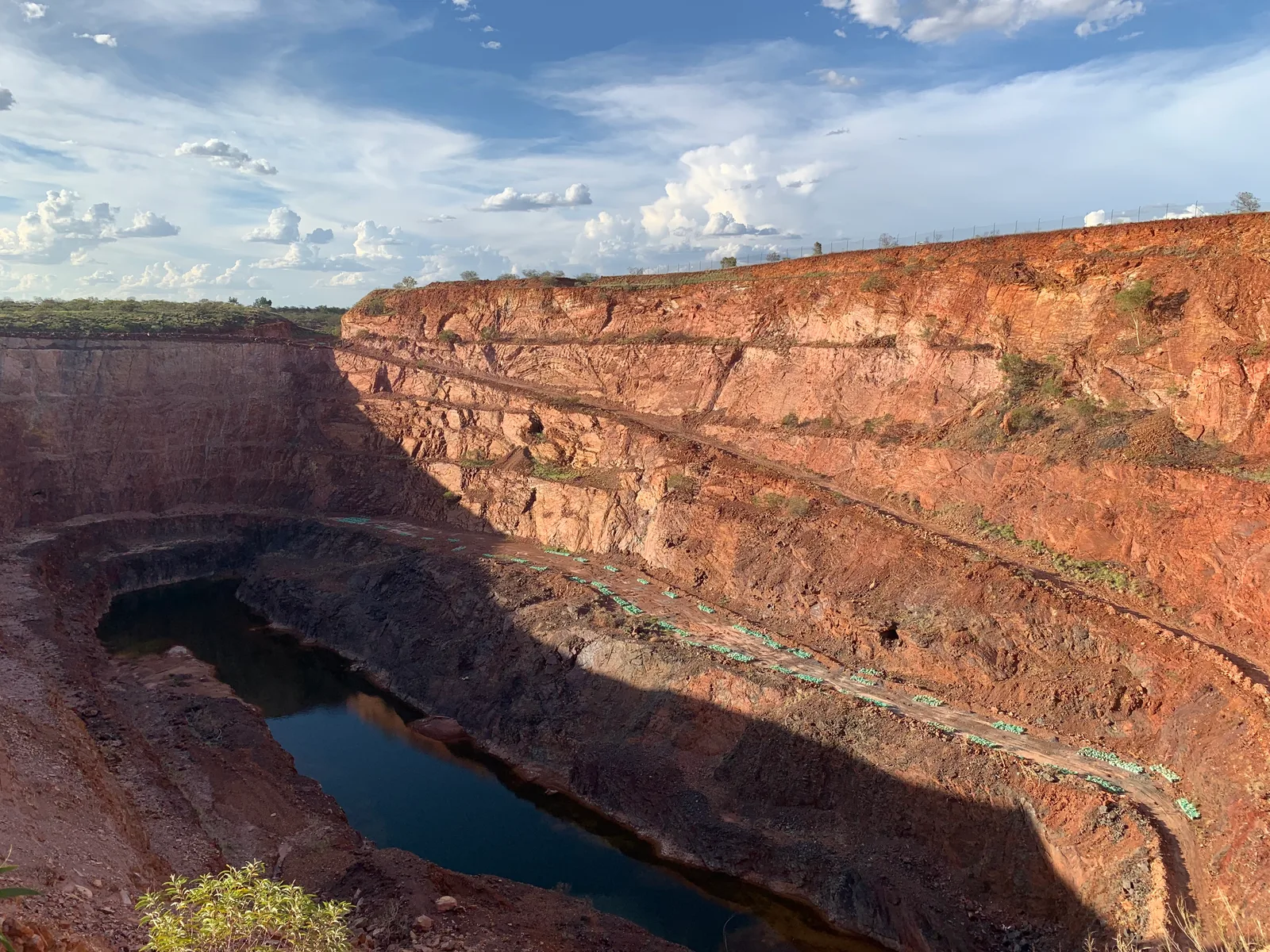
- Tennant Mines: mining of the White Devil open pit began with a first blast in August 2026. White Devil holds about 350,000 ounces of open-pit Mineral Reserves, and the company aims to lift Australian output towards about 100,000 ounces a year over the next five years with the Juno and Golden Forty underground deposits.
- Soweto Cluster: a feasibility study shows a 35,000 to 40,000 ounce a year tailings operation over about 15 years, costing an estimated US$216 million. A final investment decision is expected in December 2026.
- Royal Sheba: a near-surface orebody at Barberton, with first blast scheduled for early 2027 and steady-state output of about 40,000 ounces a year.
- Poplar: a pre-feasibility study on a 6.57 million ounce resource at Evander, studying a mine of about 100,000 ounces a year.
- Warrego: a copper-gold project in the Northern Territory, now at feasibility study stage. The group also bought 15% of ASX-listed CuFe for A$15.35 million in May 2026.
The dividend policy targets a payout of 40% to 50% of discretionary cash flow. For FY26 the board proposed a record final dividend of ZA 65 cents a share, taking the year's total to ZA 77 cents, about US$113.6 million, and approved a buyback of up to ZAR500 million from October 2026.
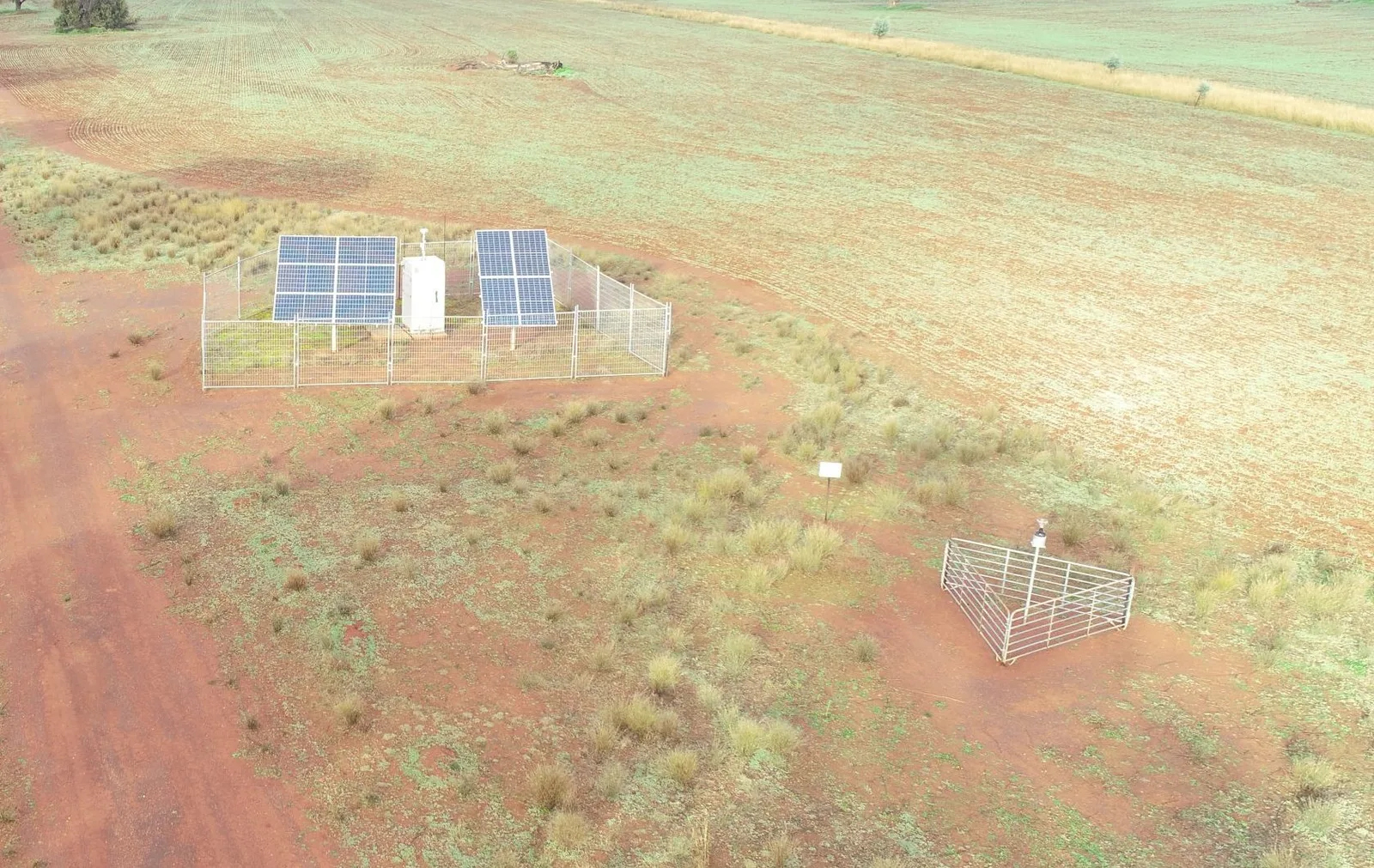
The company is also spending on power. Its two existing solar plants at Evander and Fairview saved about US$5.1 million in electricity costs in FY26, a larger second plant at Evander has been under construction since March 2026, and the group targets a renewable share of 15% of its energy by FY27 and more than 70% by FY30. On the board, Mark Connelly and Dennis Cooke joined as non-executive directors on 12 October 2026.
Risks and what to watch
Main risks
- Rising costs: guided AISC for FY27 is about 11% to 16% above FY26, with above-inflation rises in reagents and electricity
- Gold and currency: the group is fully unhedged, so a lower gold price or a stronger rand would cut margins directly
- Execution: Tennant Mines ramped up more slowly than planned, and several large projects still need final approval and funding
- Safety: one worker died in an underground accident in FY26
- Country risk: most output comes from South Africa, where the company is building solar plants to limit rising Eskom power costs
| Date | Event |
|---|---|
| 19 November 2026 | Annual general meeting, vote on the final dividend; Charles Needham takes over as chairman from Keith Spencer |
| 15 December 2026 | Final dividend payment date, if approved |
| December 2026 | Expected final investment decision on the Soweto Cluster project |
| February 2027 | First power expected from the Tennant Mines solar plant |
| Early 2027 | First blast scheduled at Royal Sheba |
Pan African enters the new financial year with more production, more cash and more projects than a year ago. How much of that reaches shareholders will depend on the gold price, the rand and whether the Australian operations meet their targets.