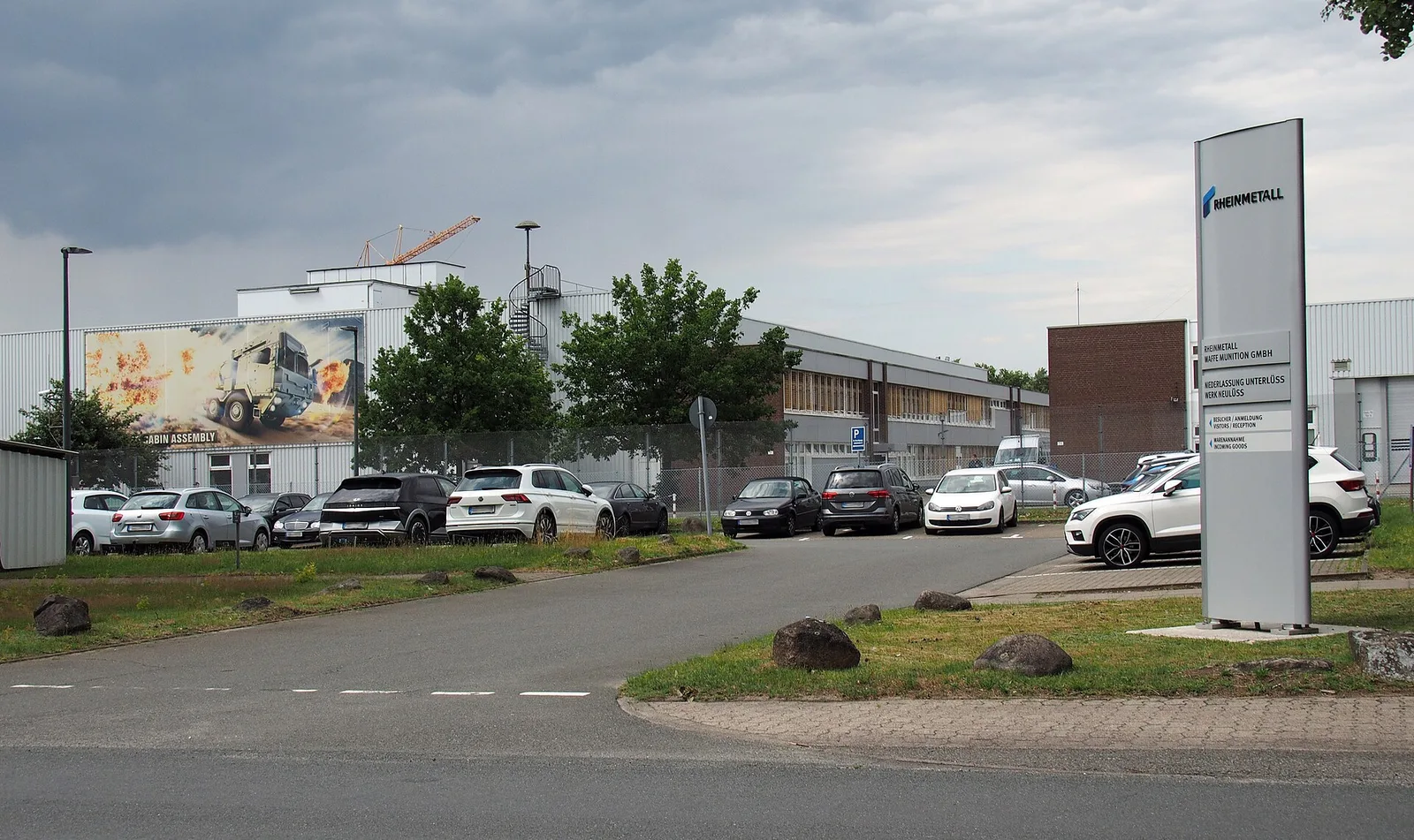
Rheinmetall shares fell as much as 16 percent on Thursday after Germany's largest defence company cut its 2026 sales and margin targets. The group blamed delays to a major contract for the German army and to acceptance tests for artillery ammunition, even as nine-month sales rose 38 percent.
The Düsseldorf-based group now expects 2026 sales of about €13.2 billion, below its previous range of €13.7 billion to €14.2 billion. It lowered its operating margin target to about 18.5 percent from about 19 percent. It was the company's second cut to its outlook since August.
The wider market was calmer: the Stoxx 600 was up about 0.5 percent shortly after the open and Germany's DAX was marginally higher.
Two Delays Behind the Cut
Rheinmetall pointed to two problems, both about timing rather than lost business.
The first is Arminius, a project for the German armed forces linked to the Boxer armoured vehicle. The company said the contract is in the final phase of negotiations and cannot be commissioned until next year, which pushes the related sales out of 2026.
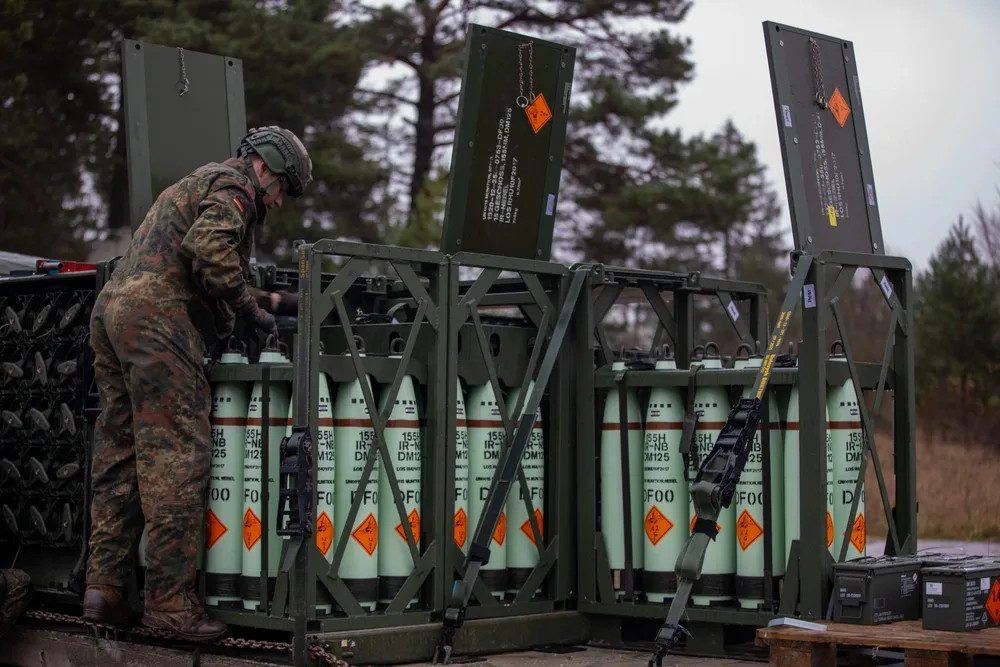
The second is lot acceptance testing for artillery ammunition, the checks a customer runs before taking delivery of a batch of shells. Delays in those tests shift revenue from one period into the next.
2026 outlook, before and after
- €13.2bn sales guidance, down from €13.7bn to €14.2bn
- 18.5% operating margin target, down from about 19%
- 16% maximum share price fall on Thursday
Strong Growth, Weak Cash
The nine-month figures themselves were strong. Sales rose 38 percent to €8,376 million from €6,057 million a year earlier. The operating result climbed by €544 million to €1,339 million, lifting the margin to 16.0 percent from 13.1 percent.
Orders kept flowing. The backlog reached €78.0 billion at the end of September, up from €56.7 billion a year earlier, and the company's Nomination measure of new orders rose 19 percent to €19.1 billion. Vehicle Systems orders included a second batch of 200 Puma infantry fighting vehicles and 298 Lynx vehicles for Romania, financed under the EU's SAFE defence programme.
Cash was the weak point. Operating free cash flow for the nine months was minus €1,698 million, compared with minus €798 million a year earlier. Rheinmetall attributed the outflow to inventory build-up and higher working capital, and noted that the prior-year period had benefited from large customer advance payments.
| Nine months to 30 September | 2025 | 2026 |
|---|---|---|
| Sales | €6,057m | €8,376m |
| Operating result | €795m | €1,339m |
| Operating margin | 13.1% | 16.0% |
| Operating free cash flow | -€798m | -€1,698m |
| Backlog | €56.7bn | €78.0bn |
Where the Growth Came From
Air Defence was the fastest-growing division, with sales up 63 percent to €731 million. Weapon and Ammunition sales rose 34 percent to €2,705 million at a 23.4 percent margin, the highest in the group. Vehicle Systems grew 20 percent to €3,898 million, and Digital Systems 29 percent to €1,328 million.
Naval Systems appeared as a separate division for the first time, with €679 million of sales over the seven months since its acquisition at the end of February. Chief executive Armin Papperger said: "We are achieving very strong growth coupled with high profitability." The company also said new plants have started production in the UK and in Albacete, Spain.
The Timing Risk in Europe's Rearmament Trade
For investors, the cut shows a risk that sits beneath the long-term case for European defence stocks. Demand is not the issue: the backlog is close to six times this year's expected sales. The problem is when that work turns into revenue, and that depends on government procurement timetables, contract negotiations and testing schedules that companies do not control.
Rheinmetall still expects its operating result to improve this year, though it gave no figure. A second downgrade in three months raises the question of how reliable near-term targets are, even with the order book at a record. The next test is whether the delayed Arminius contract is commissioned next year, as the company now expects, and whether the ammunition that slipped out of this year's tests is delivered on time.