Saab took in SEK 65.8bn of new orders in the third quarter, more than three times the SEK 20.9bn of a year earlier, as demand for fighters, surveillance aircraft and naval systems turned into signed contracts. The Swedish defence group also beat expectations on sales and operating profit, and its operational cash flow jumped to SEK 6.8bn from almost nothing a year earlier.
Third quarter 2026
- SEK 65.8bn of orders, against SEK 20.9bn a year earlier
- 30.6% organic sales growth
- SEK 6.8bn operational cash flow, up from SEK 142m
Three Contracts Drove the Order Surge
The quarter's bookings were dominated by three large contracts. The biggest was SEK 24.6bn for 16 Gripen E fighters for Ukraine, with spare parts and support equipment. The contract was signed with Sweden's defence procurement agency FMV on 30 June, and the aircraft are scheduled for delivery in 2029 and 2030. On its own it accounted for more than a third of the quarter's orders.
Saab also booked SEK 10.1bn for two GlobalEye airborne surveillance aircraft for an undisclosed customer, due for delivery in 2030, and SEK 8.7bn for systems for German frigates.
The order backlog reached SEK 364.2bn at the end of September, according to figures reported by Finwire and AeroTime. That is about 80% higher than the SEK 202.4bn of a year earlier and up from SEK 274.5bn at the start of the year. With quarterly sales of about SEK 20.6bn, the backlog now covers several years of work, though much of the Ukrainian contract will only turn into revenue towards the end of the decade.
Sales, Profit and Margin
Sales rose to SEK 20,553m from SEK 15,871m. Organic growth, which strips out acquisitions and currency effects, was 30.6%, up from 18.3% a year earlier.
Operating income (EBIT) grew 42% to SEK 1,945m. The EBIT margin widened to 9.5% from 8.7%, showing that the company is converting higher volumes into higher profitability. Net income was SEK 1,432m and earnings per share rose to SEK 2.57 from SEK 1.77.
The figures came in above market forecasts. According to FactSet consensus cited by Finwire, analysts had expected sales of about SEK 19,972m and EBIT of about SEK 1,842m. Saab beat both, by roughly 3% and 6%.
| SEK million | Q3 2026 | Q3 2025 | Change |
|---|---|---|---|
| Order bookings | 65,825 | 20,861 | +216% |
| Sales | 20,553 | 15,871 | +30% |
| EBIT | 1,945 | 1,374 | +42% |
| EBIT margin | 9.5% | 8.7% | +0.8 pts |
| Operational cash flow | 6,785 | 142 |
Cash Flow Finally Follows the Orders
For investors, the most striking change may be in cash. Operational cash flow was SEK 6,785m, against SEK 142m in the same quarter of 2025. Saab's results summary does not break down the jump, but large defence contracts often come with advance payments that lift cash flow around the time they are signed.
Net liquidity rose to SEK 8,679m, from SEK 3,989m at the end of 2025. A stronger balance sheet gives Saab room to keep investing in production capacity, which it needs to deliver on a backlog of this size.
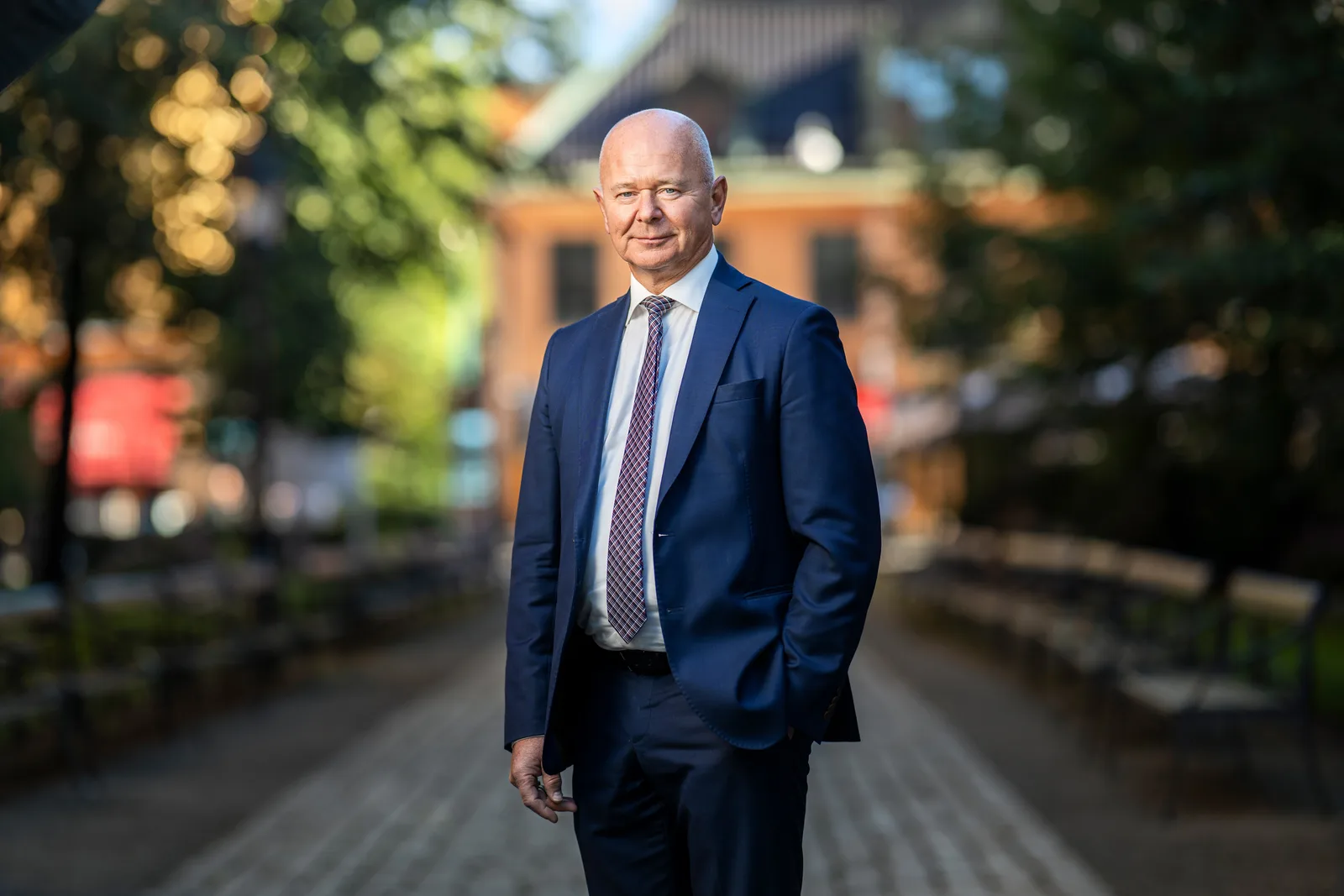
Chief executive Micael Johansson described a quarter of high organic growth, significantly higher cash flow and strong orders, pointing to the Gripen, GlobalEye and German frigate contracts as signs of growing customer demand. He said Saab would keep investing in future capabilities and expanding capacity, and that its backlog and programme progress left it well placed for continued growth.
What stands out
- Orders more than tripled, led by Gripen E for Ukraine, GlobalEye and German frigate systems
- Sales and EBIT both beat FactSet consensus
- EBIT margin rose to 9.5%, so growth is lifting profitability
- Operational cash flow of SEK 6.8bn compares with almost nothing a year earlier
- The backlog stands at about SEK 364bn
What to Watch Next
The challenge now is execution. A backlog of this size depends on supply chains, staffing and new capacity coming on stream on time, and large aircraft programmes such as Gripen and GlobalEye run for years. Margins on long contracts can move as costs change.
There is also a timing gap. A large share of the new orders will be delivered from 2029, so revenue growth in the coming quarters will rely on contracts already in production.
For investors comparing European defence groups, the quarter offers a clear test case. Higher government budgets only help shareholders once they become signed contracts, deliveries and cash. On all three measures, Saab's third quarter showed progress: orders were signed, sales grew faster and the cash arrived.