The Stoxx Europe 600 closed at a record 664.01 on Thursday, rising 0.14 percent on a day when the abrupt exit of Nvidia's chief executive shook technology stocks from Taipei to New York. Europe's light exposure to mega-cap tech, and its weight in energy, health care and industrials, did the work.
The record came despite clear damage in the parts of the market most tied to artificial intelligence. European semiconductor and enterprise software stocks fell in sympathy with Nvidia, whose co-founder Jensen Huang resigned as chief executive with immediate effect. Taiwan's Taiex, home to much of the AI hardware supply chain, dropped 2.63 percent.
Thursday 12 November, closing levels
- 664.01 Stoxx Europe 600, a record close
- +0.41% Germany's DAX, at 26,771.88
- -2.63% Taiwan's Taiex, the biggest fall among major Asian indices
Defensive Sectors Carried the Index
The sector split showed why the regional index held up. Oil and gas, health care and telecoms led, while technology, basic resources and carmakers lagged. Banks slipped.
| Stoxx 600 sector | Change on 12 November |
|---|---|
| Oil and gas | +0.59% |
| Health care | +0.58% |
| Telecoms | +0.42% |
| Personal and household goods | +0.38% |
| Banks | -0.42% |
| Technology | -0.45% |
| Basic resources | -1.32% |
| Autos and parts | -1.43% |
The fall in basic resources tracked a sharp drop in precious metals, with gold futures down about 3 percent and silver nearly 4 percent by late afternoon in Europe. Energy stocks drew support from firmer crude prices.
National indices told the same story. Germany's DAX gained 0.41 percent and France's CAC 40 rose 0.34 percent to 8,361.36. London's FTSE 100 added 0.25 percent to 10,863.09 and Switzerland's SMI, heavy in health care and consumer staples, rose 0.63 percent. The DAX had already jumped 1.1 percent on Wednesday, when US AI shares staged a strong rebound.
Nvidia: share price, chart and news

Earnings Gave the Market Its Own Momentum
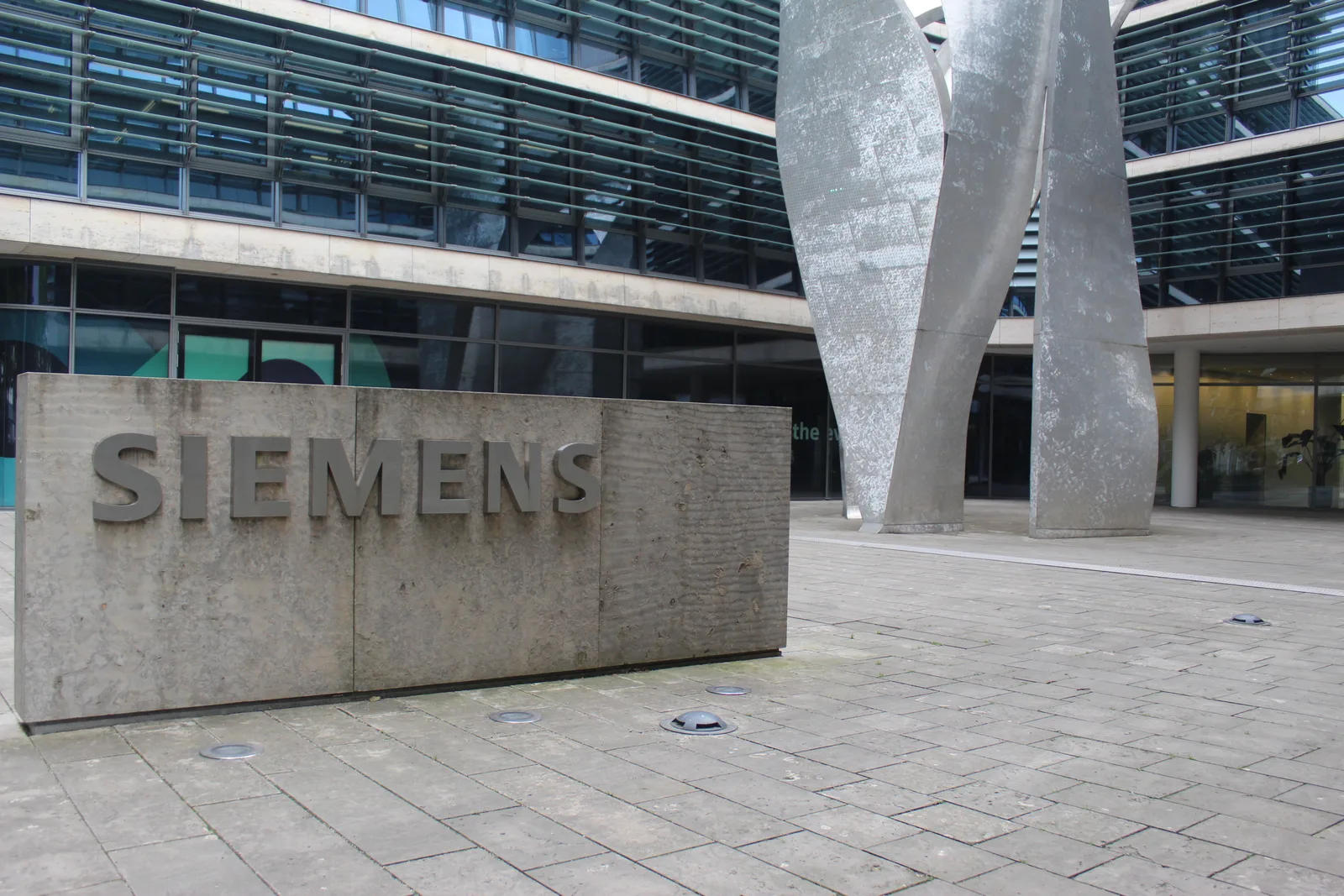
Company results supplied much of the lift. Siemens rose about 4 percent after better-than-expected quarterly results and higher medium-term growth targets, helped by record rail orders and demand for equipment that powers AI data centres. Burberry jumped about 9 percent after adjusted operating profit for the first half more than tripled to £62 million.
There was also a lift from British data. The UK economy grew 0.7 percent in the third quarter, faster than the 0.5 percent recorded in the second, according to figures released on Thursday morning.
The gains came against a difficult rates backdrop. A hotter-than-expected US inflation reading earlier in the week, together with hawkish comments from central bankers, led markets to fully price a quarter-point rate rise from the Federal Reserve in December. Higher global bond yields weigh on equity valuations, and that pressure kept the European advance modest.
What the Day Says About Diversification
For investors who hold European equities, Thursday was a live test of a long-standing structural difference between the two sides of the Atlantic. The largest US indices are dominated by a handful of technology giants, and Nvidia alone has become one of the biggest single weights in global benchmarks. Europe's main index has far less in mega-cap tech and much more in banks, energy, health care, insurers, consumer goods and industrials.
That makes Europe's market behave more like a value portfolio. When the AI trade rallies hard, European indices tend to lag. When it suffers a shock, as it did when Nvidia shares were indicated about 12 percent lower before the New York open on Thursday, the regional index can absorb the hit through sectors that have little to do with AI.
The protection is not complete. European chip equipment makers, software groups and the industrial firms selling power and cooling kit into data centres are tied to the same spending cycle, and Siemens' gains on Thursday came partly from that demand. An investor holding a broad European ETF still carries some AI exposure, only less of it.
What Comes Next for European Stocks
The next tests arrive quickly. Nvidia reports quarterly results on Tuesday 17 November under an interim chief executive, and the Fed's December meeting now looks set to deliver a rate increase. Rising US yields remain the main threat to equity valuations on both continents.
For now, the Stoxx 600 record shows that a shock at the heart of the AI trade does not automatically drag down European shares. Sector mix, rather than geography alone, decided who held up on Thursday.