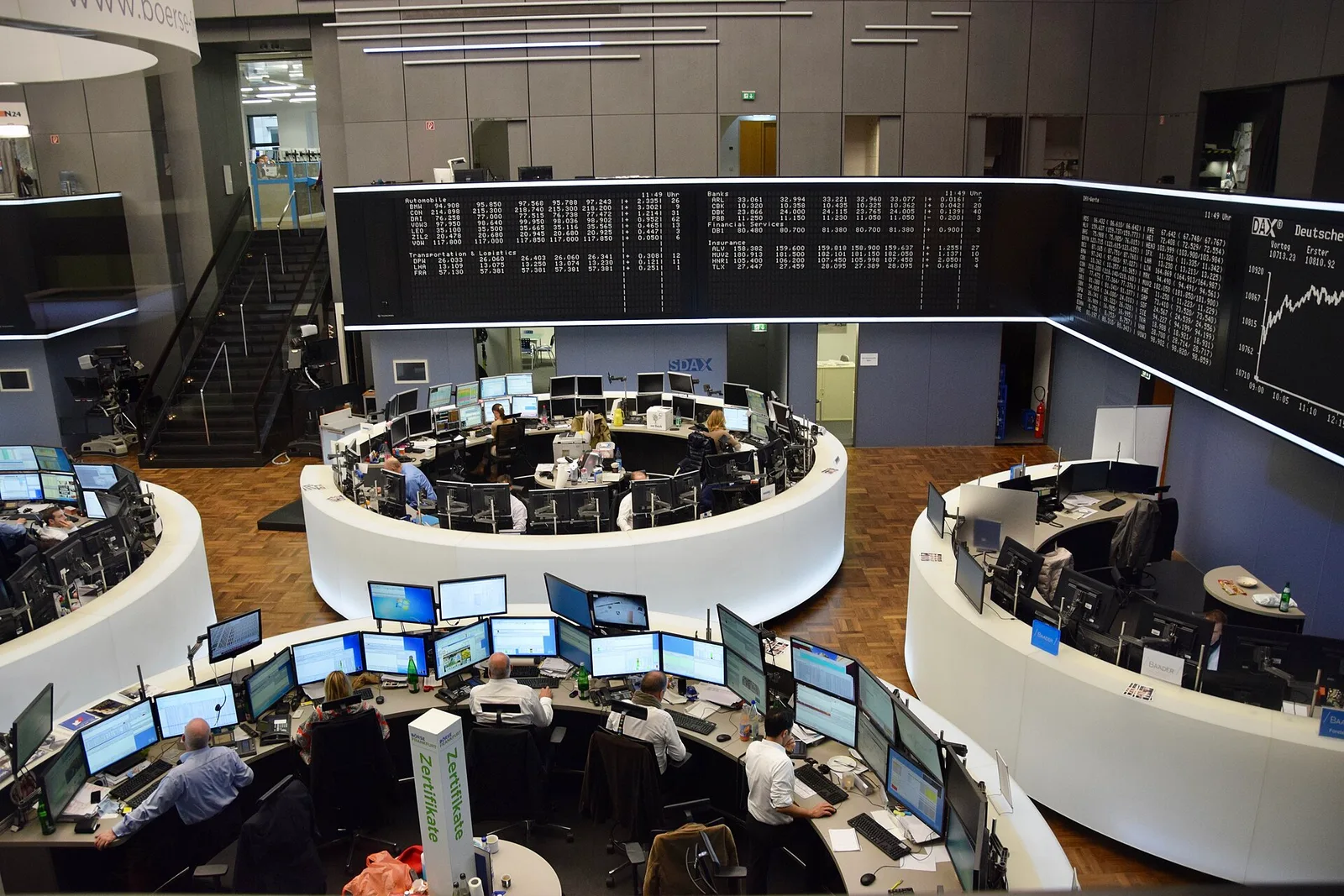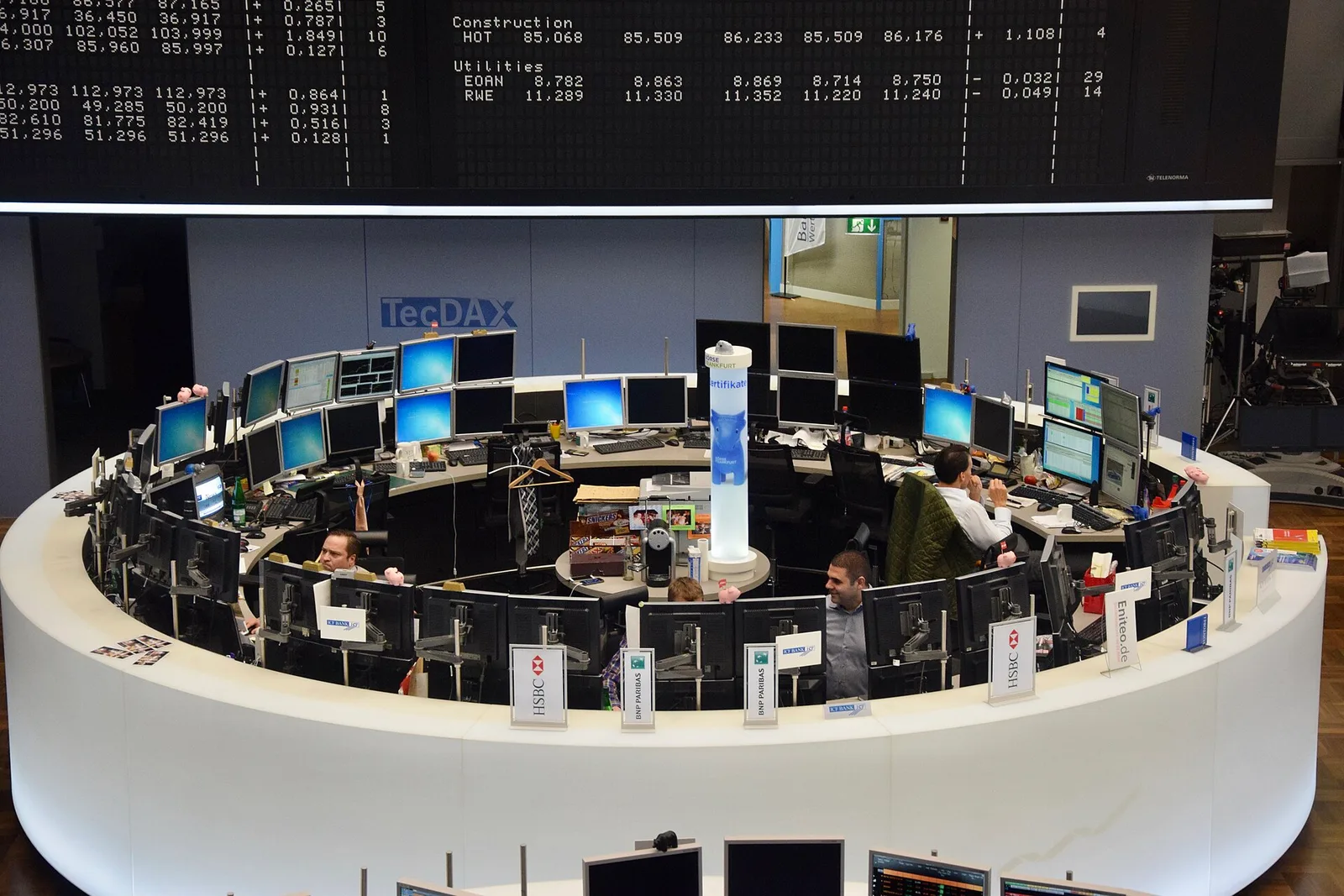
European shares posted their heaviest weekly losses since April, as oil prices near $110 a barrel revived fears of inflation and the European Central Bank raised interest rates again. A Friday rebound led by aerospace, chipmakers and banks trimmed the damage but did not reverse it.
A week that ended near July lows
The pan-European STOXX 600 was down 2.2 percent on the week by Friday and the Euro STOXX 50 1.9 percent, on course for their biggest weekly falls since April, according to Trading Economics data. Both indexes had slid to their lowest levels since July earlier in the week before buyers returned.
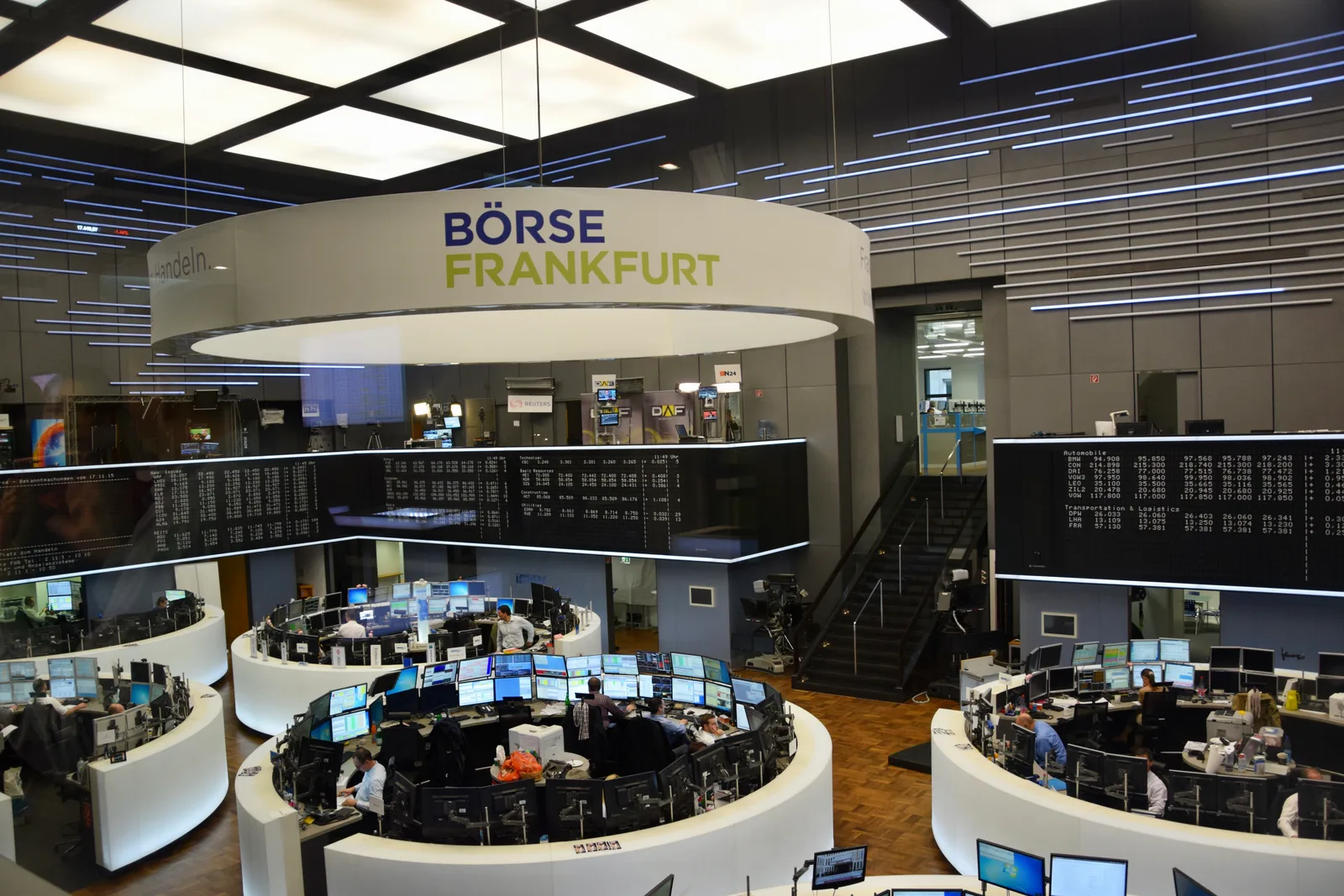
The national benchmarks told the same story. Frankfurt's DAX closed about 0.8 percent higher on Friday at roughly 25,560 points, ending a two-day slide, but still lost 1.9 percent over the week. Paris and Milan also finished the day firmly in positive territory.
| Index | Friday close | Change on the day |
|---|---|---|
| DAX (Frankfurt) | about 25,560 | +0.8% |
| CAC 40 (Paris) | 8,178 | +0.75% |
| FTSE MIB (Milan) | 52,512 | +1.4% |
| FTSE 100 (London) | 10,645 | +0.34% |
Oil and the ECB set the tone
The week's selling had two sources. Brent crude rose about 9 percent, briefly topping $108 a barrel on Thursday and touching $109.97 early on Friday, a four-month high. Higher energy costs feed straight into inflation and put pressure on central banks to keep policy tight.
On Thursday the ECB delivered the expected quarter-point increase, lifting its deposit rate to 2.50 percent from 16 September, its second hike this year after June. Markets now price three further increases by March 2027, according to Trading Economics.
The International Energy Agency added to the gloom on Friday. Its monthly report forecast that global oil demand will shrink by 2.5 million barrels a day this year, the steepest annual fall since the pandemic, as more than 10 million barrels a day of Gulf output remains shut in.
US data did not help. Consumer prices rose 0.4 percent in August and 3.4 percent on the year, and futures now put the chance of a Federal Reserve rate rise next week at about 90 percent.
What drove Friday's rebound
Oil eased during the day. Brent gave up its early gains and fell almost 3 percent, though it stayed above $104 a barrel, after Iranian state media reported plans for talks with Gulf states in Oman. Top diplomats from the six-member Gulf Cooperation Council are expected to meet their Iranian counterpart on Monday to discuss a possible temporary arrangement for shipping through the Strait of Hormuz.
Aerospace stocks led the recovery. Safran rose about 2.7 percent in Paris and Airbus also gained. In Frankfurt, Infineon climbed 4.6 percent, and Siemens and Deutsche Telekom were also among the strongest performers. Stellantis and STMicroelectronics each gained more than 2 percent in Paris.
Banks were also firm. Banco Santander and BBVA each rose at least 1 percent during the session. Commerzbank gained 1.5 percent after the German government set conditions for UniCredit's proposed takeover, and in Milan UniCredit rose 1.6 percent before a planned meeting between its chief executive and Germany's finance minister on Monday.
London lagged. The FTSE 100 rose just 0.34 percent, held back by London Stock Exchange Group, which fell about 2.7 percent, while Informa and NatWest led the gainers. In Milan, utilities recovered as European gas prices fell, and Italy's government approved measures to raise domestic oil and gas output and cut its reliance on imported fuel.
Friday's notable movers
- Gainers: Infineon, Safran, Siemens, Deutsche Telekom, Stellantis, Avio, Prysmian
- Fallers: BASF and Rheinmetall, each down more than 2.5 percent in Frankfurt
- SAP slipped about 1.6 percent in early trading
- In Milan, Avio rose 3.9 percent on higher first-half profit and Prysmian 3 percent after a capital increase tied to its Atkore deal
What investors are watching next
The Fed's decision on Wednesday, 16 September, is the next big event. A hike is largely priced in, so the tone of its projections for later meetings will matter more for global equities.
Beyond rates, the week ahead hinges on the Gulf. Monday's talks in Oman, and any sign of a temporary arrangement for Hormuz shipping, could move oil quickly in either direction. With the ECB expected to keep raising rates into 2027, the sectors that suffer most from higher borrowing costs and dearer energy, such as chemicals, remain exposed while oil stays near current levels.
Sources
- Trading Economics: European Stocks Rise on Friday, Set for Big Weekly Loss
- Trading Economics: DAX Finishes Higher, Still Posts Weekly Loss
- Trading Economics: The CAC 40 Index Closes 0.75% Higher
- Trading Economics: FTSE MIB Closes Sharply Higher
- Trading Economics: The FTSE 100 Index Closes 0.34% Higher
- Trading Economics: Oil Pares Gains
- If You Spent: Week in markets, Sept. 8 to 11, 2026
- European Central Bank: Key ECB interest rates