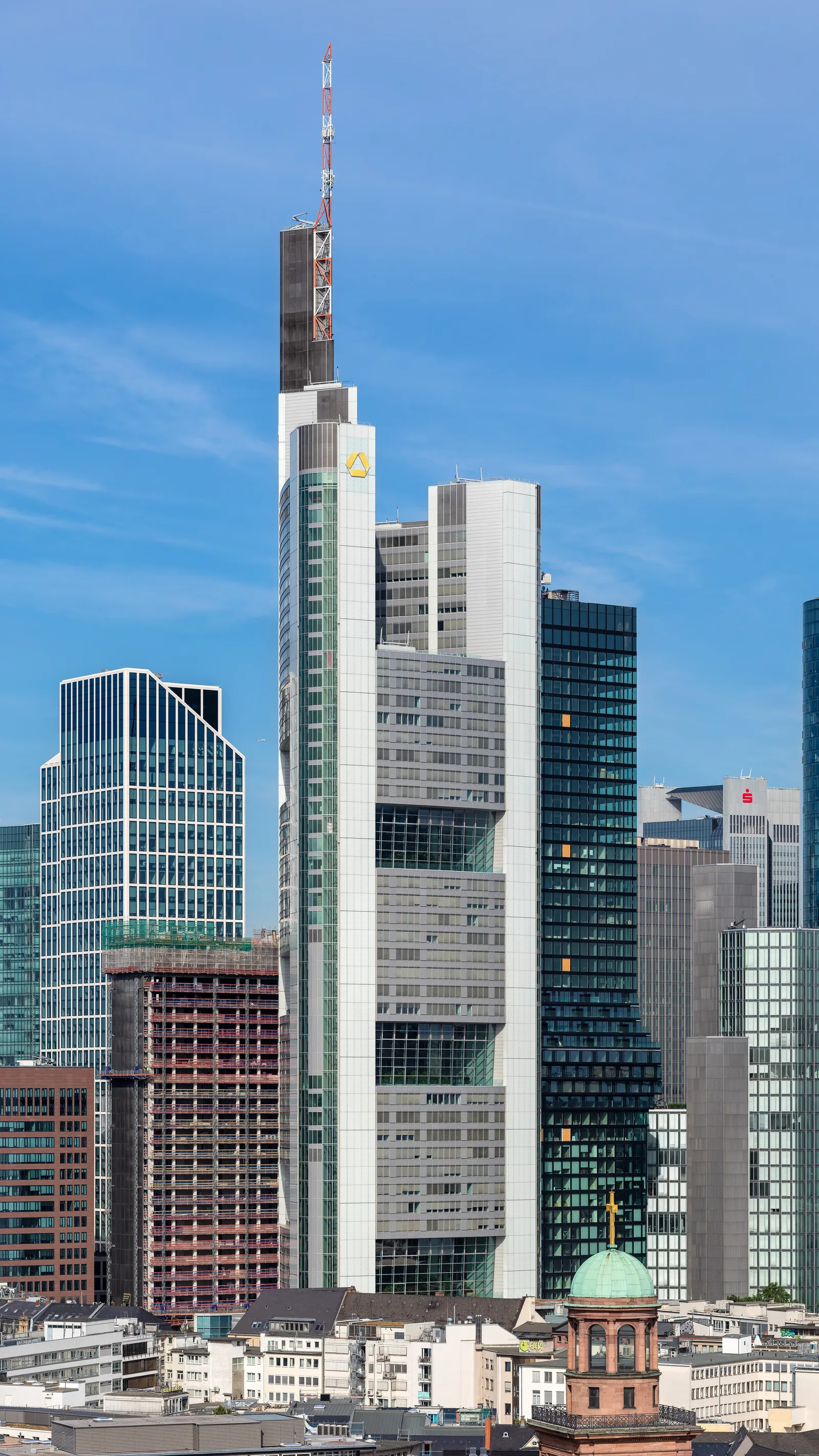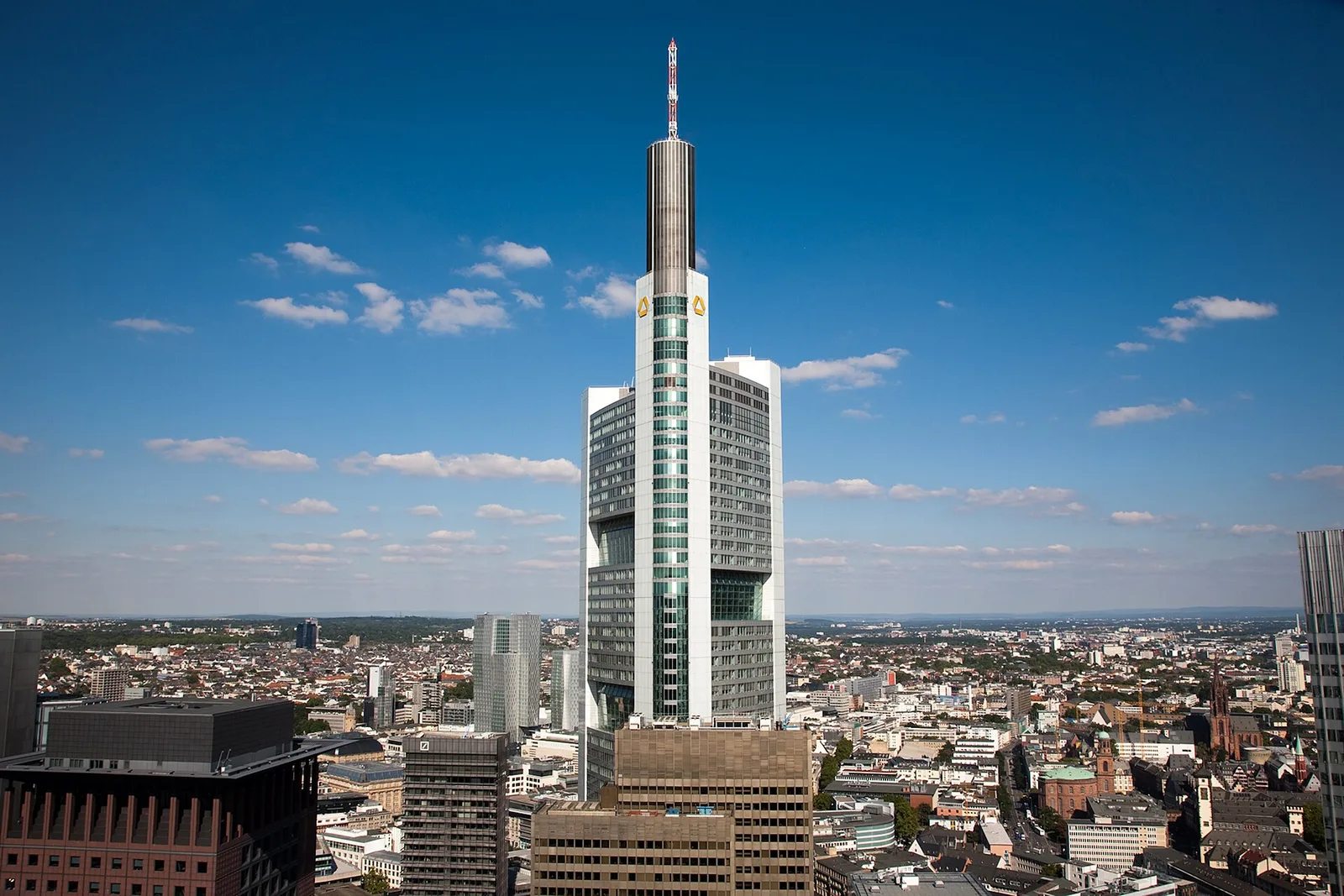
UniCredit has won the German government's backing for its Commerzbank takeover, the biggest step yet in a two-year fight for the Frankfurt lender. In a letter dated Wednesday 18 November, chief executive Andrea Orcel said he was "prepared to commit" to binding principles, including keeping Commerzbank listed in Frankfurt, and Berlin dropped its demand to name two members of the bank's supervisory board, Reuters reported early on Thursday. Finance Minister Lars Klingbeil made no promise to sell the state's 13.3% stake, and the letter does not rule out job cuts.
Berlin's deal with UniCredit in three numbers
- 13.3% Commerzbank stake held by the German government, with no sale promised
- 49% UniCredit's stake from its takeover offer, which could rise sharply once HypoVereinsbank is folded in
- €1.3tn+ assets the combined bank would hold, according to Reuters
Why Germany dropped its opposition to UniCredit
Orcel caught both Commerzbank and the government off guard in 2024 by quietly building a stake, Reuters reported. Both tried to stop him, then gave way as UniCredit's holding closed in on 50%. When Klingbeil and Orcel met in September to discuss what Reuters called a hostile €45bn approach, both described the talks as "constructive", but differences remained.
Those differences have now been settled. "We have reached common ground and UniCredit has made clear commitments to Germany as a business location, to the rights of Commerzbank employees and to a continued constructive dialogue with the works council in the further process," Klingbeil said in a statement to Reuters. The government, he added, "supports a swift process and an orderly transition of control."
The regulators had already moved. Since the September meeting, the European Central Bank, the European Commission and the US Federal Reserve have all given the deal a green light, the last two when Brussels and Washington signed off on Monday.

What UniCredit promised Germany in Orcel's letter
Orcel's letter sets out eight commitments for Commerzbank's future, according to Reuters reporting published by Der Tagesspiegel. The main ones:
| Promise | What it means |
|---|---|
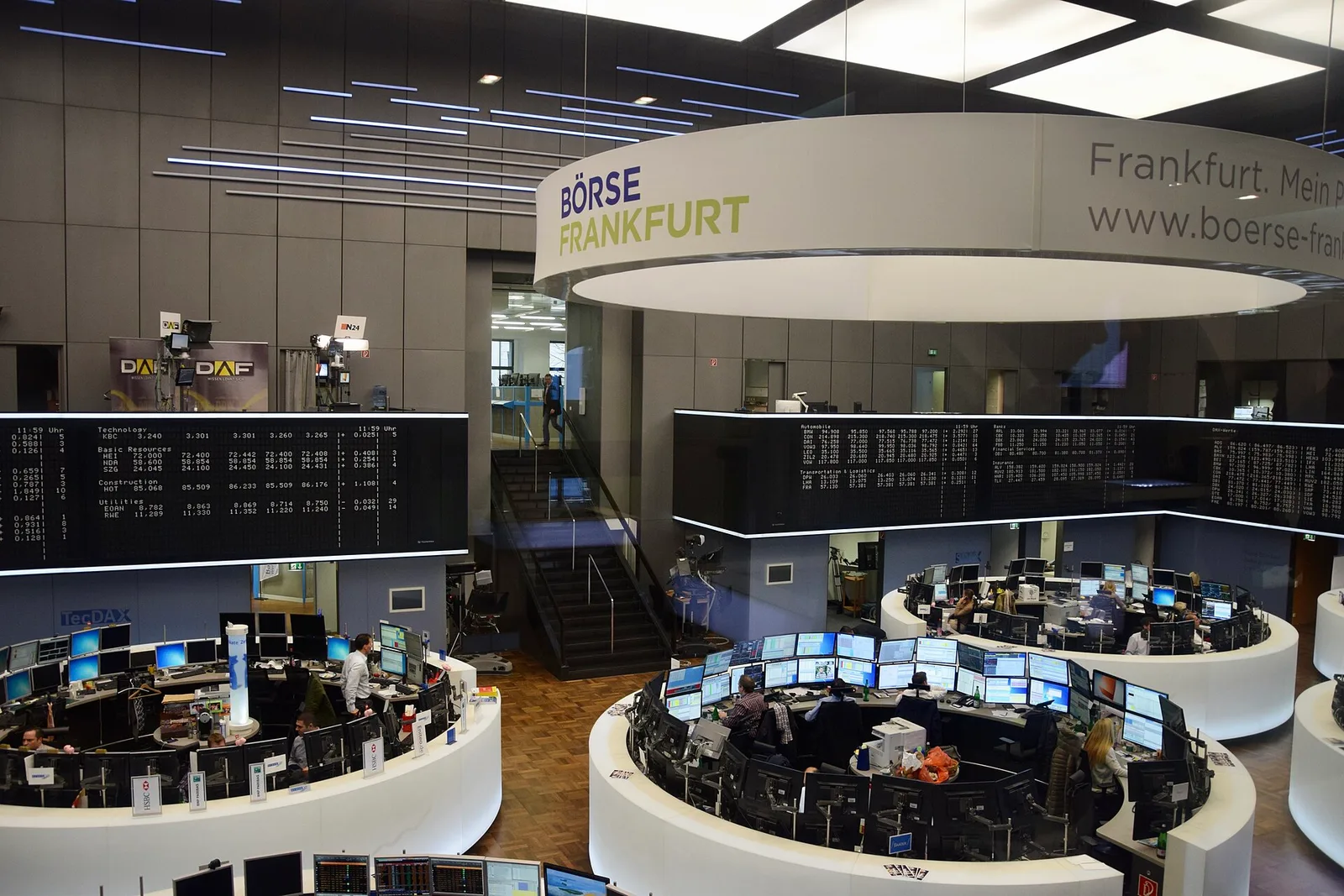
| Frankfurt listing | Commerzbank stays listed on the Frankfurt stock exchange |
| Decisions in Germany | Key decisions are to be taken in Germany |
| Frankfurt as the seat | After a merger with UniCredit's German arm HypoVereinsbank (HVB), targeted for 2028, Frankfurt becomes the seat, while Munich, HVB's home, keeps a significant presence |
| German board members | Commerzbank and HVB to be represented by Germans on UniCredit's board of directors |
| Mittelstand | A commitment to Commerzbank's small and mid-sized business clients and the international services they and exporters use |
| Capital and staff | Adequate capital, investment in education, digital services and AI, and respect for existing staff agreements |
The Mittelstand, Germany's web of mostly family-owned small and mid-sized firms, was one of Berlin's main concerns, and Klingbeil said Commerzbank should expand that business. The pledge sits awkwardly beside Orcel's own plans. He has called Commerzbank's international network unnecessarily large and announced savings worth billions, while chief executive Bettina Orlopp has long defended those foreign links as valuable for Germany's exporters, Der Tagesspiegel reported. What the commitment means in practice was left open.
Berlin gives up board seats but keeps its 13.3% stake
Berlin's concession is on the supervisory board, the body that oversees Commerzbank's management. The government, Commerzbank's second-largest shareholder, has dropped its demand to name two members. Instead UniCredit will propose two independent candidates who know the German market and Commerzbank well, Klingbeil said. Orcel wrote that he had discussed the two names with the government.
What Berlin kept is its stake, a legacy of the bank's rescue during the global financial crisis. Klingbeil did not say whether or when the state would sell its 13.3%. Orcel reads the deal differently: the agreements "set the basis for the disposal of the government's stake", he wrote, and UniCredit would support a sale.
What the deal means for Commerzbank's board, staff and shareholders
The biggest change may come at the top. Orcel has said he will call an extraordinary general meeting (EGM), a shareholder vote outside the annual cycle, in early 2027 to re-elect all ten shareholder representatives on the supervisory board, Der Tagesspiegel reported. A board chosen with UniCredit's votes could then replace the management team led by Orlopp, which fought the takeover for a long time. Commerzbank itself has softened: earlier this month it said it was "convinced" a deal could create value.
Jobs are the second risk. The letter promises to work with the works council and unions and to honour existing staff agreements, but it contains no explicit pledge against compulsory redundancies. Commerzbank's works council has warned of drastic job cuts, and Orcel also wants a smaller workforce.
What the Commerzbank takeover means for UniCredit
For UniCredit's owners, the prize is scale. The combined bank would hold more than €1.3tn in assets across two of the euro zone's largest economies, according to Reuters. Orcel wrote that the government broadly supports "Unlocked", UniCredit's strategy for its own business, which he wants to apply to Commerzbank. The letter went out less than a fortnight after UniCredit's third-quarter results.
UniCredit's 49% stake, built through its takeover offer, could rise sharply at the latest when HVB is merged into Commerzbank, according to the letter as reported by Der Tagesspiegel. Reuters called it one of Europe's most significant cross-border banking deals in years, and it is not the only one in play: Crédit Agricole has proposed folding its Italian arm into Banco BPM.
What happens next for UniCredit and Commerzbank
- Early 2027: an EGM at Commerzbank to re-elect all ten shareholder seats on the supervisory board
- 2027: UniCredit chairman Pier Carlo Padoan steps down, as he has already announced
- 2028: the target date for merging HVB into Commerzbank, with Frankfurt as the seat
- Open: whether and when Berlin sells its 13.3% stake
Has Germany agreed to UniCredit's takeover of Commerzbank?
Yes. Finance Minister Lars Klingbeil told Reuters on Thursday 19 November 2026 that the government supports a swift process and an orderly transition of control, after UniCredit set out written commitments on 18 November.
Will the German government sell its Commerzbank stake?
Not yet. Klingbeil's statement of 19 November 2026 contains no commitment to sell the state's 13.3% stake, although UniCredit's Andrea Orcel wrote that the agreement sets the basis for a sale and that UniCredit would support one.
Sources
- Reuters via AOL: Exclusive-UniCredit and Germany reach broad agreement on Commerzbank takeover
- Reuters via 93.3 The Drive: Exclusive-UniCredit and Germany reach broad agreement on Commerzbank takeover
- Der Tagesspiegel: Einigung nach Gesprächen: Bund stoppt Widerstand gegen UniCredit-Übernahme der Commerzbank
- tagesschau: Commerzbank-Übernahme: Bundesregierung und UniCredit einigen sich