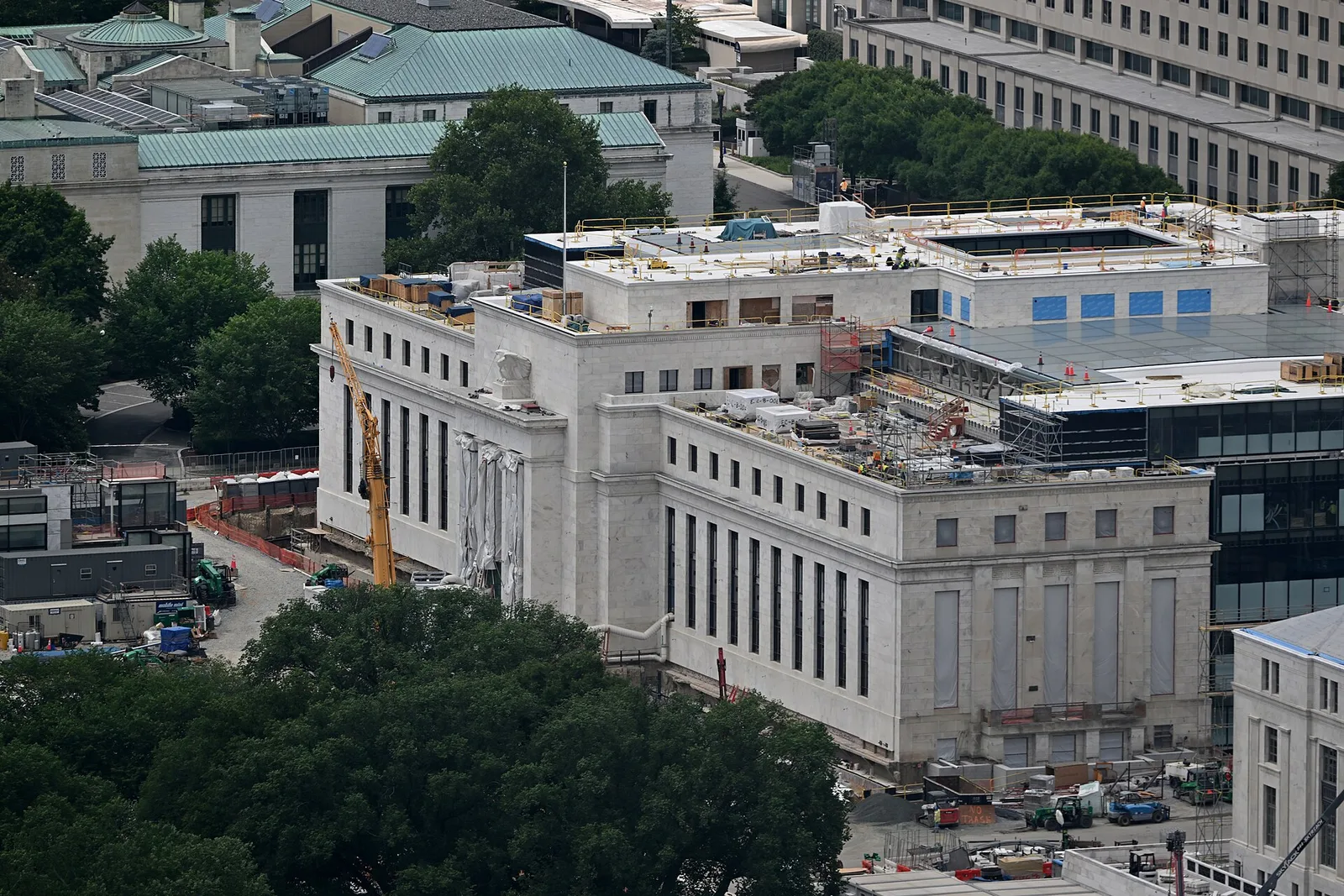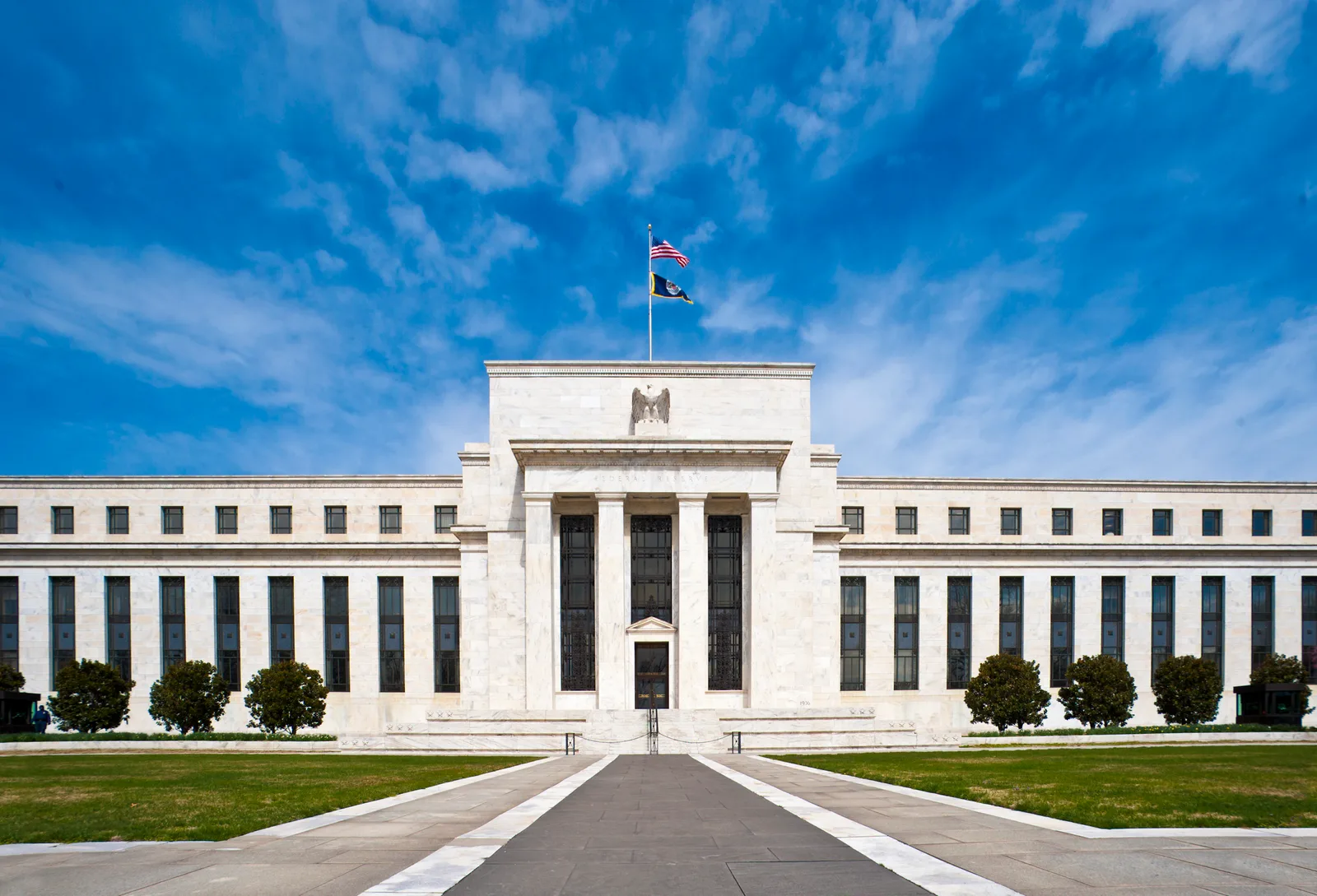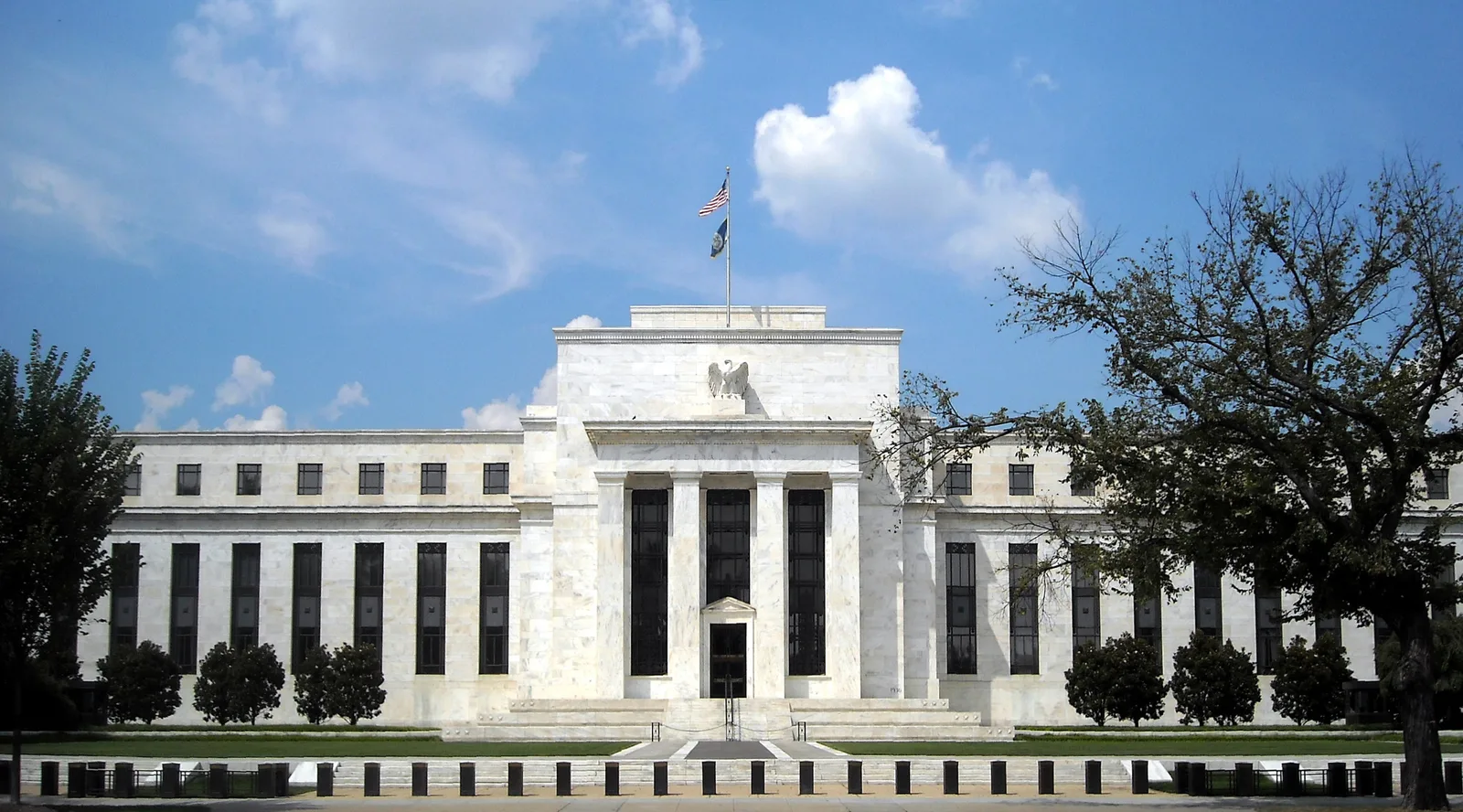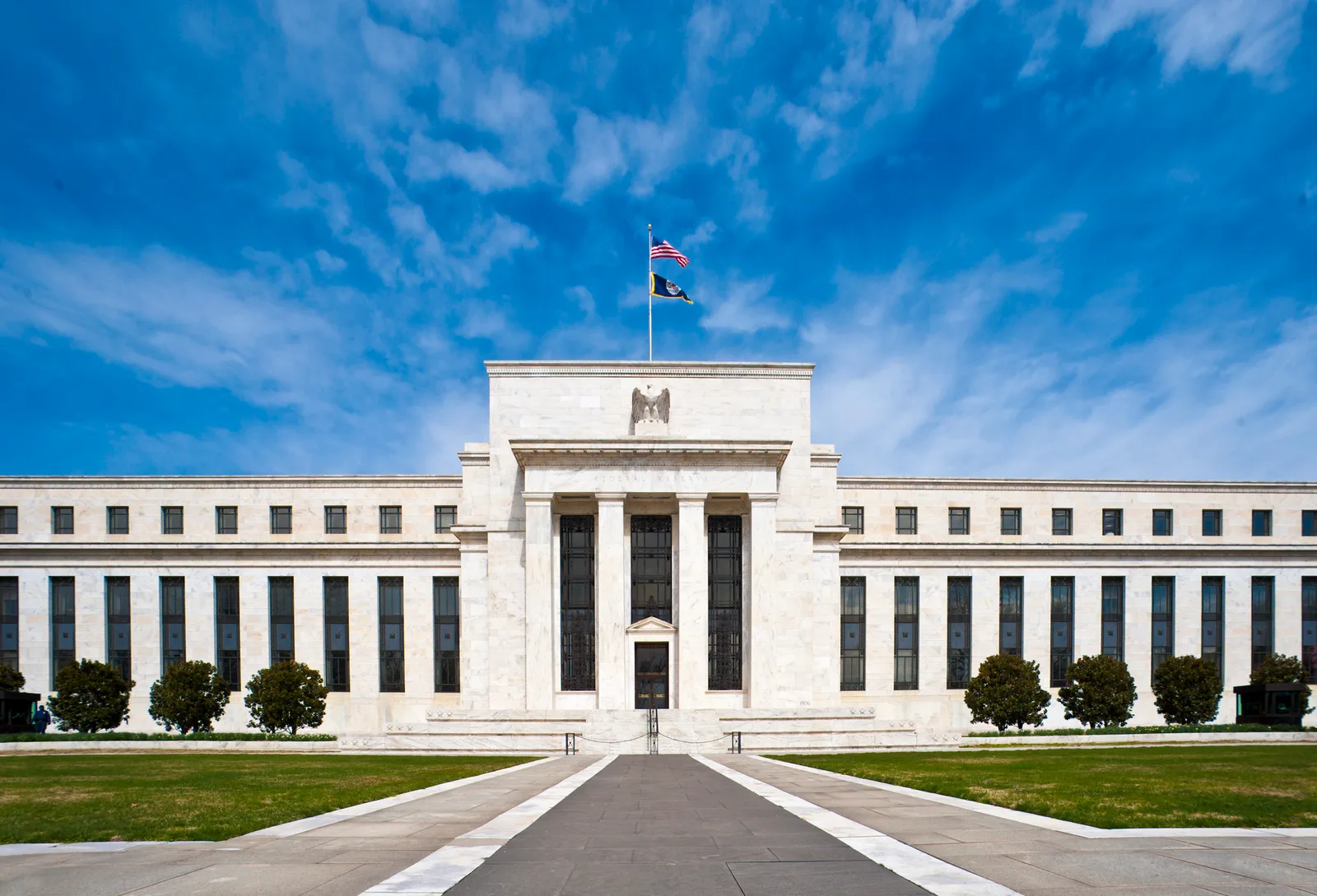
Scott Bessent, the US Treasury Secretary, told CBS's Face the Nation on Sunday 22 November that many people believe the Federal Reserve "may be making a policy mistake if they over-tighten", 17 days before it sets interest rates. Traders are betting it tightens anyway: on Polymarket, a prediction market, a quarter-point Fed rate hike on Wednesday 9 December was priced at about 90% late on Sunday, and Trading Economics puts market pricing at roughly 93%. Bessent also said the stock market sell-off began as the Democrats moved ahead in the polls.
The Fed's December decision, in numbers
- 90.5% Polymarket's price for a quarter-point hike on 9 December, at 02:49 UTC on Monday
- 6.9% The same market's price for no change in rates
- 8.6% The S&P 500's fall last week, to 6,910.39
What Bessent said about the Fed on Face the Nation
Asked by Margaret Brennan to explain last week's rout, the Treasury Secretary named several culprits. The central bank was one.
"We've also seen some very hawkish remarks from the Federal Reserve," Bessent said, using the market's word for officials who favour higher rates. "Many people believe that they may be making a policy mistake if they over-tighten. We've seen a substantial tightening in financial conditions over the past few months."
He did not say the Fed is wrong. He said many people believe it may be. It was his second nudge in three days, after Friday's clash with Governor Lisa Cook, and it describes a different economy from hers. Cook argued in Santiago on Friday that financial conditions are too loose while inflation sits stubbornly above target. Bessent says they have tightened.
The Fed's own minutes lean her way. Nearly all officials at the October meeting expected further rises, and Governor Christopher Waller has floated a half-point rise in December, according to Trading Economics.
What the S&P 500 did before and after Election Day
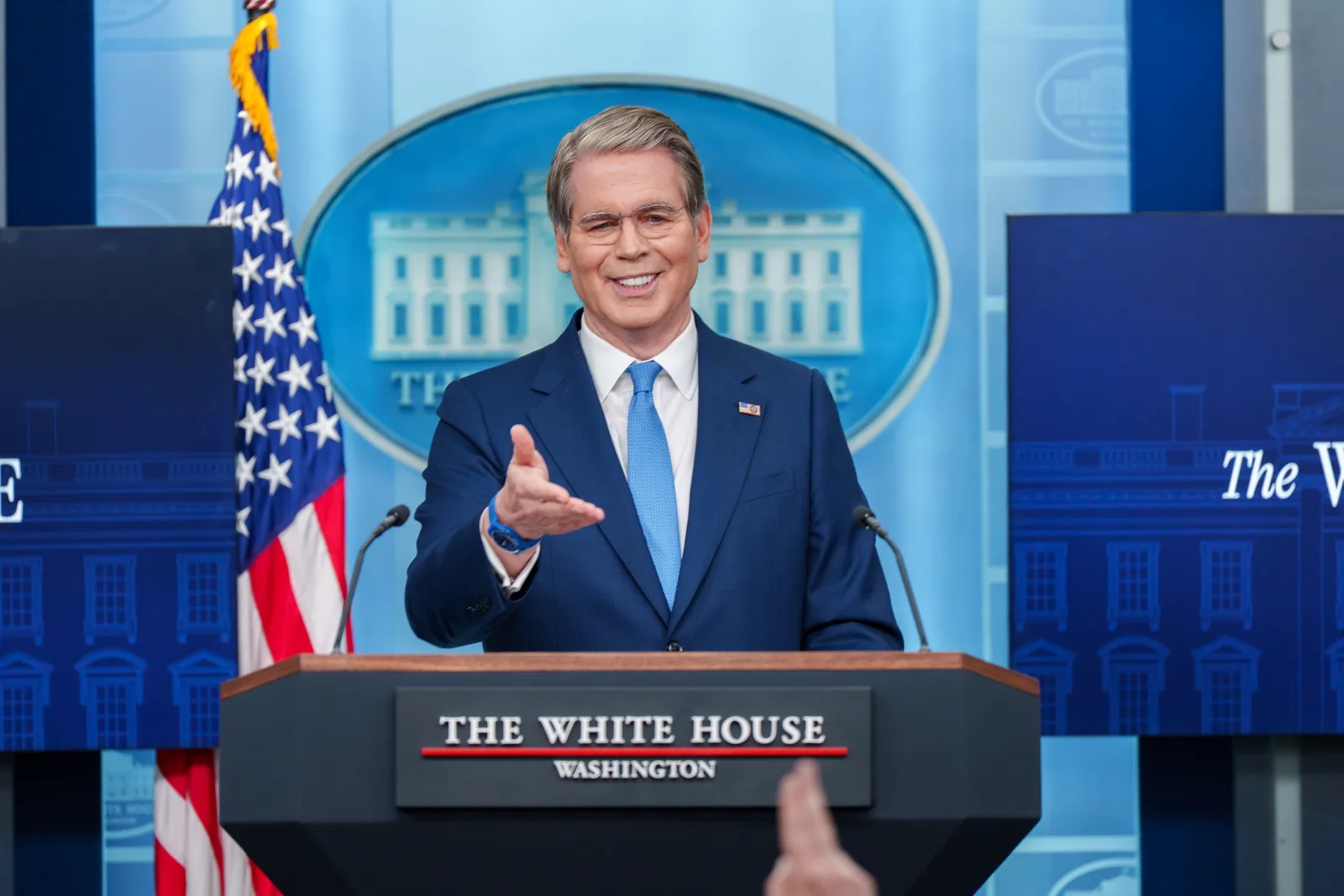
Bessent's first culprit was politics. He said "the market sell-off actually began as the Democrats moved ahead in the polls and then accelerated after Election Day", and that the Democratic position on the technology build-out "has spooked a lot of investors".
The polling half of that claim is hard to test. The price half is not. The S&P 500 set its record close of 7,818.93 on Tuesday 6 October and finished Election Day, Tuesday 3 November, at 7,568.92, some 3.2% lower, exchange data show. The slide did start before the vote.
What came next was a seesaw. The day after the vote, the Dow jumped 1,569 points, or 3%. A day later the S&P 500 lost 4.4%. By Friday 13 November it was back at 7,561.67, just seven points below its Election Day close.
Most of the damage came in the five sessions that followed: 8.6% gone in a week, leaving the index at 6,910.39 on Friday 20 November, down 11.6% from its peak. Trading Economics put the slide down largely to investors unwinding borrowed bets on AI shares, with worry about a hawkish Fed alongside.
What traders are pricing for the Fed's 9 December decision
Whatever the Treasury thinks, the money still points to a hike. The Fed's target range has stood at 3.75% to 4% since September's quarter-point rise. October's decision to hold passed by 10 votes to 2, with Cook and Beth Hammack preferring an increase. Another quarter point would take the range to 4% to 4.25%.
On Polymarket, where each share pays $1 if the event happens, the December decision looked like this at 02:49 UTC on Monday (9.49pm on Sunday in New York), according to its own market data:
| Outcome on 9 December | Polymarket price |
|---|---|
| Quarter-point hike | 90.5% |
| No change | 6.9% |
| Hike of half a point or more | 2.4% |
| A cut of any size | 1.0% |
Each figure is the rounded midpoint between the best bid and offer, so the column need not sum to exactly 100%. More than $50m has been traded on that one question so far.
Trading Economics, in a note dated Monday, put market pricing at roughly 93% for a quarter-point rise, and said traders had dialled back bets on Fed hikes after the equity sell-off. The path beyond December has shrunk too: last week traders erased a whole quarter-point hike from the outlook.
JPMorgan, BofA Global Research and Deutsche Bank all forecast a rise at each of the next three meetings, BMK News reported on Thursday 19 November. Odds are prices, not prophecies. A 90% favourite still loses one time in ten, and a bank's forecast is only its best guess.
Early Monday in Asia was calmer. Gold rose about 2% to around $3,600 an ounce and S&P 500 futures gained 1.9%, according to Trading Economics notes read at about 03:50 CET.
What Wednesday's PCE inflation report could change
One number could still move those odds before Thanksgiving. At 8.30am in Washington on Wednesday 25 November, the Bureau of Economic Analysis publishes October's PCE price index, the inflation gauge the Fed targets at 2%.
Cook has already given her estimate: 3.8% over 12 months, with core prices, which leave out food and energy, up 3.2%. November's figures are not due until 23 December, so Wednesday's is the last PCE reading the committee sees before it votes.
Bessent has no vote on the Federal Open Market Committee. Twelve people do, and late on Sunday the market was betting better than nine to one that they will raise rates anyway.
Will the Fed raise interest rates in December 2026?
Traders think it very likely: Polymarket priced a quarter-point rise at 90.5% at 02:49 UTC on Monday 23 November, and Trading Economics put market pricing at roughly 93%. The decision is due on Wednesday 9 December, after a two-day meeting. Market odds can be wrong.
What did Scott Bessent say about the Fed on Face the Nation?
On Sunday 22 November, Treasury Secretary Scott Bessent said of the Federal Reserve: "Many people believe that they may be making a policy mistake if they over-tighten."
Sources
- CBS News: Transcript: Treasury Secretary Scott Bessent on "Face the Nation with Margaret Brennan," Nov. 22, 2026
- Polymarket: Fed Decision in December?
- Trading Economics: Gold Rises as Fed Rate Hike Bets Ease
- Trading Economics: US Futures Rebound After Tech Selloff
- Trading Economics: Treasury Yields Swing
- Trading Economics: United States Fed Funds Interest Rate
- Bureau of Economic Analysis: Release Schedule