Australia's unemployment rate jumped to 4.9% in October, its highest since October 2021, as the number of people in work fell by 43,500 in a single month, the Australian Bureau of Statistics said on Thursday 19 November. Economists said the surprise all but rules out a sixth Reserve Bank rate rise of the year in December. The Australian dollar fell and wiped out its gain for 2026.
Australia's jobs market in October
- 4.9% unemployment rate, up from 4.7% and the highest since October 2021
- -43,500 people in work, with part-time jobs taking almost all of the fall
- 4.85% RBA cash rate after five rises this year, the highest since 2008
How many jobs Australia lost in October
The number of people in work fell by 43,500, or 0.3%, to 14,738,600 in seasonally adjusted terms. Part-time jobs did nearly all the damage, down 40,600; full-time employment slipped by 2,900. The number of unemployed rose by 17,800 to 753,700.
| Measure (seasonally adjusted) | September | October |
|---|---|---|
| Unemployment rate | 4.7% | 4.9% |
| Employed people | 14,782,200 | 14,738,600 |
| Unemployed people | 735,800 | 753,700 |
| Participation rate | 66.8% | 66.6% |
| Employment-to-population ratio | 63.6% | 63.3% |
Before rounding, the ABS puts the rise at 0.1 percentage points. The participation rate, the share of adults who are working or looking for work, fell to 66.6%. Young people were hit hardest: unemployment among 15 to 24-year-olds rose to 11.3%, against an average of 9.2% since May 2022.
"Employment remained steady in trend terms, meaning there was very little underlying growth in the number of employed people," said Sean Crick, the ABS head of labour statistics. The smoother trend measure of unemployment rose to 4.8%.
Where Australia's job losses landed
- Western Australia, the mining state, saw employment fall 1.1%, the steepest drop of the six states
- South Australia lost 0.5% of its jobs and Queensland 0.3%
- Victoria and Tasmania share the highest jobless rate of the six states, 5.4%
There is a caveat. The ABS adjusted the weight given to about 1,390 respondents in one Victorian survey group this month, and flagged that a new group of South Australian respondents had a higher jobless rate than the rest.
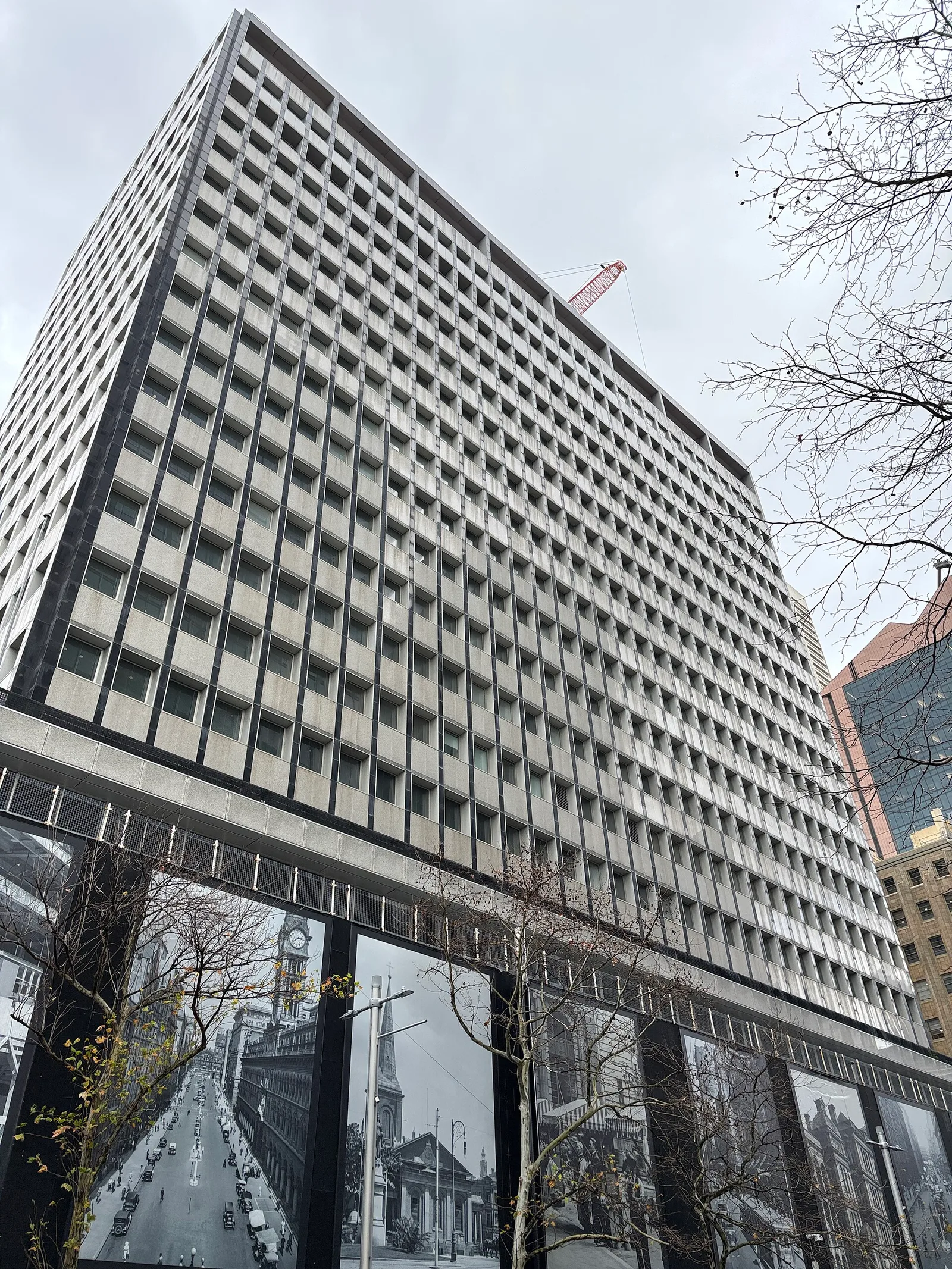
What the jobs report means for Australian mortgage holders
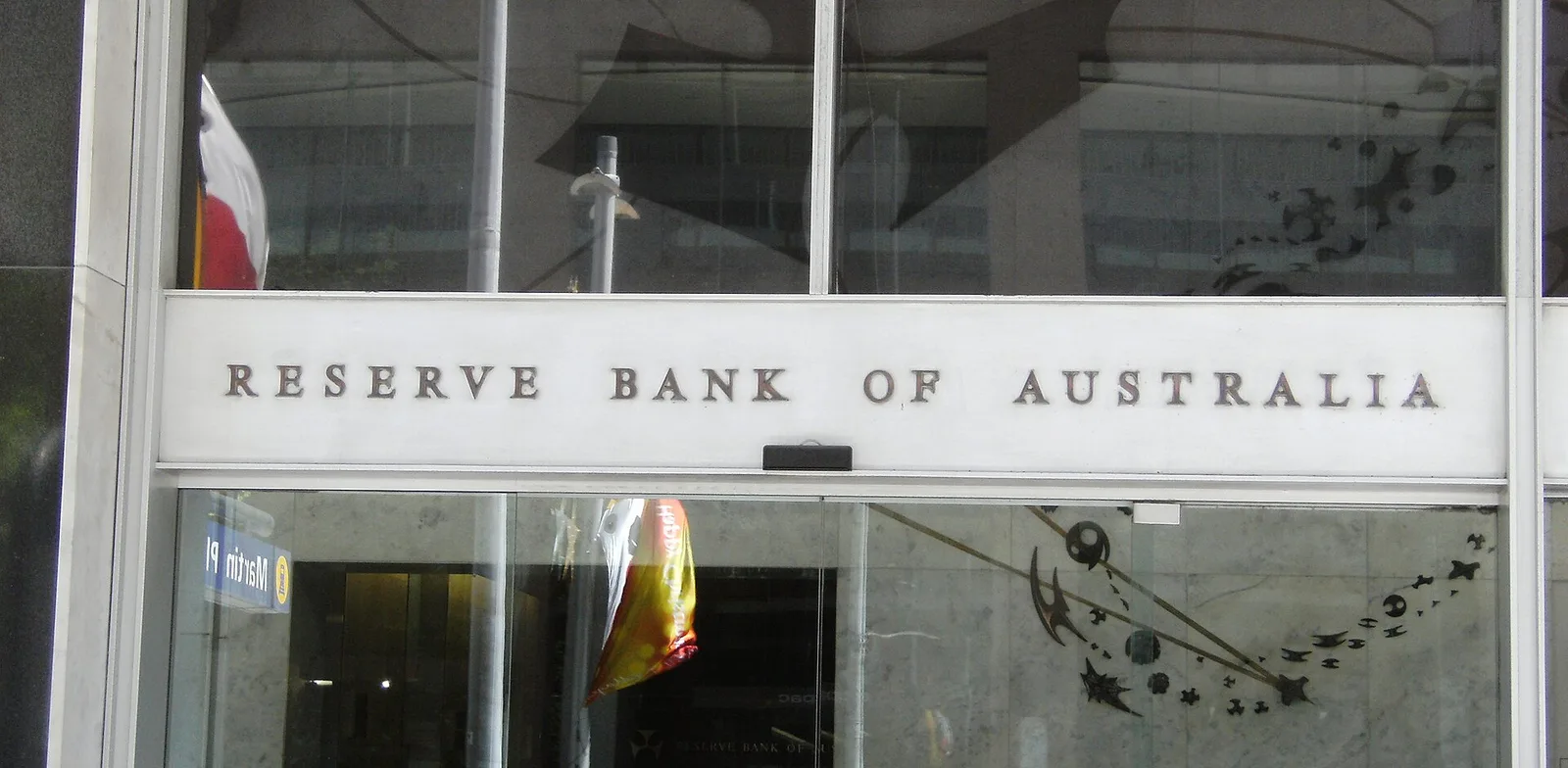
The Reserve Bank of Australia (RBA) has raised its cash rate five times since February, from 3.60% to 4.85%. The latest rise came on Tuesday 3 November, and it was a close call: six board members voted for it and three wanted to hold.
Governor Michele Bullock has said a rise in unemployment will be needed to "take enough heat out of the labour market", ABC News reported. That cooling is now arriving faster than the bank expected.
"Those struggling with their mortgage can at least enjoy a Xmas reprieve," David Bassanese, chief economist at BetaShares, wrote, according to ABC News. He said the report "cements the case for the RBA to remain on hold" at its final meeting of the year, on 7 and 8 December, and that the bank has time to see whether the weakness is real or "just statistical noise". Analysts at Moody's went further, saying the data "all but closes the door on a December hike and shifts the debate to how long rates stay at their peak".
A pause is not a cut. Moody's said elevated underlying inflation and wage growth rule out a turn to easing, and the RBA said on 3 November that it does not expect inflation to reach the top of its 2% to 3% target range until late 2027. For borrowers on variable rates, a December decision to stand still would be the first hold since August.
Why the RBA is now expected to hold rates in December
The RBA's latest forecasts have unemployment rising for the next two years to 5.1% by the end of 2028, ABC News reported. Moody's said the jobs market is already "within sight of that level two years early". The bank itself warned on 3 November that unemployment would rise "by more than expected in the August forecasts".
Australia is now on a different path from the United States, where Federal Reserve officials have argued for more rate rises. See where the Fed, ECB and Bank of England stand before their December meetings. Bond traders moved fast: Australia's 10-year government bond yield fell 0.12 percentage points to 4.96%, Bloomberg reported.
Australian dollar wipes out its 2026 gain, and what that means for ASX miners
The Australian dollar erased its gain against the US currency for the year after the data, Bloomberg reported, as traders bet the RBA has finished raising rates and will cut next year. A weaker currency also makes anything priced in dollars dearer, the squeeze European households felt when the euro fell below $1.10.
The S&P/ASX 200 index was down 0.9% in early afternoon trade in Sydney. Miners came into the day bruised by Wednesday's slide in gold, silver and copper, with gold near $3,726 an ounce on Thursday after falling more than 3% the day before.
A weaker Aussie softens that blow. Iron ore, gold, copper and uranium are priced in US dollars, so each dollar of sales is worth more in Australian dollars, while wages and diesel are paid locally. That can widen margins for ASX-listed producers even when metal prices are flat. Mining shares also tend to exaggerate moves in the metal itself, which is why miners' shares swing harder than the commodities they dig up.
What is Australia's unemployment rate now?
Australia's unemployment rate was 4.9% in October 2026, up from 4.7% in September, the ABS said on Thursday 19 November. It is the highest rate since October 2021.
Will the RBA raise interest rates in December 2026?
Economists at Moody's and BetaShares said on 19 November that October's jobs data makes a rise at the RBA's 7 and 8 December meeting very unlikely. The cash rate stands at 4.85% after five rises in 2026.
When is the next Australian jobs report?
The ABS will publish the November labour force figures on Thursday 17 December 2026, nine days after the RBA's final rate decision of the year.
Sources
- Australian Bureau of Statistics: Unemployment rate rises to 4.9%
- Australian Bureau of Statistics: Labour Force, Australia, October 2026
- Reserve Bank of Australia: Statement by the Monetary Policy Board: Monetary Policy Decision
- Reserve Bank of Australia: Cash Rate Target
- Reserve Bank of Australia: Board meeting schedules
- ABC News: Unemployment rate surges to 4.9pc in October, taking analysts by surprise
- Bloomberg via swissinfo.ch: Stocks Lose Momentum After Anthropic, Aussie Drops: Markets Wrap