Donald Trump said on Friday 20 November that US companies building data centres in other countries would face a "tremendous tax", then admitted he had not yet told his own officials. He gave no rate, no legal basis and no start date, but the threat hangs over billions of dollars of foreign projects, among them Google's €13bn build in Finland and Microsoft's A$25bn plan in Australia.
The overseas builds now under a cloud
- €13bn Google's two-year investment in Finnish data centres, clean energy and local partnerships
- A$25bn Microsoft's Australian data centre investment, announced in April, according to ABC News
- 3.7% the S&P 500's fall on Friday, to 6,910.39, as AI stocks sold off
What Trump said about US data centres abroad
Trump was back in Washington after a trip to Asia when he took questions in the White House briefing room, NBC News reported. "We're not going to allow our companies to build data centers outside of our country," he said.
He went further. "We're going to put tremendous penalties on companies that try and do it," he told reporters, according to NBC News. He cast it as a race with China. "We're going to fight very hard for the data centres because we're not going to let China [win], we're leading China," he said, as quoted by ABC News in Australia.
He linked the idea to the way chip manufacturing left the United States, saying it had been "very destructive to our country". Then came the detail that made the remarks stick. "I haven't even said that to my people," Trump said, before adding that he was telling them now, because many of them were in the room.
Alphabet: share price, chart and news
What is still unknown about the data centre tax
Almost everything a finance director would need. Neither NBC News nor ABC News reported a tax rate, a legal basis or a start date. NBC News said it was not clear how a ban would work, and that a White House representative did not immediately respond to a request for comment.
Washington already reaches into foreign data centres in one narrow way: a new rule on renting AI computing power to Chinese firms requires a licence wherever the data centre sits. A tax on where American companies choose to build would be a far bigger step.
Known and unknown after Friday's briefing
- Known: Trump wants AI data centres kept in the United States and says builders abroad will be taxed.
- Known: he had not told his staff before he spoke.
- Not known: the rate, the legal authority or the timing.
- Not known: whether projects already announced would be covered.
Which US companies are building large data centres abroad
| Company | Where | Size of the plan | Announced |
|---|---|---|---|
| Alphabet (Google) | Finland | €13bn over two years | 9 September 2026 |
| Microsoft | Australia | A$25bn | April, according to ABC News |
| Amazon | Australia | A$20bn | June, according to ABC News |
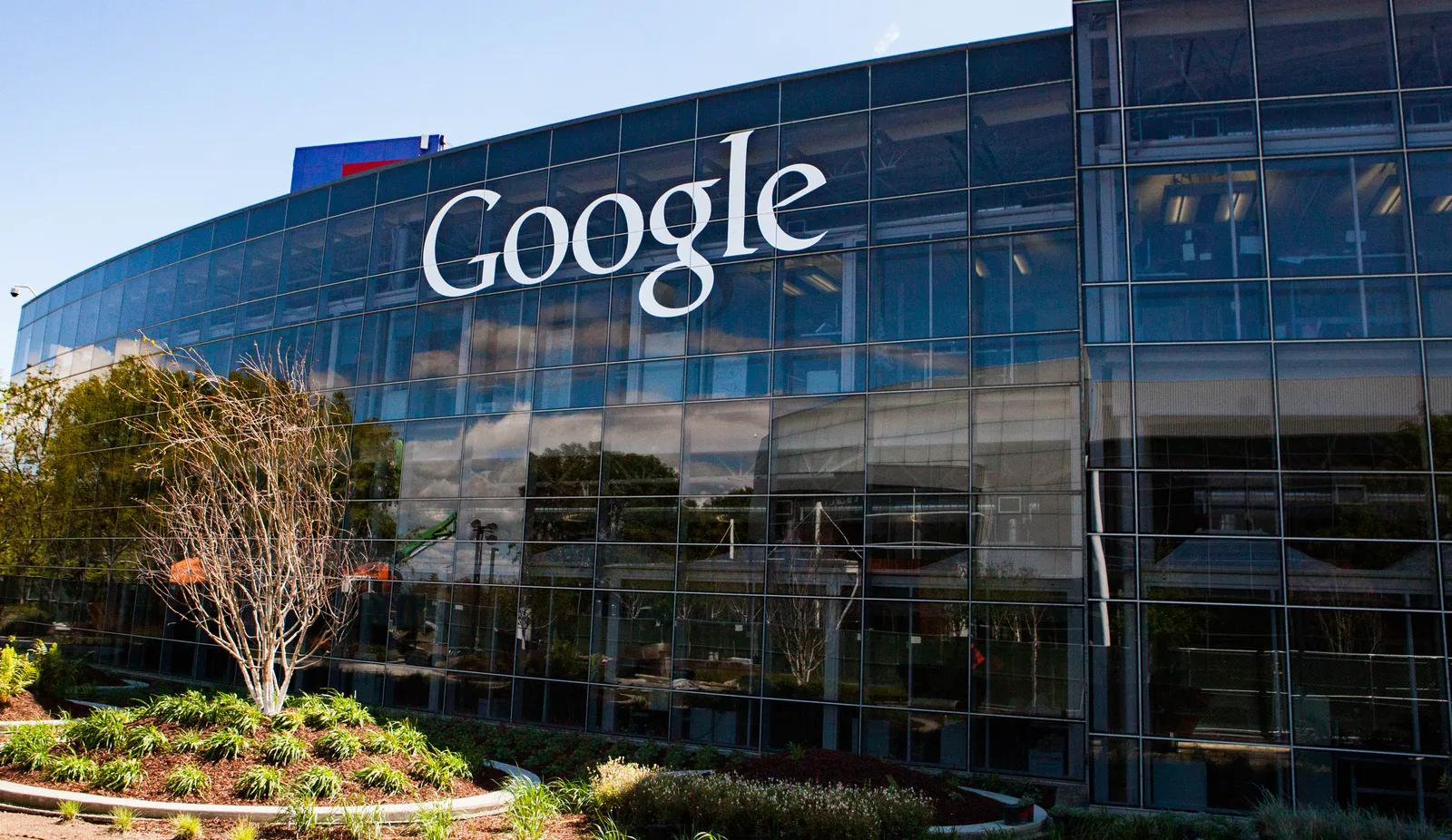
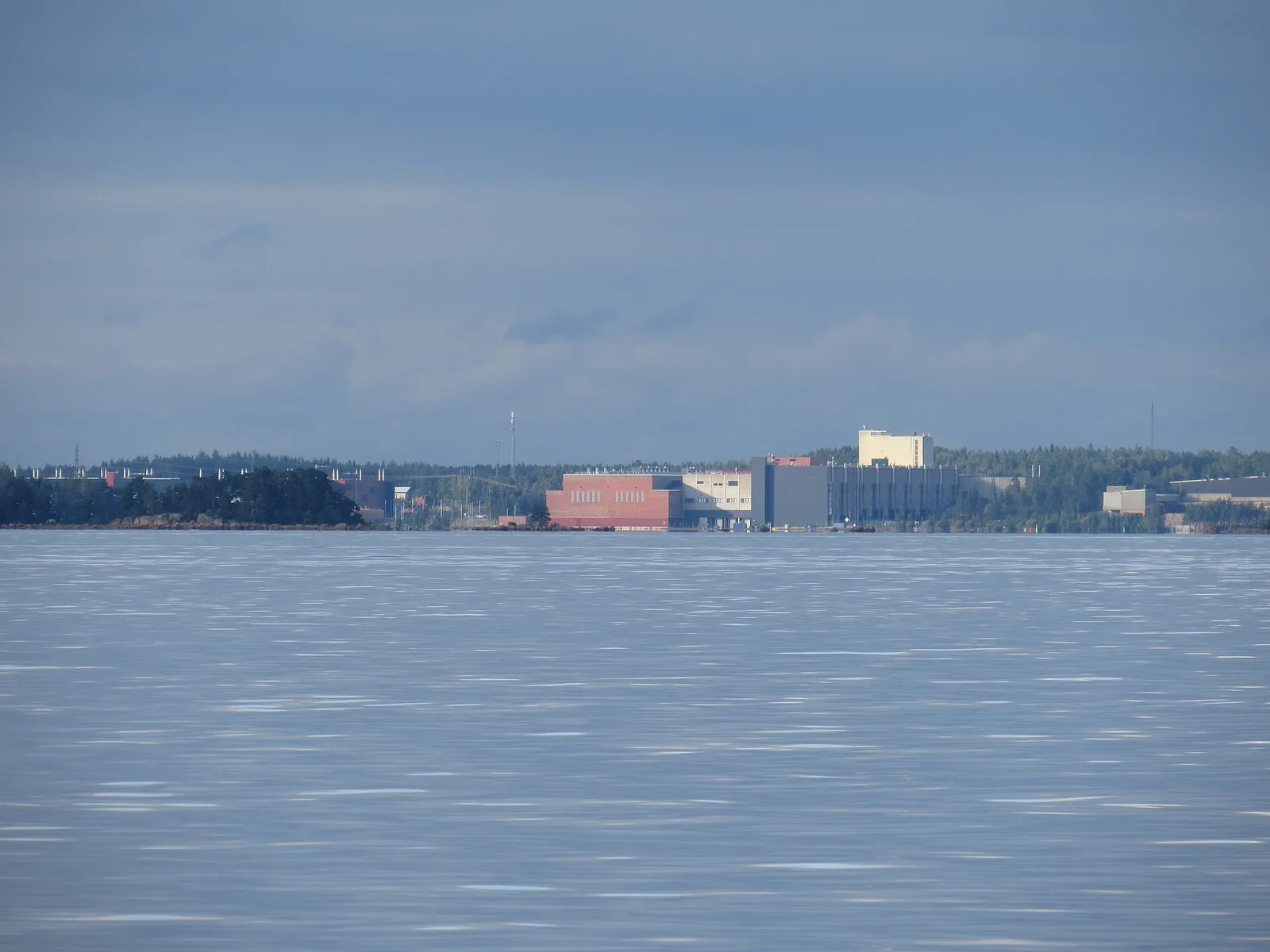
Google's Finnish plan is its largest single investment in Europe. When it announced the €13bn Finnish build in September, Google said the money would go on digital infrastructure, clean energy and economic partnerships. It all began 15 years ago, when Google turned a former paper mill in Hamina, on the Finnish coast, into a data centre cooled with seawater.
ABC News said Microsoft's April commitment was for the data centre infrastructure that runs artificial intelligence, a bill that comes on top of the heavy spending Microsoft laid out in its quarterly results in October.
How Friday's AI sell-off framed the threat
Major tech shares fell sharply on Friday, NBC News noted, though the whole market was already sliding. The S&P 500 fell 3.7% to 6,910.39 and the Nasdaq Composite dropped 5.3% to 22,617.73, Kitco reported, leaving the S&P 500 down 8.6% for the week after its slide into correction territory. NBC News said not even Anthropic's record-setting share sale this week could calm investors' fears about how long AI stocks can keep climbing.
Why data centres became a political fight in the US and Australia
At home, data centres are now an election issue. Republicans lost their majorities in both the House and the Senate in this month's midterms, ABC News noted, and NBC News said voters overwhelmingly backed candidates who promised to curb new sites. Wall Street first cheered the result with a 1,569-point jump in the Dow, but NBC News said the Democrats' wins later dented the AI trade.
YouGov polling cited by ABC News found nearly two-thirds of Americans opposed data centre construction in their community. Trump has not budged. "Make them pay you. Make them pay your community, but take advantage. Don't shut them off," he said on Friday, according to NBC News.
Australia has its own unease. ABC News reported that communities there worry about electricity demand, utility bills and water use, even as the country's location, renewable energy and relative political stability keep drawing US investment.
For now there is nothing to comply with: no order, no bill, no rate. The next signal is whether the White House puts Friday's words in writing, and whether it would touch projects already under way.
What did Trump say about data centres overseas?
On Friday 20 November Donald Trump said US companies building data centres in other countries would face a "tremendous tax" and penalties, and that he had not yet told his staff. He gave no rate or timing.
Is there a US tax on data centres built abroad?
No. As of Saturday 21 November no rate, law or start date had been announced, and the White House had not explained how a ban or tax would work.
Which companies could be hit by Trump's data centre tax?
Companies with big foreign builds are the most exposed: Alphabet's Google has €13bn planned in Finland, and ABC News pointed to Microsoft's A$25bn and Amazon's A$20bn plans in Australia.
Sources
- NBC News: Trump threatens companies that build AI data centers overseas
- ABC News (Australia): Donald Trump vows to tax US companies building data centres overseas
- Google: Google deepens its commitment to Finland with a €13 billion investment in AI infrastructure
- Kitco: Gold falls toward $3,500, silver slides as stock markets enter correction territory