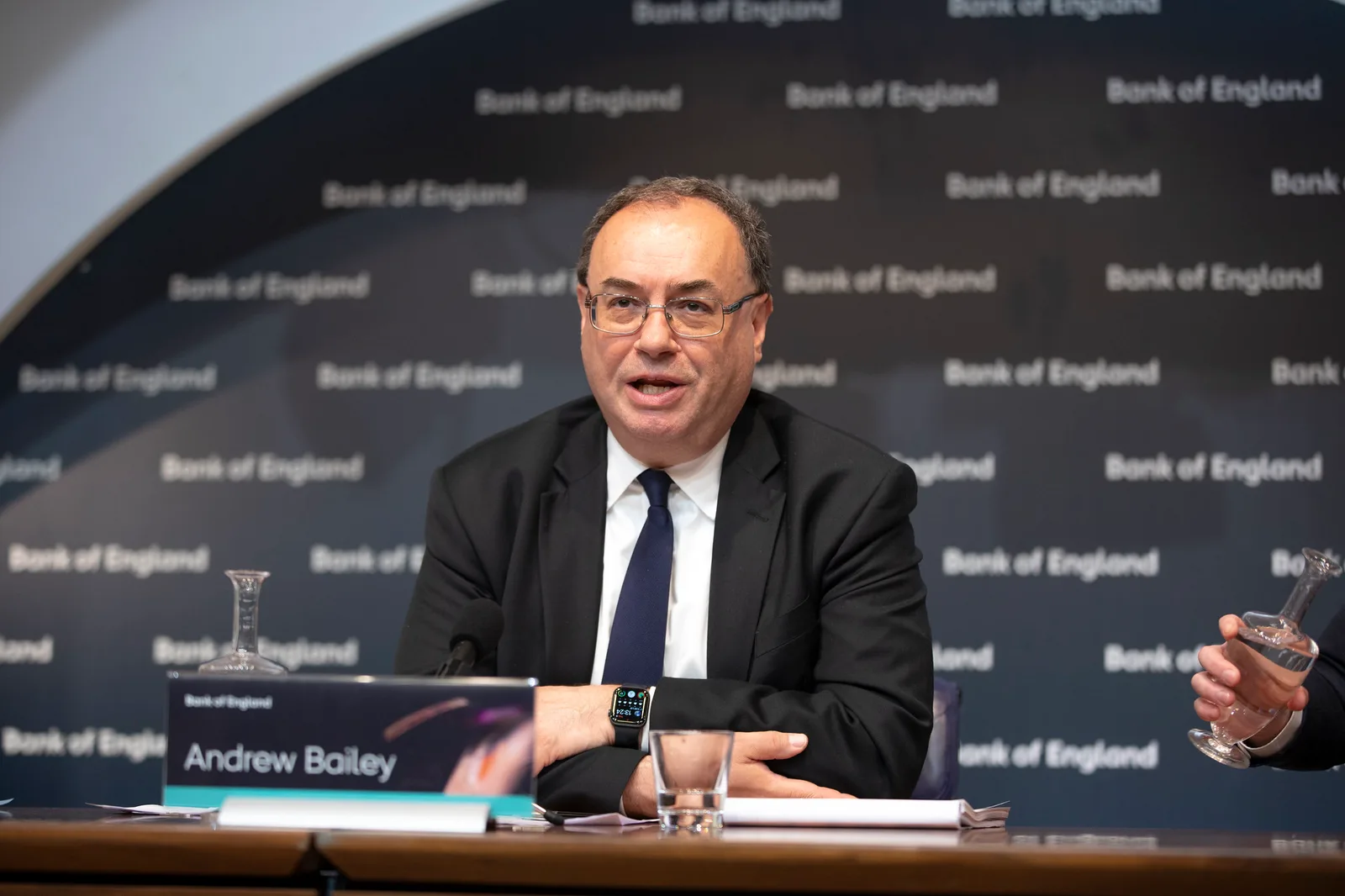
The Bank of England voted unanimously on 17 September to run the gilts it holds for monetary policy down to zero by September 2034. It will keep £120 billion of its longest-dated bonds to back banknotes and sell or let mature the remaining £368 billion.
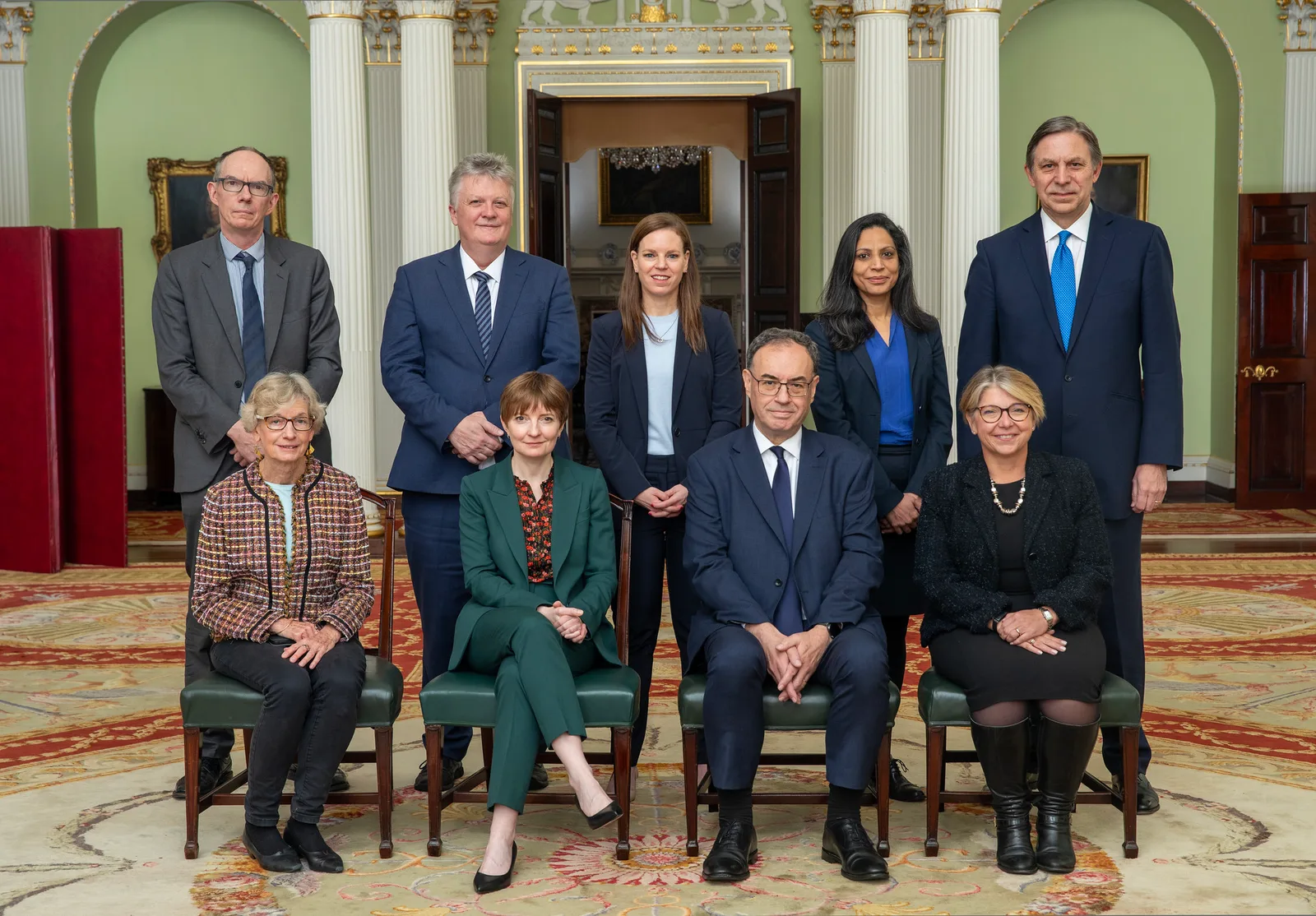
The decision came alongside a 6-3 vote to hold Bank Rate at 3.75 percent. It turns quantitative tightening (QT), until now set one year at a time, into a fixed multi-year programme. For gilt investors, pension schemes and anyone who borrows at rates priced off UK government debt, the plan sets out how much supply the Bank will add to the market each year, and for how long.
How the Bank Came to Own Half a Trillion Pounds of Gilts
Between 2009 and 2021 the Bank bought government bonds through quantitative easing (QE), paying for them with newly created central bank reserves, to push down long-term interest rates when Bank Rate was close to zero. The holdings sit in the Asset Purchase Facility, a Bank subsidiary. At their peak in February 2022 they reached £895 billion.
QT is the reverse process. Since 2022 the Bank has let bonds mature without replacing them and, unusually among major central banks, has also sold gilts back to the market. In the twelve months to September 2026 the stock fell by £70 billion, of which £21 billion came from sales. By 16 September it stood at £488 billion.
Until now the Monetary Policy Committee (MPC) set a reduction target for the following year at each September meeting. The new plan replaces that annual decision with an end point.
Where the £488 Billion Goes
The Bank, in consultation with HM Treasury, will set aside £120 billion of the longest-dated gilts in the portfolio and keep them to back current and future banknote issuance. That leaves £368 billion to unwind.
Of that, about £222 billion will mature passively before September 2034: the government repays the Bank, and the Bank does not reinvest the money. The other £146 billion will be sold, at a pace of £20 billion a year alongside maturities. On average the portfolio shrinks by £46 billion a year.
| Part of the portfolio | Amount | What happens to it |
|---|---|---|
| Banknote backing | £120bn | Kept: the longest-dated gilts |
| Passive maturities | £222bn | Repaid by 2034, not reinvested |
| Active sales | £146bn | Sold at £20bn a year |
| Total, 16 September | £488bn | Policy holdings at zero by 2034 |
The banknote decision answers a question the zero target raised. In 2006 the Bank concluded that gilts were a suitable long-term backing asset for the notes in circulation, because demand for cash is lasting. Running the policy portfolio down to nothing would have removed that backing, so the longest bonds will stay on the balance sheet for that purpose.
Even with those set aside, the remaining gilts run as far out as 2049. Waiting for every one of them to mature would take more than two decades, which is why the committee judged that sales were still needed to finish the job in a timely way.
Why a Fixed Pace, and Why Zero
The MPC gave three main reasons. First, it wants Bank Rate, not the balance sheet, to be the active tool of policy. Second, it said the stock bought under QE was never meant to be permanent, and running it down lowers the risk that the balance sheet ratchets up with each crisis and leaves less room the next time it is needed.
Third, a known, gradual path is easier for markets to price once, at announcement. That in turn makes it easier for the committee to allow for QT when it sets Bank Rate, because the effect on financial conditions is largely absorbed up front.
Most members preferred a fixed pace to a flexible one. The pace would be revisited only if the MPC judged that Bank Rate changes alone could not bring inflation back to 2 percent, or if markets were judged to be very distressed, a call in which the Financial Policy Committee has a role.
The committee also weighed speed. A faster run-down would clear the balance sheet sooner but raise the risk of disrupting the gilt market. A slower one would be safer but take longer. The £20 billion a year of sales was its balance between the two, and it chose to publish the figure rather than keep markets guessing.
What changes for the gilt market
- QT now has an end date, September 2034, instead of a target reset every year
- Active sales of £20 billion a year are close to the £21 billion sold in the past twelve months
- The overall pace slows to an average £46 billion a year, from £70 billion in the latest year
- The Bank's own sale auctions are paused while it settles how to carry out the plan, with details due by April 2027
How the Sales Will Be Carried Out
One part of the plan is still open. The Bank has paused its Asset Purchase Facility sale auctions while it reviews how to deliver the programme. One option under consideration is to sell the gilts to the government through the Debt Management Office, which could then fold them into the annual financing remit set by the Treasury.
That remains subject to a final decision. The Bank said it would review progress before April 2027 and announce the operational details by that date, whichever method it chooses. A separate market notice lists which gilts are earmarked for sale. All MPC members judged that the plan keeps monetary policy independent.
What It Means for Yields, Pensions and Borrowers
The Bank's own estimate suggests QT has been a modest force on yields. UK term premia, the extra return investors demand for holding long-dated bonds rather than rolling over short ones, have risen by about 200 basis points since QT began in February 2022. Bank staff attribute only 20 to 30 basis points of that to QT.
The bigger drivers, the minutes said, were global policy uncertainty, heavy government bond issuance and structural changes that have cut demand for long-term government debt. That last point matters for the long end of the curve, where defined-benefit pension schemes have traditionally been the natural buyers. The Bank noted that parts of its remaining portfolio could become less aligned with market demand as the unwind continues, and keeping the very longest gilts for banknote backing means it will not need to find buyers for that part of the curve.
For borrowers, Bank sales add to the gilts the market must absorb on top of government issuance, which tends to push yields up and, through them, the cost of longer fixed-rate mortgages and corporate borrowing. The MPC acknowledged that effect: it said the tightening from QT would, all else equal, have led to a slightly lower path for Bank Rate. In practice the committee treats QT as part of the overall policy stance and sets the policy rate with it in mind.
There is a fiscal side too. The Asset Purchase Facility is indemnified by HM Treasury, so losses on gilts bought at high prices and sold or redeemed at lower values fall on the public finances. A slower, predictable programme does not remove those losses, but it spreads them over time.
For borrowers and gilt investors alike, the debate over Bank Rate itself now matters more than the balance sheet. Megan Greene, Catherine Mann and Huw Pill voted for a rise to 4 percent at the same meeting, with CPI inflation at 3.1 percent in August and the Bank expecting it to climb to slightly above 4 percent in early 2027.
The committee said it "stands ready to act as necessary" to bring inflation back to target. For gilt investors, the balance-sheet question is now largely settled for eight years. The interest rate question is not.