The Bank of England kept Bank Rate at 3.75 percent on Thursday, but three of the nine members of its Monetary Policy Committee voted to raise it to 4 percent. The Bank now expects inflation to climb to slightly above 4 percent early next year as the energy shock from the Middle East conflict feeds through.
A 6-3 split leaves a rise in play
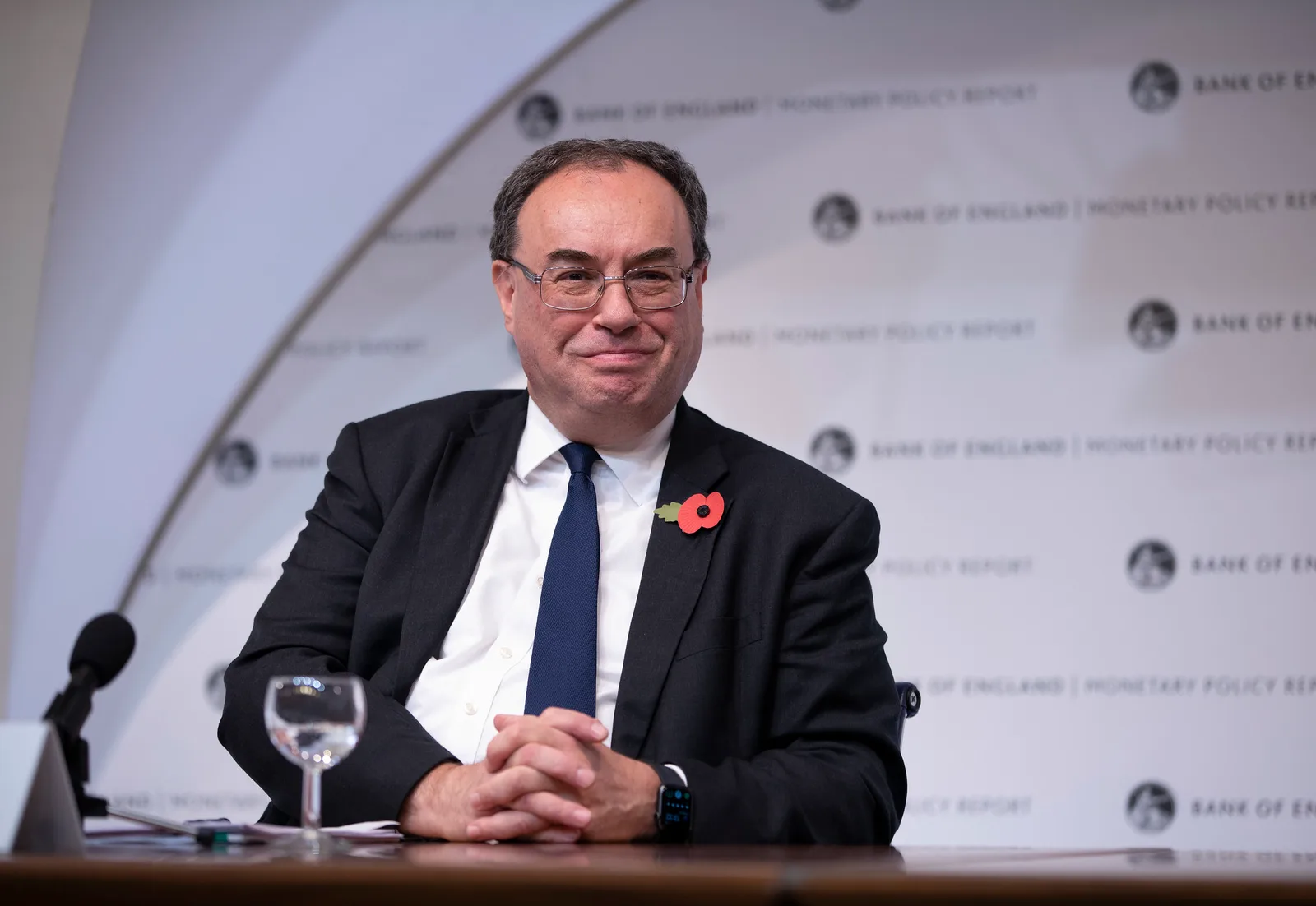
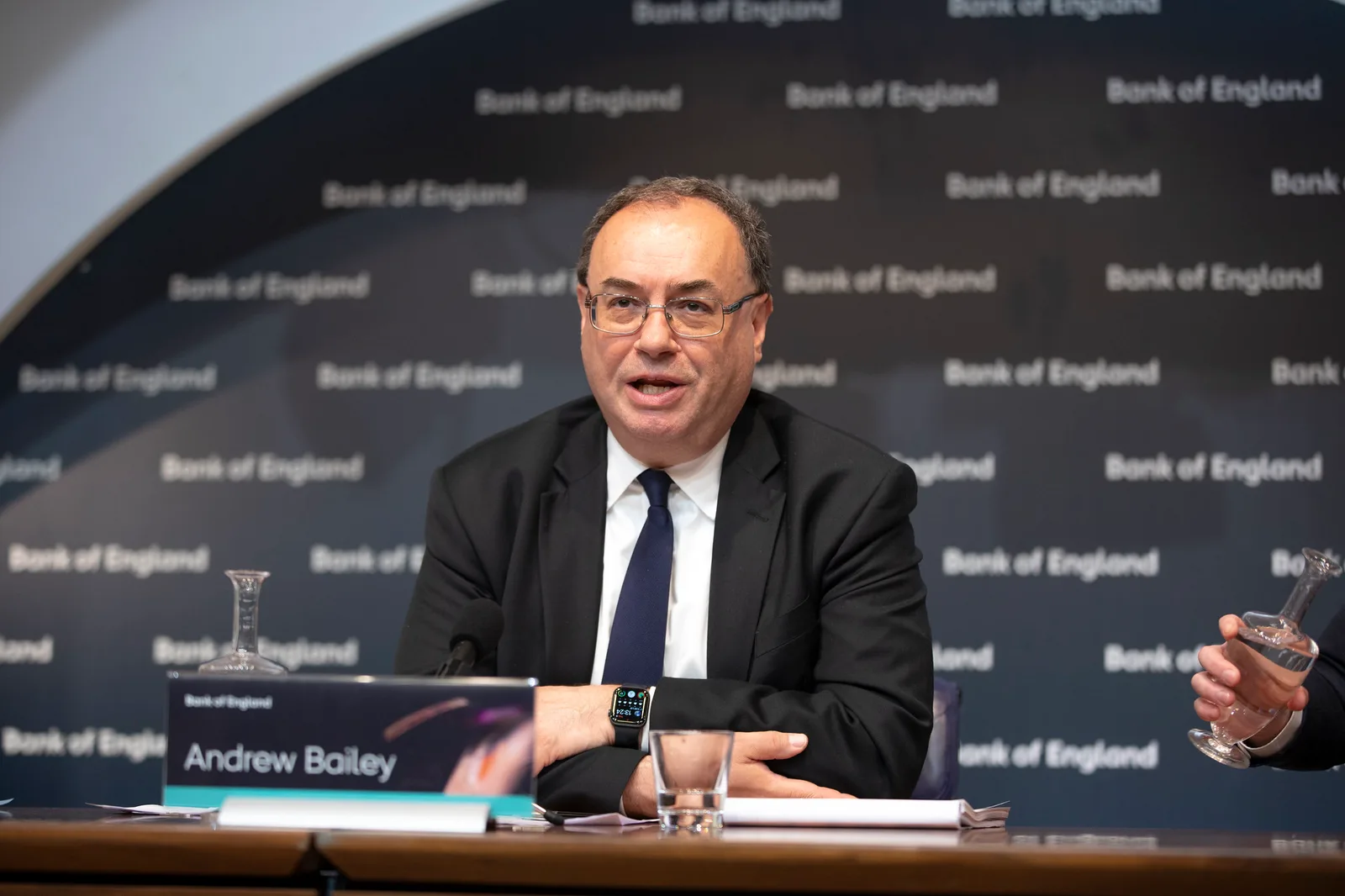
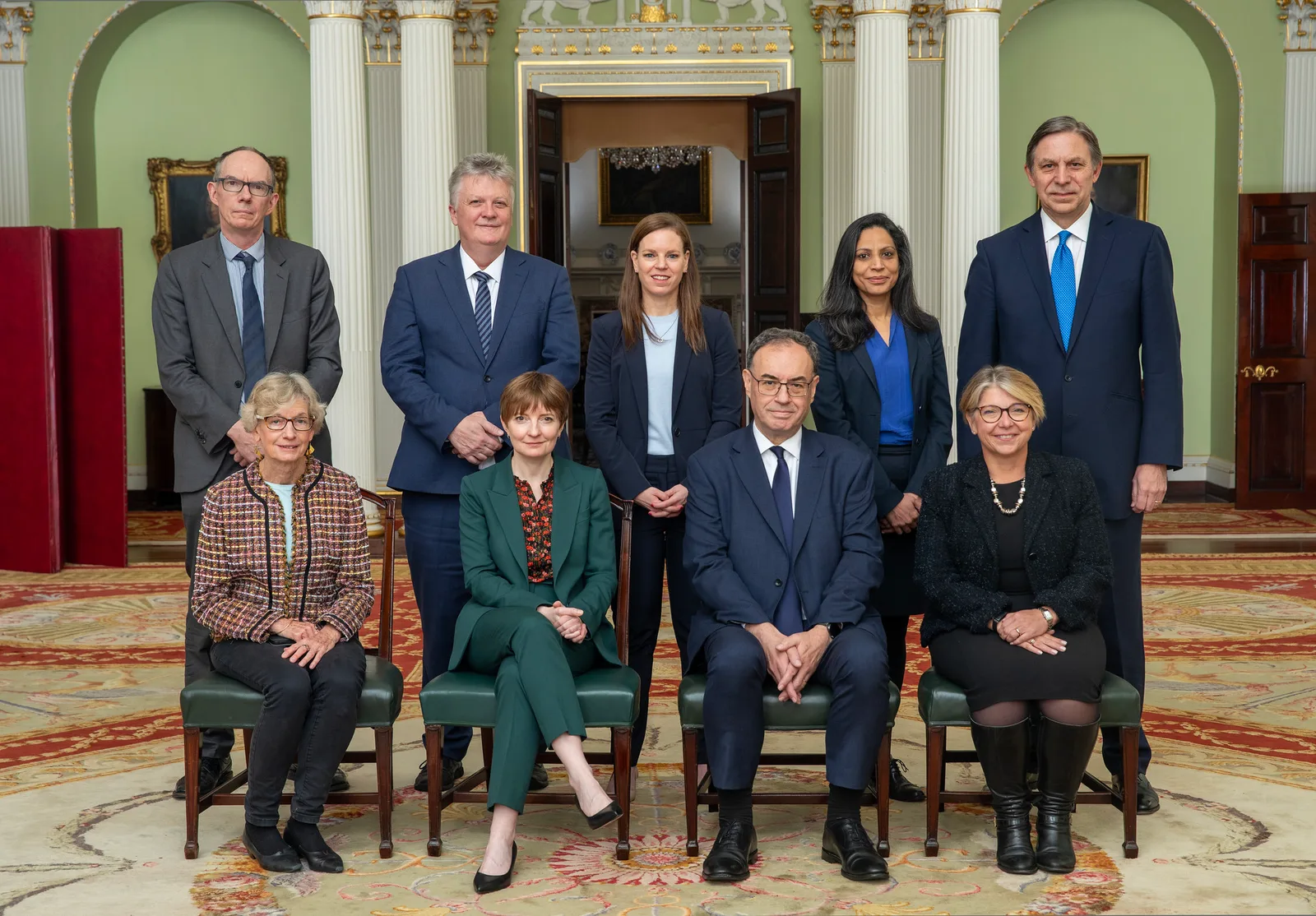
Governor Andrew Bailey, Sarah Breeden, Swati Dhingra, Clare Lombardelli, Dave Ramsden and Alan Taylor voted to hold. Megan Greene, Catherine Mann and Huw Pill wanted a quarter-point increase.
The committee said the risks to inflation are tilted to the upside, more so than at the time of its July report, and that it stands ready to act as necessary to keep inflation on track for the 2 percent target over the medium term. The minutes add that it would not be appropriate to wait too long for evidence that the energy shock is spreading before responding.
Individual members set out the two paths ahead. If the Middle East conflict persists and the risk of second-round effects grows, Mr Bailey said, "it is likely that policy may have to tighten." Mr Taylor argued that further tightening was not warranted for now, and that a cut could come into view if geopolitical tensions and inflation pressures ease.
What the Bank decided
- Bank Rate held at 3.75 percent by six votes to three
- Greene, Mann and Pill voted for a rise to 4 percent
- Inflation now seen at around 3.75 percent in the fourth quarter and slightly above 4 percent in early 2027
- A unanimous plan to run down the Bank's remaining gilt holdings, with the programme ending in 2034

Energy pushes the forecast higher
The Bank's projections were built on energy prices as of 14 September, when Brent crude stood at $106 a barrel, 36 percent higher than before the July report. UK wholesale gas was 207 pence a therm, up 78 percent over the same period.
That has lifted the inflation path. The Bank now expects CPI inflation of around 3.75 percent in the fourth quarter of this year, up from the 3.2 percent it projected in July, and slightly above 4 percent in the first quarter of 2027.
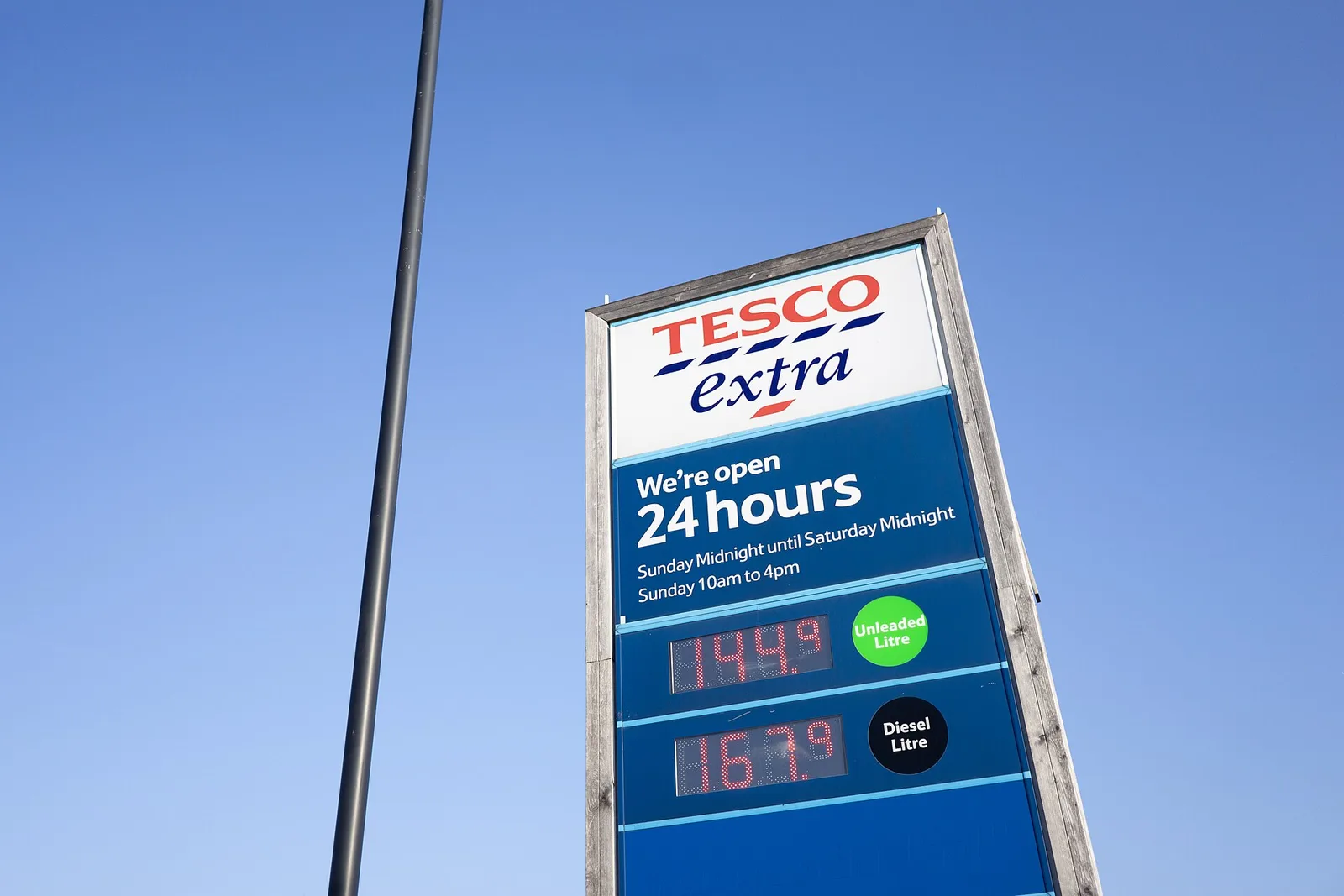
Households are already feeling the effect. Ofgem's price cap for October to December is £1,723, somewhat above what the Bank expected in July, and the Bank expects it to rise substantially further in the first quarter of 2027. Petrol averaged 161.3 pence a litre in August, its highest since November 2022, according to figures published on Wednesday.
| Indicator | Latest | Earlier |
|---|---|---|
| CPI inflation | 3.1% (August) | 2.9% (July) |
| Projected CPI, Q4 2026 | around 3.75% | 3.2% (July report) |
| Brent crude, 14 September | $106 a barrel | up 36% since July |
| UK wholesale gas, 14 September | 207p a therm | up 78% since July |
| Unemployment | 4.9% (three months to July) | 4.9% (three months to April) |
A softer economy at home
The domestic picture is less pressing than the energy shock. CPI inflation was 3.1 percent in August, and the Bank estimates that about 0.7 percentage points of the 1.1-point overshoot above target comes directly from energy. Services inflation has eased to 3.4 percent from 4.5 percent in March.
Unemployment held at 4.9 percent in the three months to July, and private sector regular pay growth slowed to 2.9 percent from 3.3 percent at the start of the year, with underlying wage growth put at around 3.5 percent. Activity has been a little stronger than expected: GDP grew 0.4 percent in the second quarter, and Bank staff expect the same pace in the third, against 0.1 percent pencilled in during July.
Out of step with the Fed and the ECB
The hold leaves the Bank behind its two closest peers. The Federal Reserve raised its range to 3.75 to 4 percent on Wednesday, its first increase since 2023, and the European Central Bank lifted its deposit rate to 2.5 percent the previous week.
The committee also voted unanimously on its balance sheet. It will run down the gilts held for monetary policy purposes over several years: of the £488 billion stock, £120 billion is set aside to back banknotes, leaving £368 billion to unwind through annual sales of £20 billion plus maturing bonds, an average pace of about £46 billion a year that completes in 2034.
For mortgage borrowers and savers, the three votes for a hike are the signal that matters. With inflation expected to rise for several more months, the case for a UK rate cut has faded, and the committee has made clear that a rise remains possible if the Middle East conflict keeps energy prices high.