UK consumer price inflation rose to 3.1 percent in August from 2.9 percent in July, the Office for National Statistics said on Wednesday, as petrol reached its highest average price since November 2022 and diesel recorded a double-digit monthly jump.
Fuel does most of the work
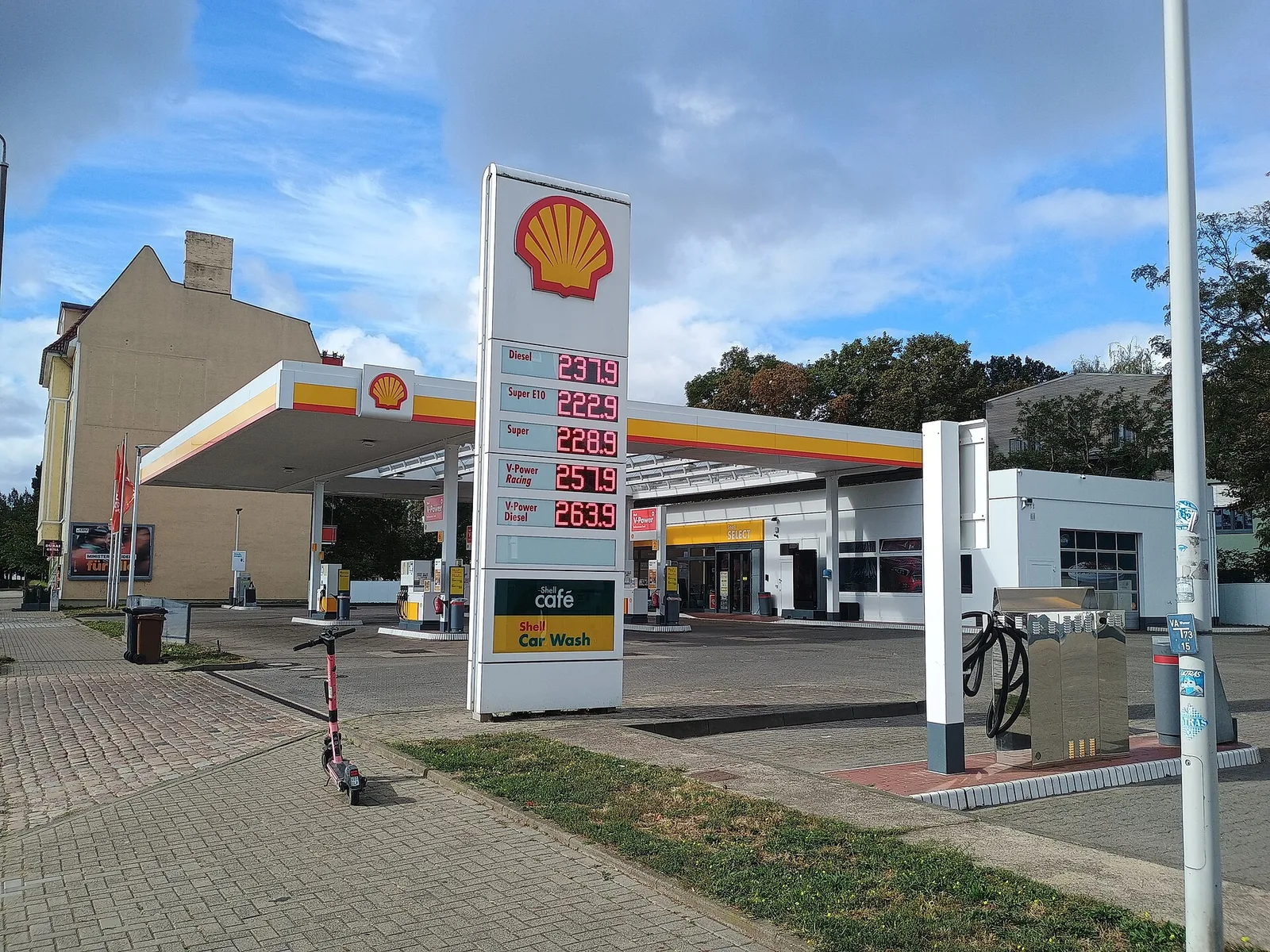
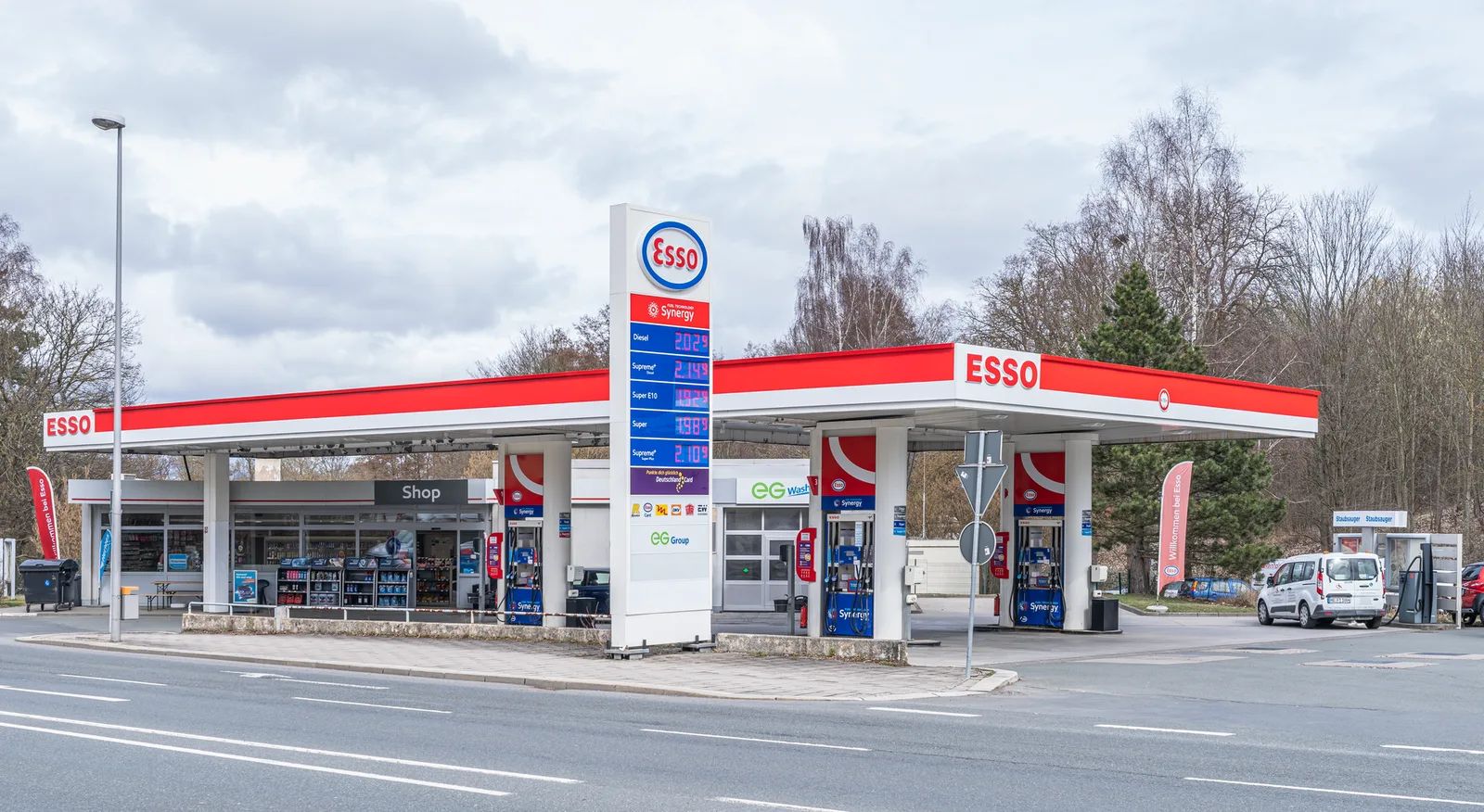
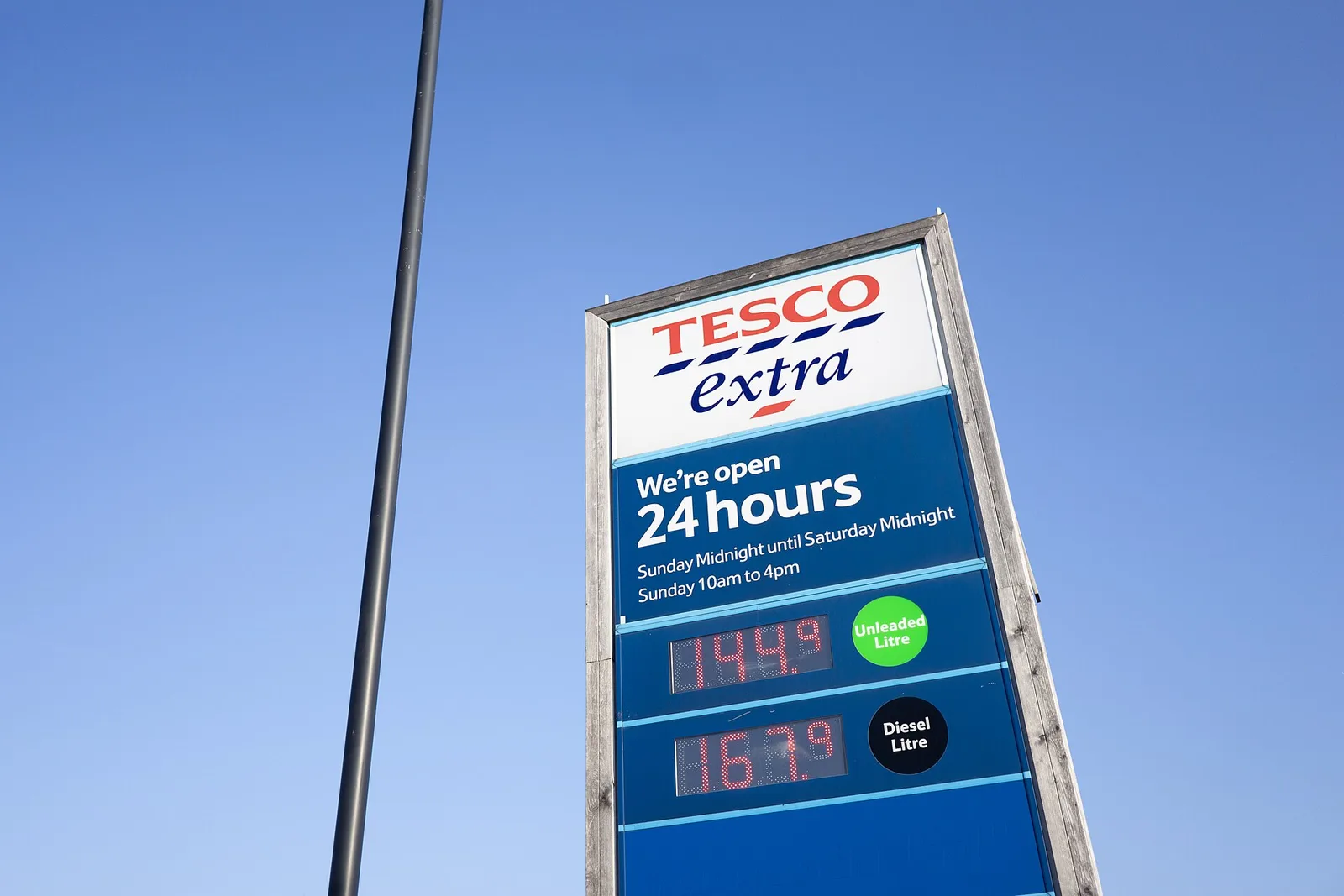
The rise came almost entirely from transport. Petrol averaged 161.3 pence a litre in August, up 9.1 pence in a month, compared with a rise of just 0.3 pence in the same month last year. Diesel climbed 14.2 pence to 181.8 pence a litre, against 0.8 pence a year earlier.
Motor fuel prices were 23.0 percent higher than a year before, up from an annual rate of 15.5 percent in July. Transport added 0.69 percentage points to the annual CPI rate and was the largest upward contributor to the rise, while annual transport inflation rose to 4.6 percent from 3.6 percent.
For a driver filling a 55-litre tank, August's increases add about £5 to a tank of petrol and almost £8 to a tank of diesel compared with July. Those costs come directly out of household budgets, and they also feed into delivery and haulage costs that reach shop prices more slowly.
Prices rose 0.5 percent between July and August, compared with 0.3 percent in the same period of 2025. The broader CPIH measure, which includes owner occupiers' housing costs, rose to 3.3 percent from 3.1 percent.

Airfares rise, food stays calm
Airfares were the other notable upward push. They rose 6.2 percent between July and August, a much larger seasonal increase than the 2.1 percent recorded a year earlier. For families who travelled late in the summer holidays, that showed up directly in the cost of a trip.
Food was steadier. Inflation for food and non-alcoholic drinks held at 1.3 percent for a second month, with the monthly increase of 0.4 percent matching August last year. Sugar, jam and confectionery, along with meat, pulled slightly in the other direction, while vegetables nudged the rate up.
| Measure | July 2026 | August 2026 |
|---|---|---|
| CPI inflation | 2.9% | 3.1% |
| CPIH inflation | 3.1% | 3.3% |
| Core CPI (excludes energy, food, alcohol, tobacco) | 2.6% | 2.6% |
| CPI goods | 2.2% | 2.7% |
| CPI services | 3.4% | 3.4% |
| Motor fuels | 15.5% | 23.0% |
| Food and non-alcoholic drinks | 1.3% | 1.3% |
Core inflation holds still
Strip out energy, food, alcohol and tobacco, and the picture barely moved. Core CPI held at 2.6 percent, and services inflation, which the Bank of England watches as a sign of domestic price pressure, stayed at 3.4 percent. Goods inflation rose to 2.7 percent from 2.2 percent, driven by fuel.
That split matters for households trying to read the numbers. The jump in the headline rate is an energy story rather than a sign that price rises are spreading across the economy. Energy price shocks can still spread over time through wages, transport costs and business pricing, which is why the next few releases will be watched closely.
The rise in pump prices follows the climb in crude. Brent finished last week above $100 a barrel for the first time since mid-May after attacks threatened Saudi supply routes, and it is up more than 70 percent since the start of the year. Because the figures cover August, they do not yet capture the further jump in crude in early September.
What it means for savers, borrowers and the Bank
With Bank Rate at 3.75 percent, inflation of 3.1 percent leaves a gap of just 0.65 percentage points between the central bank's rate and price growth. For savers, the real return on cash accounts paying close to Bank Rate is getting thinner as the headline rate climbs; for borrowers, a rising inflation rate reduces the chance of the rate cuts that would lower tracker and new fixed mortgage costs.
The Bank of England announces its latest decision on Thursday, one day after the Federal Reserve's. Its policymakers now have a sharp rise in fuel costs to weigh against a core rate that has not moved, and the risk that energy keeps pushing the headline figure higher before it falls.
The ONS publishes September's inflation figures on 21 October.