The Bank of England's first rate rise since 2023 has reopened an old question for UK homeowners coming off a deal: lock in a fixed rate, or take a cheaper tracker that moves with every decision. The cheapest trackers start about three-quarters of a point below comparable fixes, but that gap only holds while Bank Rate stays put.
Where Rates Stand After the First Rise Since 2023
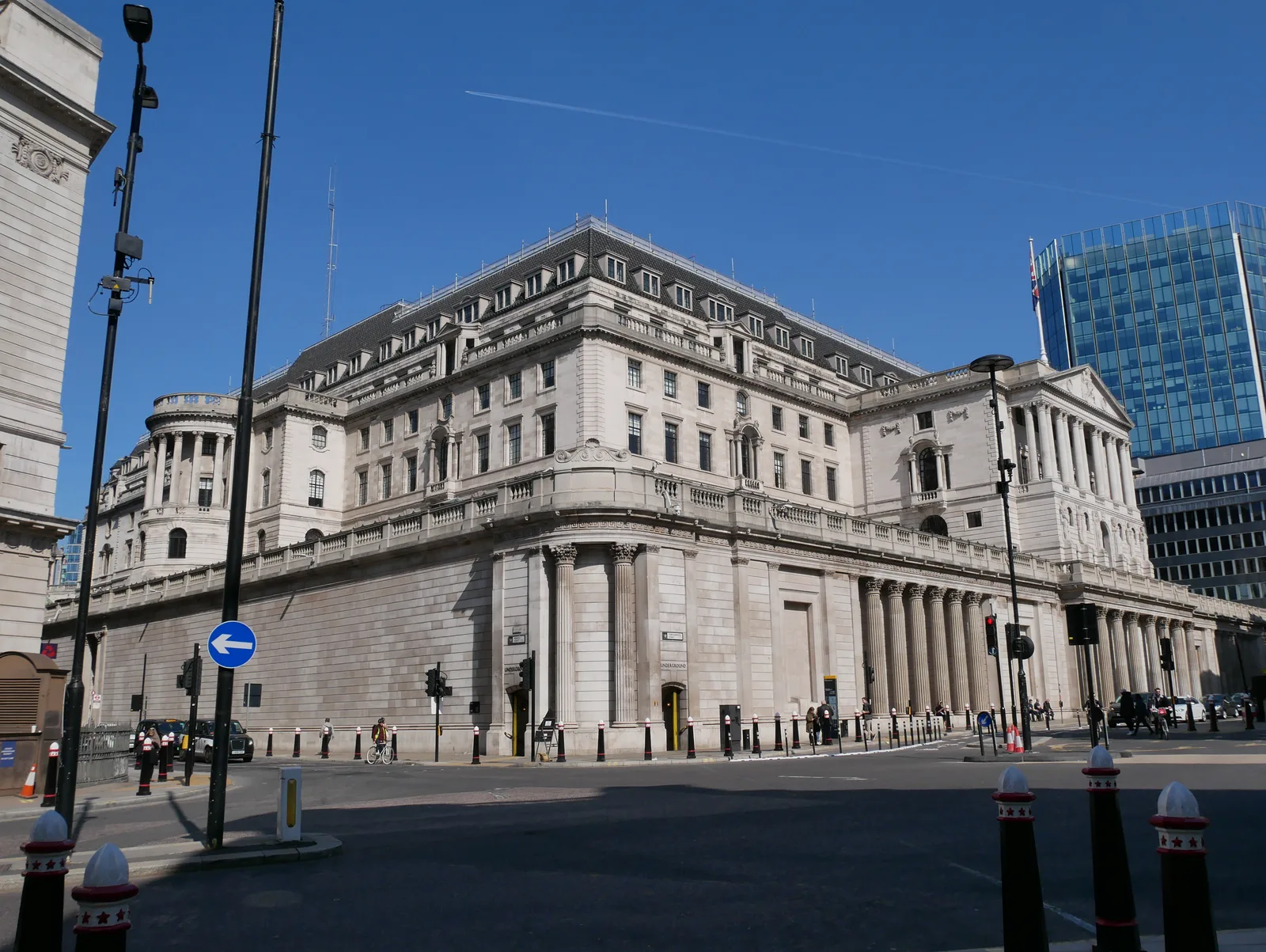
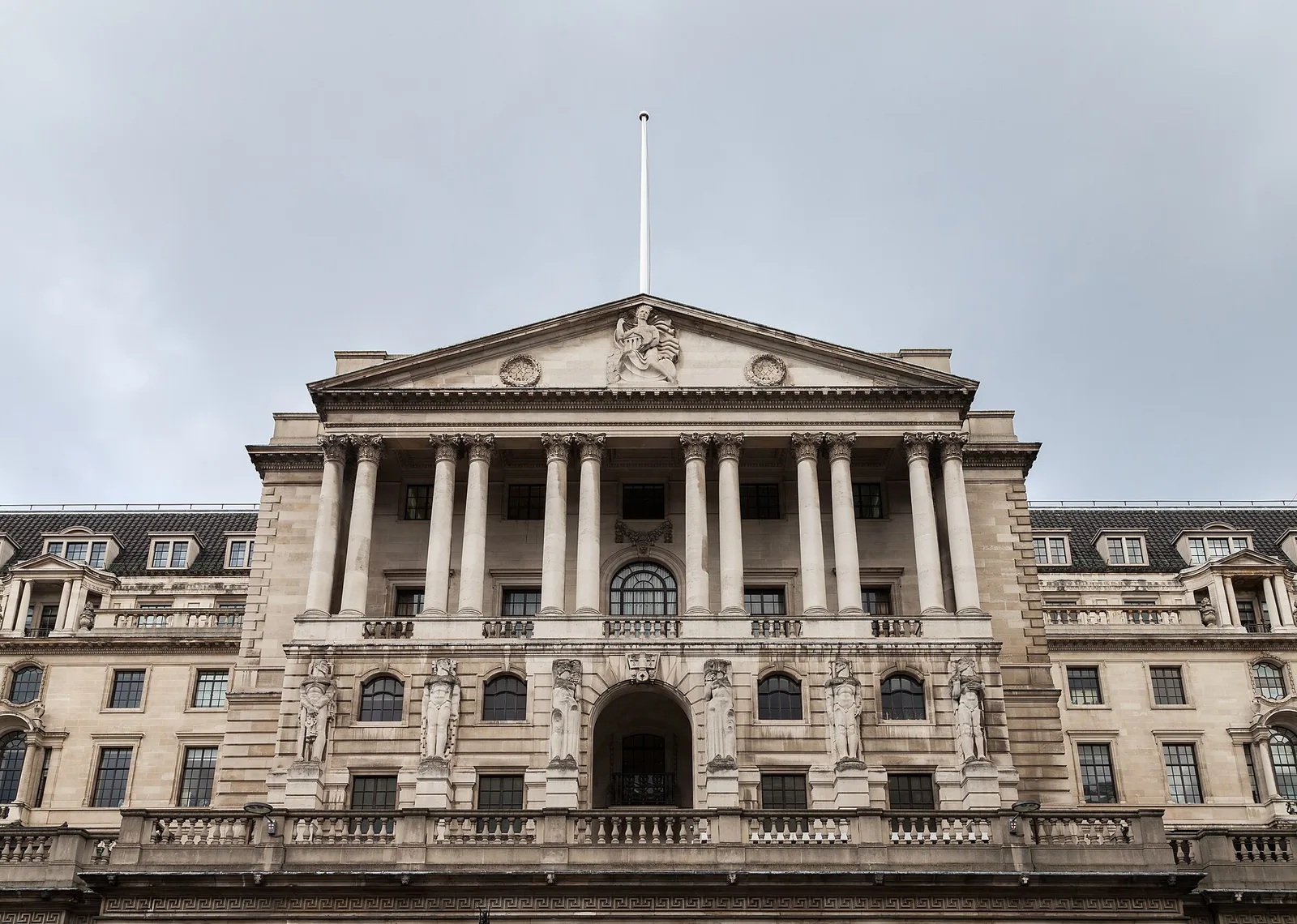
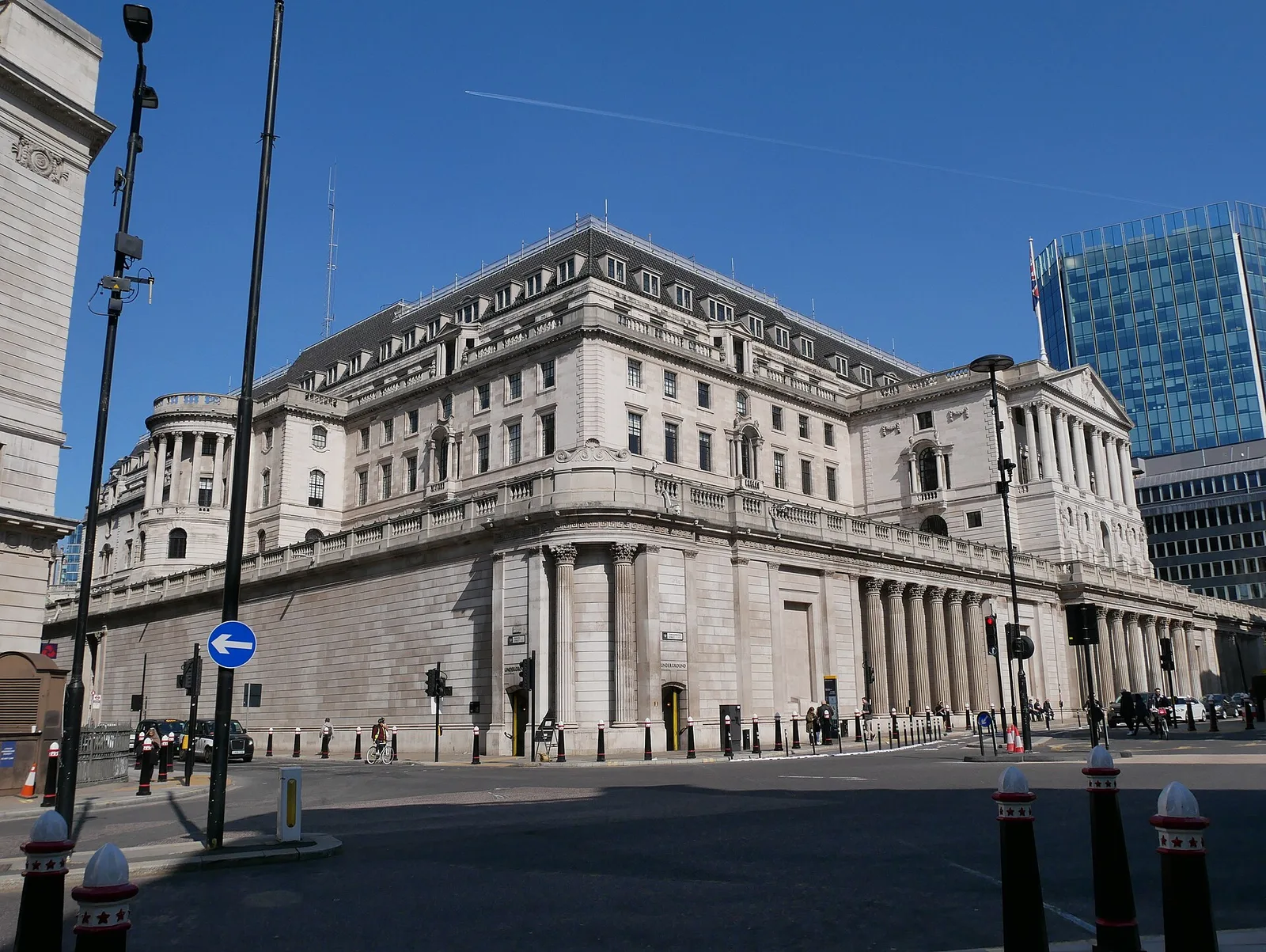
On 5 November the Monetary Policy Committee raised Bank Rate by a quarter point to 4 percent, the first increase since August 2023. The vote was 8 to 1, with Catherine Mann preferring a half-point rise to 4.25 percent.
The trigger was energy. The Middle East conflict pushed oil and gas prices sharply higher, UK consumer price inflation reached 3.5 percent in September, and Bank staff project it at close to 4.5 percent in the first quarter of 2027 and about 5 percent in the second quarter before it falls back.
The committee did not commit to a path. Several members, among them Megan Greene, Clare Lombardelli and Huw Pill, signalled that further rises were likely, while Governor Andrew Bailey said he could see the case for another increase unless inflation risks eased. Alan Taylor took the opposite view, saying "this is not the start of a hiking cycle". The next decision is due on 17 December.
Data published this morning added to the debate. The Office for National Statistics said the economy grew 0.7 percent in the third quarter, up from 0.5 percent in the second, and was 1.9 percent larger than a year earlier, led by a 0.9 percent rise in services output. Stronger growth gives the Bank less reason to hold back.
The numbers behind the choice
- 4% Bank Rate after the 5 November rise
- 4.48% cheapest tracker at 90% loan-to-value
- 7.13% average standard variable rate
Why Fixed Rates Already Price In Future Rises
Trackers and fixes are priced in different ways, and that explains most of the gap between them. A tracker is set at a fixed margin above Bank Rate, so when Bank Rate rose by 0.25 percentage points the borrower's rate rose by the same amount, usually from the next monthly payment.
Fixed rates are priced against swap rates, the market cost of borrowing money for two or five years. Swap rates move on expectations of where Bank Rate is heading, so lenders adjust fixed deals well before the committee acts. Rightmove noted that lenders had already built the November rise into fixed pricing and that fixed deals now reflect some expected increases in 2027.
That is why fixed rates climbed before the decision. According to Moneyfacts, the average two-year fix reached 5.97 percent in early November, its highest since December 2023 and up from 4.83 percent in January. The average five-year fix stood at 6.00 percent, against 5.01 percent a year earlier. The lowest two-year fixes at the five biggest high-street lenders were on average 0.44 percentage points higher than at the start of September.
| Product | Rate | Source and date |
|---|---|---|
| Cheapest tracker, 90% LTV | 4.48% | Rightmove, 5 November |
| Comparable two-year fix, 90% LTV | 5.24% | Rightmove, 5 November |
| Comparable five-year fix, 90% LTV | 5.25% | Rightmove, 5 November |
| Average two-year tracker | 4.68% | Moneyfacts, November |
| Average two-year fix | 5.97% | Moneyfacts, November |
| Average five-year fix | 6.00% | Moneyfacts, November |
| Average standard variable rate | 7.13% | Moneyfacts, November |
The Break-Even Arithmetic
The simplest way to compare the two is to ask how far Bank Rate would have to rise before a tracker costs as much as a fix. At 90 percent loan-to-value, the cheapest tracker sits 0.76 percentage points below a comparable two-year fix.
On a £250,000 repayment mortgage over 25 years, a standard repayment calculation puts the tracker at about £1,387 a month and the two-year fix at about £1,497, a difference of roughly £110. Each quarter-point rise at these levels adds a little over £35 a month, or around £430 a year.
The tracker therefore keeps its advantage until Bank Rate has risen by roughly three more quarter-point steps, and even then only for the months after those rises. Economists quoted in the trade press before the November decision expected Bank Rate to be half a point higher by February 2027, which implies one more quarter-point rise after November. On that path, the tracker remains cheaper than the fix.
The arithmetic changes if inflation proves stickier than expected. A tracker carries the full risk of a run of rises, while a fix buys certainty at a known premium. The choice is less a forecast of rates than a judgement about how much payment uncertainty a household budget can absorb.
Questions borrowers can work through
- How much would the monthly payment change after one or two further quarter-point rises, and does the budget still work at that level?
- How far above Bank Rate does the tracker sit, and is there a floor or a charge for switching to a fix later?
- When does the current deal end? New fixed deals can often be secured up to six months in advance.
- What do the product fees add to the true cost over the deal's life, compared with the headline rate?
- Would a later switch to a fixed rate be priced higher if markets expect more rises by then?
Rightmove's mortgage expert Matt Smith suggested borrowers on trackers check their margin over Bank Rate and test scenarios of a quarter-point or half-point rise. He also pointed out that the value of a tracker shrinks with each increase, and the gap between tracker and fixed rates may narrow.
The Cost of Drifting Onto a Standard Variable Rate
The most expensive outcome is often neither a fix nor a tracker but the lender's standard variable rate, which borrowers move onto automatically when a deal ends. Lenders set these rates themselves and can raise them after a Bank Rate decision. Nationwide lifted its Base Mortgage Rate from 5.75 percent to 6 percent.
Moneyfacts puts the average standard variable rate at 7.13 percent. On a £250,000 loan over 25 years, that costs about £182 a month more than a 5.97 percent two-year fix. UK Finance figures cited by Rightmove show about 470,000 borrowers on standard variable rates and about 510,000 homeowners on trackers, close to a million households whose payments move with rates.
Rachel Springall, finance expert at Moneyfacts, has urged brokers to arrange product transfers three to six months before a deal expires so that clients avoid reverting to the variable rate.
What Could Change the Calculation Before December
The next fixed point is the Bank's decision on 17 December. Third-quarter growth was stronger than in the spring, and Bank staff expect inflation to rise further into 2027, both arguments for another increase.
Energy markets cut the other way. Brent crude fell about 16 percent in the week to 6 November on hopes of a diplomatic end to the Iran war, which would ease the pressure that drove the November rise if it lasts. The Bank also estimates that measures in the Budget will lower inflation by about a quarter of a point by the second quarter of 2027.
For fixed-rate pricing, what matters most is the swap market. If traders scale back expectations of further rises, lenders could trim fixed rates even while Bank Rate stays at 4 percent; some large lenders made small cuts to fixes in the week of the decision. If expectations rise, fixes will move first and trackers will follow only when the committee acts.
Sources
- Bank of England: Bank Rate increased to 4%, November 2026 Monetary Policy Summary and Minutes
- Office for National Statistics: GDP first quarterly estimate, UK: July to September 2026
- Rightmove: Base Rate rises to 4%, what can buyers and homeowners expect now?
- Money Helpdesk: What the Base Rate Rise to 4% Means for Your Mortgage
- Mortgage Professional: Mortgage rates hit three-year high as lenders reprice aggressively ahead of base rate rise
- CNBC: Stock market news for Nov. 6, 2026