The Bank of England raised interest rates for the first time in more than three years on Thursday, lifting Bank Rate by a quarter point to 4 percent. The Monetary Policy Committee acted as the energy shock from the Middle East conflict pushed UK inflation higher, and it now expects inflation to peak at about 5 percent by mid-2027.
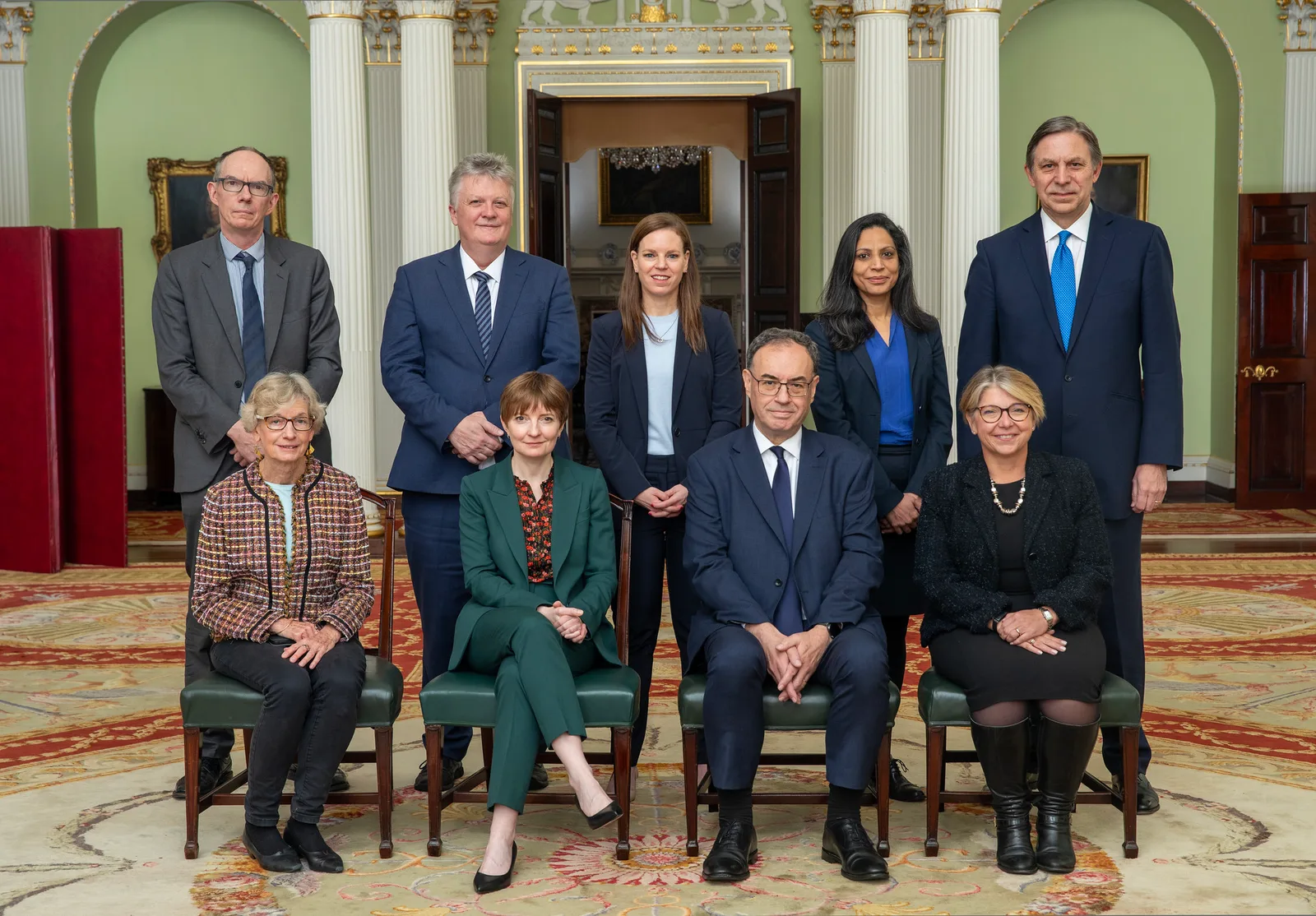
The committee voted 8 to 1 for the increase from 3.75 percent. The one dissenter, Catherine Mann, wanted a larger half-point rise to 4.25 percent, citing a higher risk that inflation becomes persistent. No member voted to hold.
The move ended a run of six consecutive holds at 3.75 percent since February, which followed the Bank's last cut in December 2025. It was the first rate rise since August 2023.
Why the Bank Moved Now
UK consumer price inflation reached 3.5 percent in September, up from 2.6 percent in June and 0.4 percentage points above the Bank's own projection from July. The Bank now expects inflation to climb to about 5 percent in the second quarter of 2027 before falling back towards its 2 percent target as the effect of higher energy prices drops out of the annual comparison.
Energy is the main driver. The Bank said the conflict in the Middle East is in its ninth month and global energy prices have kept rising from already high levels. Diesel prices at the pump are about 40 percent above their pre-conflict level and petrol about 30 percent higher. Household utility bills and motor fuel explain about 60 percent of September's overshoot of the target.
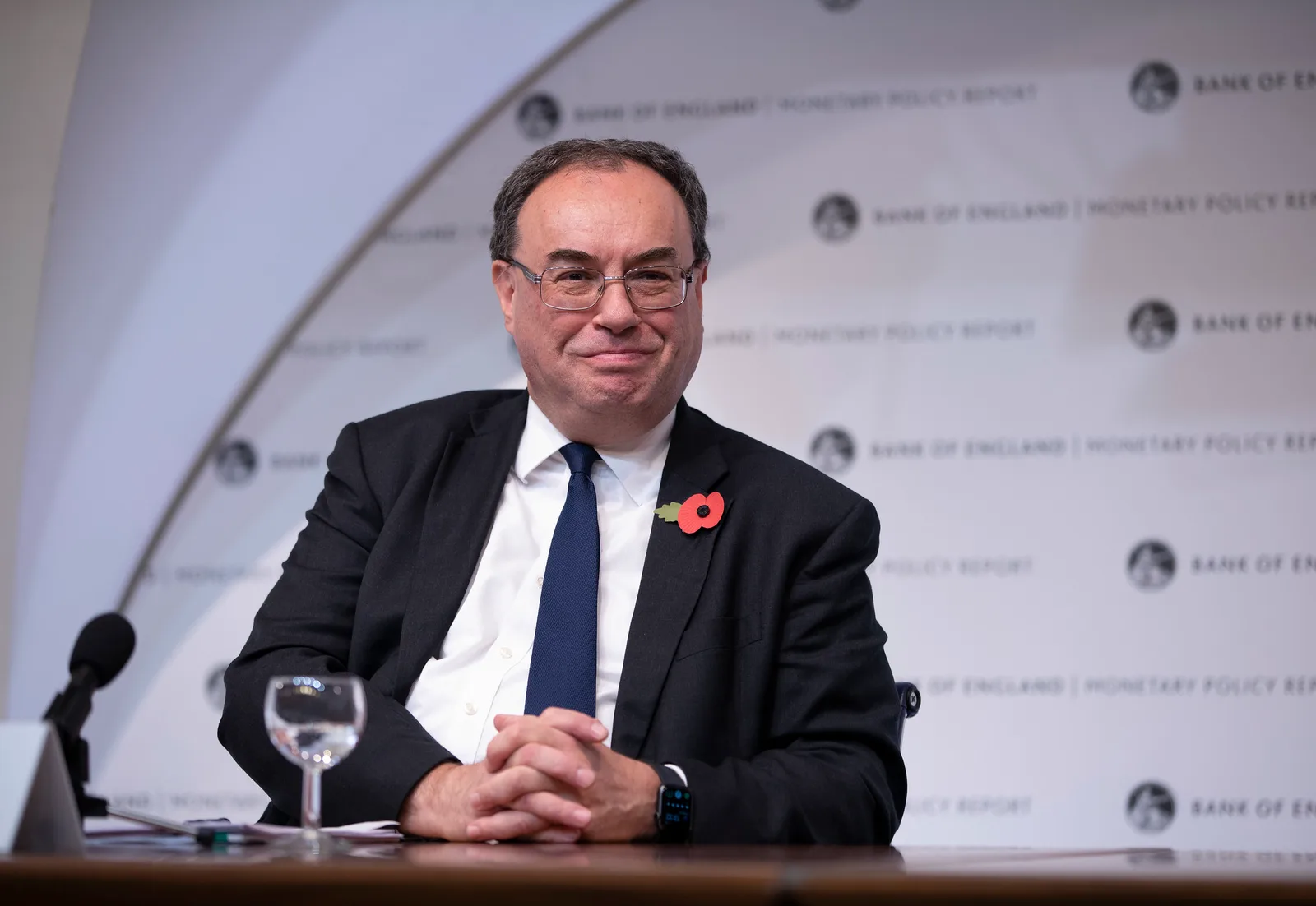
Governor Andrew Bailey said "the case is clear for a 25-basis point rise now". He added that, without news that softens the risks to inflation, he could see an argument for a further increase, followed by a more conditional approach guided by energy prices and inflation data.
The decision at a glance
- Bank Rate up 0.25 points to 4 percent, from 3.75 percent
- Vote 8 to 1; Catherine Mann backed a rise to 4.25 percent
- CPI inflation 3.5 percent in September, seen near 5 percent by mid-2027
- Next decision due on 17 December 2026

A Committee Leaning Towards More
The statements from individual members suggested the debate is now about how far to go, not whether to tighten. Huw Pill said a single increase was unlikely to be enough and more tightening would be needed soon. Megan Greene said further rises would probably be required, and Clare Lombardelli saw a likely case for another increase in the near term.
Alan Taylor took a more cautious line. He described the move as a risk-management insurance rise and warned markets against treating it as the start of a set hiking cycle, saying the next move could go in either direction.
The Bank itself stressed that policy is not on a pre-set path. Its key questions are whether higher energy costs spread into wages and other prices, and how pay, pricing and spare capacity in the economy develop. In an adverse scenario, with renewed energy spikes and stronger second-round effects, policy would need to be materially tighter. If demand weakens instead, the Bank said it could loosen policy further out.
What It Means for Borrowers and Markets
Much of the rise was expected. Markets had fully priced it in, according to the SONIA interest rate curve on 3 November, and swap rates, which lenders use to price fixed-rate mortgages, had already moved. Several large lenders, including Nationwide, Barclays and Halifax, cut some mortgage rates in the week of the decision as swap rates eased.
The immediate effect falls on tracker mortgages, which usually follow Bank Rate within days. Borrowers on standard variable rates depend on whether their lender passes the rise on. Most UK mortgages are on fixed deals, so their payments do not change until the deal ends.
The next decision is due on 17 December. With the Bank's forecast showing inflation still rising into the middle of next year, the energy market is likely to decide whether that meeting brings a second increase.