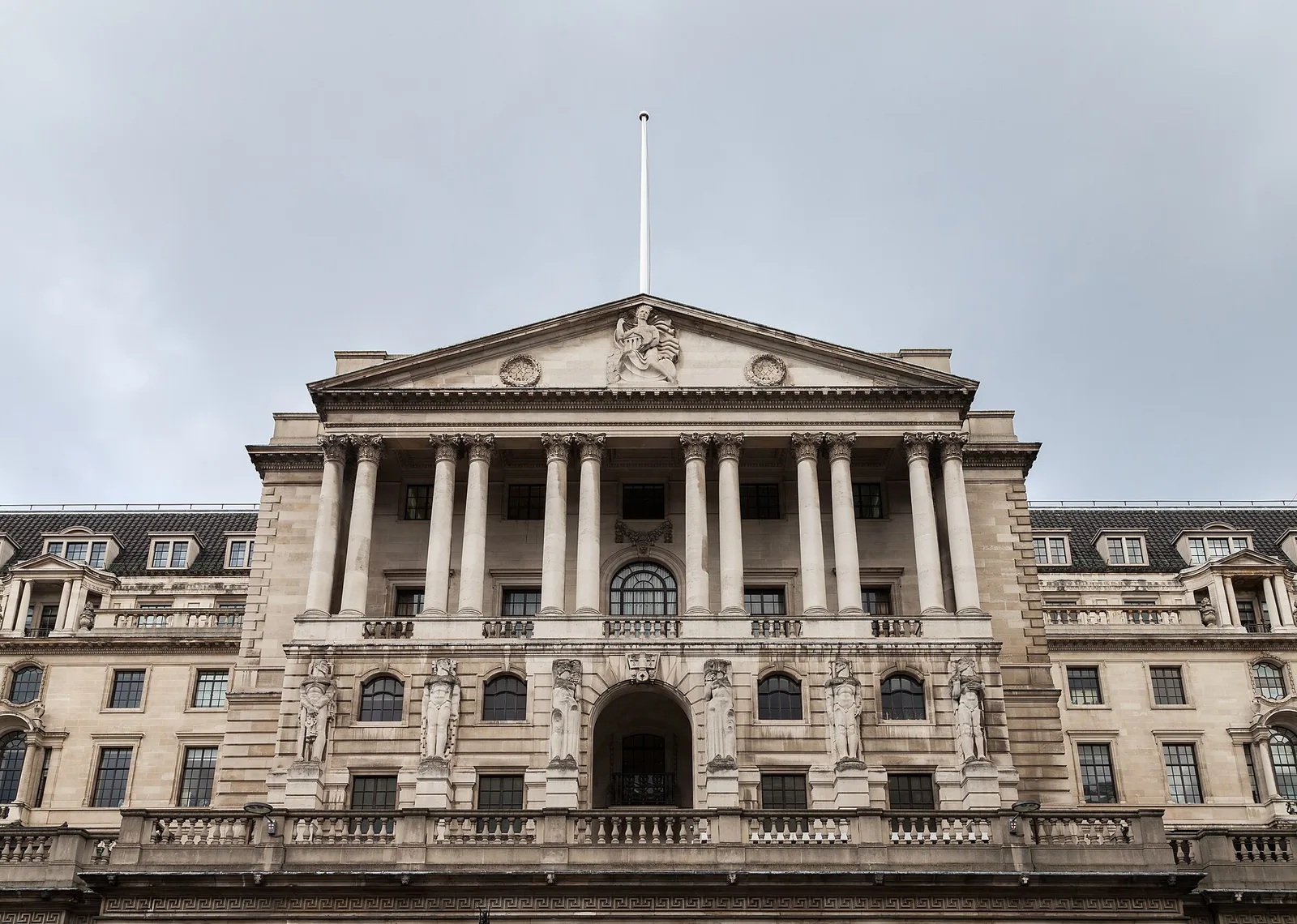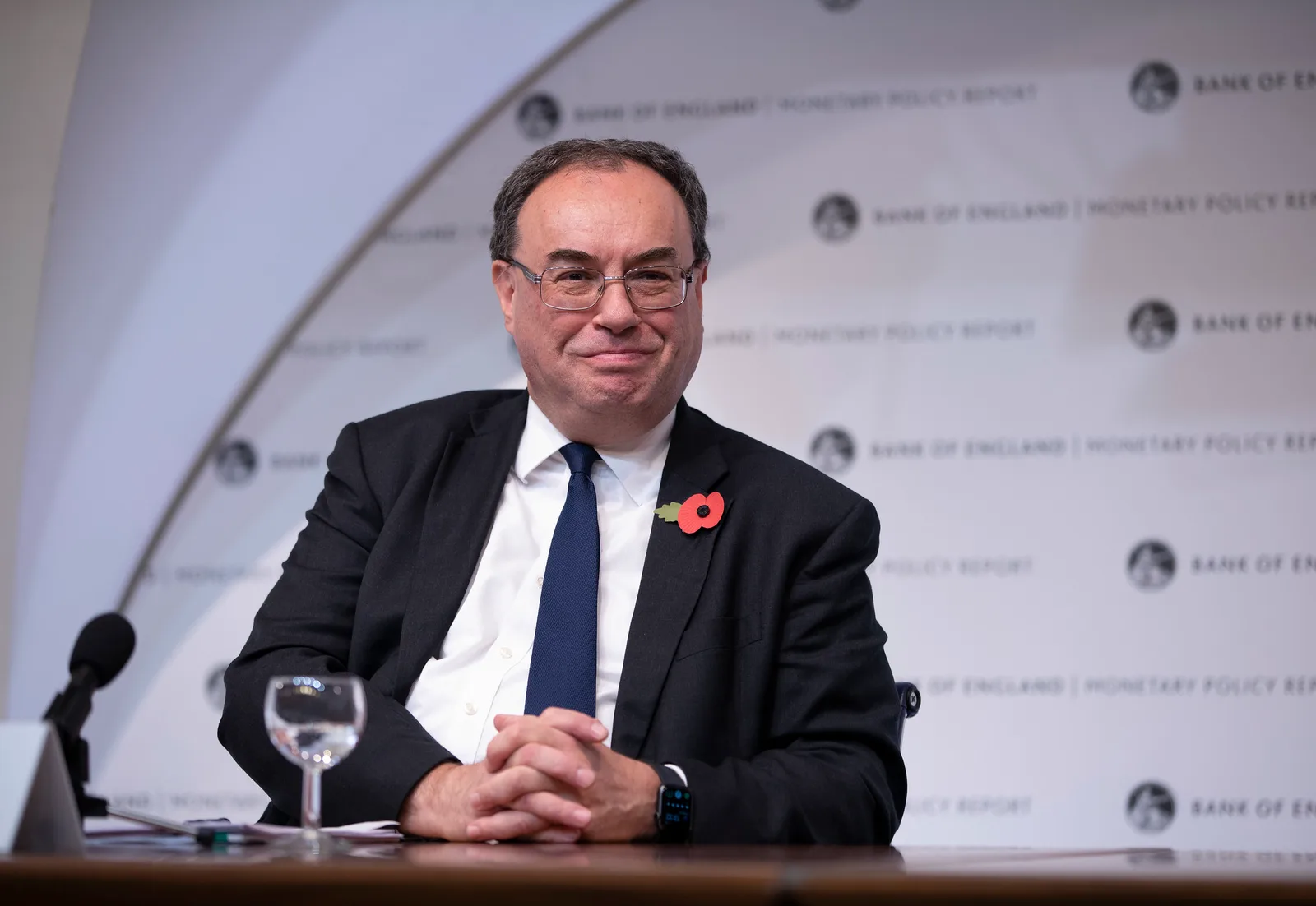
The Bank of England's rise in Bank Rate to 4 percent should push some savings rates up, but it does not change the basic problem for UK savers. With inflation at 3.5 percent and forecast to reach about 5 percent by mid-2027, much of the money held in easy-access accounts is still losing value in real terms.
The Monetary Policy Committee raised Bank Rate from 3.75 percent to 4 percent on Thursday, its first increase in more than three years. For borrowers on tracker mortgages the effect is quick and mechanical. For savers it is slower, less certain and, for many, smaller than the headline suggests.
This explainer sets out where savings rates stood going into the decision, why fixed-rate accounts already paid more than Bank Rate, how changes to ISAs and savings tax affect the sums, and what markets expect next.
Where Savings Rates Stood Before the Rise
On 4 November, the day before the decision, the average easy-access savings account paid 2.58 percent, according to figures reported by BBC News. The average easy-access Cash ISA paid 2.79 percent, and the average one-year fixed account 4.48 percent.
Two things stand out. Easy-access rates sat well below Bank Rate, even at its old level of 3.75 percent. One-year fixed rates sat above it, and above the new 4 percent level too.
Average UK savings rates, 4 November
- 2.58% easy-access savings account
- 2.79% easy-access Cash ISA
- 4.48% one-year fixed account
Neither gap is unusual. Banks and building societies set variable savings rates themselves and are under no obligation to pass on a change in Bank Rate, in full or at all. Some will raise rates in the coming days, others will wait, and some existing customers on older accounts may see little change.
Why Fixed Bonds Already Paid More Than Bank Rate
A one-year fixed account paying 4.48 percent before the Bank moved may look odd. The explanation is that fixed savings rates are priced on where markets expect interest rates to go, not on where Bank Rate stands today.
Markets had fully priced in Thursday's rise. On 3 November the SONIA curve, which tracks expectations for the overnight interest rate, implied Bank Rate of about 4.06 percent by early January, about 4.76 percent by October 2027 and about 4.79 percent by November 2027. A saver locking in for a year is being paid for that expected path.
That has a practical consequence. The rise to 4 percent was already in the price of most fixed bonds, so the decision itself is unlikely to move fixed savings rates much. Future changes to fixed rates will depend more on whether markets raise or lower their expectations for further increases.
Those expectations are finely balanced. Governor Andrew Bailey said he could see an argument for another rise unless the risks to inflation ease. Huw Pill, Megan Greene and Clare Lombardelli also signalled further increases may be needed. Alan Taylor called the move an insurance rise and was more cautious: "The next move could be up, down, or sideways."
The Real Return: Inflation Still Bites
The nominal rate on an account matters less than what is left after inflation. UK consumer price inflation was 3.5 percent in September, up from 2.6 percent in June, and the Bank now expects it to reach about 5 percent in the second quarter of 2027 as higher fuel and household energy costs feed through.
On those numbers, the average easy-access account paid about 0.9 percentage points less than inflation going into the decision, and the average easy-access Cash ISA about 0.7 points less. Only the average one-year fix paid more than current inflation, by about one point. If inflation rises towards 5 percent as forecast, even that cushion disappears.
The table below shows what £10,000 would earn in a year at each average rate, before tax, and how that compares with the latest inflation figure. It is an illustration based on averages; individual accounts pay more or less.
| Account type (average rate) | Interest on £10,000 a year | Gap to 3.5% inflation |
|---|---|---|
| Easy-access account (2.58%) | £258 | -0.92 points |
| Easy-access Cash ISA (2.79%) | £279 | -0.71 points |
| One-year fixed account (4.48%) | £448 | +0.98 points |
The numbers explain why the rise matters at the margin but does not transform the position. A quarter-point increase passed on in full would add £25 a year on £10,000. Inflation climbing from 3.5 percent to the forecast 5 percent would take roughly another £150 a year in purchasing power from the same sum.
How ISAs and Savings Tax Change the Sums
Tax makes the gap between ISA and non-ISA savings wider from 2027. The overall ISA allowance is £20,000 for the 2026 to 2027 tax year, according to the government. In November 2025 ministers announced a plan to cap the cash portion at £12,000 for under-65s from April 2027; Tembo reported on 5 November that this cut has now been scrapped, leaving the £20,000 limit open to cash savers of all ages.
Outside an ISA, the income tax rates on savings interest rise by 2 percentage points across all bands from April 2027, under the measures HM Revenue and Customs published in November 2025. That takes the basic, higher and additional rates on savings income to 22, 42 and 47 percent. The tax applies to interest above the personal savings allowance.
The effect on returns is large for anyone whose interest exceeds that allowance. At the average one-year fixed rate of 4.48 percent, tax at 22 percent would leave about 3.49 percent. At 42 percent the return falls to about 2.60 percent, and at 47 percent to about 2.37 percent, below the average tax-free easy-access Cash ISA rate.
What has changed for savers
- Bank Rate is 4 percent, but providers decide whether and when to lift variable rates
- Fixed rates had already priced in the rise and more increases into 2027
- The ISA allowance is £20,000 in 2026 to 2027, and the planned cash cut has reportedly been scrapped
- Tax on savings interest outside ISAs rises by 2 points, to 22, 42 or 47 percent, from April 2027
What Markets and the Bank Expect Next
The next rate decision is due on 17 December, followed by meetings on 4 February, 18 March and 29 April 2027. Market pricing points to further increases through 2027, which would tend to support savings rates, particularly on fixed accounts.
The Bank has been clear that it is not on a pre-set path. In its November report it said an adverse scenario, with renewed energy price spikes and stronger knock-on effects on wages and prices, would call for materially tighter policy. If demand weakens instead, rates could be lower further out.
For savers, the picture after Thursday is one of modest improvement against a rising cost of living. Easy-access rates may drift up, though probably slowly and unevenly. Fixed rates already reflect much of what markets expect. Whether returns keep pace with prices depends less on the Bank than on the energy market, and on how far inflation climbs before it turns.
Sources
- Tembo Money: Bank of England raises Base Rate to 4%: What it means for your mortgage and savings
- Bank of England: Monetary Policy Report - November 2026
- Mortgage One Finance: Bank of England Raises Bank Rate to 4%: What It Adds to Your Mortgage
- Mortgage Professional (MPA UK): RECAP: How the Bank of England voted to raise rates
- HM Revenue and Customs: Changes to tax rates for property, savings and dividend income
- GOV.UK: Individual Savings Accounts (ISAs)