BHP, the world's biggest listed miner, has put a price on doubling its South Australian copper output: US$14.2bn to US$18.1bn to reach 650,000 tonnes a year by 2040, with a final investment decision due in the first half of 2027. The bill landed on Monday 23 November, three days after the copper price ended its steepest weekly fall in more than 19 months, down 9.3% at US$12,160 a tonne. BHP shares were up 1.1% in Sydney at 1:34pm local time.
BHP's South Australian copper plan in numbers
- US$14.2bn to US$18.1bn the investment BHP says the plan needs
- 650,000 tonnes of copper a year by 2040, about double this year's guidance
- US$12,160 a tonne at Friday's London close, down 9.3% in a week
What BHP announced for Copper South Australia
At 8:24am Sydney time on Monday, an 86-page presentation for BHP's Copper South Australia investor site tour landed on the ASX announcements list. In it, according to a Reuters report carried by ABC News, BHP said it had found a path to lift annual copper production there to 650,000 tonnes, for US$14.2bn to US$18.1bn.
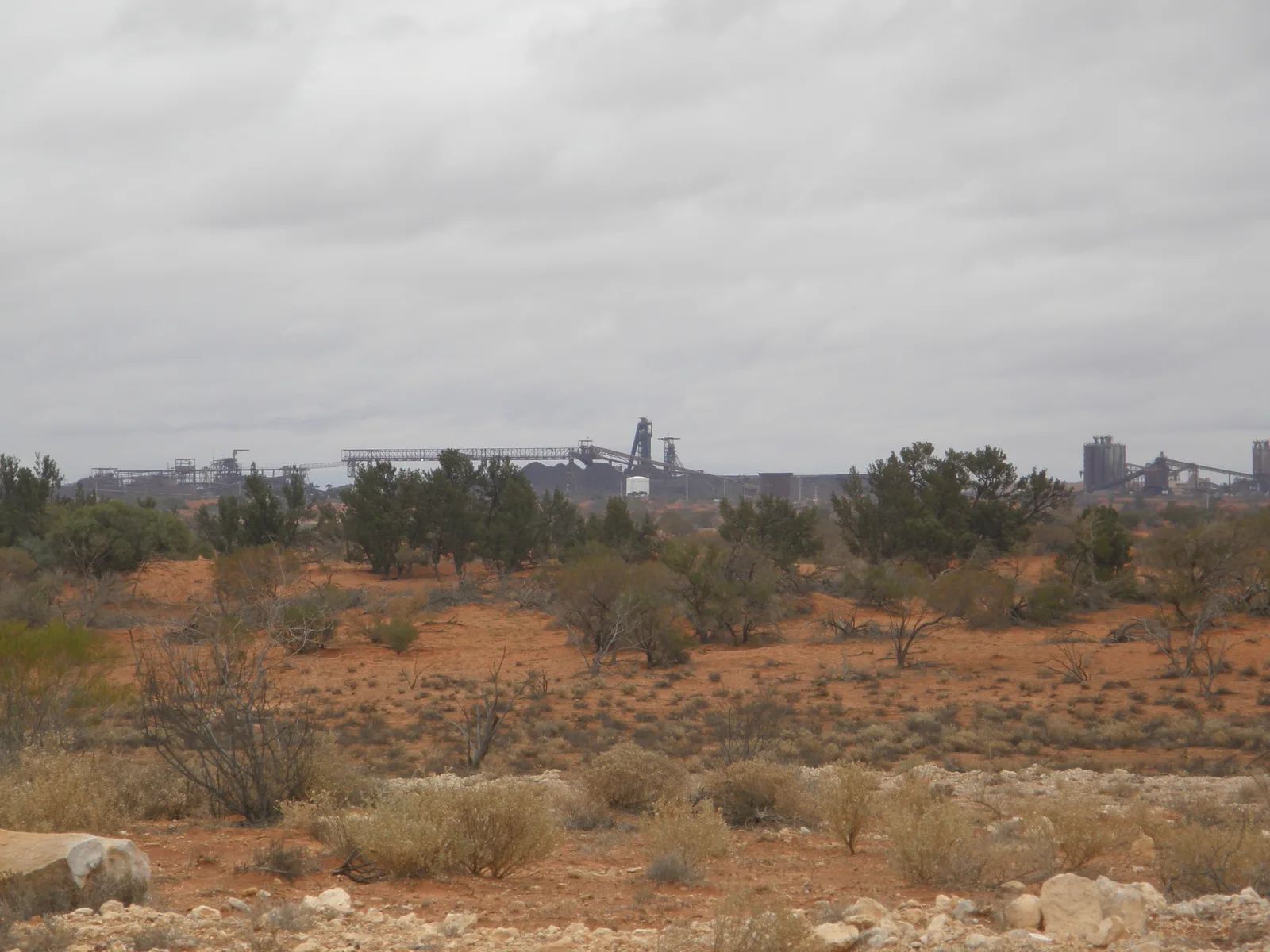
Copper South Australia is built around the Olympic Dam mine, plus the Carrapateena and Prominent Hill mines BHP bought in 2023 and a 2018 discovery named Ankata. Guidance for the year to June 2027 is 290,000 to 320,000 tonnes, so the plan roughly doubles it.
The target is not new. On 20 October BHP said it wanted about 500,000 tonnes a year by 2035 and up to 650,000 by 2040. Monday brought the bill. The region should deliver about a third of BHP's copper growth to 2035, Reuters reported.
Why the copper price slump matters for a US$18bn decision
On Friday 20 November three-month copper on the London Metal Exchange touched US$12,020 a tonne, its lowest since 24 March, before closing down 2.9% at US$12,160, ABC reported. That made a 9.3% loss for the week and about 14% for November so far. The week had begun with a four-month low on Monday 16 November.
The selling started in the stock market, not at the mines. Copper goes into the power networks and data centres behind the artificial intelligence boom, and investors have dumped it alongside the technology shares that gave the Nasdaq its worst week since 2020. ING commodities strategist Ewa Manthey wrote on Friday that copper could stay under pressure if funds keep cutting positions, then added: "But the price correction has moved much faster than physical conditions."
BHP's existing South Australian mines are cheap to run: guidance puts their unit cost at US$0.30 to US$0.80 a pound this financial year. That figure depends on the gold and uranium mined alongside the copper, and it assumes gold at US$4,300 an ounce. Gold closed on Friday at US$3,532, its lowest in more than a year.
How block caving and uranium fit into the expansion
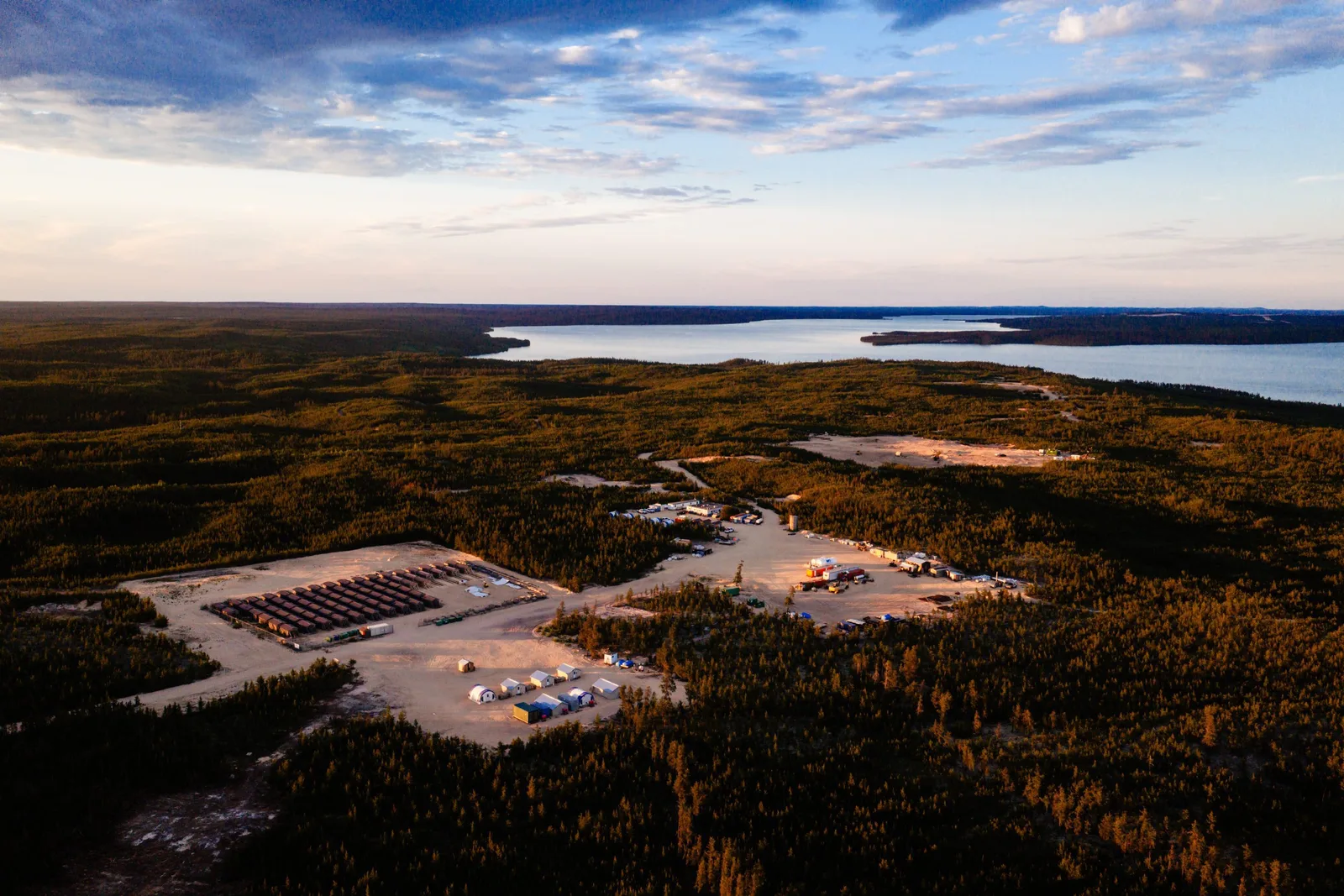
Olympic Dam has produced copper, uranium, gold and silver without a break since 1988. It sits about 570 km north-northwest of Adelaide, where an ore zone roughly 6 km long and 3 km wide lies under about 350 metres of barren rock. Today miners take the richer ore selectively, chamber by chamber. The expansion relies on block caving, a bulk method that takes a whole zone, low-grade rock included.
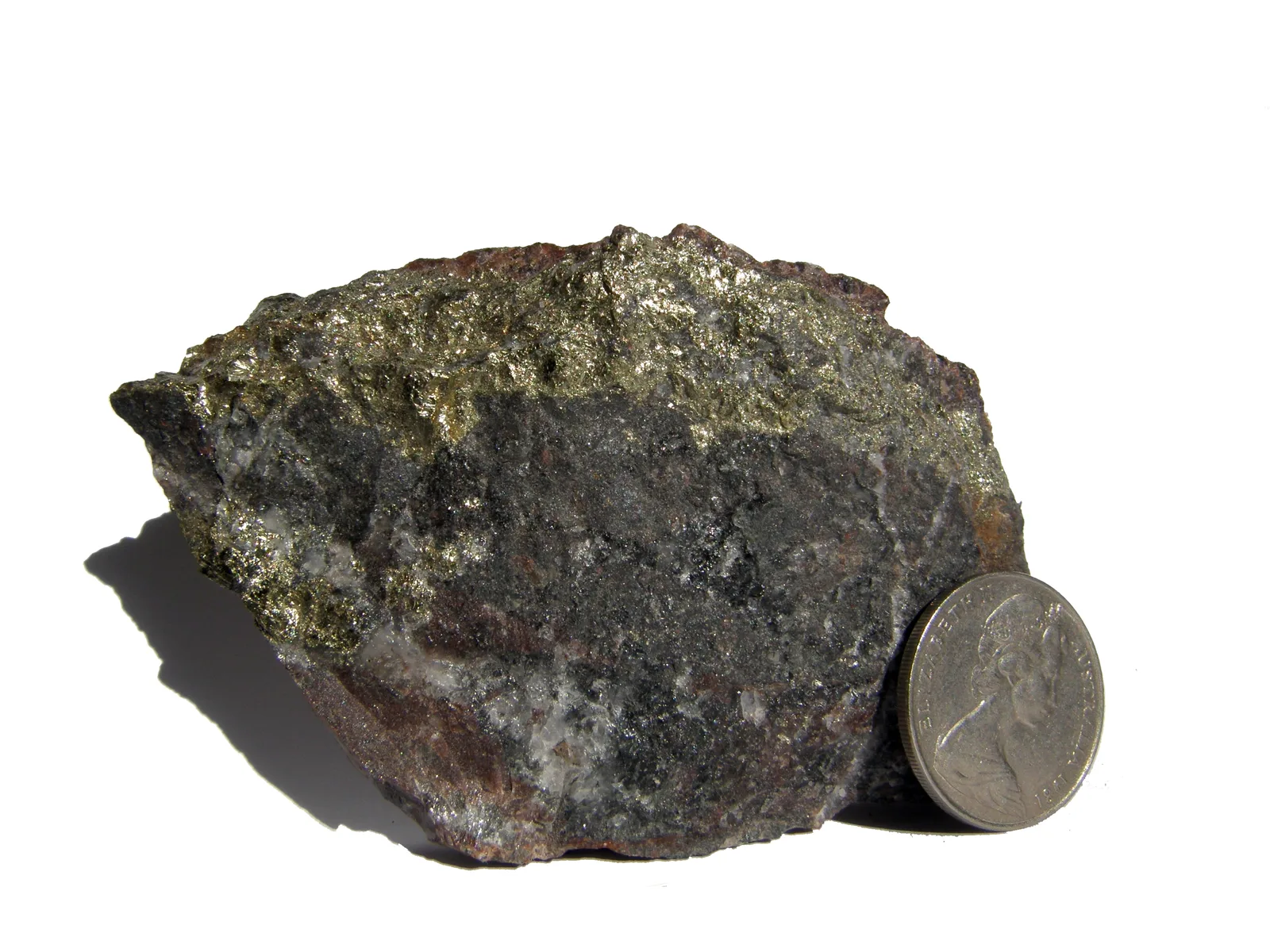
In October BHP reported its first block-cave resource at Olympic Dam: 10.73bn tonnes grading 0.59% copper. The mine's total underground resource now holds an estimated 88.1m tonnes of copper, on paper more than 130 years of the region's doubled output. BHP's own caution applies: that is metal in the ground, not an estimate of what can be recovered, and block-cave mining "remains at an early stage of assessment".
Uranium is the quieter half of the plan. BHP will enlarge its uranium plant to lift output by about half, to 5,000 to 6,000 tonnes a year, Reuters reported. The increase alone would rival a new mine: Bannerman Energy's recently approved Etango project in Namibia is designed for 3.5m pounds a year, about 1,600 tonnes.
How BHP shares reacted on the ASX on Monday
BHP's Sydney shares fell on all five days last week, from A$58.86 to A$51.40, a 12.7% loss, exchange data show. On Monday they dipped to A$50.94 before turning, and just after midday Sydney time touched A$52.68, up 2.5%. Then the gain faded. At 1:34pm BHP stood just under A$52, up 1.1%, with the trading day not over. That recovers less than a tenth of last week's fall.
What to watch before BHP's 2027 investment decision
Forecasters disagree about where copper goes next, and forecasts can be wrong. "We expect copper to reach USD 15,500 per tonne by end-2027," UBS investment strategist Sagar Khandelwal wrote in a note reported by Kitco on 19 November. BMO analysts Helen Amos and George Heppel, cited by The Northern Miner on 20 November, said copper may have to fall to around US$10,000 to US$11,000 a tonne unless Washington gives a signal on its proposed refined-copper tariff.
BHP reports half-year results on 16 February 2027, and a new chief financial officer, Adrian Wood, takes over the next day. The existing mines have ground to make up: September-quarter output fell 16% from a year earlier to 60,700 tonnes after an underground conveyor belt failed at Carrapateena.
How much will BHP's South Australian copper expansion cost?
BHP put the cost at US$14.2bn to US$18.1bn, up to A$24.7bn, on Monday 23 November 2026, to reach 650,000 tonnes of copper a year by 2040, Reuters reported.
When will BHP decide on the Copper South Australia expansion?
BHP expects a final investment decision in the first half of 2027, Reuters reported on Monday 23 November 2026.
Why did the copper price fall last week?
Copper fell 9.3% in the week to Friday 20 November 2026, to US$12,160 a tonne in London, as investors sold assets tied to artificial intelligence and the US dollar rose, analysts quoted by ABC News said.
Sources
- ABC News (Australia): Markets live updates, Monday 23 November 2026
- ASX: Today's company announcements, BHP Copper South Australia Investor Site Tour
- BHP via Investegate: Quarterly Activities Report, quarter ended 30 September 2026
- BHP via Investegate: CFO Update
- ING Think: Metals sell-off runs ahead of physical markets
- Kitco News: Gold adds resilience despite near-term headwinds, copper will hit $15,500/t in 2027, UBS
- The Northern Miner: US copper booked for China as tariff bet unwinds