Paladin Energy has raised A$525 million from institutional investors to keep its Patterson Lake South uranium project in Canada on course for first production in 2031. The new shares were sold at A$7.80, a 10.3% discount to the last close, and will lift the share count by about 15%.
A Larger Australian Placement Than Planned
Paladin, which is listed in Sydney and Toronto and trades over the counter in the US, halted its shares on 12 November and launched a fully underwritten raising made up of an A$474 million placement in Australia and a C$50 million bought deal in Canada.
The book closed on 13 November with the mix changed. Demand from new and existing investors led Paladin to increase the Australian placement to about A$499 million, or about 64.0 million shares at A$7.80. The Canadian bought deal was cut to C$25 million, about A$26 million, for roughly 3.3 million shares at C$7.62. The total stayed at A$525 million before costs.
The issue price compares with a close of A$8.70 on the ASX on 11 November, the last day before the announcement. Settlement is due on 18 November, with the new Australian shares allotted on 19 November.
Paladin Energy: share price, chart and news
Where the Money Goes
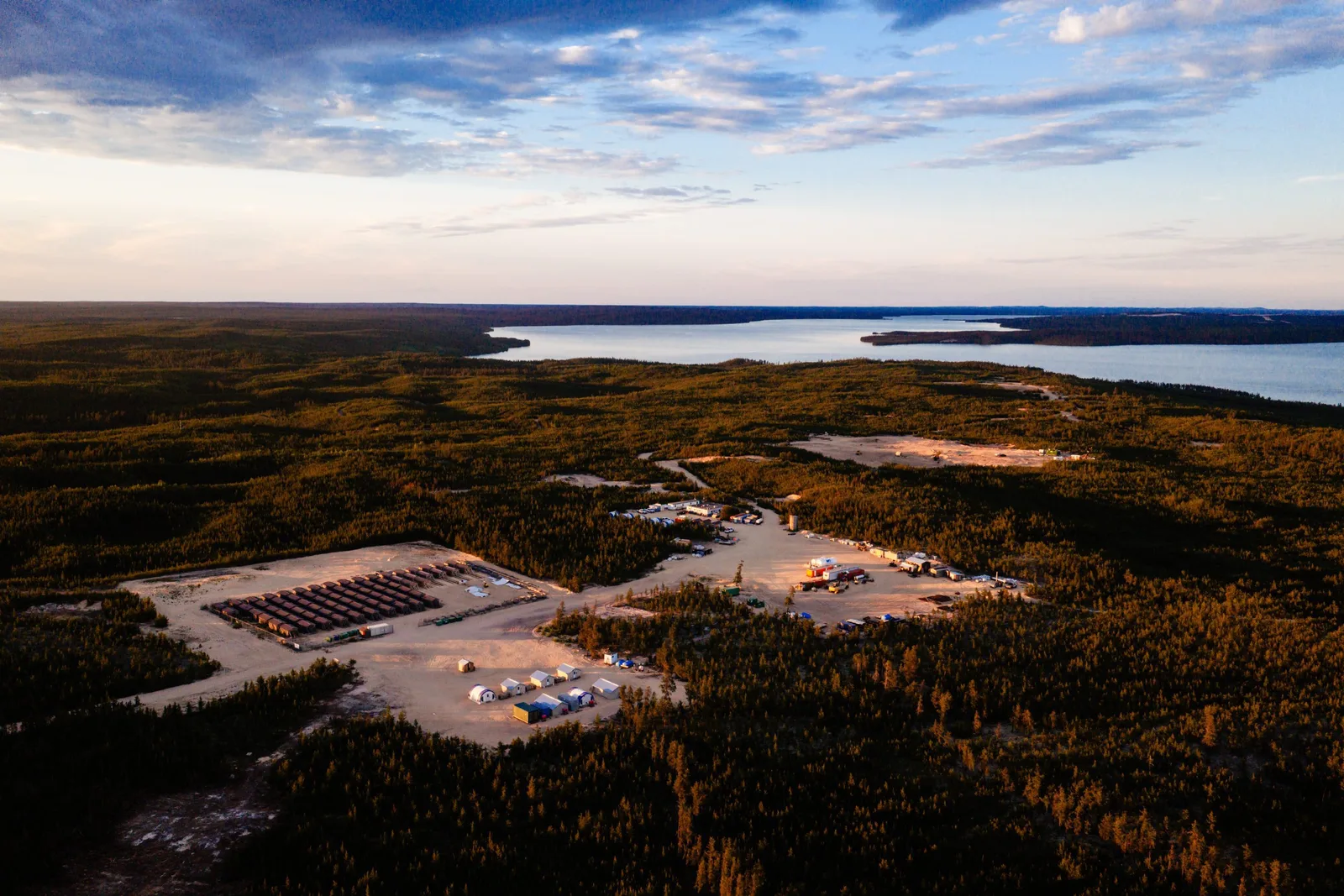
Most of the proceeds will fund work at Patterson Lake South, or PLS, in the Athabasca Basin region of Saskatchewan, which Paladin gained when it bought Fission Uranium in December 2024. The company plans to spend the money in calendar 2027 and 2028 on engineering, site preparation and orders for long-lead equipment ahead of the main construction programme.
| Use of funds | A$m |
|---|---|
| PLS development spend in 2027 and 2028 | 367 |
| Athabasca Basin exploration and growth | 58 |
| Triple R mine life extension and resource growth | 44 |
| Balance sheet flexibility, including term loan repayment | 41 |
| Offer costs | 16 |
| Total | 525 |
Within the PLS budget, A$118 million is earmarked for the processing plant, A$109 million for site infrastructure and enabling works, A$74 million for engineering, procurement and owner's costs and A$66 million for underground mine development.
Chief executive Paul Hemburrow said on 12 November that the capital positions Paladin to "maintain momentum towards targeted first production in 2031". Recent drilling at the Atlas and Saloon East discoveries, a few kilometres from the planned mine, also gets a larger budget.
A Stronger Balance Sheet, With More Shares
Pro forma, before the share purchase plan
- US$570m cash and equivalents, from US$209m at 30 September
- 516.7m shares on issue, from 449.4m
- US$542m net cash, from US$181m
Paladin's investor presentation shows the raising lifting cash to about US$570 million on a pro forma basis, with US$28 million of debt drawn before the planned repayment of the term loan. The company said its existing lenders, Nedbank and Macquarie Bank, are engaged in early work on debt funding for PLS, and that it has received conditional, non-binding indicative terms from banks.
Eligible shareholders in Australia and New Zealand will be offered up to A$30,000 each in a share purchase plan at the same A$7.80 price, targeting up to A$50 million. That plan is not underwritten. It opens on 23 November and closes on 7 December, with results due on 14 December.
What the Raising Does Not Settle
The equity covers early works, not the whole mine. Paladin's August 2025 update put the pre-production capital cost of PLS at US$1,226 million, so most of the funding package, including debt and possibly offtake or partner money, is still to be arranged. The project also needs provincial approvals and a construction licence from the Canadian Nuclear Safety Commission, with hearings targeted for the end of 2027 under a non-binding protocol.
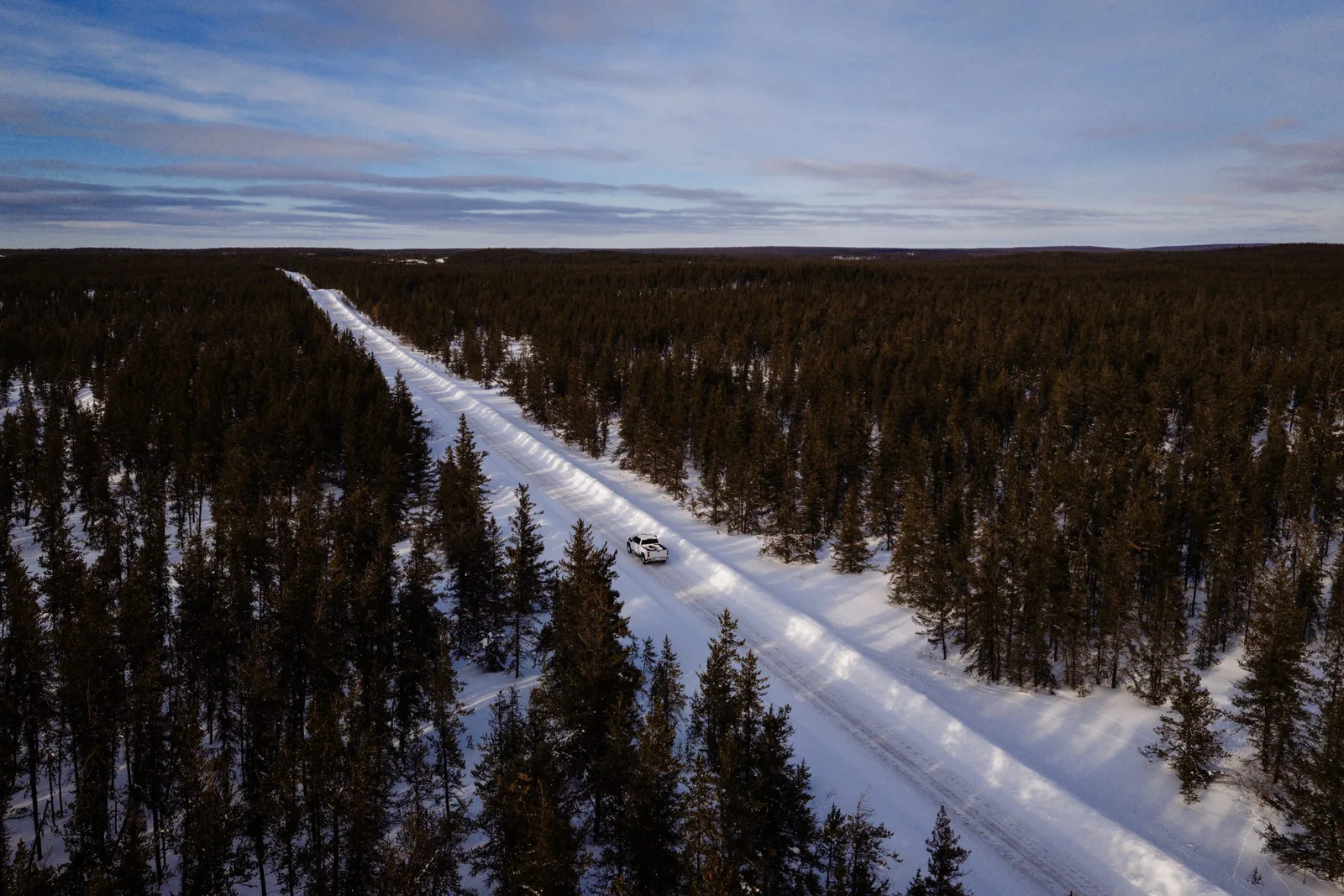
The company warns that the timing of the works depends on Saskatchewan's winter weather windows, permits and investment approvals. Existing shareholders who do not take part are diluted, and the cash still has to be turned into a working mine on budget.